

Nothing ruins the tranquility of a backyard water feature quite like an invasion of unwanted greenery. You likely built your water feature to enjoy clear reflections and watch your fish glide peacefully, but aggressive vegetation can quickly turn that view into a murky mess. While some plants provide essential oxygen and shelter for wildlife, an overgrowth can suffocate your aquatic ecosystem and make the water look neglected.
Finding the right balance is key to maintaining a healthy environment for your fish and desirable plants. Many beginners feel overwhelmed when facing a thick mat of green algae or submerged tangles, but the process is manageable with the right approach. In this article, we will walk you through exactly how to remove aquatic weeds from garden pond setups so you can restore clarity and beauty to your outdoor oasis without causing harm to the delicate ecosystem living beneath the surface.
Why Controlling Pond Vegetation Matters
Ideally, a healthy water feature functions as a balanced ecosystem where plants, fish, and beneficial bacteria coexist. However, when invasive weeds take over, they disrupt this delicate harmony significantly. Excessive vegetation consumes vast amounts of oxygen at night, which can lead to dangerous conditions for your koi or goldfish. Furthermore, as these weeds die and decompose, they contribute to a layer of sludge at the bottom that releases harmful gases and fuels even more algae blooms in a frustrating cycle.
Beyond the biological impact, aesthetics play a huge role in your enjoyment of the space. You want to see your fish and hear the gentle trickle of water, not stare at a green swamp. Clearing out the excess growth ensures that sunlight penetrates deeper, keeping the water ecosystem diverse rather than dominated by a single invasive species. Taking action now prevents permanent damage to pumps and filters that often get clogged by debris.
8 Step-by-Step Guide on How to Remove Aquatic Weeds From Garden Pond
Step 1: Assessing How to Remove Aquatic Weeds From Garden Pond Safely
Before you start pulling plants out of the water, you must identify exactly what you are dealing with. Different types of vegetation require different removal strategies to ensure they do not simply grow back twice as fast. You generally have three categories to look for, which are submerged weeds, floating weeds like duckweed, and emergent plants that grow at the edges.
Take a moment to examine the extent of the growth and determine if there are any protected wildlife species, such as newts or frogs, hiding in the foliage. This assessment phase is critical because it helps you decide which tools you will need and prevents you from accidentally destroying beneficial plants that help filter your water naturally.
Step 2: Gather Essential Tools and Safety Gear
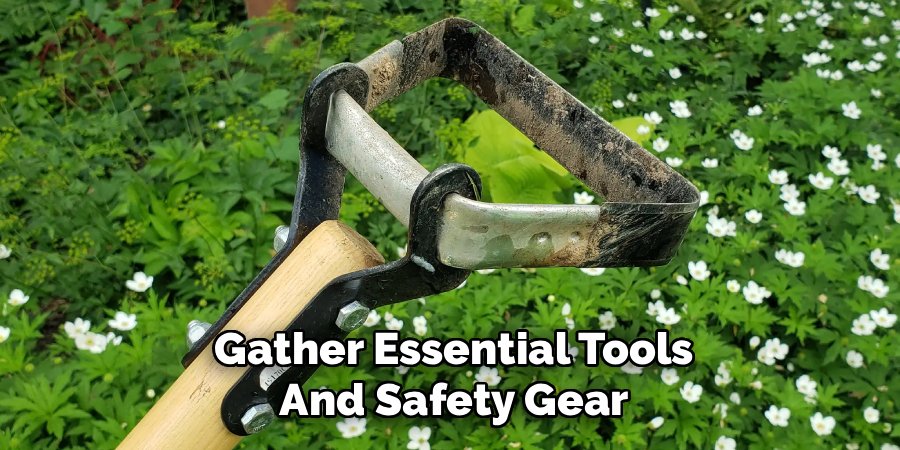
Once you know what you are facing, you need to collect the proper equipment to handle the job efficiently. You should equip yourself with a sturdy pond rake, a skimmer net with a long handle, and a pair of heavy-duty waterproof gloves to protect your hands. If you have a large area to cover, you might also need a wheelbarrow or a large tarp to transport the wet, heavy vegetation to a compost area.
Wearing waders is also a smart idea if you need to step into the water to reach the center of the feature. Having all your equipment ready before you begin ensures that you can work steadily without interruptions, making the physically demanding task of clearing the water much easier and safer for you.
Step 3: Remove Floating Surface Weeds Manually
The easiest place to start is the surface, where floating weeds like duckweed or blanket weed often form thick mats that block sunlight. You should use your skimmer net to gently scoop these plants off the top of the water, being careful not to catch any small fish in the process.
It is important to move slowly to avoid breaking the plants apart, as small fragments left behind can quickly multiply and undo your hard work. You might need to repeat this skimming process several times to get the majority of the surface clear. This step immediately improves the look of your water feature and allows light to reach deeper levels, which is vital for the health of the rest of the ecosystem.
Step 4: Tools For How to Remove Aquatic Weeds From Garden Pond
For the tougher plants that are rooted in the bottom or growing beneath the surface, manual pulling or raking is necessary. This is often the most labor-intensive part of learning how to remove aquatic weeds from garden pond environments effectively. You should use a landscape rake or a specialized aquatic weed cutter to snag the stems of submerged plants like elodea or hornwort.
Drag the rake slowly across the bottom, bringing up clumps of vegetation, and deposit them on the bank away from the water’s edge. Be thorough but gentle to avoid stirring up too much sediment, which can cloud the water and spike nutrient levels. Leaving the weeds on the bank for a few hours allows any trapped aquatic creatures to crawl back into the water before you dispose of the plant matter.
Step 5: Trim and Thin Out Marginal Plants
Marginal plants, which grow around the edges of your water feature, can eventually creep inward and reduce the open water surface area. You need to be ruthless with these aggressive growers to maintain a defined border and prevent them from taking over.
Using pruning shears or aquatic scissors, cut back the foliage of plants like cattails, reeds, or irises that have expanded beyond their designated zones. You should aim to remove any dead or yellowing leaves as well, as these will eventually fall into the water and rot. By keeping the perimeter tidy, you improve air circulation across the water surface and reduce the amount of organic waste that accumulates at the bottom, which is a primary food source for future weed growth.
Step 6: Clean Up the Bottom Sludge
Removing the living weeds is only half the battle; you must also address the nutrient source that feeds them. Over time, decaying leaves, fish waste, and dead weeds form a layer of sludge on the bottom that acts as a super-fertilizer for unwanted vegetation.
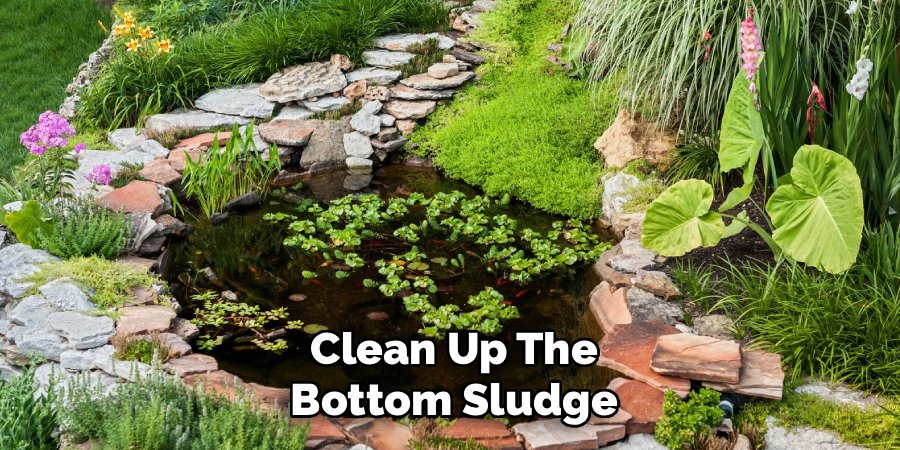
You can use a pond vacuum to suck up this muck from the bottom, or if you do not have a vacuum, a fine-mesh net can remove significant amounts of debris. Reducing this sludge layer cuts off the nutrient supply that weeds rely on to grow rapidly. This step is crucial for long-term control, as simply pulling the weeds without addressing the sediment often results in a quick return of the problem.
Step 7: Apply Biological Controls Like Barley Straw
After the physical removal is complete, you should look into natural ways to inhibit future growth. Barley straw is an excellent, safe biological control method that releases compounds as it decomposes, which stunts the growth of algae and certain weeds. You can purchase small bales or liquid extracts of barley straw and place them near your waterfall or filter outlet where the water flows over them. This is not a quick fix but a preventative measure that works over time to keep the water clear. Integrating biological controls reduces the need for harsh chemicals and supports a more natural balance, making your future maintenance tasks much less strenuous.
Step 8: Introduce Oxygenating Plants
It might seem counterintuitive to add plants after removing them, but introducing the right kind of beneficial vegetation can outcompete the weeds. Oxygenating plants are vital because they absorb the excess nutrients in the water that nuisance weeds would otherwise consume. By planting desirable species in baskets or controlled areas, you starve the invasive weeds of their food source while simultaneously boosting oxygen levels for your fish.
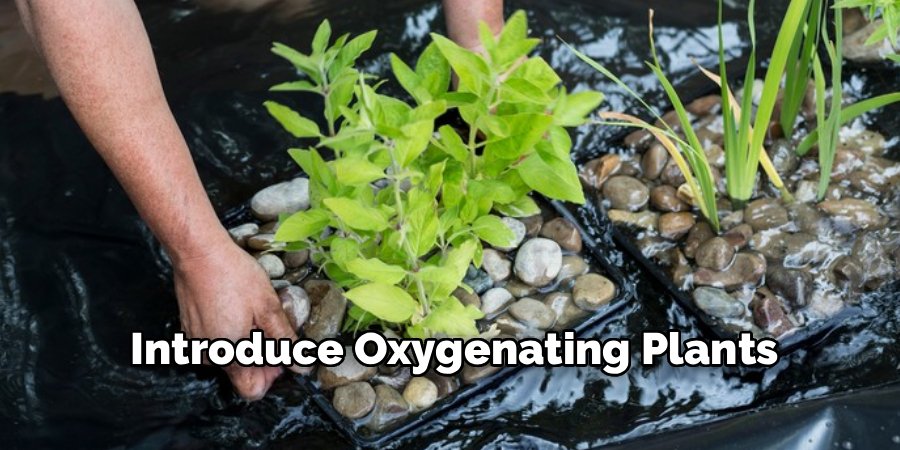
This competitive exclusion strategy is a cornerstone of how to remove aquatic weeds from garden pond systems permanently. When good plants thrive, there are simply fewer resources available for the bad plants to establish a foothold, creating a self-sustaining cycle of health for your water feature.
Install Aeration or Fountains
Stagnant water is the perfect breeding ground for algae and aquatic weeds, so keeping the water moving is a powerful deterrent. Installing an aeration system, a fountain, or a waterfall increases the dissolved oxygen levels in the water and disrupts the calm surface that many weeds prefer. The agitation prevents surface weeds like duckweed from forming a solid mat and helps beneficial bacteria break down nutrients more efficiently. If you already have a pump, check that it is sized correctly for your volume of water and consider adding an air stone if circulation seems poor in certain corners. Improved water movement equates to a cleaner environment where aggressive weeds struggle to take root.
Establish a Regular Maintenance Routine
The final and perhaps most important step is to commit to a schedule that prevents the situation from getting out of hand again. You should inspect your water feature weekly, skimming off any new debris and pulling out small patches of weeds before they spread. Regular maintenance takes only a few minutes compared to the hours of labor required for a full cleanout.
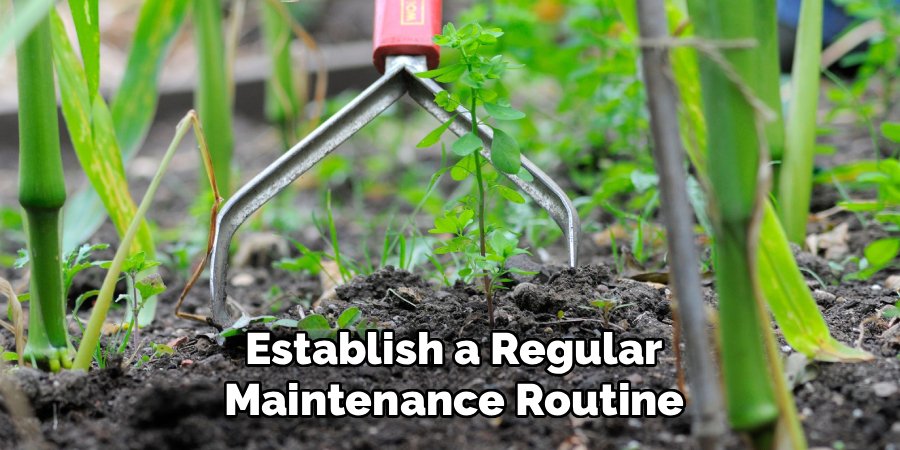
You should also monitor your fish feeding habits, as overfeeding adds excess nutrients to the water that fuel weed growth. By staying proactive and addressing small changes immediately, you ensure that your backyard oasis remains a point of pride rather than a source of stress.
Frequently Asked Question (Faq)
When Is The Best Time To Remove Weeds?
The ideal time to tackle aquatic weed removal is late spring or early summer before the plants have reached their full growth or released seeds. Acting during this window prevents the weeds from dropping spores or seeds that will cause problems next year. However, you can perform light maintenance and skimming throughout the growing season to keep populations in check. Avoiding removal during peak winter helps protect hibernating wildlife.
Can I Use Chemical Weed Killers In My Pond?
You should be extremely cautious with chemical herbicides, as many are toxic to fish, frogs, and beneficial insects. If you must use a chemical treatment, ensure it is specifically labeled for aquatic use and safe for the wildlife you have. Always follow the dosage instructions precisely to avoid crashing oxygen levels. Generally, manual removal and biological controls are safer and more sustainable choices for home gardeners.
What Tools Do I Need For Weed Removal?
For most backyard water features, you will need a sturdy pond rake to drag out submerged plants and a skimming net for surface debris. Heavy-duty waterproof gloves are essential to protect your hands from sharp stems and bacteria. For larger setups, an aquatic weed cutter can slice through thick vegetation, and a pond vacuum is excellent for removing the sludge that feeds weed growth.
Why Do Aquatic Weeds Keep Coming Back?
Weeds return because the underlying conditions—usually an excess of nutrients like nitrogen and phosphorus—remain in the water. These nutrients come from fish waste, decaying leaves, and runoff from lawn fertilizers. Even after you remove the plants, if you do not address the nutrient load through filtration, water changes, or adding beneficial bacteria, the weeds will rapidly regrow to consume that available “food.”
How Can I Prevent Weeds From Growing?
Prevention is all about limiting sunlight and nutrients. You can add floating plants like lilies to shade the water, which denies weeds the light they need to photosynthesize. Additionally, installing a good filtration system and avoiding overfeeding your fish will keep nutrient levels low. Using barley straw and performing regular partial water changes are also highly effective preventative measures for maintaining clear water.
Conclusion
Restoring your water feature to a pristine state takes effort, but the rewards of clear water and happy fish are well worth the labor. By following a structured approach, you can reclaim your garden from invasive growth and create a balanced ecosystem that sustains itself. Remember that consistency is your best friend; small actions taken regularly are far more effective than waiting for a crisis to strike.
Now that you have the knowledge and the plan, it is time to head outside and get started. Put on your gloves, grab your rake, and begin the transformation process today. Once you have mastered how to remove aquatic weeds from garden pond setups, you will find that maintaining your backyard sanctuary becomes a relaxing hobby rather than a daunting chore.

About Ravuk Barg
B.Sc. Horticulture Science | Certified Master Gardener
Ravuk Barg has spent more than a decade with his hands in the soil and his head full of questions about why some gardens thrive while others struggle. What started as a single raised bed of tomatoes and basil in a modest backyard has grown into a deep, working knowledge of everything from seed germination and soil amendment to companion planting and seasonal pruning.
Over the years, Ravuk has gardened through drought summers, waterlogged springs, and pest invasions that would make most gardeners hang up their trowels for good. Those hard seasons, he’ll tell you, taught him more than any perfect growing year ever could. He writes from that earned experience—covering vegetable growing, ornamental planting, houseplant care, composting, and garden design with equal confidence and curiosity.
Philosophy & Approach
Ravuk’s approach to gardening is rooted in practicality. He favors organic methods not out of dogma, but because they work long-term—resulting in healthier soil, fewer inputs, and stronger plants. He has a particular fondness for heirloom vegetable varieties (the kind with proper flavor), unruly cottage-style flower beds, and the stubborn houseplants that everyone else gave up on.
The Mission: Give readers the honest, experience-backed advice that helps them actually succeed in their gardens—not just the ideal version, but the real one; weeds, failures, and all.
Education & Credentials
-
B.Sc. in Horticulture Science
-
Greenfield Agricultural University
-
Focus: Plant Physiology, Soil Ecology, and Sustainable Crop Production
-
-
Master Gardener Certification
-
Cooperative Extension Service
-
Focus: 200+ hours of hands-on practical training and community garden work
-
Continuing Education
-
Organic Pest Management
-
Native Plant Landscaping
-
Sustainable Crop Production