

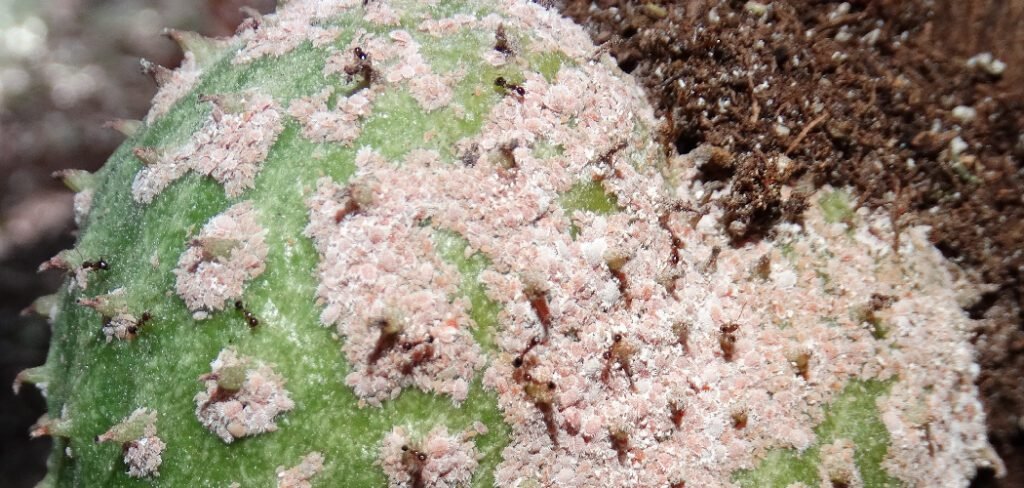
Succulents bring a touch of natural beauty to our homes with their unique shapes and vibrant colors. However, these hardy plants can fall victim to common pests, with mealybugs being one of the most frustrating. These tiny, white, cotton-like insects feed on plant sap, causing stunted growth, yellowing leaves, and eventually, the decline of your beloved succulent. Understanding how to prevent mealybugs on succulents is the most effective way to protect your plants. This guide will provide you with a comprehensive, proactive strategy to keep these pests at bay, ensuring your succulent collection remains healthy and beautiful.
Why Healthy Roots Mean Fewer Pests
A strong defense against pests starts from the ground up—or, in this case, from the roots down. The health of a succulent’s root system is directly linked to its ability to resist infestations. Overwatered, compacted, or poorly aerated soil creates a stressful environment for your plant. This stress weakens the succulent’s natural defenses, making it an easy target for opportunistic pests like mealybugs. Healthy roots, on the other hand, efficiently absorb nutrients and water, fueling robust growth. A strong, thriving plant is far less appealing to pests and is better equipped to handle a minor issue before it becomes a full-blown infestation.
8 Step-by-Step Guide on How to Prevent Mealybugs on Succulents
Step 1: Inspect New Plants Thoroughly
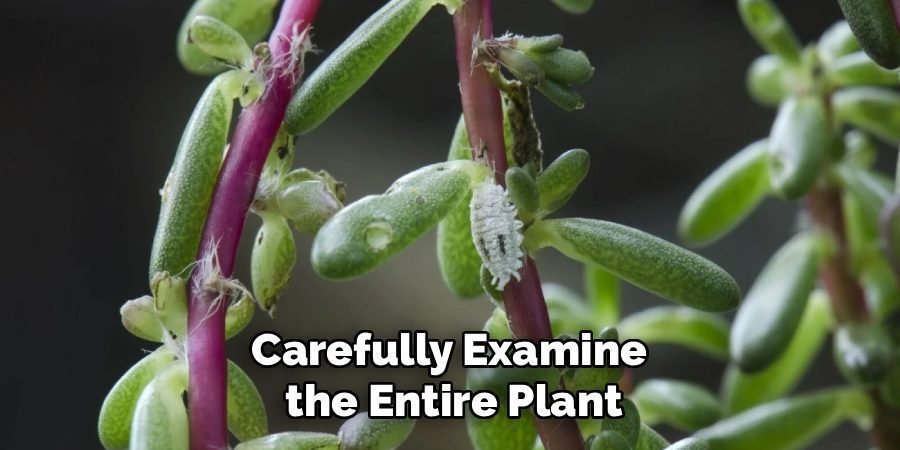
Before introducing any new succulent to your collection, conduct a thorough inspection. Mealybugs are experts at hiding and often arrive as unwelcome hitchhikers from the nursery or garden center. Carefully examine the entire plant, paying close attention to the areas where leaves meet the stem, the underside of leaves, and the plant’s crown. Look for the characteristic white, cottony masses that indicate an active infestation. Also, check the soil surface and around the root ball for any signs of these pests. This initial quarantine and inspection are your first line of defense.
Step 2: Ensure Proper Soil and Drainage
The right soil mix is fundamental to a succulent’s health and its ability to ward off pests. Succulents require a well-draining soil that prevents their roots from sitting in water, which can lead to rot and stress. Use a cactus or succulent-specific potting mix, or create your own by combining potting soil with inorganic materials like perlite, pumice, or coarse sand. Good drainage allows the soil to dry out completely between waterings, creating an inhospitable environment for mealybugs, which are often attracted to the fungus and decay associated with overly moist conditions.
Step 3: Provide Adequate Air Circulation
Good airflow is a simple yet powerful tool in your pest prevention arsenal. Stagnant, humid air creates a perfect breeding ground for mealybugs and other common pests. Ensure your succulents are not overcrowded. Give each plant enough space to breathe. If your plants are indoors, using a small fan on a low setting for a few hours each day can significantly improve air circulation around them. This not only helps the soil dry out more quickly but also disrupts the life cycle of pests, making it harder for them to settle and multiply.
Step 4: Master Your Watering Routine
Overwatering is one of the most common mistakes succulent owners make, and it directly contributes to pest problems. Mealybugs thrive in moist, humid environments. To avoid this, adopt a “soak and dry” watering method. Water your succulents thoroughly until water runs out of the drainage hole, then allow the soil to dry out completely before watering again. The frequency will depend on your climate, pot size, and time of year. A properly watered succulent is a healthy succulent, and a healthy succulent is far more resilient against pests.
Step 5: Implement Regular Plant Check-ups
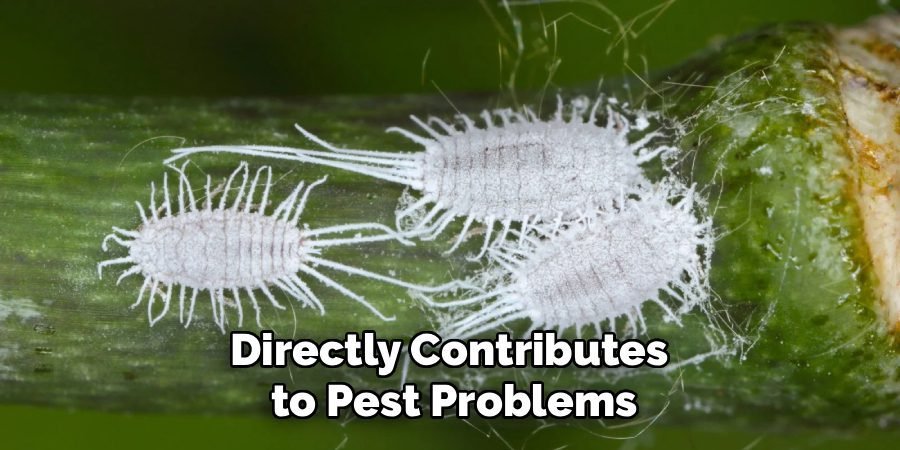
Make it a habit to inspect your succulents regularly, at least once a week. This routine allows you to catch any potential pest issues before they escalate into a major infestation. During your check-up, look closely at the nooks and crannies of each plant. Gently move leaves aside to inspect the stems and the base of the plant. A small, isolated group of mealybugs is much easier to manage than a colony that has had weeks to establish itself. Early detection is a critical component of knowing how to prevent mealybugs on succulents from taking over.
Step 6: Use Rubbing Alcohol for Spot Treatment
Even with the best preventive care, a few mealybugs might occasionally appear. Having a spot-treatment plan ready is essential. For minor sightings, dip a cotton swab in 70% isopropyl alcohol and dab it directly onto the pests. The alcohol dissolves their protective waxy coating and kills them on contact. This method is highly effective for targeting individual pests or small clusters without harming the plant. Always test the alcohol on a small leaf first to ensure your specific succulent variety doesn’t have a negative reaction.
Step 7: Introduce Beneficial Insects
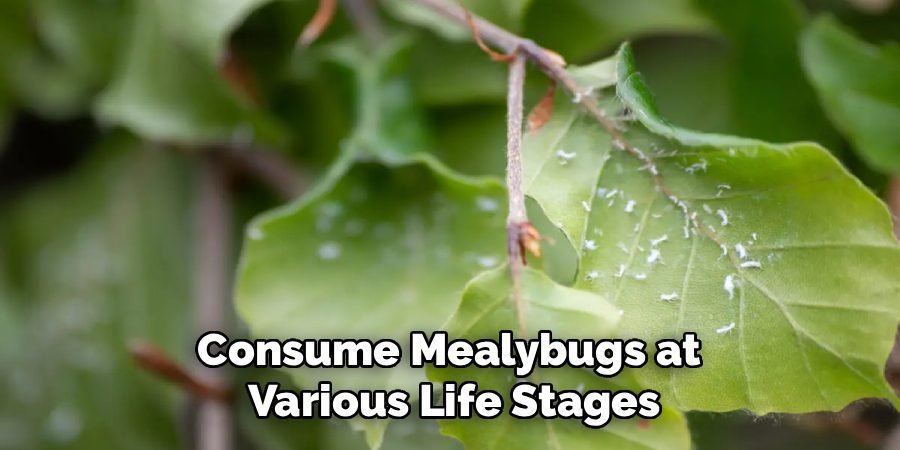
For outdoor succulent gardens or larger indoor collections, introducing beneficial insects can be a fantastic natural pest control strategy. Ladybugs, lacewings, and a specific predator known as the mealybug destroyer (Cryptolaemus montrouzieri) are natural enemies of mealybugs. These helpful bugs will hunt down and consume mealybugs at various life stages, keeping their populations in check without the need for chemical pesticides. This creates a balanced, self-regulating ecosystem where pests are managed naturally, promoting the long-term health of your plants.
Step 8: Keep the Growing Area Clean
A clean growing environment is less inviting to pests. Regularly remove dead leaves, fallen flowers, and other plant debris from the soil surface and the area around your pots. This debris can provide a hiding place and a food source for mealybugs and other pests. Wiping down your pots and shelves periodically also helps remove dust and potential pest eggs. Maintaining a tidy space reduces the chances of pests finding a comfortable home among your succulents, making your preventive efforts far more effective.
Frequently Asked Questions (FAQ)
Can Mealybugs Spread From One Plant to Another?
Yes, mealybugs can spread between plants quite easily. They are mobile, especially in their younger “crawler” stage, and can walk from one plant to another if the pots are touching. They can also be transported by wind, water, pets, or even on your hands and gardening tools. This is why quarantining new plants and maintaining space between your succulents is so important. If you find an infestation on one plant, it’s crucial to isolate it immediately to prevent the pests from migrating to the rest of your collection.
Does Neem Oil Work to Prevent Mealybugs?
Neem oil is an excellent tool for both preventing and treating mealybug infestations. As a preventative measure, a diluted neem oil solution can be sprayed on your succulents every few weeks. It acts as an antifeedant and growth regulator, disrupting the pests’ life cycle if they try to settle on the plant. For active infestations, it works by suffocating the insects. It is a natural, organic option that is generally safe for succulents, but you should always spray in the evening to avoid leaf burn from sun exposure.
Why Do My Succulents Keep Getting Mealybugs?
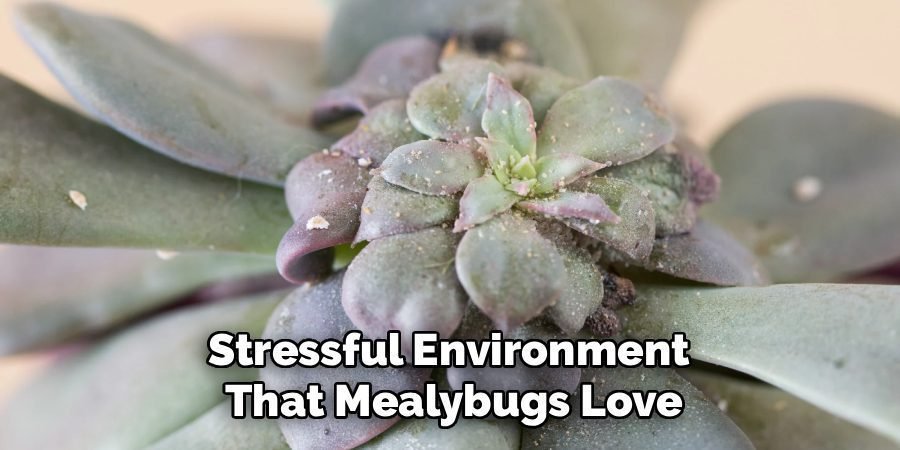
Recurring mealybug problems often point to an underlying issue in the plant’s environment or care routine. The most common culprits are overwatering, poor air circulation, and using non-draining soil, all of which create a humid, stressful environment that mealybugs love. Another reason could be a hidden “mother” plant nearby that is continuously producing new generations of pests. A thorough review of your watering habits, soil mix, and plant spacing is the best way to identify and correct the root cause of persistent infestations.
Are Mealybugs Harmful to Humans or Pets?
Mealybugs are not harmful to humans or pets. They are plant-specific pests and have no interest in biting, infesting, or causing any harm to people, dogs, cats, or other animals. The primary danger they pose is to your plant collection. While you don’t need to worry about your own health, it is still a good idea to wash your hands after handling an infested plant to avoid accidentally transferring the pests to other succulents in your home.
How Do I Know if Mealybugs Are in the Soil?
Mealybugs can live on the roots of succulents, where they are known as root mealybugs. If a plant looks unhealthy—stunted, yellowing, or wilted—despite proper care, root mealybugs could be the cause. To check, you will need to gently remove the plant from its pot. Look for small, white, powdery spots on the roots and in the soil. They often look like small deposits of perlite but will be fuzzy and may move slightly when disturbed. Treating root mealybugs involves cleaning the old soil from the roots and repotting in a fresh, sterile mix.
Conclusion
Protecting your succulents from mealybugs doesn’t have to be a constant battle. By focusing on creating a healthy environment, you can build a strong defense that keeps these pests away for good. From inspecting new plants and using the right soil to mastering your watering technique and ensuring good airflow, each step plays a vital role in plant health. Regular check-ups and quick spot treatments will handle any intruders that manage to slip through. By consistently applying these strategies, you’ll master how to prevent mealybugs on succulents and enjoy a thriving, pest-free collection for years to come.

About Ravuk Barg
B.Sc. Horticulture Science | Certified Master Gardener
Ravuk Barg has spent more than a decade with his hands in the soil and his head full of questions about why some gardens thrive while others struggle. What started as a single raised bed of tomatoes and basil in a modest backyard has grown into a deep, working knowledge of everything from seed germination and soil amendment to companion planting and seasonal pruning.
Over the years, Ravuk has gardened through drought summers, waterlogged springs, and pest invasions that would make most gardeners hang up their trowels for good. Those hard seasons, he’ll tell you, taught him more than any perfect growing year ever could. He writes from that earned experience—covering vegetable growing, ornamental planting, houseplant care, composting, and garden design with equal confidence and curiosity.
Philosophy & Approach
Ravuk’s approach to gardening is rooted in practicality. He favors organic methods not out of dogma, but because they work long-term—resulting in healthier soil, fewer inputs, and stronger plants. He has a particular fondness for heirloom vegetable varieties (the kind with proper flavor), unruly cottage-style flower beds, and the stubborn houseplants that everyone else gave up on.
The Mission: Give readers the honest, experience-backed advice that helps them actually succeed in their gardens—not just the ideal version, but the real one; weeds, failures, and all.
Education & Credentials
-
B.Sc. in Horticulture Science
-
Greenfield Agricultural University
-
Focus: Plant Physiology, Soil Ecology, and Sustainable Crop Production
-
-
Master Gardener Certification
-
Cooperative Extension Service
-
Focus: 200+ hours of hands-on practical training and community garden work
-
Continuing Education
-
Organic Pest Management
-
Native Plant Landscaping
-
Sustainable Crop Production