

Welcoming an orchid into your home brings a touch of exotic beauty, but caring for these unique plants can feel intimidating. Many new owners wonder about the best way to provide the humidity these tropical flowers crave. Proper watering is key, but the environment itself plays a huge role in their health. This guide will walk you through the specifics of how to mist orchids, transforming a simple task into a powerful tool for encouraging lush growth and vibrant blooms. By understanding the when, why, and how of misting, you can confidently replicate an orchid’s natural habitat and help it flourish.
The Importance of Humidity for Orchids
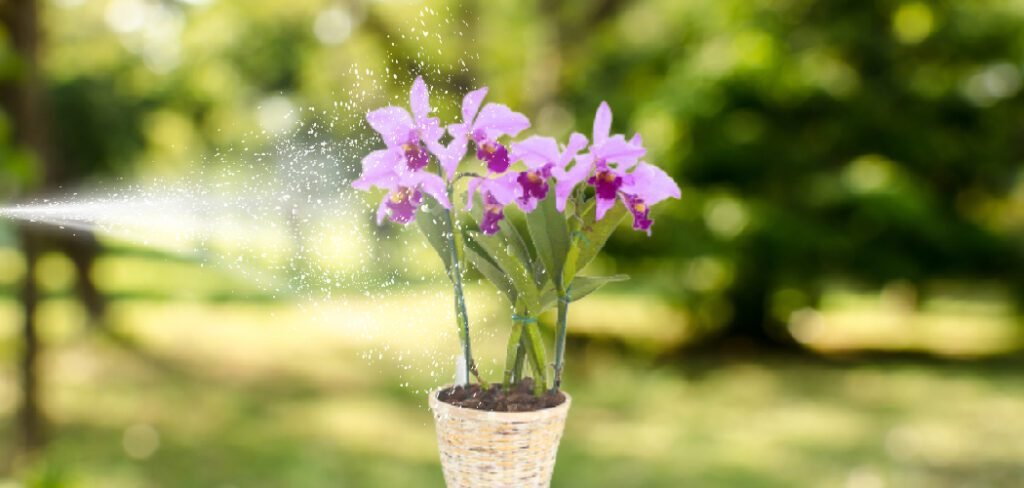
Orchids, particularly popular varieties like Phalaenopsis, naturally grow in humid, tropical environments. In these native habitats, they often cling to trees and absorb moisture directly from the damp air through their aerial roots. The typical climate inside a home is far drier, which can stress the plant, leading to brown leaf tips, wilting flowers, and a general failure to thrive. Misting is a simple and effective method to temporarily increase the ambient humidity around your plant, mimicking the moist air it loves and supporting its overall health and ability to produce beautiful flowers.
8 Step-by-Step Guide on How to Mist Orchids
Step 1: Choose the Right Time of Day
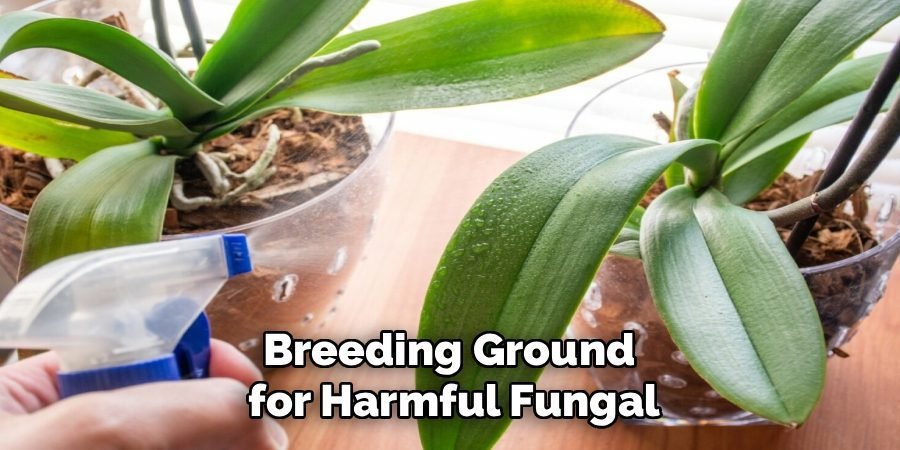
Timing is crucial when misting your orchids. The best time to do it is in the morning. This gives the water ample time to evaporate from the leaves and crown throughout the day with the help of natural light and air circulation. Misting late in the evening or at night is risky because the water may sit on the plant for too long in cooler, darker conditions. This prolonged dampness can create a breeding ground for harmful fungal and bacterial diseases, such as crown rot, which can be fatal to your orchid.
Step 2: Select the Proper Water
The type of water you use for misting matters significantly. Tap water often contains minerals, chlorine, and salts that can accumulate on your orchid’s leaves over time, leaving behind unsightly white spots. These mineral deposits can clog the pores on the leaves, known as stomata, hindering the plant’s ability to breathe. For best results, use distilled, reverse osmosis, or rainwater. These purified water sources are free of the minerals that cause buildup, ensuring your orchid’s leaves stay clean, green, and healthy, allowing for optimal photosynthesis and respiration.
Step 3: Use a Fine-Mist Spray Bottle
The goal of misting is to create a humid cloud around the orchid, not to drench it. A spray bottle that produces a very fine, gentle mist is essential for this task. Avoid sprayers that eject large, heavy droplets or a powerful stream, as these can deliver too much water too quickly. A fine mist ensures that moisture settles delicately on the aerial roots and lightly on the foliage without pooling. This subtle approach effectively raises local humidity without waterlogging the plant or creating standing water in the delicate crown or leaf joints.
Step 4: Focus on the Aerial Roots
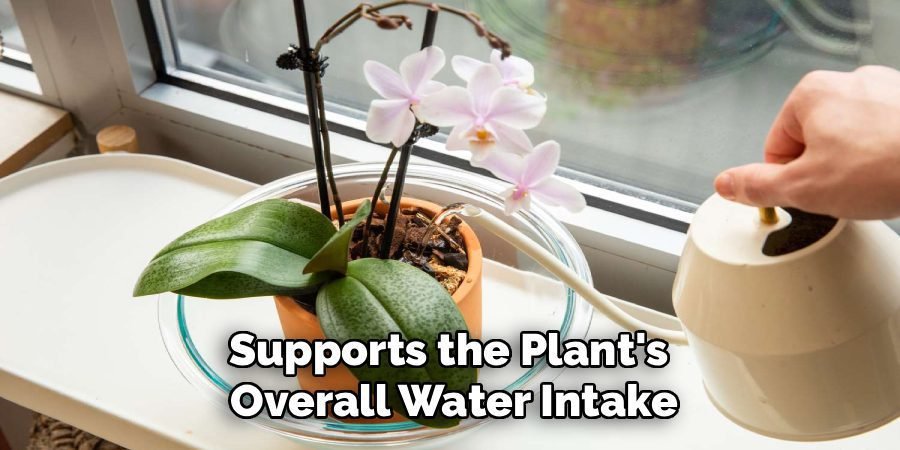
When you begin misting, your primary focus should be on the aerial roots—the silvery-green roots growing outside of the pot. In their natural environment, these specialized roots are experts at absorbing moisture directly from the air. Misting them directly provides a quick hydration boost and supports the plant’s overall water intake. Lightly spray these roots until they turn a vibrant green color, which indicates they have absorbed water. This method provides the humidity orchids crave without soaking the more sensitive parts of the plant.
Step 5: Lightly Mist the Underside of Leaves
After addressing the roots, you can apply a very light mist to the foliage, concentrating on the undersides of the leaves. The stomata, tiny pores responsible for gas exchange, are more concentrated on the bottom of orchid leaves. Misting here can help the plant absorb a small amount of moisture and keep the pores clear. Be careful not to overdo it. A quick, passing spray is sufficient. Avoid letting water bead up and run down the leaves, as this can lead to moisture collecting in vulnerable areas of the plant.
Step 6: Avoid Misting the Flowers and Crown
It is critical to avoid spraying water directly onto the orchid’s delicate flowers or into its crown. The crown is the central point where new leaves emerge. If water is allowed to pool in this area, it can lead to crown rot, a swift and often deadly fungal infection. Similarly, water sitting on the delicate petals can cause spotting, discoloration, and can shorten the life of the beautiful blooms you’ve worked so hard to achieve. Always direct your spray bottle away from these sensitive areas.
Step 7: Ensure Proper Air Circulation
Good airflow is your best ally after misting. Stagnant, damp air is the perfect environment for fungal and bacterial growth. After you mist your orchid, make sure it is in a location with gentle air movement. This doesn’t mean placing it in a direct draft, which can dry it out too quickly. A ceiling fan on a low setting in the room or a small, oscillating fan placed at a distance can provide enough circulation to help the water evaporate from the leaves at a healthy pace, providing humidity without risk.
Step 8: Assess Your Environment and Adjust
How often you need to mist depends entirely on your home’s environment. In a dry, heated home during winter, you might need to mist every morning. In a naturally more humid climate or during a wet summer, you may only need to mist a couple of times a week, or not at all. Pay attention to your plant. Are the aerial roots always silvery-white and brittle? Do the leaf tips look dry? These are signs your orchid needs more humidity. Adjust your misting frequency based on these observations.
Frequently Asked Questions (FAQ)
Should I Mist My Orchid Every Day?
Whether you should mist your orchid daily depends on your home’s humidity level. In very dry environments, like a heated home in winter, daily morning misting can be beneficial. However, in more humid conditions, misting every day could be excessive and increase the risk of fungal issues. The best approach is to observe your plant. If its aerial roots look dry and silvery and the air feels dry, daily misting may be appropriate. Otherwise, 2-3 times per week is often sufficient.
What Is the Difference Between Misting and Watering an Orchid?
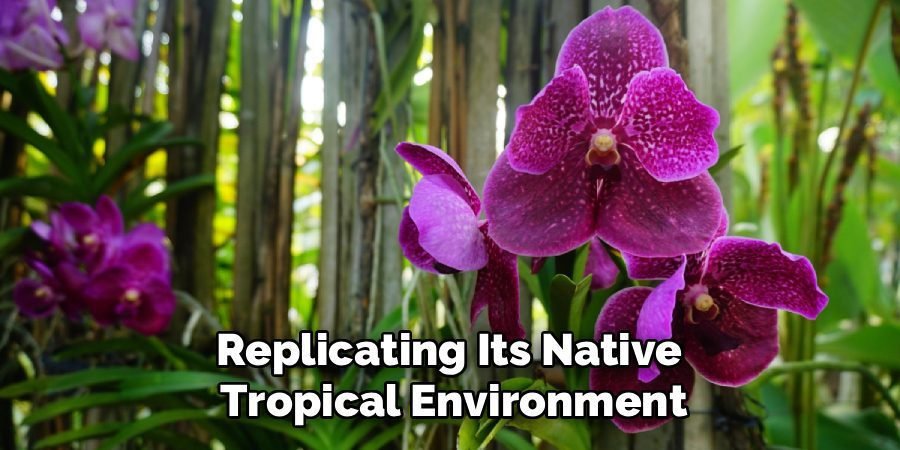
Misting and watering serve two different purposes. Watering is the process of thoroughly hydrating the potting medium (like bark or moss) to provide the main source of water for the plant’s root system inside the pot. This is typically done every 1-2 weeks. Misting, on the other hand, is a much lighter application of water to the air and aerial roots. Its primary goal is not to water the plant but to temporarily increase the ambient humidity around it, replicating its native tropical environment.
Can Misting Cause My Orchid’s Leaves to Rot?
Yes, improper misting can lead to rot. If water is allowed to sit on the leaves or, more critically, pool in the crown of the plant (where new leaves emerge), it can create conditions for fungal and bacterial diseases to develop. This is why it’s essential to mist in the morning, use a fine spray, avoid the crown, and ensure good air circulation. When done correctly, misting should leave a fine dew that evaporates within a few hours, not pools of standing water.
Are There Alternatives to Misting for Humidity?
Absolutely. If you find misting to be too time-consuming or if your home is extremely dry, there are more consistent ways to provide humidity. Placing your orchid on a humidity tray (a shallow tray filled with pebbles and water) is a popular method. As the water evaporates, it creates a humid microclimate around the plant. Using a room humidifier is another excellent, low-maintenance option that provides consistent humidity levels for all your tropical plants. Grouping plants together can also help raise the local humidity.
Does the Type of Orchid I Have Affect Misting?
Yes, the type of orchid can influence its humidity needs. Phalaenopsis (Moth Orchids), which are the most common household orchids, enjoy the extra humidity from misting. However, orchids from drier climates or those with fleshy leaves that store more water (like some Dendrobiums) may require less frequent misting. It’s always a good idea to research the specific needs of your orchid variety. That said, nearly all commercially available orchids are tropical and will appreciate some effort to increase ambient humidity.
Conclusion
Mastering how to mist orchids is a simple yet rewarding skill that can significantly improve the health and beauty of your plant. By following a consistent routine—misting in the morning, using purified water, focusing on the aerial roots, and ensuring good airflow—you can effectively replicate the humid environment these tropical wonders love. While misting is a great tool, remember to observe your plant and your home’s conditions, adjusting as needed. With a little attention and the right technique, you’ll be well on your way to enjoying lush foliage and spectacular, long-lasting blooms for years to come.

About Ravuk Barg
B.Sc. Horticulture Science | Certified Master Gardener
Ravuk Barg has spent more than a decade with his hands in the soil and his head full of questions about why some gardens thrive while others struggle. What started as a single raised bed of tomatoes and basil in a modest backyard has grown into a deep, working knowledge of everything from seed germination and soil amendment to companion planting and seasonal pruning.
Over the years, Ravuk has gardened through drought summers, waterlogged springs, and pest invasions that would make most gardeners hang up their trowels for good. Those hard seasons, he’ll tell you, taught him more than any perfect growing year ever could. He writes from that earned experience—covering vegetable growing, ornamental planting, houseplant care, composting, and garden design with equal confidence and curiosity.
Philosophy & Approach
Ravuk’s approach to gardening is rooted in practicality. He favors organic methods not out of dogma, but because they work long-term—resulting in healthier soil, fewer inputs, and stronger plants. He has a particular fondness for heirloom vegetable varieties (the kind with proper flavor), unruly cottage-style flower beds, and the stubborn houseplants that everyone else gave up on.
The Mission: Give readers the honest, experience-backed advice that helps them actually succeed in their gardens—not just the ideal version, but the real one; weeds, failures, and all.
Education & Credentials
-
B.Sc. in Horticulture Science
-
Greenfield Agricultural University
-
Focus: Plant Physiology, Soil Ecology, and Sustainable Crop Production
-
-
Master Gardener Certification
-
Cooperative Extension Service
-
Focus: 200+ hours of hands-on practical training and community garden work
-
Continuing Education
-
Organic Pest Management
-
Native Plant Landscaping
-
Sustainable Crop Production