

Do you want to grow your own food and become more independent? Making a self sufficient garden is easier than you think! A self sufficient garden means you can grow most of your vegetables, fruits, and herbs without buying them from stores. This type of garden also takes care of itself with less help from you.
Many people are learning how to make a self sufficient garden because it saves money and gives fresh, healthy food. It also helps the environment and makes you feel good about growing your own meals. In this guide, you will learn 8 simple methods to create your own self sufficient garden. These methods work for small yards, big spaces, and even containers on balconies.
8 Methods on How to Make a Self Sufficient Garden
Method 1: Choose the Right Location and Soil
The first step in creating a self-sufficient garden is to choose the best location. Your garden needs at least 6-8 hours of sunlight per day. Find a spot that offers some protection from the morning sun and strong winds. Good soil is very important for a successful garden. Test your soil to see if it needs help. You can buy a simple soil test kit from any garden store. Most vegetables prefer soil that is neither too acidic nor too basic.
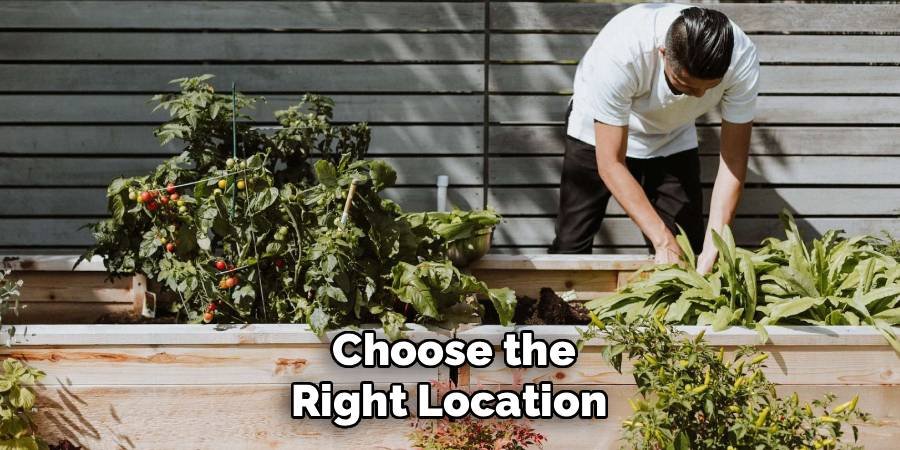
If your soil isn’t good, don’t worry! You can improve it by adding compost, old leaves, or manure. Mix these into your soil before planting. This will help your plants grow strong and healthy. Make sure water can easily reach your garden. You don’t want to have to carry water too far every day. Also, check that the water is draining well and isn’t sitting in the ground for too long.
Method 2: Plan Your Garden Layout Wisely
Smart planning is key when learning to create a self-sufficient garden. Draw a simple map of your garden space before you start planting. This will help you make the most of every inch of space. Plant tall vegetables like tomatoes and corn on the north side of your garden. That way, they won’t block sunlight from shorter plants. Plant medium-sized plants in the middle and smaller plants like lettuce in the front.
Group plants together that need the same amount of water. For example, plant tomatoes, peppers, and eggplants close together because they all like regular watering. Keep drought-loving herbs like rosemary and thyme in separate areas. Leave paths in the middle of your garden rows so you can walk easily. Make the paths about 2 feet wide so you can reach all of your plants without stepping on them.
Method 3: Start Composting for Natural Fertilizer
One of the most important parts of creating a self-sustaining garden is composting. Compost turns kitchen waste and yard waste into rich plant food. This means you don’t have to buy expensive fertilizers. Create a compost pile in a corner of your yard. If you have limited space, you can also use a compost bin. Add green materials like vegetable peelings, coffee grounds, and fresh grass clippings. Mix these in with brown materials like dried leaves, paper, and small twigs.
Turn your compost pile over every few weeks with a shovel or garden fork. This helps it break down faster. Within 3-6 months, you’ll have dark, rich compost that smells like forest soil. Never put meat, dairy products, or pet waste in your compost. These can attract pests and create odors. Stick to vegetable waste, fruit peels, eggshells, and yard waste.
Method 4: Collect and Save Rainwater
Water harvesting is crucial to learning how to create a self-sufficient garden. It helps conserve rainwater and reduce your water bill. Place barrels under your roof gutters to catch rainwater. Cover your rainwater barrels with screens to repel mosquitoes. Use this collected water during dry seasons. Rainwater is often better for plants than tap water because it contains no chemicals.
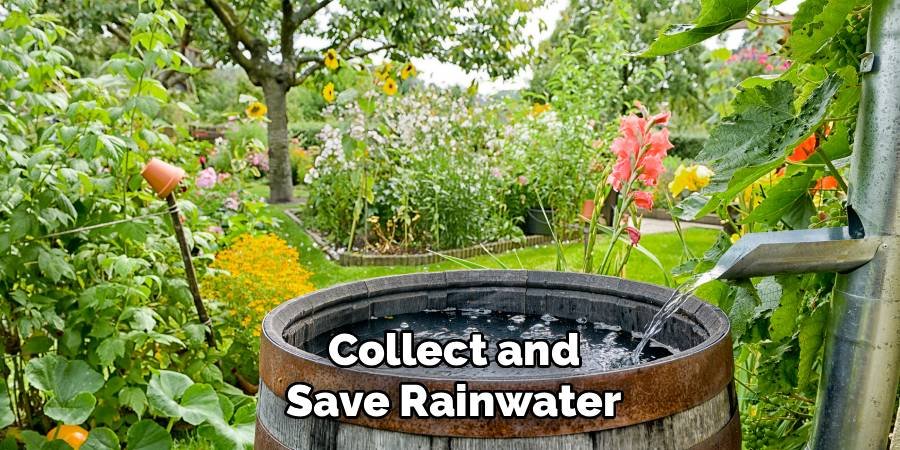
You can also create a simple rain garden. This is a low area in your yard where rainwater is naturally collected. Plant vegetables in these areas that like extra water. Mulching around your plants also helps save water. Use straw, wood chips, or shredded leaves around your vegetables. Mulching keeps the soil moist for longer and reduces how often you need to water.
Method 5: Practice Companion Planting
Companion planting means growing certain plants together because they help each other. This is a smart way to make your self sufficient garden more productive and healthy.
Plant basil near your tomatoes. Basil helps keep harmful insects away from tomatoes and may make them taste better. Marigolds planted throughout your garden also keep many pests away naturally.
Grow beans near corn and squash. This combination is called the “Three Sisters.” The corn gives beans something to climb, beans add nitrogen to the soil, and squash leaves keep weeds away.
Plant carrots near onions. Onions help keep carrot flies away, while carrots don’t compete with onions for space. Both plants can grow happily in the same area.
Method 6: Save Seeds from Your Harvest
Seed saving is an important skill to learn to create a self-sufficient garden. When you save seeds from your best plants, you are creating your own seed supply for next year. Choose the healthiest, most productive plants to save seeds from. Let some of your vegetables ripen completely on the plant. For tomatoes, scoop out the seeds and clean them and let them dry completely.
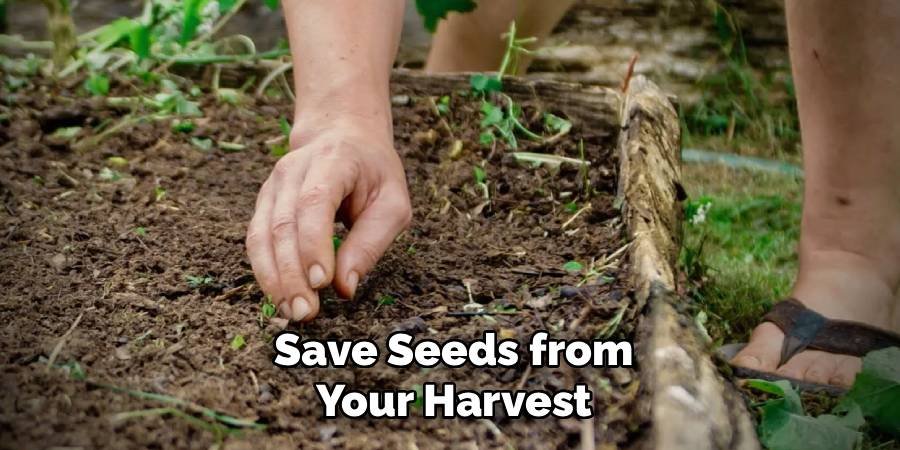
For plants like beans and peas, let the pods of the plants dry before collecting the seeds. Store all saved seeds in paper envelopes or small jars. Label the plant name and date. Store your saved seeds in a cool, dry place. A refrigerator works well for storage. Most vegetable seeds will keep for 2-5 years if stored properly.
Method 7: Create Natural Pest Control
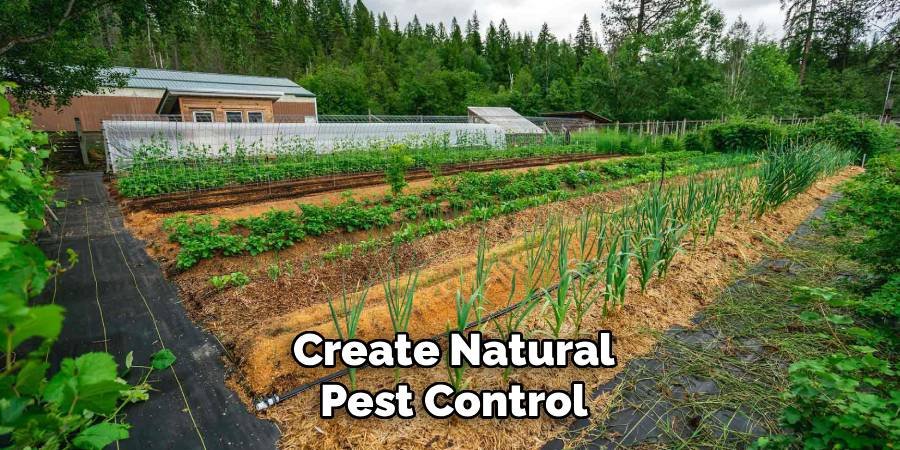
A truly self sufficient garden uses natural methods to control pests instead of harmful chemicals. There are many safe ways to protect your plants from insects and diseases. Encourage beneficial insects to live in your garden. Plant flowers like zinnias, cosmos, and sunflowers to attract bees, butterflies, and helpful predator insects. These good bugs will eat the bad bugs that harm your vegetables.
Make your own pest spray using mild soap and water. Mix 1 tablespoon of gentle dish soap with 1 quart of water. Spray this on plants affected by aphids or other soft-bodied insects. Install bird houses and feeders near your garden. Birds eat many harmful insects and caterpillars. They are some of your best helpers in keeping your garden pest-free.
Method 8: Extend Your Growing Season
Learning how to make a self sufficient garden includes growing food for as long as possible each year. There are several ways to extend your growing season and harvest more food.
Use cold frames or row covers to protect plants from light frost. These simple structures act like mini-greenhouses and can add several weeks to your growing season. Plant cool-season crops like lettuce, spinach, and radishes in late summer for fall harvest. These vegetables actually taste sweeter after light frost touches them.
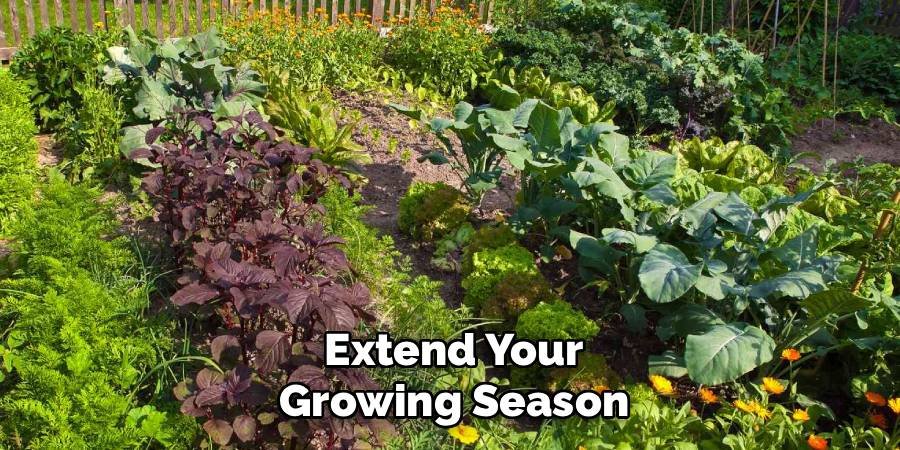
Consider container gardening for some plants. Pots and containers can be moved to protected areas when weather gets harsh. This works especially well for herbs and small vegetables. Start seedlings indoors during late winter. This gives you a head start on the growing season. By the time it’s safe to plant outside, your seedlings will be strong and ready.
Frequently Asked Questions (FAQs)
1. How much space do I need for a self sufficient garden?
You can start a self sufficient garden in any size space. A small backyard garden of 4×8 feet can provide salads and herbs for a family. Larger spaces of 20×30 feet can grow enough vegetables for most of your yearly needs. Even container gardens on balconies can produce surprising amounts of food. The key is to use your space wisely and grow what you eat most.
2. What vegetables are easiest for beginners to grow?
The best vegetables for beginners learning how to make a self sufficient garden are lettuce, radishes, beans, peas, tomatoes, and herbs like basil and parsley. These plants are forgiving and grow quickly. Start with these easy crops and add more challenging vegetables as you gain experience and confidence.
3. How long does it take to see results from composting?
Compost typically takes 3-6 months to be ready for use in your garden. Hot composting methods can work faster, sometimes in 6-8 weeks. The finished compost will be dark brown, crumbly, and smell earthy. You’ll know it’s ready when you can’t recognize the original materials you put in.
4. Can I create a self sufficient garden without spending a lot of money?
Yes! Many aspects of creating a self sufficient garden are free or very cheap. You can start seeds from vegetables you buy at the store, make compost from kitchen scraps, and collect rainwater in recycled containers. Trade seeds and plants with neighbors to save even more money. The initial setup might cost some money, but you’ll save much more over time.
5. What should I do if my plants keep dying?
If your plants keep dying, check three main things: sunlight, water, and soil. Make sure your plants get enough sunlight for their needs. Check if you’re watering too much or too little – both can kill plants. Test your soil and improve it with compost if needed. Also, look for signs of pests or diseases and treat them naturally.
Conclusion
Learning how to make a self sufficient garden is one of the most rewarding skills you can develop. By following these 8 methods, you can create a garden that provides fresh, healthy food while taking care of itself naturally. Remember that gardening is a learning process, and every season teaches you something new. Start small with easy vegetables and gradually expand your garden as you gain experience. Focus on improving your soil, saving water, and working with nature instead of against it. Composting, seed saving, and natural pest control will make your garden more independent over time.
The benefits of a self sufficient garden go beyond just saving money on groceries. You’ll eat fresher food, reduce your environmental impact, and enjoy the satisfaction of growing your own meals. Your garden will become more productive and easier to manage each year as you apply these sustainable methods. Don’t be afraid to make mistakes – they’re part of learning. Every experienced gardener started as a beginner. With patience and practice, you’ll soon have a thriving self sufficient garden that provides for your family year after year.

About Ravuk Barg
B.Sc. Horticulture Science | Certified Master Gardener
Ravuk Barg has spent more than a decade with his hands in the soil and his head full of questions about why some gardens thrive while others struggle. What started as a single raised bed of tomatoes and basil in a modest backyard has grown into a deep, working knowledge of everything from seed germination and soil amendment to companion planting and seasonal pruning.
Over the years, Ravuk has gardened through drought summers, waterlogged springs, and pest invasions that would make most gardeners hang up their trowels for good. Those hard seasons, he’ll tell you, taught him more than any perfect growing year ever could. He writes from that earned experience—covering vegetable growing, ornamental planting, houseplant care, composting, and garden design with equal confidence and curiosity.
Philosophy & Approach
Ravuk’s approach to gardening is rooted in practicality. He favors organic methods not out of dogma, but because they work long-term—resulting in healthier soil, fewer inputs, and stronger plants. He has a particular fondness for heirloom vegetable varieties (the kind with proper flavor), unruly cottage-style flower beds, and the stubborn houseplants that everyone else gave up on.
The Mission: Give readers the honest, experience-backed advice that helps them actually succeed in their gardens—not just the ideal version, but the real one; weeds, failures, and all.
Education & Credentials
-
B.Sc. in Horticulture Science
-
Greenfield Agricultural University
-
Focus: Plant Physiology, Soil Ecology, and Sustainable Crop Production
-
-
Master Gardener Certification
-
Cooperative Extension Service
-
Focus: 200+ hours of hands-on practical training and community garden work
-
Continuing Education
-
Organic Pest Management
-
Native Plant Landscaping
-
Sustainable Crop Production