

River rock landscaping offers a beautiful, low-maintenance alternative to traditional grass lawns and mulched garden beds. Its natural aesthetic, durability, and excellent drainage make it a popular choice for homeowners looking to enhance their curb appeal. However, “low-maintenance” does not mean “no-maintenance.” To keep your rock beds looking pristine and free of weeds and debris, a regular care routine is essential.
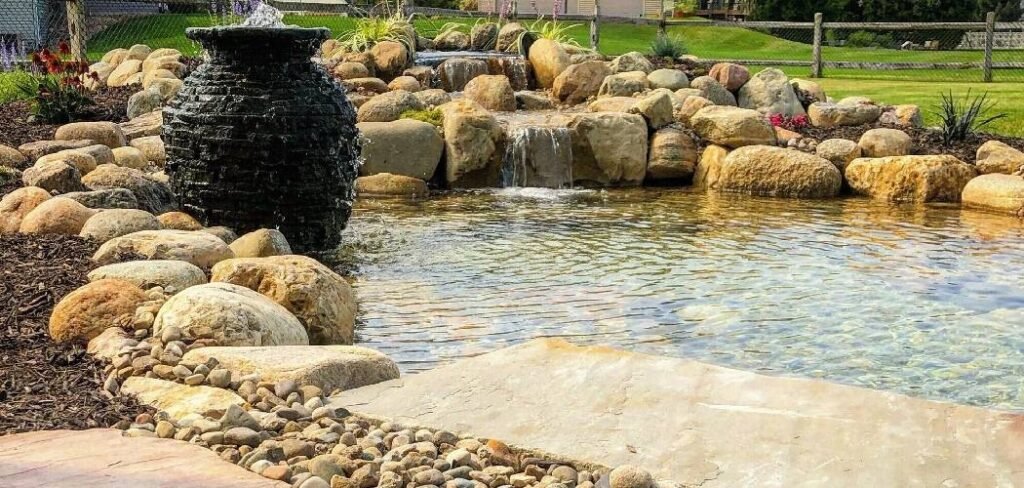
This guide will provide you with a comprehensive overview of how to maintain river rock landscaping, ensuring it remains an attractive feature of your property for years to come. With just a little effort, you can preserve the clean, polished look that made you choose river rocks in the first place.
Why Maintaining River Rock Landscaping is Important
Proper maintenance is crucial for preserving both the beauty and function of your river rock landscape. Neglected rock beds can quickly become overrun with weeds, which are often more difficult to remove from rocks than from soil or mulch. Over time, an accumulation of leaves, dirt, and other organic debris can create a new layer of topsoil over your landscape fabric, providing a perfect environment for weed seeds to germinate.
Furthermore, this debris can clog the spaces between the rocks, hindering water drainage and potentially leading to soil erosion or waterlogging in certain areas. Regular upkeep prevents these issues, ensuring your landscape remains healthy and visually appealing. It also protects your initial investment by extending the life of the landscape fabric and keeping the rocks clean and vibrant. A well-kept rock garden enhances your home’s curb appeal and value, making the effort worthwhile.
7 Step Methods Guide on How to Maintain River Rock Landscaping
Following a consistent routine is the key to keeping your river rock beds in top condition. These steps will guide you through the process, from routine cleaning to tackling more stubborn problems like weeds and stains.
Step 1: Gather Your Tools
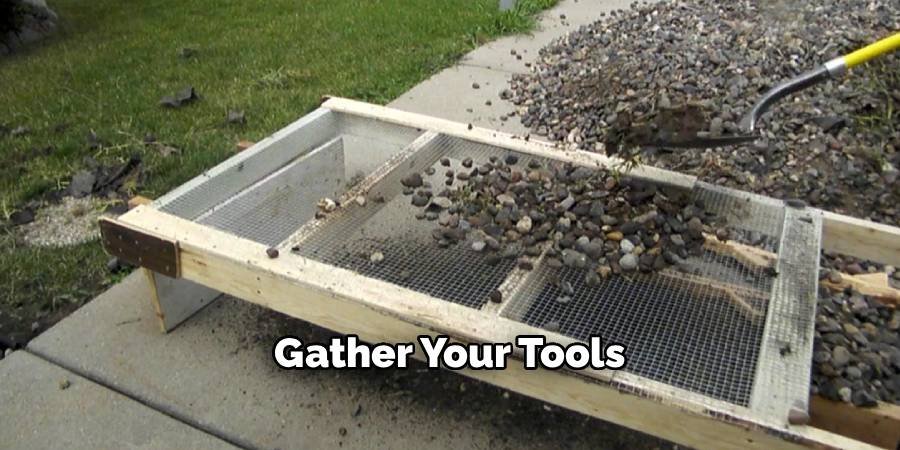
Before you begin, gathering the right tools will make the job much faster and easier. You will need a leaf blower, preferably one with a vacuum setting, to handle leaves and light debris. A sturdy garden rake or a specialized rock rake is essential for smoothing stones and removing larger debris. For weed control, have a high-quality garden hoe, a hand trowel, and a reliable pre-emergent herbicide on hand. You should also grab a wheelbarrow to collect debris and a garden hose with a spray nozzle for rinsing the rocks. Having everything ready will streamline your workflow.
Step 2: Remove Surface Debris Regularly
The first and most frequent task is clearing away surface debris like leaves, twigs, and grass clippings. Use a leaf blower on a low setting to blow debris off the rocks and onto a tarp or the lawn for easy collection. If you have a blower with a vacuum function, you can use it to suck up the debris directly from the rocks. For larger items that the blower can’t move, a rake is effective. Performing this task weekly, or more often during the fall, prevents organic matter from breaking down and creating a breeding ground for weeds.
Step 3: Deep Clean the Rocks Annually
At least once a year, your river rocks will benefit from a thorough washing to remove accumulated dirt, algae, or grime. You can start by raking the rocks into small piles. If possible, move them onto a tarp or a driveway for easier cleaning. Use a garden hose with a strong spray nozzle to rinse the dirt away.
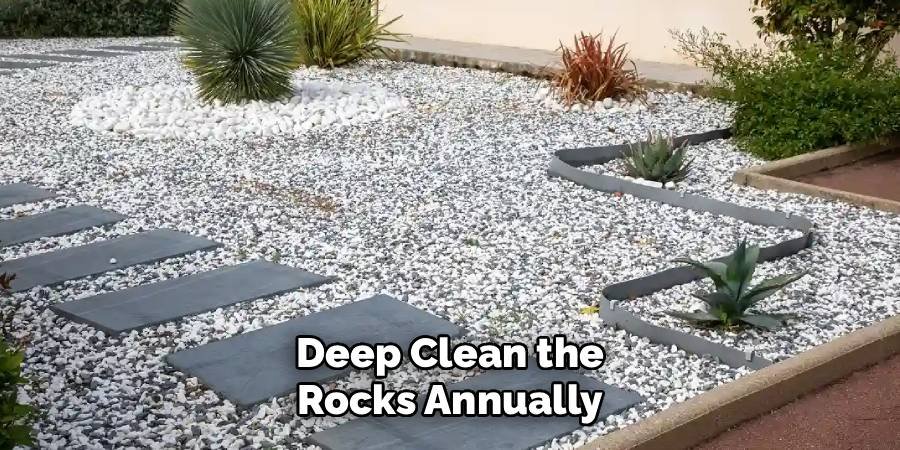
For stubborn stains or mildew, you can mix a solution of water and mild, eco-friendly soap. After washing, let the rocks dry completely in the sun before carefully spreading them back into the landscape bed.
Step 4: Control Weeds Proactively
Weed control is a critical part of knowing how to maintain river rock landscaping effectively. The most efficient approach is prevention. Apply a pre-emergent herbicide in the spring and fall to stop weed seeds from germinating. For any weeds that do manage to sprout, remove them by hand as soon as you see them. Pulling them when they are small is much easier and prevents them from going to seed. For deep-rooted weeds, a garden hoe or trowel can help you dig them out without disturbing too many rocks.
Step 5: Address Stains and Discoloration
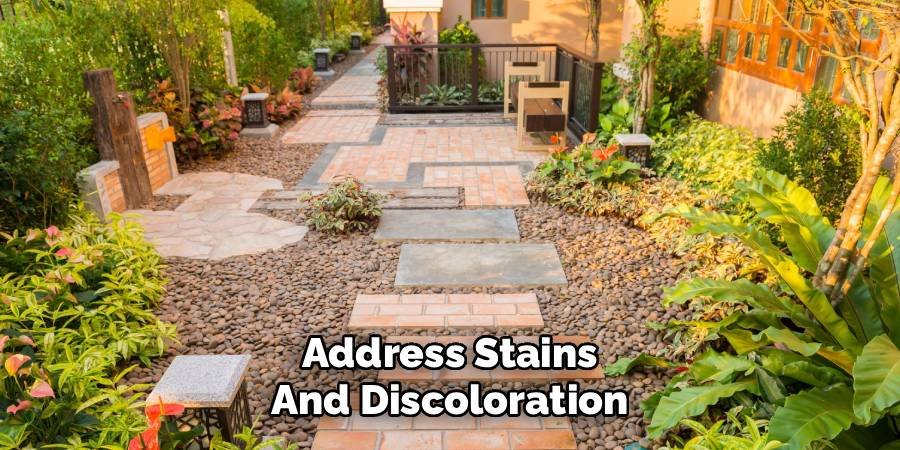
Over time, you might notice stains on your river rocks from things like decaying leaves, bird droppings, or minerals in your water. Most minor stains can be removed during your annual deep clean with a good rinse. For tougher stains, like rust spots, you may need a specialized stone cleaner. Always test any cleaning product on a small, inconspicuous area first to ensure it doesn’t discolor the rocks. Promptly addressing stains keeps your landscape looking fresh and clean.
Step 6: Replenish and Redistribute Rocks as Needed
River rocks can shift or sink into the soil over time, creating thin or bare spots in your landscape bed. Once a year, typically after your deep clean, take the time to redistribute the rocks evenly with a rake. Rake from the high spots to fill in the low ones, ensuring a consistent depth of about two to three inches across the entire area. You may find that you need to add new rocks every few years to maintain this depth and keep the landscape fabric fully covered.
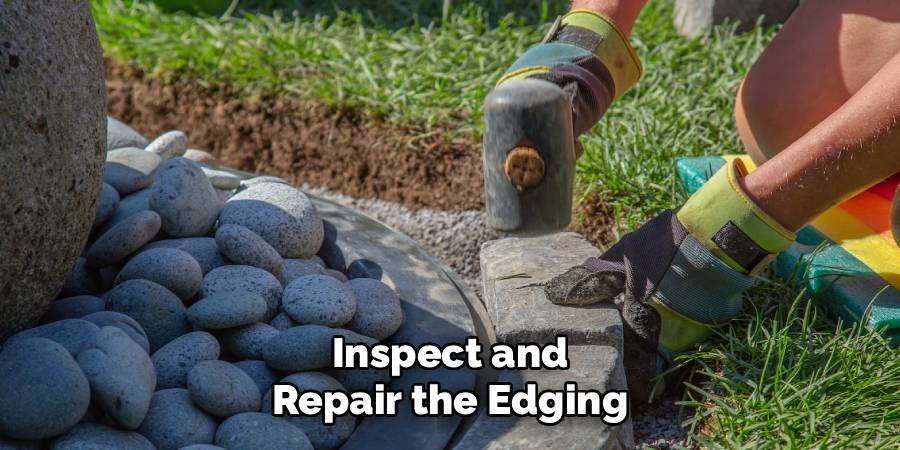
Step 7: Inspect and Repair the Edging
The edging that contains your river rock bed is essential for maintaining a tidy appearance. It prevents rocks from spilling onto your lawn or pathways and stops grass from creeping into the rock bed. Periodically walk the perimeter of your landscape to inspect the edging for damage, shifting, or decay. Repair or replace any broken sections immediately. Ensuring your edging is secure is a simple but vital part of your overall maintenance routine. Following these steps will help you master how to maintain river rock landscaping for a beautiful yard.
Frequently Asked Questions (FAQ)
How Often Should I Clean My River Rock Landscaping?
Routine cleaning should be done weekly or bi-weekly. This involves using a leaf blower to remove surface debris like leaves and twigs. A deep clean, where you wash the rocks, is best performed once or twice a year, usually in the spring and fall. The frequency really depends on your local climate and how much organic debris your yard accumulates.
What Is The Best Way To Keep Weeds Out Of River Rocks?
The most effective method is a combination of prevention and removal.
- Prevention: Apply a pre-emergent herbicide in early spring and again in the fall. This stops weed seeds from sprouting.
- Removal: Pull any weeds that appear by hand as soon as you spot them. This is easier when they are young and prevents them from spreading.
- Fabric: Ensure you have a high-quality landscape fabric installed underneath the rocks as a primary barrier.
Can I Use A Pressure Washer On My River Rocks?
Using a pressure washer is generally not recommended. The high-powered stream of water can tear the landscape fabric underneath the rocks, dislodge the stones aggressively, and spray dirt and debris everywhere. A garden hose with a strong spray nozzle provides enough pressure for effective cleaning without causing damage.
How Do I Prevent Rocks From Sinking Into The Soil?
The best way to prevent sinking is to ensure a proper installation from the start. This includes laying down a durable, high-quality landscape fabric over compacted and graded soil before adding the rocks. A rock depth of two to three inches is ideal. Over time, some settling is normal. You can address this by periodically raking the rocks and adding a new layer every few years.
What Should I Do About Moss Or Algae Growing On The Rocks?
Moss and algae thrive in damp, shady areas. To treat it, you can spray the affected rocks with a solution of equal parts water and white vinegar. Let the solution sit for about an hour, then scrub the rocks with a stiff brush and rinse thoroughly. Improving sunlight and air circulation in the area can also help prevent future growth.
Conclusion
Maintaining river rock landscaping doesn’t have to be a daunting task. By establishing a simple routine of clearing debris, managing weeds, and performing an annual deep clean, you can easily preserve the beauty and integrity of your rock beds. The key is consistency. A small amount of effort on a regular basis prevents small issues from becoming big problems, ensuring your landscape remains a stunning, low-effort feature of your home. Now that you understand how to maintain river rock landscaping, you are well-equipped to keep your yard looking its best for years to come.

About Ravuk Barg
B.Sc. Horticulture Science | Certified Master Gardener
Ravuk Barg has spent more than a decade with his hands in the soil and his head full of questions about why some gardens thrive while others struggle. What started as a single raised bed of tomatoes and basil in a modest backyard has grown into a deep, working knowledge of everything from seed germination and soil amendment to companion planting and seasonal pruning.
Over the years, Ravuk has gardened through drought summers, waterlogged springs, and pest invasions that would make most gardeners hang up their trowels for good. Those hard seasons, he’ll tell you, taught him more than any perfect growing year ever could. He writes from that earned experience—covering vegetable growing, ornamental planting, houseplant care, composting, and garden design with equal confidence and curiosity.
Philosophy & Approach
Ravuk’s approach to gardening is rooted in practicality. He favors organic methods not out of dogma, but because they work long-term—resulting in healthier soil, fewer inputs, and stronger plants. He has a particular fondness for heirloom vegetable varieties (the kind with proper flavor), unruly cottage-style flower beds, and the stubborn houseplants that everyone else gave up on.
The Mission: Give readers the honest, experience-backed advice that helps them actually succeed in their gardens—not just the ideal version, but the real one; weeds, failures, and all.
Education & Credentials
-
B.Sc. in Horticulture Science
-
Greenfield Agricultural University
-
Focus: Plant Physiology, Soil Ecology, and Sustainable Crop Production
-
-
Master Gardener Certification
-
Cooperative Extension Service
-
Focus: 200+ hours of hands-on practical training and community garden work
-
Continuing Education
-
Organic Pest Management
-
Native Plant Landscaping
-
Sustainable Crop Production