

Discovering wild strawberries in your lawn or garden can feel like a charming surprise at first. These hardy little plants, with their familiar three-leaf clusters and tiny white flowers, seem harmless. However, their aggressive, spreading nature can quickly turn them into a persistent nuisance, choking out your grass, flowers, and vegetables. If you’re tired of this invasive weed taking over your green spaces, you’ve come to the right place.
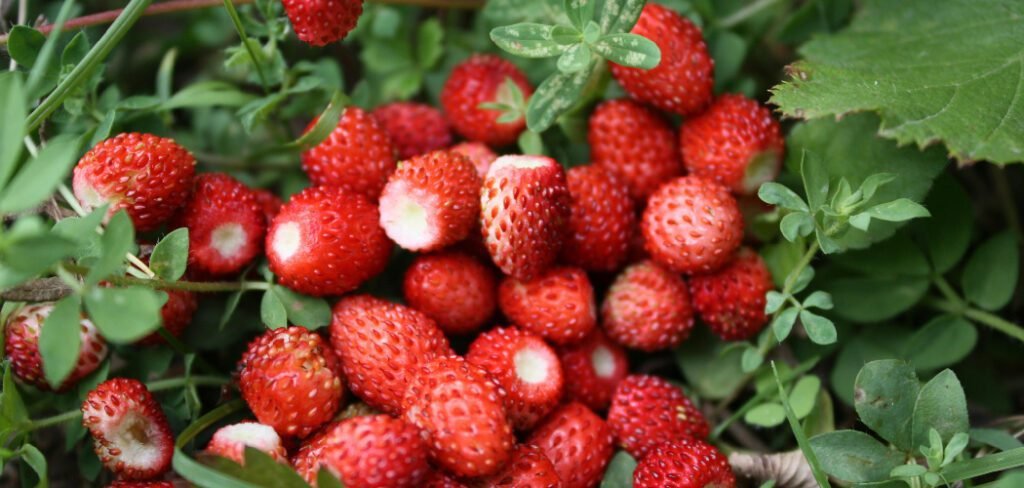
This guide will provide a comprehensive look at How to Kill Wild Strawberries for Good, giving you the knowledge and confidence to reclaim your yard effectively and restore its intended beauty.
Why Eradicating Wild Strawberries Matters
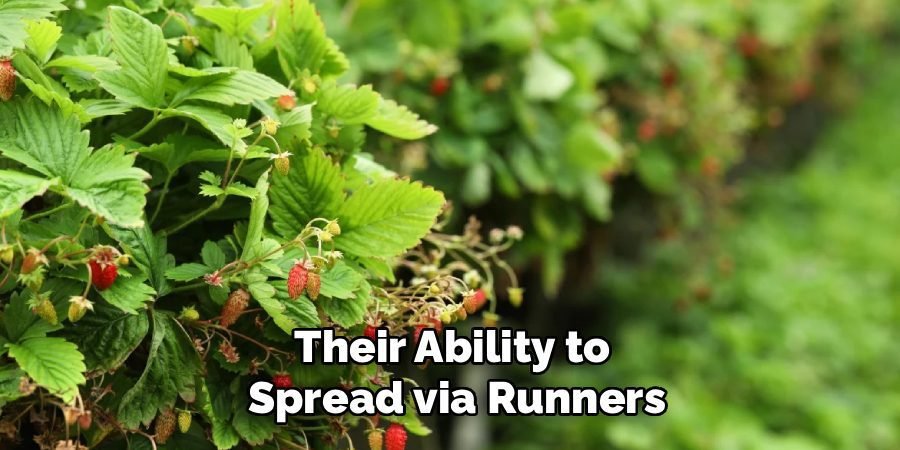
Wild strawberries (Fragaria vesca) and mock strawberries (Potentilla indica) are often mistaken for one another, but both are invasive weeds that can create dense mats of foliage across your lawn and garden beds. Their ability to spread through runners, known as stolons, allows them to establish new plants rapidly, making them incredibly difficult to control.
This aggressive growth suffocates desirable turfgrass and ornamental plants by competing for essential resources like sunlight, water, and nutrients. Allowing them to thrive can lead to a patchy, unhealthy lawn and a weakened garden, which is why taking proactive steps to remove them is crucial for maintaining a vibrant and well-kept landscape.
8 Step-by-Step Guide on How to Kill Wild Strawberries
Step 1: Positively Identify the Wild Strawberry Plants
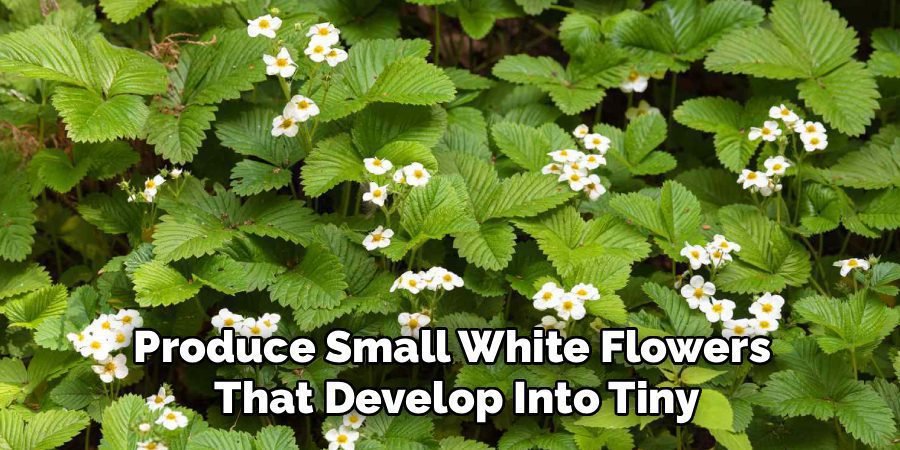
Before you begin any treatment, it’s essential to correctly identify the weed. Wild strawberries feature toothed, three-leaf clusters and produce small white flowers that develop into tiny, edible red berries. Mock strawberries look very similar but have yellow flowers and produce bland, upright-facing red fruits. Both spread aggressively via runners. Confirming you are dealing with one of these invasive plants ensures you select the appropriate removal method, as their growth habits are distinct from other common lawn weeds that might require different control strategies.
Step 2: Choose the Right Time for Removal
Timing is a critical factor for success. The best time to tackle wild strawberries is in the late spring or early fall when the plants are actively growing. During these periods, the weeds are busy transporting nutrients from their leaves down to their roots to store energy. Applying treatments at this time ensures that any systemic herbicide is carried throughout the entire plant, leading to a more effective kill. Attempting removal during summer dormancy or winter frost can be less effective, as the plant’s metabolic activity is significantly slower.
Step 3: Begin with Manual Removal for Small Patches
For smaller, more contained infestations, manual removal is an excellent first step. Start by thoroughly watering the affected area a day or two in advance to soften the soil. This makes it much easier to pull the plants and their entire root systems. Use a gardening fork or a specialized weeding tool to loosen the earth around the patch. Grasp the base of each plant and pull steadily, making sure to trace and remove the long runners (stolons) that connect it to neighboring plants. This method is labor-intensive but highly effective and eco-friendly.
Step 4: Smother the Weeds for a Chemical-Free Option
Smothering is a highly effective, non-chemical method for clearing larger areas. This technique works by blocking sunlight, which the plants need for photosynthesis. Cover the entire patch of wild strawberries with a light-blocking material like several layers of cardboard, a thick stack of newspapers, or a heavy-duty black plastic tarp. Extend the covering at least a foot beyond the edge of the patch to prevent runners from escaping. Secure the edges with rocks or garden staples and leave it in place for a full growing season to ensure all plants underneath have died.

Step 5: A Key Step in How to Kill Wild Strawberries with Vinegar
For those seeking a natural herbicide, horticultural vinegar (with 20% acetic acid) can be effective. This solution is a non-selective contact killer, meaning it will damage any plant it touches, so precision is key. Pour the vinegar into a spray bottle and apply it directly to the leaves of the wild strawberry plants on a sunny, windless day. The sun enhances the vinegar’s potency. Be careful to avoid spraying your grass or any desirable plants nearby. You may need to reapply this treatment several times to fully kill the roots.
Step 6: Use a Selective Broadleaf Herbicide for Lawns
When wild strawberries have invaded your lawn, a selective broadleaf herbicide is often the most practical solution. These products are specifically formulated to kill weeds like wild strawberry, clover, and dandelions without harming your grass. Look for herbicides containing active ingredients such as 2,4-D, MCPP, or dicamba. Always read and follow the manufacturer’s instructions carefully for proper mixing and application rates. Apply the herbicide evenly across the affected areas using a sprayer, ideally on a calm day to prevent drift onto your garden plants.
Step 7: How to Kill Wild Strawberries in Garden Beds
Tackling wild strawberries in garden beds requires a careful approach to protect your flowers and vegetables. If the beds are empty, you can use a non-selective herbicide containing glyphosate, which will kill the entire plant, roots and all. However, if desirable plants are present, you must shield them with cardboard while you spot-spray the weeds. Alternatively, you can “paint” the herbicide directly onto the wild strawberry leaves with a small brush for precise application, ensuring none of it touches your valued plants.
Step 8: Improve Your Lawn’s Health to Prevent Regrowth
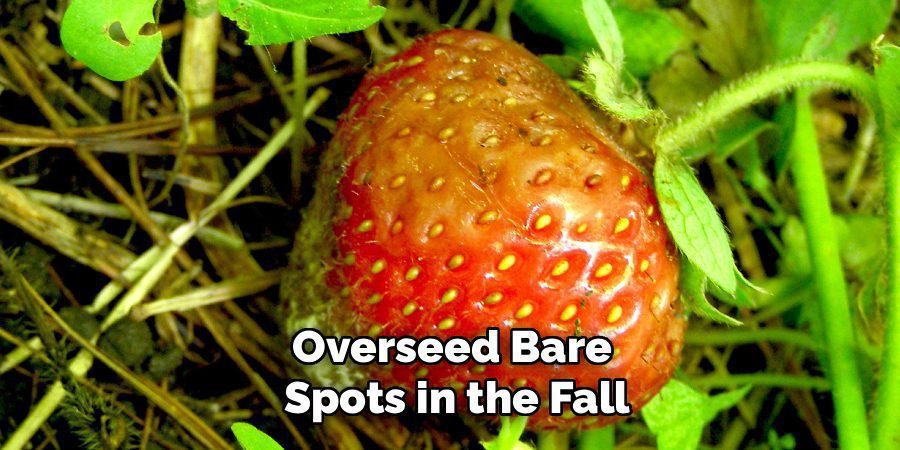
A thick, healthy lawn is the best defense against any weed. After you have successfully removed the wild strawberries, focus on improving your turf’s density and vigor. Overseed bare spots in the fall, aerate the lawn annually to reduce soil compaction, and ensure it receives adequate water. Fertilize according to your grass type’s needs to encourage strong growth. A dense lawn creates a competitive environment where it’s difficult for wild strawberry seeds or runners to establish themselves, preventing future infestations.
Monitor Your Lawn Regularly
Consistently monitoring your lawn is crucial for maintaining its health and preventing the return of wild strawberries or other invasive weeds. Inspect your yard periodically for any signs of weed growth or thinning grass. Addressing issues early allows for effective and timely solutions, whether it’s applying spot treatments, reseeding, or adjusting your lawn care routine. Regular observation ensures your efforts are sustained, keeping your lawn lush, healthy, and free from persistent weeds.
Frequently Asked Questions (FAQ)
Will Mowing Get Rid of Wild Strawberries?
Mowing alone will not eliminate wild strawberries. Because these plants have a low-growing habit, the mower blades often pass right over their leaves and runners. While mowing can prevent them from producing flowers and seeds, it does not address the root system or the sprawling stolons that create new plants. Consistent mowing might slightly weaken them over time, but it is not an effective method for eradication. To truly get rid of them, you need to either manually remove them or use a targeted treatment.
Is It Safe to Eat Wild Strawberries Found in My Yard?
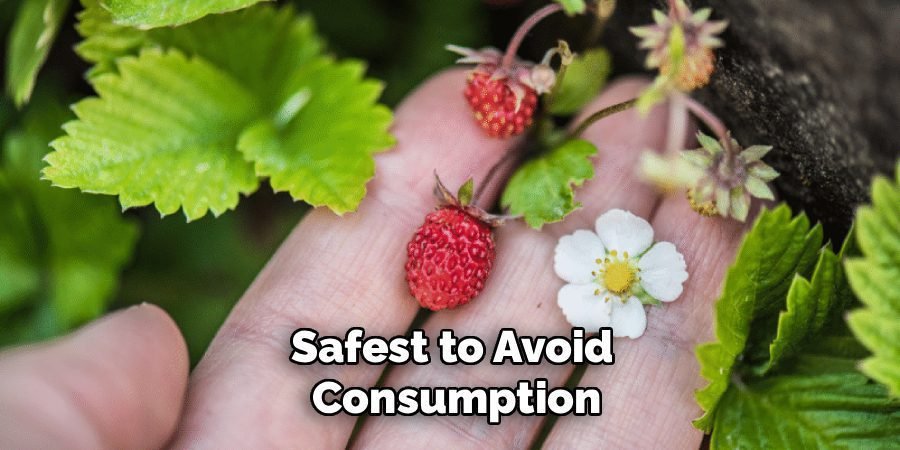
True wild strawberries (Fragaria vesca) are edible and often have a sweet, intense flavor. However, it is crucial to be 100% certain of your identification, as they are easily confused with mock strawberries (Potentilla indica), which are also non-toxic but have a bland, watery taste. More importantly, you should never eat any wild fruit from a lawn or area that has been treated with herbicides, pesticides, or chemical fertilizers. If you are unsure about the plant’s identity or the land’s treatment history, it is safest to avoid consumption.
How Do I Stop Wild Strawberries From Spreading?
To stop wild strawberries from spreading, you must disrupt their primary method of propagation: runners. Regularly inspect the edges of existing patches and immediately sever and remove any new runners you find reaching into your lawn or garden beds. Creating a physical barrier can also be effective. Installing landscape edging several inches deep around your garden beds can help block the shallow runners from creeping in from adjacent lawn areas. Maintaining a thick, healthy turf also makes it much harder for runners to take root.
Can I Use Boiling Water to Kill Wild Strawberries?
Yes, boiling water is a natural, non-selective method that can kill wild strawberries. Pouring boiling water directly onto the plants will scorch the leaves and kill the crown on contact. This method is most effective on young plants and small patches. Keep in mind that it will also kill any grass or other plants it touches, leaving a bare spot. For established patches with deep roots, you may need to repeat the application several times to fully eradicate them. Be extremely careful when handling and pouring boiling water to avoid burns.
Why Do Wild Strawberries Keep Coming Back?
Wild strawberries are notoriously persistent due to their resilient root systems and their ability to spread via runners. If even a small piece of the root or a single runner is left behind after manual removal, it can regrow into a new plant. Similarly, if you only kill the top growth with a contact treatment, the roots may survive to send up new shoots. Successful, long-term removal requires a thorough approach that eliminates the entire plant, followed by preventative measures like improving lawn health to make the environment less hospitable for their return.
Conclusion
Controlling an invasion of wild strawberries requires persistence, but it is a manageable task. By correctly identifying the plant, choosing the right time for removal, and applying a consistent strategy, you can successfully clear these weeds from your lawn and garden. Whether you opt for manual pulling, smothering, or the careful use of herbicides, the key is to be thorough. Following these steps on how to kill wild strawberries will not only solve your current problem but also empower you to maintain a healthier, weed-free landscape for years to come.

About Ravuk Barg
B.Sc. Horticulture Science | Certified Master Gardener
Ravuk Barg has spent more than a decade with his hands in the soil and his head full of questions about why some gardens thrive while others struggle. What started as a single raised bed of tomatoes and basil in a modest backyard has grown into a deep, working knowledge of everything from seed germination and soil amendment to companion planting and seasonal pruning.
Over the years, Ravuk has gardened through drought summers, waterlogged springs, and pest invasions that would make most gardeners hang up their trowels for good. Those hard seasons, he’ll tell you, taught him more than any perfect growing year ever could. He writes from that earned experience—covering vegetable growing, ornamental planting, houseplant care, composting, and garden design with equal confidence and curiosity.
Philosophy & Approach
Ravuk’s approach to gardening is rooted in practicality. He favors organic methods not out of dogma, but because they work long-term—resulting in healthier soil, fewer inputs, and stronger plants. He has a particular fondness for heirloom vegetable varieties (the kind with proper flavor), unruly cottage-style flower beds, and the stubborn houseplants that everyone else gave up on.
The Mission: Give readers the honest, experience-backed advice that helps them actually succeed in their gardens—not just the ideal version, but the real one; weeds, failures, and all.
Education & Credentials
-
B.Sc. in Horticulture Science
-
Greenfield Agricultural University
-
Focus: Plant Physiology, Soil Ecology, and Sustainable Crop Production
-
-
Master Gardener Certification
-
Cooperative Extension Service
-
Focus: 200+ hours of hands-on practical training and community garden work
-
Continuing Education
-
Organic Pest Management
-
Native Plant Landscaping
-
Sustainable Crop Production