

Composting is a fantastic way to reduce household waste and create nutrient-rich soil for your garden. However, this eco-friendly practice can sometimes attract unwelcome guests, most notably fruit flies. These tiny pests can quickly turn your compost bin into a buzzing nuisance, making the process feel more like a chore than a reward. If you’re wondering how to keep fruit flies out of compost, you’ve come to the right place. This guide will walk you through simple, effective strategies to manage these pests and maintain a healthy, odor-free compost system, allowing you to focus on the benefits of creating black gold for your plants.
Why a Fruit Fly-Free Compost Bin Matters
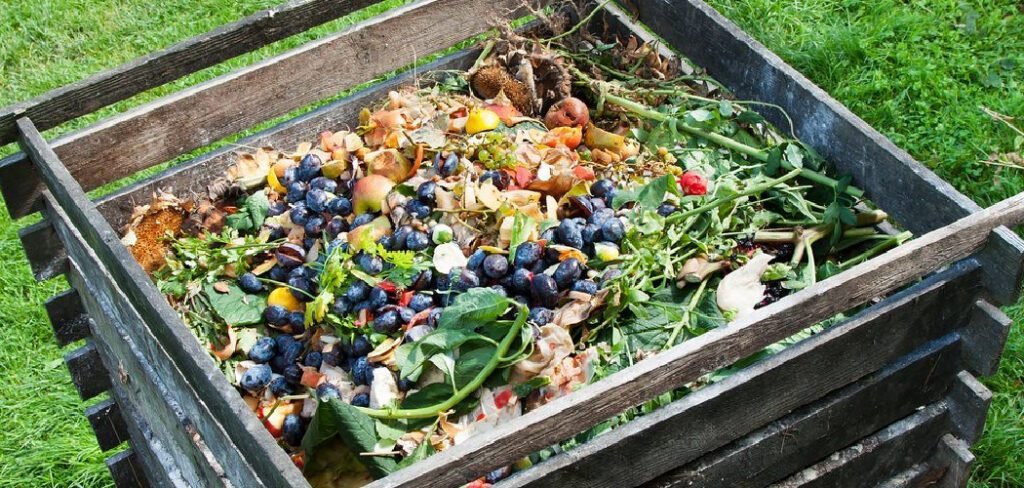
A healthy compost pile relies on a delicate balance of microorganisms, moisture, and organic materials. When fruit flies take over, it’s often a sign that this balance is off. An infestation can indicate that your pile is too wet or has an excess of exposed food scraps, which can lead to foul odors and slow down the decomposition process. By learning to manage fruit flies, you’re not just getting rid of a pest; you’re also learning to be a better composter. A well-managed, pest-free bin is more efficient, less smelly, and far more pleasant to have in your yard or home.
9 Step-by-Step Guide on How to Keep Fruit Flies Out of Compost
Step 1: Choose the Right Compost Bin
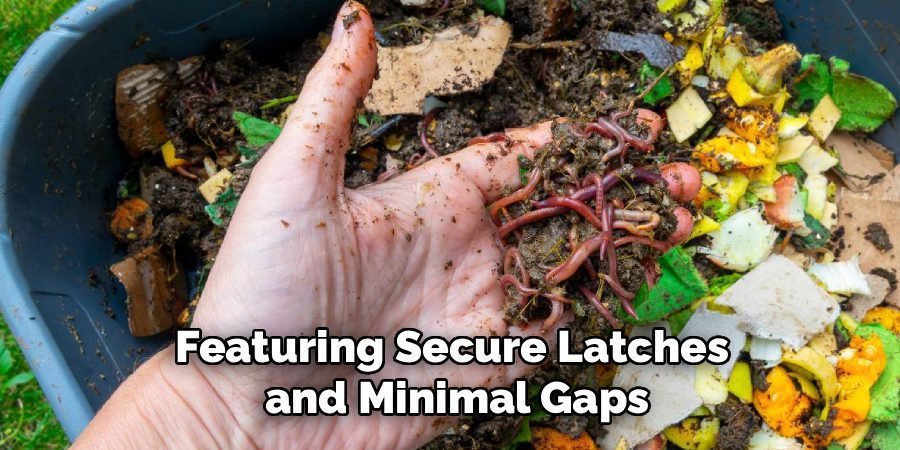
Your first line of defense is the container itself. Opt for a compost bin with a tight-fitting lid, as this creates a physical barrier that prevents fruit flies from accessing the contents. Many commercially available tumblers and bins are designed with pest prevention in mind, featuring secure latches and minimal gaps. If you’re building your own system, ensure the lid sits flush with the container’s edges. A well-sealed bin not only keeps flies out but also helps retain the heat and moisture necessary for efficient decomposition, creating a win-win situation for your compost pile.
Step 2: Bury Your Food Scraps Deep
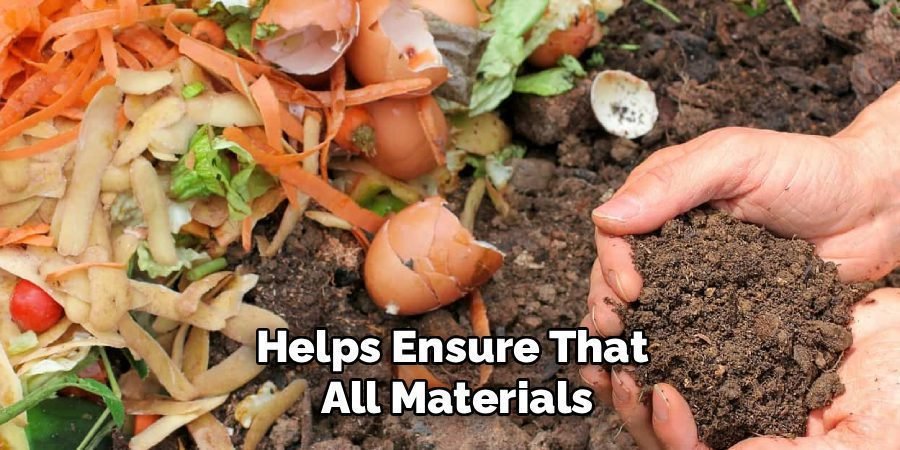
Fruit flies are attracted to the sugars in fresh fruit and vegetable scraps. Simply tossing your kitchen waste on top of the pile is an open invitation for them to lay their eggs. To avoid this, always bury new additions deep within the center of your compost. Use a garden fork or a small shovel to dig a hole at least 6-8 inches deep, deposit your scraps, and then thoroughly cover them with the surrounding compost material. This simple action hides the enticing smells from pests and allows the microbes in the hotter core of the pile to start breaking down the food quickly.
Step 3: Maintain a Proper Carbon-to-Nitrogen Ratio
A balanced compost pile is a healthy compost pile, and that balance comes from managing your “greens” and “browns.” Fruit flies thrive in overly wet conditions often caused by too many nitrogen-rich “greens” like kitchen scraps. To counteract this, add a generous layer of carbon-rich “browns” every time you add food waste. Good browns include dried leaves, shredded cardboard, newspaper, and wood chips. Aim for a ratio of roughly three parts browns to one part greens. This practice helps absorb excess moisture, control odors, and create a less attractive environment for pests.
Step 4: Add a Thick Layer of Brown Material on Top
In addition to mixing browns into your pile, always maintain a thick top layer of carbon-rich materials. After burying your food scraps, finish by covering the entire surface of your compost with a 2-4 inch layer of dried leaves, straw, or shredded paper. This top dressing acts as a dry barrier, or a “biofilter,” that effectively smothers any odors rising from the decomposing greens below. It also creates a dry, unappealing surface for fruit flies looking for a moist place to lay their eggs, making your pile a much less hospitable home for them.
Step 5: How to Keep Fruit Flies Out of Compost by Managing Moisture
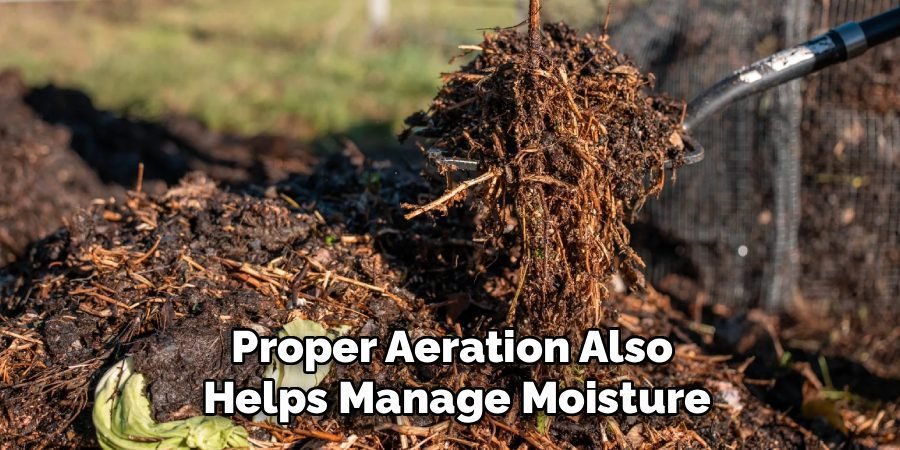
Fruit flies need moisture to reproduce, so a soggy compost pile is a paradise for them. Your compost should feel like a wrung-out sponge—moist but not dripping wet. If your pile is too wet, mix in more dry, brown materials like shredded cardboard or sawdust to absorb the excess liquid. If you’re using an enclosed bin, ensure it has adequate drainage holes at the bottom. Proper aeration also helps manage moisture; turning your pile regularly with a pitchfork introduces air, which helps excess water evaporate and prevents anaerobic, smelly conditions from developing.
Step 6: Avoid Adding Problematic Foods
While most kitchen scraps are great for compost, some items are more likely to cause problems and attract pests, including fruit flies. Avoid adding meat, dairy products, oily foods, and greasy items to your home compost bin. These materials break down slowly, can create rancid odors, and are highly attractive to flies, rodents, and other unwanted visitors. Sticking to plant-based waste like fruit and vegetable peels, coffee grounds, and eggshells will make your compost pile much easier to manage and far less appealing to pests.
Step 7: Aerate Your Compost Pile Regularly
Turning your compost pile every week or two is crucial for several reasons, including pest prevention. Aeration distributes moisture and heat evenly, which speeds up decomposition and discourages fruit flies from settling in. A hot, active pile is less hospitable to fly larvae. Use a pitchfork or a specialized compost aerator to mix the materials, ensuring the outer layers get moved into the hot center and the core materials are brought to the surface. This process disrupts any potential breeding cycles and helps maintain a healthy, aerobic environment where beneficial microbes thrive.
Step 8: Use Natural Repellents as a Precaution
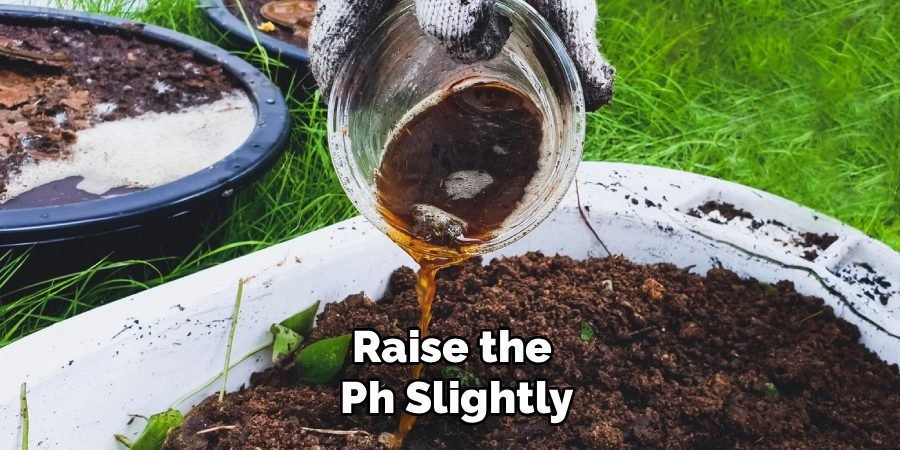
If you’re still noticing a few fruit flies, you can employ natural deterrents. Sprinkling a layer of diatomaceous earth over the top of your compost can help. This fine powder, made from fossilized aquatic organisms, is harmless to the composting process but is sharp at a microscopic level, dehydrating and killing adult flies and larvae that come into contact with it. Another option is to add garden lime, which can help neutralize odors and raise the pH slightly, making the environment less acidic and less attractive to fruit flies.
Step 9: How to Keep Fruit Flies Out of Compost Bins Indoors
If you use a small bin or pail to collect kitchen scraps indoors before taking them out, it can become a primary source of fruit flies in your home. To prevent this, choose a container with a tight-fitting lid, preferably one with a carbon filter to absorb odors. Empty the pail frequently, at least every other day, to avoid giving flies time to breed. Rinsing the container thoroughly after each use also removes any residue that could attract them. Keeping your indoor collection bin clean is just as important as managing your outdoor pile.
Frequently Asked Questions (FAQ)
Why Are There So Many Fruit Flies in My Compost?
A large number of fruit flies typically signals an imbalance in your compost pile. The most common cause is an excess of exposed, moist, nitrogen-rich materials (your “greens”), like fruit and vegetable scraps. Fruit flies are drawn to the fermenting sugars in this waste as a food source and a place to lay their eggs. Your pile might also be too wet, creating the perfect damp environment for them to breed. Covering food scraps and balancing with dry “browns” will make your compost less attractive to them.
Will a Hot Compost Pile Kill Fruit Flies?
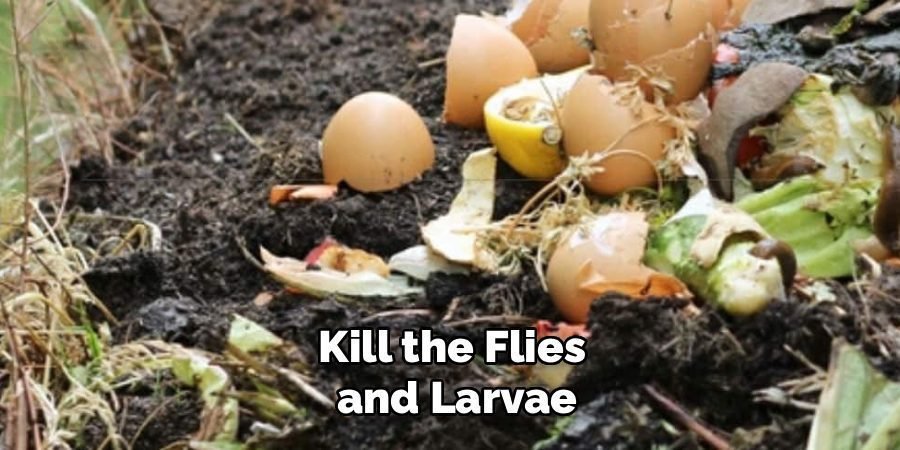
Yes, a properly managed hot compost pile is very effective at killing fruit flies and their larvae. The core of an active compost pile can reach temperatures of 130–160°F (55–70°C), which is far too hot for flies and their eggs to survive. Regularly turning your pile helps ensure that all materials, including any infested scraps, are rotated through this hot center. This heat not only sanitizes the compost and kills pests but also accelerates the decomposition process, quickly breaking down the food sources that attract flies in the first place.
Can I Add Citrus Peels to My Compost?
Absolutely. Citrus peels, like oranges, lemons, and grapefruits, are a great addition to your compost pile. They are a source of nitrogen and other valuable nutrients. While some believe the acidity harms worms, the peels break down and neutralize over time without issue in a typical backyard pile. In fact, the strong scent of citrus can help mask the sweeter smells of other decomposing fruits, potentially making your pile less attractive to pests like fruit flies. Just be sure to chop them up and bury them as you would any other food scrap.
Are Fruit Flies Bad for My Compost?
While a massive infestation is a sign of an imbalanced pile, a small number of fruit flies are not necessarily harmful to the composting process itself. They are, after all, just another organism helping to break down organic matter. However, they are a nuisance pest and their presence indicates that conditions are less than ideal. A large population suggests the pile is too wet or has too much exposed food, which can lead to bad odors and slower, anaerobic decomposition. Therefore, it’s best to view them as a signal to adjust your management practices.
How Do I Get Rid of an Existing Fruit Fly Infestation in My Bin?
To tackle an existing infestation, start by thoroughly turning the pile to bury all exposed food scraps and disrupt breeding sites. Next, add a thick layer (4-6 inches) of dry, brown materials like shredded cardboard, dried leaves, or sawdust on top. This will absorb excess moisture and smother the flies. You can also sprinkle food-grade diatomaceous earth over the surface to dehydrate and kill the flies and larvae. For immediate results, you can set a simple DIY fruit fly trap next to the bin using a jar with apple cider vinegar and a drop of dish soap.
Conclusion
Creating a successful compost pile free of pests is an achievable goal for any gardener. The key is to be proactive and consistent. By ensuring your bin is properly sealed, burying food scraps, and maintaining a healthy balance of green and brown materials, you create an environment that is perfect for decomposition but unpleasant for fruit flies. Regularly turning your pile and managing moisture levels will further safeguard your efforts. Now that you know how to keep fruit flies out of compost, you can confidently turn your kitchen and yard waste into a valuable resource for your garden.

About Ravuk Barg
B.Sc. Horticulture Science | Certified Master Gardener
Ravuk Barg has spent more than a decade with his hands in the soil and his head full of questions about why some gardens thrive while others struggle. What started as a single raised bed of tomatoes and basil in a modest backyard has grown into a deep, working knowledge of everything from seed germination and soil amendment to companion planting and seasonal pruning.
Over the years, Ravuk has gardened through drought summers, waterlogged springs, and pest invasions that would make most gardeners hang up their trowels for good. Those hard seasons, he’ll tell you, taught him more than any perfect growing year ever could. He writes from that earned experience—covering vegetable growing, ornamental planting, houseplant care, composting, and garden design with equal confidence and curiosity.
Philosophy & Approach
Ravuk’s approach to gardening is rooted in practicality. He favors organic methods not out of dogma, but because they work long-term—resulting in healthier soil, fewer inputs, and stronger plants. He has a particular fondness for heirloom vegetable varieties (the kind with proper flavor), unruly cottage-style flower beds, and the stubborn houseplants that everyone else gave up on.
The Mission: Give readers the honest, experience-backed advice that helps them actually succeed in their gardens—not just the ideal version, but the real one; weeds, failures, and all.
Education & Credentials
-
B.Sc. in Horticulture Science
-
Greenfield Agricultural University
-
Focus: Plant Physiology, Soil Ecology, and Sustainable Crop Production
-
-
Master Gardener Certification
-
Cooperative Extension Service
-
Focus: 200+ hours of hands-on practical training and community garden work
-
Continuing Education
-
Organic Pest Management
-
Native Plant Landscaping
-
Sustainable Crop Production