

Raised garden beds offer a fantastic way to cultivate beautiful flowers, fresh herbs, and delicious vegetables right in your backyard. They provide better drainage, prevent soil compaction, and make gardening more accessible. However, these neatly contained plots can also look like a giant, irresistible sandbox to our curious canine companions. A dog’s digging, trampling, and unwanted “contributions” can quickly undo all your hard work.
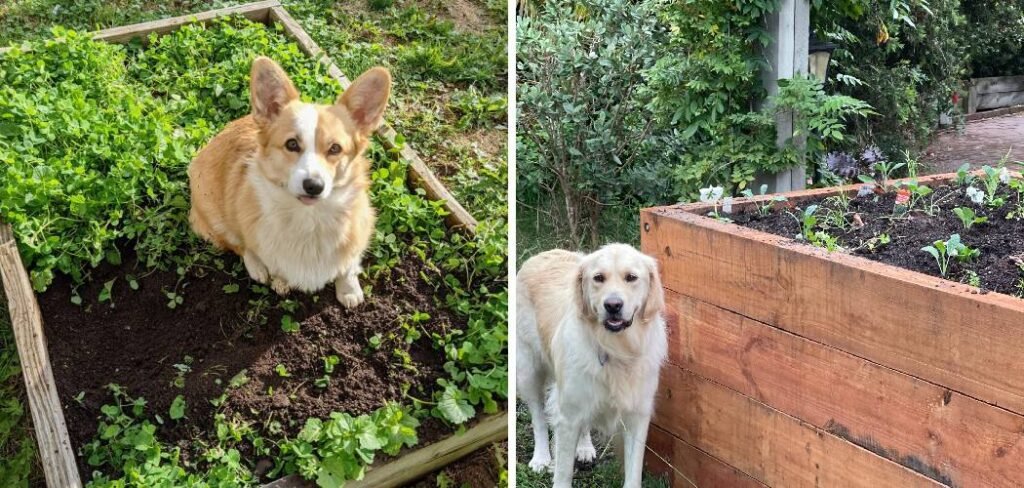
If you’re wondering how to keep dogs out of raised garden beds without resorting to harsh methods, you’ve come to the right place. This guide provides simple, effective, and humane strategies to protect your precious plants and maintain a peaceful coexistence between your garden and your four-legged friends. We will walk you through various solutions, from physical barriers to gentle deterrents, ensuring your garden thrives.
Why You Need to Protect Your Garden from Your Dog
Protecting your garden isn’t just about saving your plants; it’s also about ensuring your dog’s safety. Many common garden plants, such as tomatoes, onions, and certain flowers like lilies and tulips, are toxic to dogs if ingested. Fertilizers, pesticides, and even some types of mulch can also pose a significant health risk. Furthermore, allowing a dog to dig in the garden beds reinforces a behavior that can be difficult to un-train. By creating clear boundaries, you teach your pet which areas are for playing and which are off-limits. This separation helps prevent accidental poisoning, protects your harvest from being trampled or contaminated, and maintains the beautiful, productive garden you envisioned.
7 Step-by-Step Guide on How to Keep Dogs Out of Raised Garden Beds
Step 1: Install a Fence or Barrier
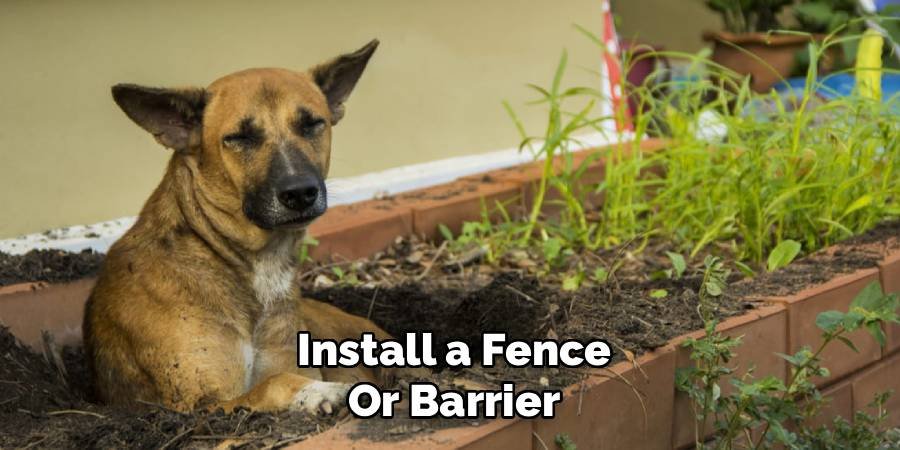
The most reliable way to secure your garden is by installing a physical barrier. A fence acts as a clear visual and physical boundary that your dog cannot easily cross. The height of the fence should be appropriate for your dog’s size and jumping ability. For smaller breeds, a simple 2-foot decorative border might suffice. For larger, more athletic dogs, you may need a fence that is at least 3-4 feet tall. You can use materials like wire mesh, wood, or pre-made garden fencing panels. Ensure there are no gaps at the bottom where a determined dog could dig underneath.
Step 2: Use Plant-Safe Scent Deterrents
Dogs have an incredibly powerful sense of smell, which you can use to your advantage. Certain scents are unpleasant to canines but harmless to your plants and your family. Citrus peels, like those from oranges, lemons, and grapefruits, can be scattered around the perimeter of your garden beds. The strong smell is often enough to make a dog think twice before entering. Similarly, a light dusting of cayenne pepper or coffee grounds around the edges can be effective. Remember to reapply these natural deterrents after it rains or after watering your garden, as their potency will diminish over time.
Step 3: Create a Dedicated Digging Zone
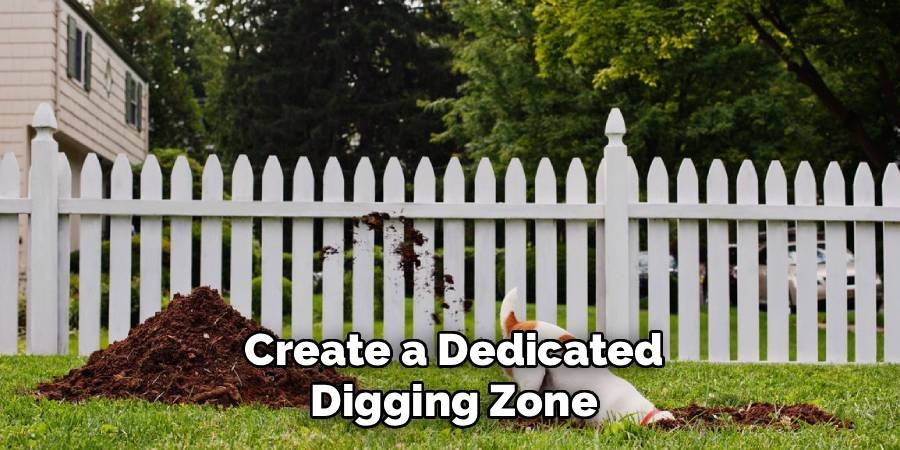
Sometimes, a dog’s desire to dig is instinctual and needs an appropriate outlet. Instead of trying to eliminate the behavior entirely, redirect it to a designated area. You can create a “digging box” in another part of your yard using a simple wooden frame or a child’s sandbox. Fill it with sand or loose soil and encourage your dog to dig there by burying some of their favorite toys. Whenever you see them heading for the garden, gently redirect them to their special spot and praise them enthusiastically when they use it. This provides them with the enrichment they crave without sacrificing your vegetables.
Step 4: Add Uncomfortable Textures to the Surface
Dogs prefer soft, comfortable surfaces for digging and lounging. You can make your raised garden beds less appealing by adding textures that are uncomfortable for their paws. Placing pinecones, prickly holly clippings, or specialty plastic mats with blunt spikes (often sold as “scat mats”) on the soil surface can be an effective deterrent. Another option is to use chunky wood mulch or large, smooth river rocks around your plants. These materials make it difficult and unpleasant for a dog to walk or dig in the bed, encouraging them to find a more comfortable spot elsewhere in the yard.
Step 5: Incorporate Strategic Planting
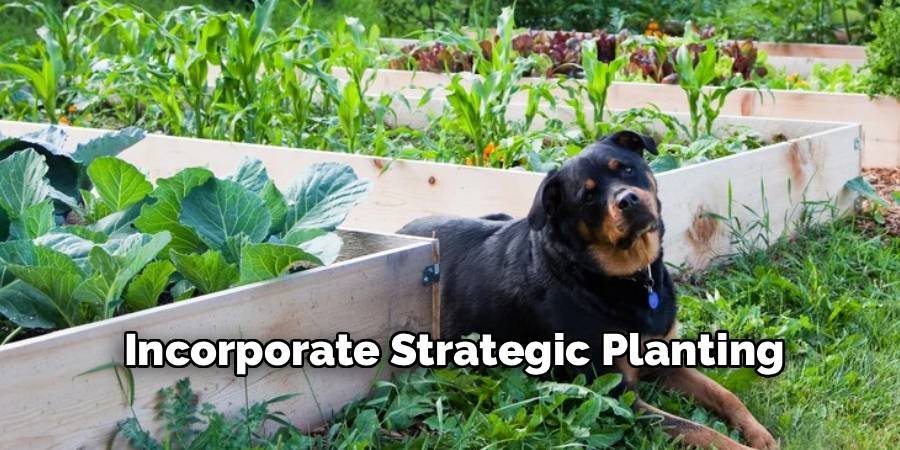
You can design your garden layout to be less inviting to dogs. Planting dense, thorny, or bushy plants like roses, barberry, or juniper around the edges of your raised beds can create a natural, living fence. These plants act as a deterrent because they are physically uncomfortable for a dog to push through. Taller, sturdy plants placed in the middle of the bed can also make it harder for a dog to find a clear spot to land if they try to jump in. This method combines functionality with aesthetics, adding more layers and interest to your garden while protecting it.
Step 6: How to Keep Dogs Out of Raised Garden Beds with Motion-Activated Sprinklers
For a more high-tech solution, consider installing motion-activated sprinklers. These devices detect movement and release a brief, surprising burst of water. The sudden spray is harmless but startling enough to deter most dogs from returning to that area. Position the sprinkler so its sensor covers the approach to your raised garden beds. This method is highly effective because the correction is immediate and comes from the environment, not from you. Over time, your dog will learn to associate the garden with an unpleasant surprise and will steer clear of the area altogether.
Step 7: Reinforce Boundaries with Consistent Training
Training is a crucial component of any long-term solution. Use positive reinforcement to teach your dog the boundaries of the garden. Start by walking your dog on a leash around the yard and using a firm command like “leave it” or “out” whenever they show interest in the garden beds. When they obey and move away, reward them with praise and a treat. Consistency is key. Everyone in the household should use the same commands and rules. With patience and repetition, your dog will learn that the garden is an off-limits zone, making your other deterrents even more effective.
Frequently Asked Questions (FAQ)
What Smells Will Keep Dogs Away From My Garden?
Dogs dislike strong, pungent smells that overwhelm their sensitive noses. Some of the most effective and plant-safe scent deterrents include:
- Citrus: Orange, lemon, or grapefruit peels.
- Spices: Cayenne pepper, mustard powder, or black pepper.
- Vinegar: A solution of white vinegar and water sprayed around the perimeter.
- Essential Oils: Peppermint, eucalyptus, or citronella oil on cotton balls placed in the garden.
Be sure to reapply these scents regularly, especially after rain, to maintain their effectiveness.
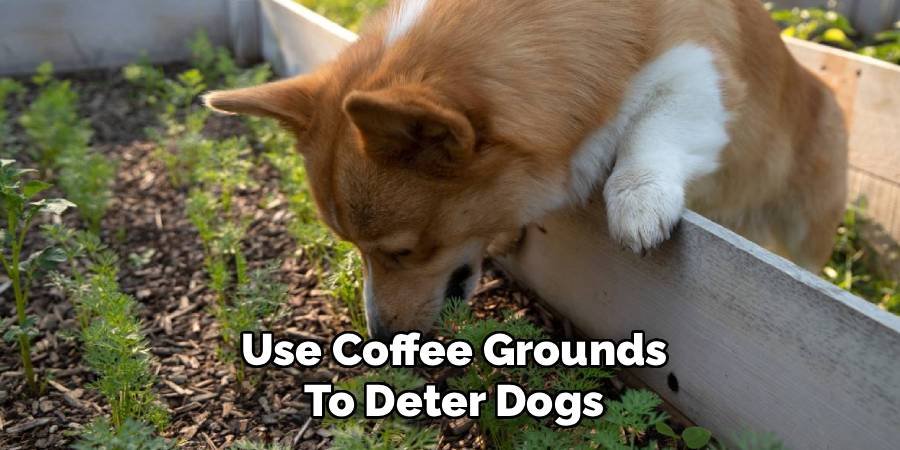
Is It Safe To Use Coffee Grounds To Deter Dogs?
Yes, using coffee grounds is generally a safe and effective way to deter dogs. Most dogs find the strong smell of coffee unpleasant and will avoid areas where it is present. Additionally, coffee grounds can be beneficial for your garden soil, as they add nitrogen and can improve soil structure. Simply sprinkle used coffee grounds lightly on the soil surface around your plants. However, be aware that large amounts of caffeine can be toxic to dogs if ingested, so use them in moderation and monitor your pet.
Will A Small Fence Be Enough To Keep My Dog Out?
The effectiveness of a small fence depends entirely on the size, temperament, and athleticism of your dog. For a small, calm dog like a Shih Tzu or a Basset Hound, a simple 2-foot decorative border fence might be perfectly adequate. However, for a larger or more energetic dog like a Labrador Retriever or a Border Collie that can easily jump, a small fence will offer little resistance. You must assess your own dog’s abilities and choose a fence height that they cannot easily clear or knock over.
Are There Any Plants That Naturally Repel Dogs?
Yes, some plants have textures or smells that dogs naturally avoid. Planting these around the border of your raised garden beds can create a living deterrent. Good options include thorny plants like roses or barberry, which are physically uncomfortable to push through. Plants with strong scents, such as lavender, rosemary, and sage, can also be effective. The “scaredy cat” plant (Coleus canina) is specifically known for emitting an odor that many cats and dogs find unpleasant, making it an excellent defensive border plant.
How Can I Stop My Dog From Urinating In My Garden?
To stop a dog from urinating in your garden, you need to make the area undesirable and provide an alternative. First, thoroughly clean the affected area with an enzymatic cleaner to eliminate the scent, as dogs are likely to return to a spot they have marked before. Then, use scent deterrents like citrus or vinegar. Simultaneously, establish a designated “potty spot” elsewhere in your yard. Lead your dog to this spot on a leash every time you go outside and reward them with praise and treats when they use it. Consistency is vital for success.
Conclusion
Gardening and dog ownership can be two of life’s great joys, and they don’t have to be mutually exclusive. By implementing a combination of the strategies discussed, you can successfully create a yard where both your plants and your pet can flourish. From building physical barriers and using scent deterrents to providing consistent training and alternative digging spots, there are many humane and effective options available. Protecting your garden is not just about aesthetics; it’s about keeping your dog safe from potentially toxic plants and materials. Now that you know how to keep dogs out of raised garden beds, you can confidently take action and enjoy a beautiful, productive, and peaceful outdoor space.

About Ravuk Barg
B.Sc. Horticulture Science | Certified Master Gardener
Ravuk Barg has spent more than a decade with his hands in the soil and his head full of questions about why some gardens thrive while others struggle. What started as a single raised bed of tomatoes and basil in a modest backyard has grown into a deep, working knowledge of everything from seed germination and soil amendment to companion planting and seasonal pruning.
Over the years, Ravuk has gardened through drought summers, waterlogged springs, and pest invasions that would make most gardeners hang up their trowels for good. Those hard seasons, he’ll tell you, taught him more than any perfect growing year ever could. He writes from that earned experience—covering vegetable growing, ornamental planting, houseplant care, composting, and garden design with equal confidence and curiosity.
Philosophy & Approach
Ravuk’s approach to gardening is rooted in practicality. He favors organic methods not out of dogma, but because they work long-term—resulting in healthier soil, fewer inputs, and stronger plants. He has a particular fondness for heirloom vegetable varieties (the kind with proper flavor), unruly cottage-style flower beds, and the stubborn houseplants that everyone else gave up on.
The Mission: Give readers the honest, experience-backed advice that helps them actually succeed in their gardens—not just the ideal version, but the real one; weeds, failures, and all.
Education & Credentials
-
B.Sc. in Horticulture Science
-
Greenfield Agricultural University
-
Focus: Plant Physiology, Soil Ecology, and Sustainable Crop Production
-
-
Master Gardener Certification
-
Cooperative Extension Service
-
Focus: 200+ hours of hands-on practical training and community garden work
-
Continuing Education
-
Organic Pest Management
-
Native Plant Landscaping
-
Sustainable Crop Production