

There’s nothing quite like the joy of harvesting your own juicy, sun-ripened strawberries. You’ve nurtured them from seedlings, watered them diligently, and watched them grow. But just as you’re ready to enjoy the fruits of your labor, you discover tiny bite marks and missing berries. The culprits? Often, they are cute but destructive chipmunks. These nimble foragers can quickly devastate a strawberry patch, leaving you with little to show for your hard work.
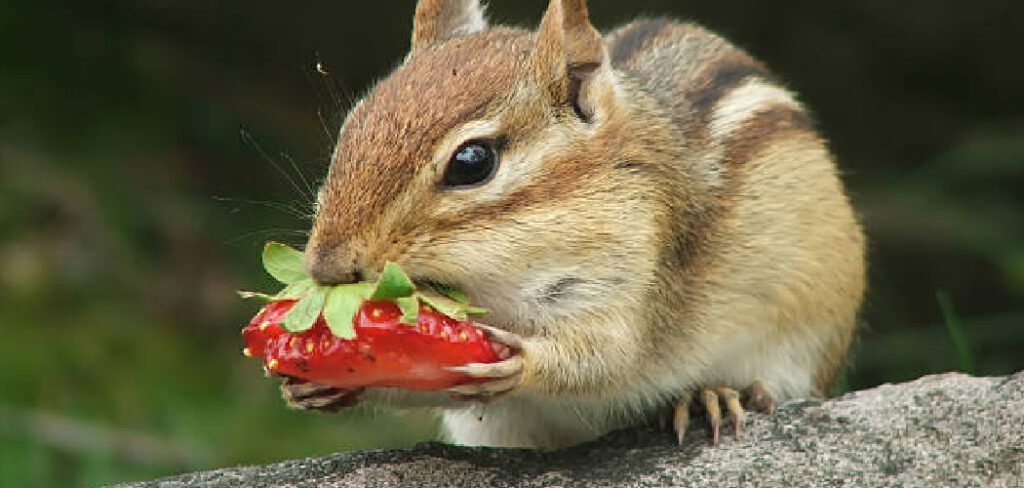
Fortunately, protecting your precious harvest is entirely possible. This guide will walk you through effective strategies on how to keep chipmunks out of strawberries, ensuring your crop ends up on your table, not in their cheeks.
Why Chipmunks Are Attracted to Strawberries
Chipmunks are naturally drawn to strawberry patches for several reasons, making them a persistent challenge for gardeners. First and foremost, strawberries offer a convenient and delicious food source. The bright red color signals ripeness, and the sweet, sugary flesh provides a quick energy boost. Chipmunks are omnivores with a diet that includes fruits, nuts, seeds, and insects. Your garden is an all-you-can-eat buffet, and strawberries are a top menu item.
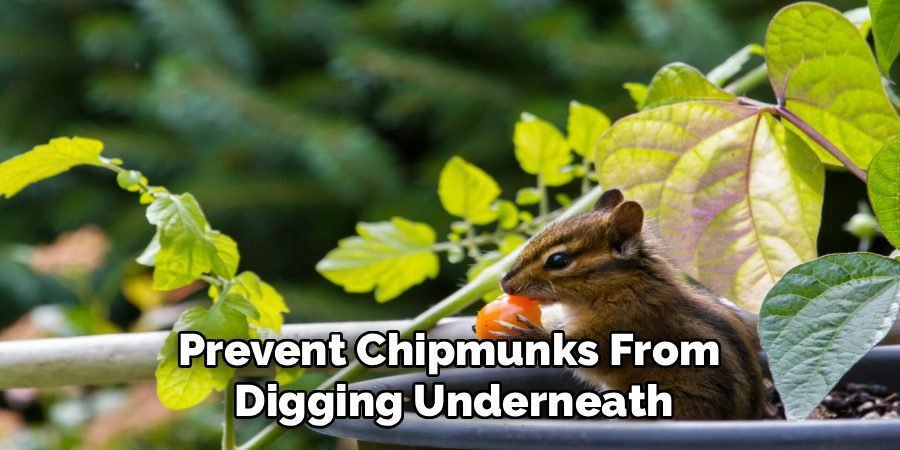
Additionally, the low-growing nature of strawberry plants provides excellent cover for these small, timid creatures. They can easily dart in and out of the foliage, hidden from predators like hawks, cats, or even you. The soft, cultivated soil of a garden bed is also ideal for their burrowing habits. A chipmunk might not only eat your berries but also decide to build a tunnel system right under your patch, causing further damage to the plant roots. Understanding these attractions is the first step in creating an effective deterrent plan.
8 Step-by-Step Guide on How to Keep Chipmunks Out of Strawberries
Step 1: Install Physical Barriers Like Fencing
The most reliable way to protect your strawberries is to create a physical barrier. A fence made of hardware cloth or chicken wire with small openings (a half-inch or less) is highly effective. To prevent chipmunks from digging underneath, the fence should be buried at least six inches deep into the soil. For added protection, bend the bottom of the fence into an L-shape facing outward before burying it. This design will stop any determined burrowers in their tracks. The fence should be at least 30 inches tall to prevent them from climbing over.
Step 2: Use Netting to Cover Your Plants
Draping bird netting over your strawberry patch is another excellent physical deterrent. To be effective, the netting must be suspended above the plants, not laid directly on them. Use stakes or a frame to create a tent-like structure over the berries. This prevents chipmunks from simply pressing down on the net to reach the fruit. Ensure the netting is pulled taut and secured firmly to the ground with garden staples or rocks. Check regularly for any gaps or holes where a chipmunk could sneak through.
Step 3: Introduce Natural Repellents
Chipmunks have a sensitive sense of smell, which you can use to your advantage. Certain scents are unpleasant to them and can make your garden less inviting. Try sprinkling cayenne pepper, garlic powder, or cinnamon around the perimeter of your strawberry patch. You can also create a spray by mixing a few drops of peppermint oil or hot pepper sauce with water and a bit of dish soap. Apply this mixture to the leaves of the strawberry plants, reapplying after rain or heavy watering to maintain its potency.
Step 4: Keep the Area Clean and Tidy
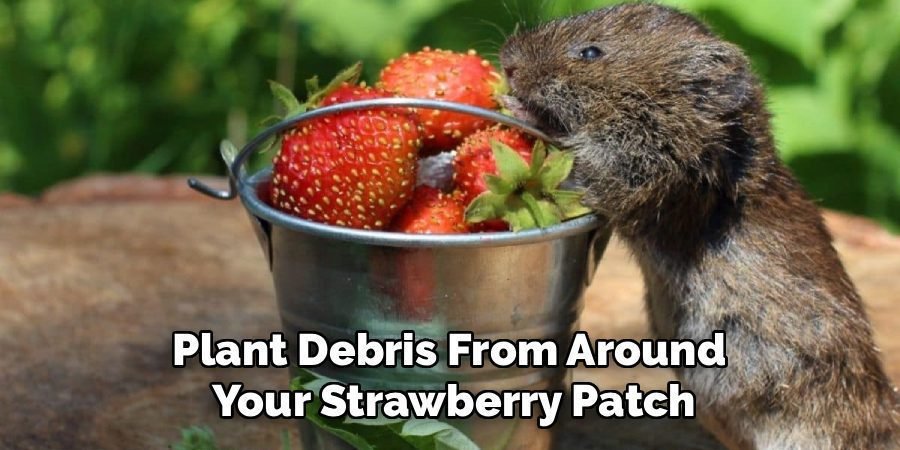
A messy garden is a welcome mat for pests. Remove any fallen berries, weeds, and plant debris from around your strawberry patch. Chipmunks are attracted to easy food sources and hiding spots. A clean, open area makes them feel more exposed and vulnerable to predators, discouraging them from lingering. Similarly, move woodpiles, rock piles, and other potential hiding spots further away from your garden. This simple housekeeping is a key part of your strategy for how to keep chipmunks out of strawberries.
Step 5: Attract Natural Predators
Encouraging natural predators can help manage the chipmunk population in your yard. Installing an owl box can attract these nocturnal hunters, who are excellent at controlling rodent populations. While you can’t control where hawks choose to hunt, you can make your yard more inviting by leaving tall trees for them to perch on. Even the presence of a dog or cat in the yard can be enough to scare chipmunks away from your prized berries. A balanced ecosystem is a gardener’s best friend.
Step 6: Set Up Humane Traps
If you are dealing with a particularly persistent chipmunk or a large population, humane trapping may be a necessary step. Live traps are designed to capture the animal without harming it. Bait the trap with something chipmunks love, like peanut butter or sunflower seeds. Once you have captured a chipmunk, you must relocate it. Check your local wildlife regulations, as there are often rules about how and where you can release captured animals. It is typically required to release them several miles away to prevent their return.
Step 7: Use Motion-Activated Sprinklers
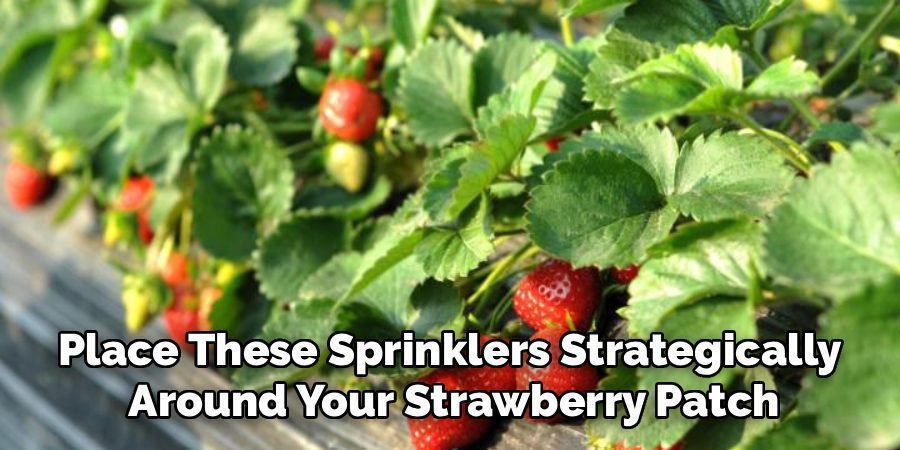
A sudden spray of water can be a startling and effective deterrent for chipmunks. Motion-activated sprinklers detect movement and release a short, harmless burst of water in that direction. Place these sprinklers strategically around your strawberry patch. The unexpected spray will frighten chipmunks away without causing any harm to them or your plants. Over time, they will learn to associate your garden with this unpleasant surprise and will likely seek out easier foraging grounds elsewhere. This is an excellent, low-effort method for garden protection.
Step 8: Make the Ground Uncomfortable
Chipmunks dislike walking on sharp or uncomfortable surfaces. You can create a barrier around your strawberry plants using materials they prefer to avoid. Spreading a layer of sharp-edged gravel, holly leaves, or crushed eggshells around your plants can make the area less appealing for their sensitive paws. This simple, natural barrier can deter them from getting close enough to nibble on your berries. It’s an easy and eco-friendly addition to your overall defensive strategy against these tiny garden thieves.
Maintain Regular Garden Inspections
Regularly inspecting your garden is crucial to keeping it healthy and free from unwanted visitors. By spending time observing your plants, you can quickly detect any signs of damage, pests, or disease. Pay close attention to the areas around your strawberry plants, ensuring that your natural barriers remain intact and effective. Consistent monitoring also allows you to adjust your strategies as needed, giving your plants the best chance to thrive and produce a bountiful harvest.
Mulch for Moisture Retention
Applying mulch around your strawberry plants is an effective way to retain soil moisture and regulate temperature. Mulch also helps suppress weeds, which can compete with your plants for nutrients and water. Use organic materials like straw, wood chips, or shredded leaves, ensuring an even layer around the base of the plants while keeping the crowns unobstructed. This simple step not only promotes healthier growth but also reduces the need for frequent watering, making your garden more efficient and sustainable.

Frequently Asked Questions (FAQ)
What Scent Will Keep Chipmunks Away?
Chipmunks are repelled by strong, spicy, and minty smells. You can effectively deter them by using scents like cayenne pepper, garlic, peppermint, cinnamon, and eucalyptus. Sprinkling these spices around your plants or creating a spray with essential oils can make your garden unappealing to them. Some gardeners also find that coffee grounds or predator urine (available commercially) work well. Remember to reapply these scents regularly, especially after it rains, to ensure they remain potent and effective at keeping the pests at bay.
Do Coffee Grounds Keep Chipmunks Away?
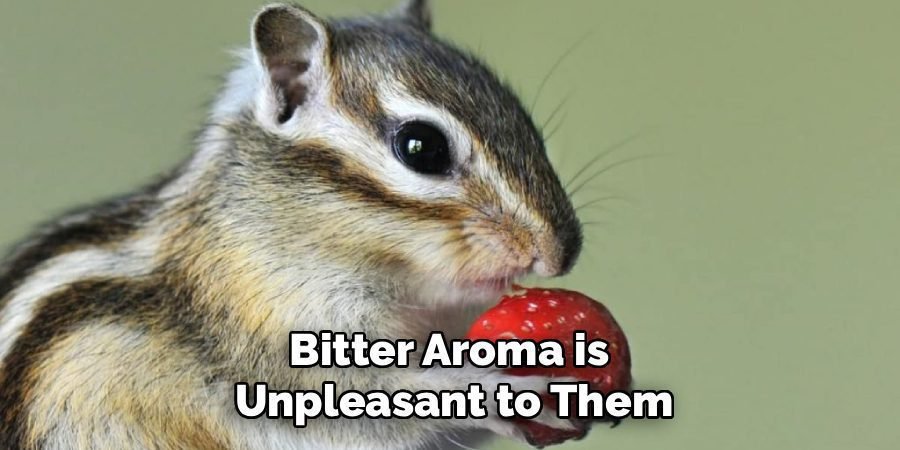
Yes, coffee grounds can be an effective and natural chipmunk repellent. The strong, bitter aroma is unpleasant to them. To use this method, simply sprinkle your used coffee grounds on the soil around your strawberry plants and along the perimeter of your garden bed. The grounds not only deter chipmunks but also add beneficial nitrogen to the soil as they decompose. It’s a great way to recycle your kitchen waste while protecting your plants. For best results, reapply fresh grounds every few days.
Will Pinwheels Scare Chipmunks?
Pinwheels and other moving, reflective objects can scare chipmunks, but usually only temporarily. The sudden movement and flashes of light can startle these cautious creatures and make them hesitant to approach. However, chipmunks are intelligent and can quickly realize that the pinwheels pose no real threat. For this reason, it’s best to use them in combination with other deterrents, such as repellents and fencing. Moving the pinwheels to different locations every few days can also help prolong their effectiveness.
Does Human Hair Keep Chipmunks Away?
The scent of human hair can sometimes act as a deterrent for chipmunks and other garden pests like deer. The idea is that the scent signals the presence of a potential predator—humans—and encourages them to stay away. You can try stuffing human hair into small mesh bags or old nylons and placing them around your strawberry patch. While some gardeners swear by this method, its effectiveness can be inconsistent. It is a free and eco-friendly option worth trying as part of a larger pest control strategy.
What Is a Chipmunk’s Favorite Food?
Chipmunks are omnivores with a varied diet, but they definitely have their favorites. They primarily eat nuts, seeds, and berries. Acorns, sunflower seeds, and corn are particularly appealing to them. In a garden setting, they are strongly attracted to sweet fruits like strawberries and blueberries, as well as the seeds of vegetables like squash and pumpkins. They also enjoy digging up and eating flower bulbs, especially tulips and crocuses. Using their favorites, like peanut butter or seeds, can be effective for baiting humane traps.
Conclusion
Protecting your strawberry patch from furry thieves doesn’t have to be a losing battle. By being proactive and layering several different strategies, you can successfully shield your crop. Start with robust physical barriers like fencing and netting, which provide the most reliable defense. Enhance your efforts by making the environment less attractive with scent repellents and a tidy garden. When you combine these methods, you create a powerful system that convinces chipmunks to look for their meals elsewhere. Now you have a complete plan for how to keep chipmunks out of strawberries, ensuring a sweet, rewarding harvest for you and your family.

About Ravuk Barg
B.Sc. Horticulture Science | Certified Master Gardener
Ravuk Barg has spent more than a decade with his hands in the soil and his head full of questions about why some gardens thrive while others struggle. What started as a single raised bed of tomatoes and basil in a modest backyard has grown into a deep, working knowledge of everything from seed germination and soil amendment to companion planting and seasonal pruning.
Over the years, Ravuk has gardened through drought summers, waterlogged springs, and pest invasions that would make most gardeners hang up their trowels for good. Those hard seasons, he’ll tell you, taught him more than any perfect growing year ever could. He writes from that earned experience—covering vegetable growing, ornamental planting, houseplant care, composting, and garden design with equal confidence and curiosity.
Philosophy & Approach
Ravuk’s approach to gardening is rooted in practicality. He favors organic methods not out of dogma, but because they work long-term—resulting in healthier soil, fewer inputs, and stronger plants. He has a particular fondness for heirloom vegetable varieties (the kind with proper flavor), unruly cottage-style flower beds, and the stubborn houseplants that everyone else gave up on.
The Mission: Give readers the honest, experience-backed advice that helps them actually succeed in their gardens—not just the ideal version, but the real one; weeds, failures, and all.
Education & Credentials
-
B.Sc. in Horticulture Science
-
Greenfield Agricultural University
-
Focus: Plant Physiology, Soil Ecology, and Sustainable Crop Production
-
-
Master Gardener Certification
-
Cooperative Extension Service
-
Focus: 200+ hours of hands-on practical training and community garden work
-
Continuing Education
-
Organic Pest Management
-
Native Plant Landscaping
-
Sustainable Crop Production