

Mulch is a gardener’s best friend. It helps retain soil moisture, suppresses weeds, and gives your garden beds a clean, polished look. However, many gardeners discover an unwelcome side effect: neighborhood cats, and sometimes even their own, have decided the new mulch is the perfect outdoor litter box. This can be frustrating and unsanitary. If you’re wondering how to keep cats out of mulch, you’ve come to the right place.
This guide provides simple, humane, and effective strategies to protect your garden beds. We will walk you through various methods, from using natural repellents to installing physical barriers, ensuring your mulch remains pristine and your plants stay healthy.
Why Do Cats Love Mulch?
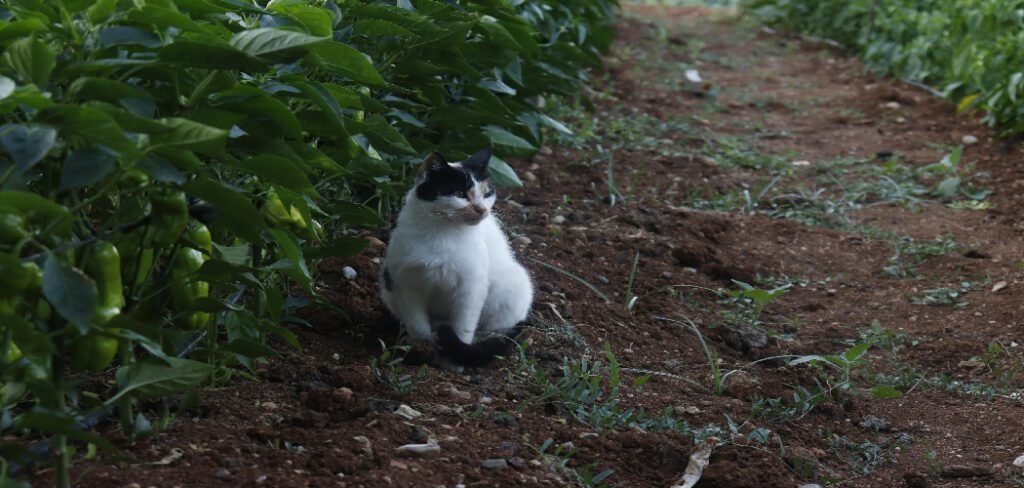
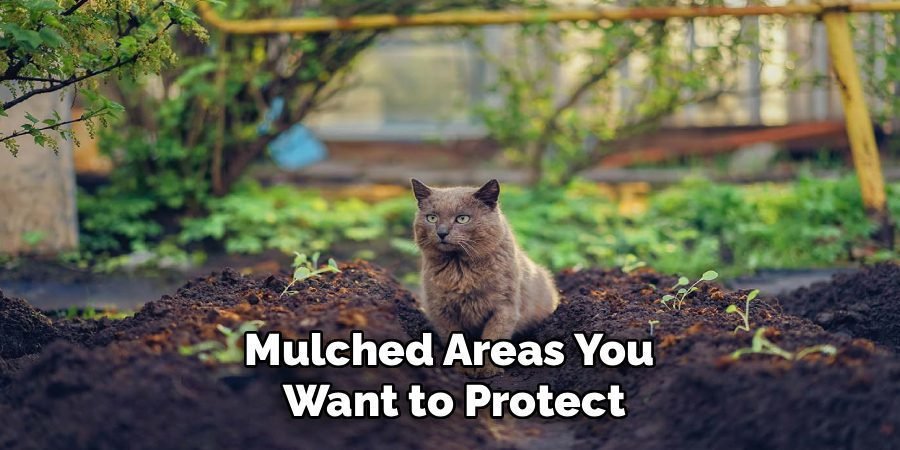
Cats are drawn to mulch for several instinctual reasons. The soft, loose, and earthy texture of most mulches, like shredded bark or wood chips, is very appealing to them. It’s easy for them to dig in, which mimics the natural behavior of burying their waste in sand or soft soil. This makes a freshly mulched garden bed an almost irresistible litter box. Furthermore, the garden provides a quiet, and often secluded, location where they feel safe. Understanding these behaviors is the first step toward finding a solution that works for both you and your feline visitors.
7 Step-by-Step Guide on How to Keep Cats Out of Mulch
Step 1: Use Scents Cats Dislike
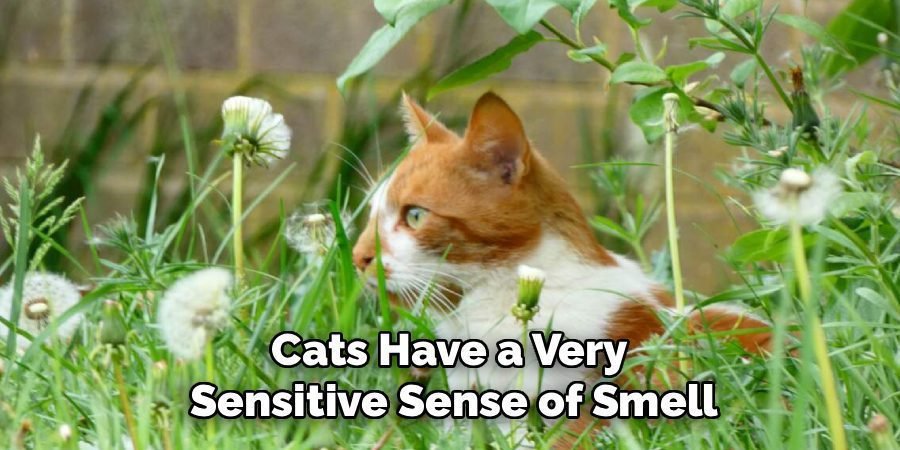
One of the easiest methods is to incorporate smells that cats find unpleasant. Cats have a very sensitive sense of smell, and you can use this to your advantage. Try sprinkling natural deterrents like cayenne pepper, coffee grounds, or citrus peels (orange, lemon, or grapefruit) around your mulched areas. These scents are offensive to cats but harmless to your plants and the environment. You will need to reapply these materials regularly, especially after rain or watering, to maintain their effectiveness. This approach creates an invisible barrier that encourages cats to steer clear of your garden beds without causing any harm.
Step 2: Lay Down Uncomfortable Textures
Cats prefer soft, diggable surfaces. You can make your mulch beds less inviting by adding materials that are uncomfortable for them to walk on. Consider laying down pinecones, sweet gum balls, or even plastic garden forks (tines facing up) throughout the mulch. Another great option is to use stone mulch or larger, chunkier bark nuggets instead of finely shredded material. These rough, sharp, or unstable surfaces make it difficult and unpleasant for a cat to find a comfortable spot to stand and dig. This simple textural change can be enough to convince them that your garden is not the five-star bathroom they thought it was.
Step 3: Plant Cat-Repellent Plants
Integrate your garden’s defense directly into its design by planting species that cats naturally avoid. Certain plants emit odors that felines dislike. The “scaredy cat” plant (Coleus canina) is famous for this purpose, releasing a scent that cats and other small animals find offensive. Other effective options include lavender, rosemary, rue, and pennyroyal. Planting these along the borders of your mulched beds or interspersing them among your other plants can create a powerful, living deterrent. This method not only helps protect your mulch but also adds beauty and diversity to your garden landscape.
Step 4: Install a Motion-Activated Sprinkler
For a more high-tech and surprising deterrent, a motion-activated sprinkler is an excellent choice. These devices detect movement and release a short, harmless burst of water in the direction of the intruder. The sudden spray of water is startling but safe, and it quickly teaches cats that your garden is an unpredictable and undesirable place to visit. Most cats detest being wet and will learn to avoid the area after just one or two encounters. Place the sprinkler so its sensor covers the most vulnerable parts of your garden. This is a highly effective, 24/7 guard for your mulch beds.
Step 5: Utilize Commercial Cat Repellents
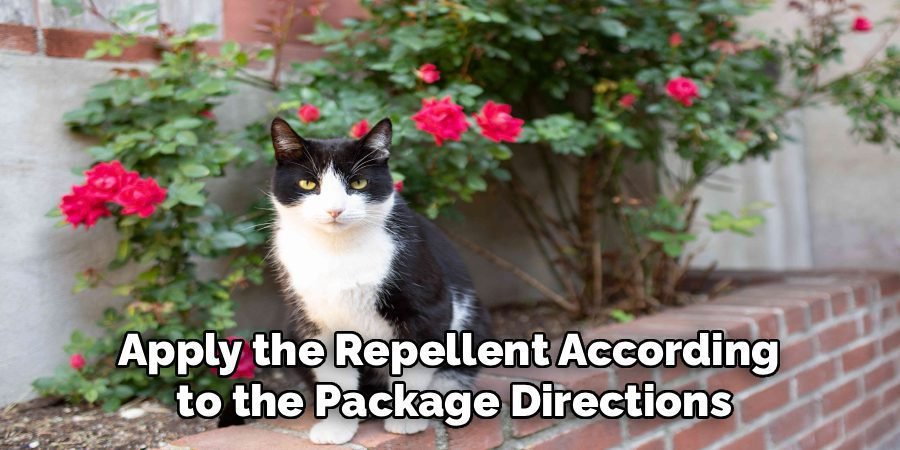
If DIY solutions aren’t cutting it, you can turn to commercial cat repellents. These products are specifically formulated to deter cats and are available in granular or liquid forms. They typically use a combination of scents from predator urine (like coyote) or other ingredients that cats find threatening or unpleasant. Always read the label carefully to ensure the product is safe for pets, children, and your specific plants. Apply the repellent according to the package directions, focusing on the perimeter of your garden beds and any areas where you’ve noticed cat activity. Reapplication will be necessary, particularly after heavy rainfall.
Step 6: Create an Alternative “Cat-Friendly” Area
Sometimes, the best defense is a good offense. If the visiting cat is your own pet or a persistent neighborhood stray, consider creating a designated outdoor spot just for them. Choose an out-of-the-way area in your yard and fill it with fine sand or loose soil, creating an attractive alternative to your mulch. You can even plant some catnip or catmint nearby to make the space even more appealing. By providing a better, more convenient option, you can redirect the cat’s natural instincts away from your prized garden beds. This humane approach solves the problem while acknowledging the cat’s needs.
Step 7: Use Physical Barriers like Garden Netting
A physical barrier is one of the most foolproof ways to protect your mulch. Laying chicken wire or bird netting directly on top of the mulch can be very effective. You can secure the wire with garden staples or small rocks. The holes in the netting are large enough for water and sunlight to reach the soil, but the wire itself prevents cats from digging. Your plants can grow up through the openings in the wire, which will eventually become hidden as the foliage fills in. This method requires some initial setup but provides a long-lasting and reliable solution.
Employ Ultrasonic Repellent Devices
Ultrasonic repellent devices offer another technological solution to your cat problem. These stakes are placed in the garden and emit a high-frequency sound that is inaudible to humans but highly irritating to cats and other animals like squirrels and raccoons. Most models are solar-powered and motion-activated, so they only turn on when an animal approaches. This creates an unpleasant environment that encourages pests to stay away. For best results, position the device to face the primary entry point to your garden, ensuring maximum coverage of the mulched areas you want to protect.
Frequently Asked Questions (FAQ)
Why Is My Cat Suddenly Using The Mulch As A Litter Box?
A sudden change in litter box habits can be due to several factors. In your garden, new, soft mulch is incredibly inviting as it mimics the natural environments cats seek for digging. If this is your own cat, it could also signal a health issue, stress, or dissatisfaction with their indoor litter box. Ensure their indoor box is clean, located in a quiet area, and uses a litter they like. For outdoor cats, your garden might simply be the most convenient and appealing spot in the neighborhood.
Is It Safe To Use Cayenne Pepper To Deter Cats?
Using cayenne pepper is a common home remedy, but it should be used with caution. While the strong smell is a deterrent, the capsaicin in the pepper can cause significant irritation if it gets in a cat’s eyes, nose, or on their paws, which they then lick. It can lead to pain and distress. For a safer alternative, consider using citrus peels or coffee grounds. These scents are also unpleasant to cats but are less likely to cause them physical harm or discomfort upon contact.
How Long Does It Take For Cat Deterrents To Work?
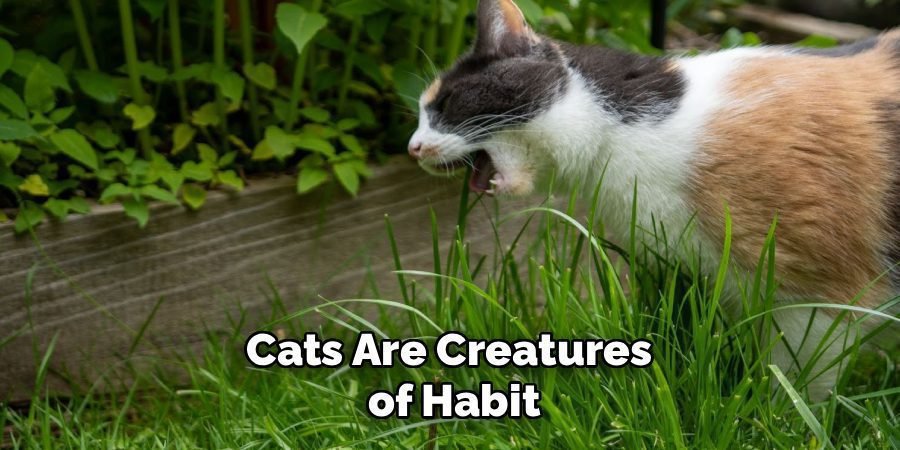
The effectiveness and timing of cat deterrents vary widely. Scent-based repellents like citrus peels or coffee grounds might work immediately but require frequent reapplication. Motion-activated sprinklers often teach a cat to avoid an area after just one or two surprises. Textural deterrents like pinecones are effective as long as they are in place. The key is consistency. Cats are creatures of habit, and it may take several days or even a couple of weeks of consistent deterrence to break their habit of visiting your garden.
Will Cat Poop In Mulch Harm My Plants?
Yes, cat feces can be harmful to your plants and your health. Unlike the manure from herbivores like cows or horses, cat waste can contain harmful pathogens and parasites, such as Toxoplasma gondii. These can contaminate the soil and pose a health risk to humans, especially if you are growing edible plants. The high nitrogen and ammonia content in cat urine can also “burn” plant roots and foliage, leading to damage or death of your plants. It’s best to remove any waste you find promptly.
Do Fake Owls Or Snakes Really Keep Cats Away?
Fake predators like plastic owls or rubber snakes can sometimes work as a temporary deterrent. The initial sight of a “predator” might startle a cat and make it wary of the area. However, cats are intelligent and observant animals. Over time, they will realize that the object never moves and poses no real threat. For this method to have any lasting effect, you would need to move the fake predator to a new location every day or two to maintain the illusion of a real threat.
Conclusion
Protecting your garden from feline visitors is an achievable goal. By understanding why cats are drawn to mulch and implementing the right strategies, you can maintain a beautiful and clean garden. Whether you choose to use scent-based repellents, textural deterrents, or modern technology like motion-activated sprinklers, consistency is crucial. Start with the simplest methods and see what works best for your situation. Experimenting with these different approaches will help you figure out how to keep cats out of mulch for good, allowing you to enjoy your garden without any unwelcome surprises.

About Ravuk Barg
B.Sc. Horticulture Science | Certified Master Gardener
Ravuk Barg has spent more than a decade with his hands in the soil and his head full of questions about why some gardens thrive while others struggle. What started as a single raised bed of tomatoes and basil in a modest backyard has grown into a deep, working knowledge of everything from seed germination and soil amendment to companion planting and seasonal pruning.
Over the years, Ravuk has gardened through drought summers, waterlogged springs, and pest invasions that would make most gardeners hang up their trowels for good. Those hard seasons, he’ll tell you, taught him more than any perfect growing year ever could. He writes from that earned experience—covering vegetable growing, ornamental planting, houseplant care, composting, and garden design with equal confidence and curiosity.
Philosophy & Approach
Ravuk’s approach to gardening is rooted in practicality. He favors organic methods not out of dogma, but because they work long-term—resulting in healthier soil, fewer inputs, and stronger plants. He has a particular fondness for heirloom vegetable varieties (the kind with proper flavor), unruly cottage-style flower beds, and the stubborn houseplants that everyone else gave up on.
The Mission: Give readers the honest, experience-backed advice that helps them actually succeed in their gardens—not just the ideal version, but the real one; weeds, failures, and all.
Education & Credentials
-
B.Sc. in Horticulture Science
-
Greenfield Agricultural University
-
Focus: Plant Physiology, Soil Ecology, and Sustainable Crop Production
-
-
Master Gardener Certification
-
Cooperative Extension Service
-
Focus: 200+ hours of hands-on practical training and community garden work
-
Continuing Education
-
Organic Pest Management
-
Native Plant Landscaping
-
Sustainable Crop Production