

Have you ever noticed your garden plants looking yellowed, wilted, or stunted despite your best watering efforts? The culprit might not be a lack of water, but too much of it. Poor drainage is a common problem that can lead to waterlogged soil, depriving plant roots of the oxygen they need to thrive.

This can cause root rot and other fungal diseases, ultimately harming or killing your beloved plants. Learning how to improve drainage in garden bed areas is a fundamental skill for any gardener. It ensures your plants have a healthy foundation to grow strong and vibrant. This guide will walk you through the essential steps to transform soggy soil into the perfect growing environment, setting you up for a successful and bountiful garden.
Why Improving Garden Drainage Matters
Healthy soil is the cornerstone of a successful garden. When soil holds too much water, it becomes compacted and anaerobic, meaning it lacks oxygen. Plant roots need oxygen to perform essential functions like absorbing nutrients and water. In waterlogged conditions, roots essentially suffocate.
This stress makes plants vulnerable to root rot, a devastating fungal disease that thrives in wet, low-oxygen environments. Furthermore, excess water can wash away vital nutrients, leading to deficiencies that stunt growth and reduce yields. By improving your garden’s drainage, you create a balanced ecosystem where roots can breathe, access nutrients effectively, and anchor your plants securely. This simple change promotes vigorous growth, vibrant foliage, and healthier, more resilient plants all season long.
7 Step-by-Step Guide on How to Improve Drainage in Garden Bed
Step 1: Assess Your Current Drainage
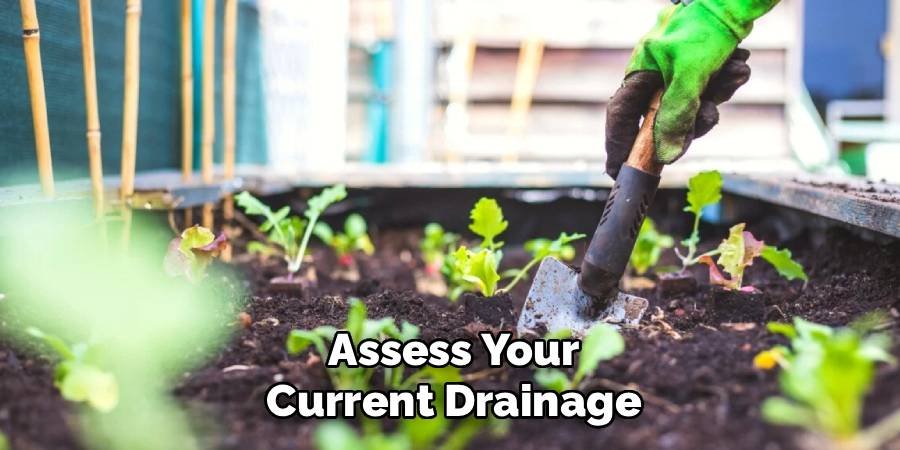
The first step is to understand the extent of your drainage problem. A simple percolation test can provide clear answers. To do this, dig a hole about one foot deep and one foot wide in your garden bed. Fill the hole completely with water and let it drain entirely. Immediately refill it with water and use a ruler and a timer to measure how quickly the water level drops.
Healthy soil should drain at a rate of about one to two inches per hour. If the water drains much slower, you have a compaction or heavy clay issue. If it drains too quickly, your soil may be too sandy. This test gives you a baseline to understand the specific needs of your garden soil.
Step 2: Incorporate Organic Matter
One of the most effective ways to fix poor drainage is by amending your soil with organic matter. Materials like compost, aged manure, leaf mold, and shredded bark work wonders for soil structure. For heavy clay soils, organic matter binds to the tiny clay particles, creating larger aggregates. This process, called flocculation, opens up pore spaces that allow water and air to move more freely. In sandy soils, organic matter acts like a sponge, helping to retain moisture and nutrients that would otherwise wash away. Aim to add a two- to four-inch layer of compost or other organic material on top of your garden bed each season and gently work it into the top six to eight inches of soil.
Step 3: Consider Amending with Coarse Sand or Perlite
When dealing with extremely heavy clay soil, adding organic matter alone might not be enough. Introducing materials like coarse builder’s sand, perlite, or small gravel can create permanent channels for water to flow through. It’s crucial to use coarse sand, as fine sand can mix with clay to create a concrete-like substance, worsening the problem. Perlite, a lightweight volcanic glass, is another excellent option as it improves both aeration and drainage without adding significant weight. Spread a one- to two-inch layer of your chosen amendment over the bed and thoroughly mix it into the top foot of soil along with your organic matter. This combination is key to breaking up dense soil.
Step 4: Till or Double-Dig the Soil
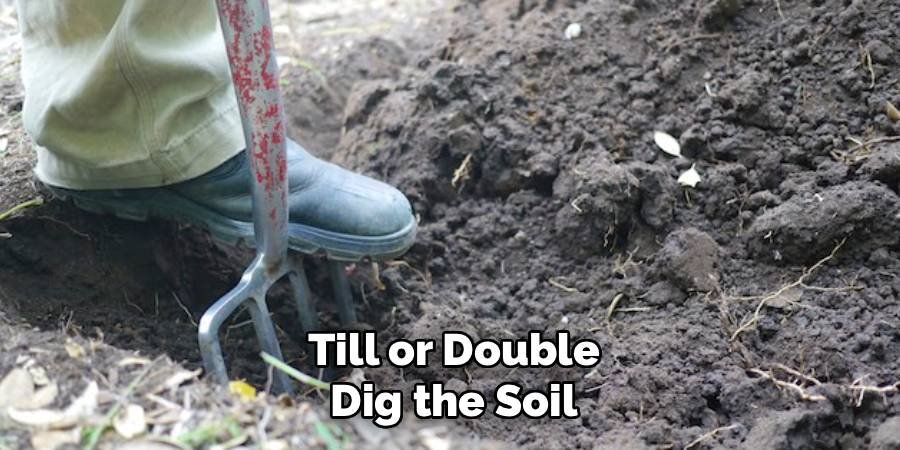
Compacted soil is a major barrier to good drainage. Tilling or double-digging can physically break up hardened layers, allowing roots and water to penetrate deeper. Tilling involves using a rototiller to churn the top 6-12 inches of soil. For a more intensive approach, try double-digging. This method involves removing the top layer of soil, loosening the subsoil below with a garden fork, and then replacing the topsoil, often mixing it with compost. While labor-intensive, double-digging is highly effective for breaking up deep compaction and is a great technique for learning how to improve drainage in garden bed areas for the long term. Be mindful not to over-till, as this can destroy soil structure over time.
Step 5: Build Raised Garden Beds
If your native soil is relentlessly difficult or you live in an area with a high water table, building a raised garden bed is an excellent solution. A raised bed allows you to completely control the growing medium. You can fill it with a custom blend of high-quality topsoil, compost, and other amendments like perlite or vermiculite, creating the perfect drainage conditions from the start. A bed that is at least 12 inches high provides ample room for most plant roots to grow without ever touching the problematic soil below. This method not only solves drainage issues but also makes gardening more accessible by reducing the need for bending and kneeling.
Step 6: Choose Plants Suited to Your Soil
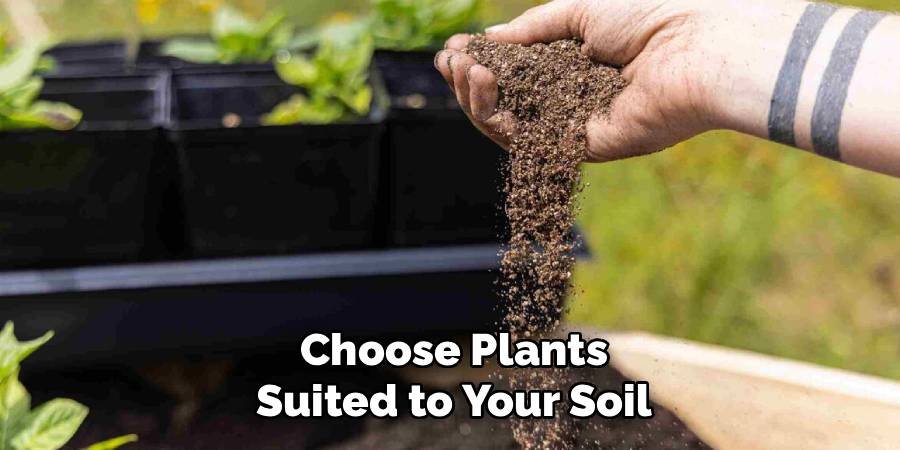
While you work on improving your soil, you can also select plants that are more tolerant of moist conditions. Not all plants require perfectly drained soil. Species like irises, ferns, bee balm, and elderberry naturally thrive in wetter environments. Planting these in the soggier parts of your garden can lead to greater success and less frustration. As you amend the soil over time, you can gradually introduce a wider variety of plants. Researching plant varieties that are native to your region can also point you toward species that are well-adapted to your existing soil type, whether it’s heavy clay or fast-draining sand. This approach works with nature, not against it.
Step 7: Create a French Drain
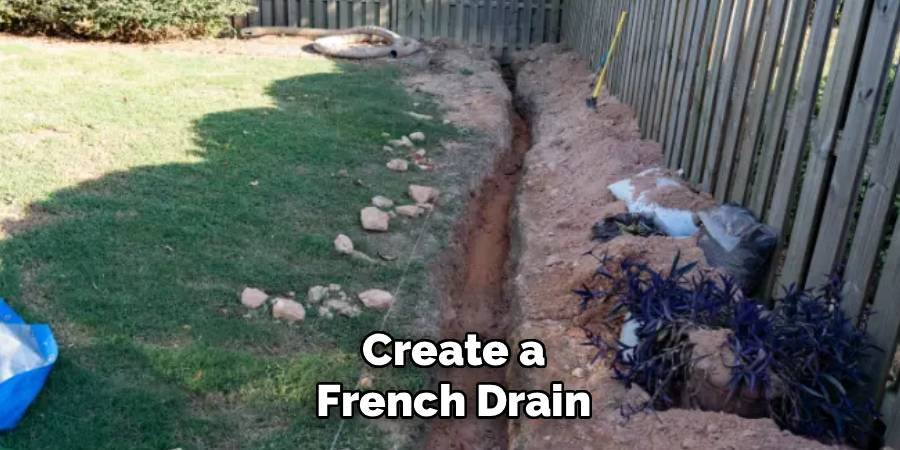
For severe drainage problems across a larger area, installing a French drain can be a game-changer. A French drain is essentially a gravel-filled trench that redirects excess surface and groundwater away from your garden beds. To create one, you dig a trench with a slight downhill slope, line it with landscape fabric, place a perforated pipe at the bottom, and fill the trench with gravel. The water enters the pipe and is carried away to a suitable outlet, such as a dry well or a lower-lying area of your property. This is a more involved project but provides a permanent and highly effective solution for keeping your garden beds from becoming swamps.
Frequently Asked Questions (FAQ)
Can I Just Add Gravel to the Bottom of My Garden Bed to Improve Drainage?
This is a common myth. Adding a layer of gravel at the bottom of a planting hole or garden bed can actually worsen drainage. It creates a perched water table, where water stops moving when it hits the different soil texture of the gravel layer. This causes the soil above the gravel to become saturated before it will drain. It is far more effective to improve the entire soil profile by mixing in organic matter.
How Can I Tell if My Plants Are Suffering From Poor Drainage?
Signs of poor drainage often mimic those of underwatering, which can be confusing. Key indicators include:
- Yellowing leaves (chlorosis), especially on lower parts of the plant.
- Wilting, even when the soil is wet to the touch.
- Stunted growth or weak stems.
- A sour or rotting smell coming from the soil.
- The presence of fungus or mold on the soil surface.
What Is the Best Organic Matter for Improving Clay Soil?
For heavy clay soil, the best organic amendments are those that are coarse and decompose slowly. Good choices include compost, shredded bark, aged manure, and leaf mold. These materials physically separate the fine clay particles, creating larger aggregates and improving air and water flow. Avoid materials that are too fine, like peat moss, as they can hold excessive water and may not provide enough structural improvement on their own.
How Often Should I Amend My Garden Soil?
Amending soil is an ongoing process. Organic matter decomposes over time, so you should plan to replenish it regularly. A good practice is to top-dress your garden beds with a one- to two-inch layer of compost or other organic matter once or twice a year, typically in the spring and/or fall. This continuous addition maintains good soil structure, fertility, and drainage season after season.
Will Aerating My Garden Help With Drainage?
Yes, aeration can definitely help, especially in compacted lawns or heavily trafficked garden areas. Core aeration involves removing small plugs of soil, which opens up channels for air, water, and nutrients to penetrate deeper. While it’s more common for lawns, you can use a broadfork or a large garden fork to gently loosen the soil in your garden beds without disturbing the soil structure as much as tilling does. This is a great, less disruptive way to combat compaction.
Conclusion
Improving soil drainage is one of the most impactful actions you can take to ensure a thriving, productive garden. By assessing your soil, incorporating rich organic matter, breaking up compaction, and considering structural solutions like raised beds, you create an environment where plants can flourish. Remember that building great soil is a journey, not a one-time fix. Consistent additions of compost and mindful soil management will pay dividends for years to come. Now that you have a clear roadmap on how to improve drainage in garden bed areas, you are well-equipped to tackle waterlogging and cultivate the healthy, beautiful garden you’ve always wanted.

About Ravuk Barg
B.Sc. Horticulture Science | Certified Master Gardener
Ravuk Barg has spent more than a decade with his hands in the soil and his head full of questions about why some gardens thrive while others struggle. What started as a single raised bed of tomatoes and basil in a modest backyard has grown into a deep, working knowledge of everything from seed germination and soil amendment to companion planting and seasonal pruning.
Over the years, Ravuk has gardened through drought summers, waterlogged springs, and pest invasions that would make most gardeners hang up their trowels for good. Those hard seasons, he’ll tell you, taught him more than any perfect growing year ever could. He writes from that earned experience—covering vegetable growing, ornamental planting, houseplant care, composting, and garden design with equal confidence and curiosity.
Philosophy & Approach
Ravuk’s approach to gardening is rooted in practicality. He favors organic methods not out of dogma, but because they work long-term—resulting in healthier soil, fewer inputs, and stronger plants. He has a particular fondness for heirloom vegetable varieties (the kind with proper flavor), unruly cottage-style flower beds, and the stubborn houseplants that everyone else gave up on.
The Mission: Give readers the honest, experience-backed advice that helps them actually succeed in their gardens—not just the ideal version, but the real one; weeds, failures, and all.
Education & Credentials
-
B.Sc. in Horticulture Science
-
Greenfield Agricultural University
-
Focus: Plant Physiology, Soil Ecology, and Sustainable Crop Production
-
-
Master Gardener Certification
-
Cooperative Extension Service
-
Focus: 200+ hours of hands-on practical training and community garden work
-
Continuing Education
-
Organic Pest Management
-
Native Plant Landscaping
-
Sustainable Crop Production