

Keeping your greenhouse warm through the colder months is essential for protecting your plants and extending the growing season. Many gardeners assume this requires a complex and costly electrical heating system, but that isn’t the case. There are many effective, eco-friendly, and budget-conscious ways to maintain a stable temperature for your botanical treasures.
This guide will walk you through several practical methods that rely on natural resources and clever techniques. Learning how to heat a greenhouse without electricity not only saves you money on utility bills but also reduces your carbon footprint, making your gardening hobby even more sustainable. Whether you’re a seasoned grower or just starting, these off-grid solutions will help you create a thriving, year-round garden sanctuary.
Why Keeping Your Greenhouse Warm Matters
A stable, warm environment is the secret to a successful year-round garden. Plants, especially tender seedlings and tropical varieties, are highly sensitive to temperature fluctuations. A sudden frost or a prolonged cold spell can stunt growth, damage foliage, or even kill them outright. By maintaining a consistent temperature, you create an optimal setting for photosynthesis and nutrient absorption, which leads to healthier, more productive plants.
It also allows you to start seeds earlier in the spring and continue harvesting well into the fall and winter. This extended season gives you a significant advantage, providing fresh produce and vibrant blooms when others are waiting for spring to arrive. Ultimately, a warm greenhouse is a productive greenhouse, ensuring your efforts are rewarded with a bountiful harvest.
8 Step-by-Step Guide on How to Heat a Greenhouse Without Electricity
Step 1: Maximize Solar Gain with Proper Siting
The most powerful, free heat source you have is the sun. To harness its energy effectively, the placement of your greenhouse is critical. Position your structure in a location that receives maximum direct sunlight, especially during the winter months when the sun is lower in the sky.
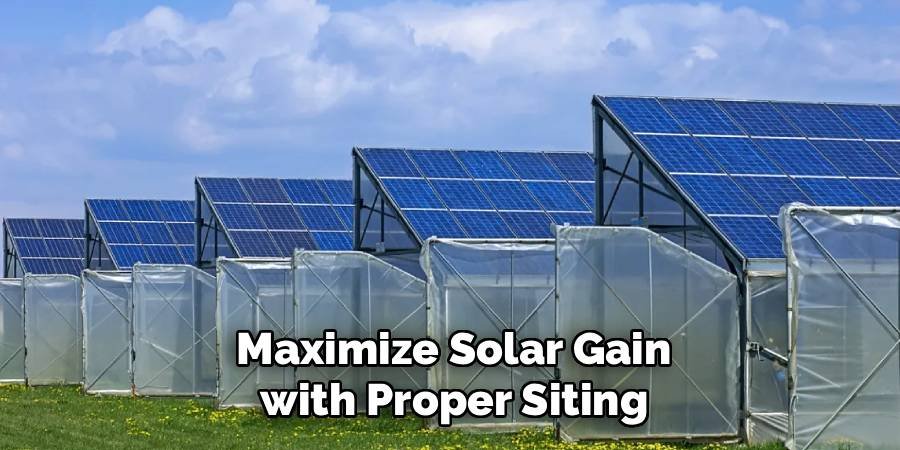
An ideal spot is south-facing, with no obstructions like large trees, buildings, or fences that could cast shadows. Even a few hours of shade can significantly reduce the amount of passive solar heat your greenhouse absorbs. Before you build, observe the path of the sun across your property throughout the day to find the perfect, sun-drenched location.
Step 2: Insulate with Bubble Wrap
One of the simplest and most cost-effective ways to retain heat is by insulating your greenhouse walls and roof. Horticultural bubble wrap, which has larger bubbles than standard packaging wrap, is an excellent choice. This material creates a pocket of air that acts as a buffer, preventing precious warmth from escaping. You can easily attach it to the interior frame of your greenhouse using clips or tape. While it may slightly reduce light transmission, the thermal benefits far outweigh this minor drawback, especially in colder climates. This single step can reduce heat loss by up to 50%, significantly decreasing the need for other heating methods.
Step 3: Utilize Thermal Mass for Heat Storage
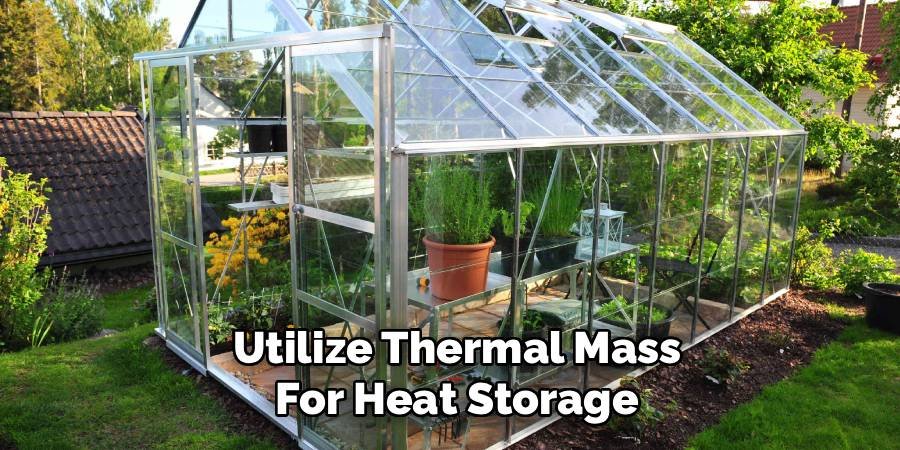
Thermal mass refers to any dense material that can absorb, store, and slowly release heat. You can incorporate this concept into your greenhouse to create a natural heating system. Large containers, like barrels or jugs painted black, can be filled with water and placed in direct sunlight. During the day, the water absorbs solar energy and warms up. As the temperature drops overnight, the stored heat gradually radiates back into the greenhouse, stabilizing the environment. Stone, brick, or concrete pathways and raised bed borders also serve as excellent thermal mass, soaking up warmth during the day and releasing it through the cool night.
Step 4: Create a Hotbed with Decomposing Compost
A hotbed is an age-old gardening technique that uses the natural heat generated by decomposition. You can build a simple hotbed by layering fresh, nitrogen-rich materials like horse manure or kitchen scraps with carbon-rich materials such as straw or wood chips inside a cold frame or a designated area in your greenhouse. As the microorganisms break down the organic matter, they produce a significant amount of consistent, gentle heat from below. This is an ideal method for warming the soil and providing bottom heat for seed starting and protecting tender root systems from the cold.
Step 5: Seal All Gaps and Cracks
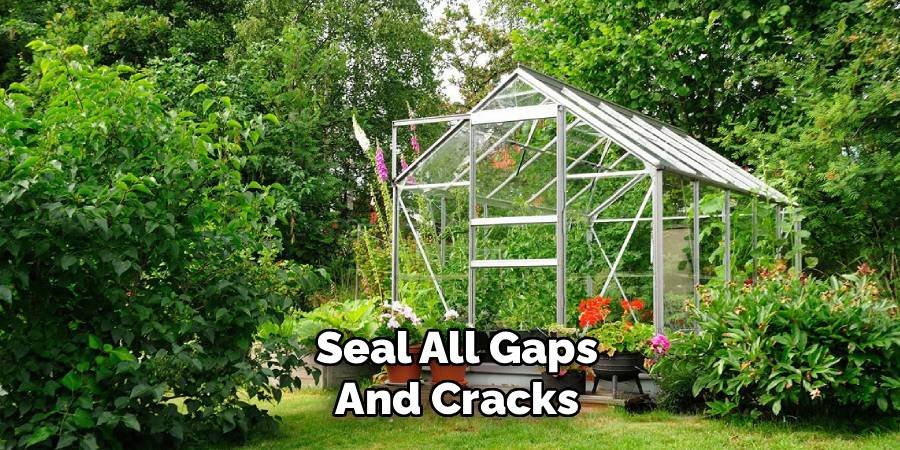
Your efforts to generate and trap heat will be wasted if it can all escape through gaps and cracks. Conduct a thorough inspection of your greenhouse. Check for drafts around doors, vents, windows, and foundation seals. Use weather stripping, caulk, or foam sealant to close up any openings you find. Pay close attention to the joints where glazing panels meet the frame, as these are common areas for heat loss. Making your greenhouse as airtight as possible is a fundamental step in passive heating, ensuring the warmth you generate stays inside where your plants need it.
Step 6: Use a Lean-To Greenhouse Design
If you are in the planning stages, consider a lean-to greenhouse. This design attaches directly to an existing wall of your house or another building. The shared wall acts as a massive source of thermal mass, absorbing heat from the sun and retaining warmth from the building itself. This heat then radiates into the greenhouse, particularly at night, providing a stable temperature. This design is not only efficient but also convenient, often allowing direct access from your home. A lean-to greenhouse naturally requires less energy to heat compared to a freestanding structure, making it a smart choice for gardeners in cooler regions.
Step 7: How to Heat a Greenhouse Without Electricity Using a Clay Pot Heater
A DIY clay pot heater is a simple, effective, and surprisingly powerful off-grid solution. This small heater is made by placing a few candles (tealights work well) on a heatproof surface, such as a brick or ceramic dish. You then cover the candles with a small, inverted terracotta pot. To trap and radiate more heat, place a larger inverted terracotta pot over the smaller one. The inner pot heats up quickly, and the air trapped between the two pots becomes superheated. This heat then radiates slowly and evenly from the surface of the outer pot, warming a small space.
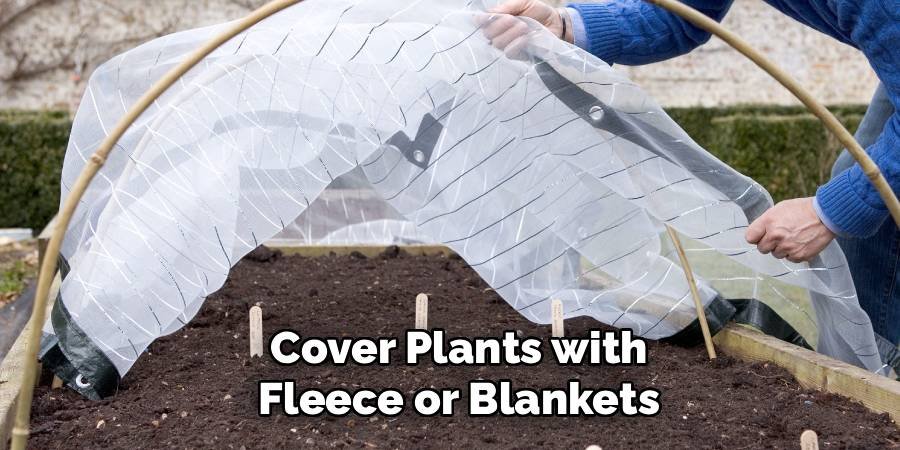
Step 8: Cover Plants with Fleece or Blankets
For an extra layer of protection during particularly cold nights, you can cover your plants directly. Use horticultural fleece, old blankets, or even sheets to create a protective tent over your most vulnerable plants. Drape the material over the plants or a supporting frame, ensuring it does not touch the foliage directly to prevent moisture buildup and potential frost damage. This simple covering traps warmth radiating from the soil and the plants themselves, creating a warmer microclimate underneath. Remember to remove the covers in the morning to allow for air circulation and access to sunlight.
Frequently Asked Questions
What Is the Cheapest Way to Heat a Greenhouse?
The most affordable method is maximizing passive solar gain. This involves positioning your greenhouse to catch the most sun, using thermal mass like water barrels painted black to store heat, and thoroughly insulating with materials like bubble wrap. Sealing all drafts and using a compost hotbed are other free or very low-cost options that rely on natural processes to generate and retain warmth, eliminating the need for expensive equipment or fuel.
Can a Greenhouse Stay Warm in Winter Without a Heater?
Yes, it is possible for a greenhouse to stay warm enough for many plants without a conventional heater, especially in milder climates. Success depends on a combination of techniques:
- Excellent insulation to minimize heat loss.
- Maximizing solar gain through proper orientation.
- Using thermal mass to store daytime heat.
- Sealing all air leaks.
- Using thermal blankets over plants on the coldest nights.
These passive methods work together to create a stable, frost-free environment.
How Can I Keep My Greenhouse Warm at Night?
Keeping a greenhouse warm at night relies on retaining the heat gathered during the day. The most effective methods include using thermal mass (like water barrels or stone) to absorb solar energy and radiate it back overnight. Heavy insulation, such as horticultural bubble wrap on the glazing and thermal blankets over plants, is also crucial. Additionally, ensuring your greenhouse is completely sealed against drafts will prevent the stored warmth from escaping into the cold night air.
Does Putting Water in a Greenhouse Keep It Warm?
Yes, water is an excellent material for thermal mass. Large containers of water, especially when painted black to increase absorption, can store a significant amount of heat from the sun during the day. As the temperature drops at night, the water slowly releases this stored heat, helping to moderate the temperature inside the greenhouse and prevent it from falling too quickly. This passive solar strategy is a simple and effective way to buffer against cold nights.
Will a Black Barrel of Water Heat a Greenhouse?
A black barrel of water is one of the most effective DIY heating solutions. The dark color maximizes the absorption of solar radiation, heating the water inside. A 55-gallon barrel can store a tremendous amount of thermal energy. As the air in the greenhouse cools after sunset, the barrel radiates this stored heat back into the space, providing a consistent and gentle source of warmth throughout the night. For best results, place several barrels where they will receive the most direct sunlight.
Conclusion
Maintaining a warm and nurturing environment for your plants during the cold season doesn’t have to depend on your electrical grid. By embracing a combination of smart design, natural resources, and time-tested techniques, you can create a thriving, frost-free sanctuary for your garden. From maximizing solar gain and insulating with bubble wrap to using thermal mass and compost, the methods are both accessible and effective. We encourage you to experiment with these strategies and discover the perfect combination for your space. Taking the steps to how to heat a greenhouse without electricity will not only reward you with a year-round harvest but also connect you more deeply with the natural cycles of your garden.

About Ravuk Barg
B.Sc. Horticulture Science | Certified Master Gardener
Ravuk Barg has spent more than a decade with his hands in the soil and his head full of questions about why some gardens thrive while others struggle. What started as a single raised bed of tomatoes and basil in a modest backyard has grown into a deep, working knowledge of everything from seed germination and soil amendment to companion planting and seasonal pruning.
Over the years, Ravuk has gardened through drought summers, waterlogged springs, and pest invasions that would make most gardeners hang up their trowels for good. Those hard seasons, he’ll tell you, taught him more than any perfect growing year ever could. He writes from that earned experience—covering vegetable growing, ornamental planting, houseplant care, composting, and garden design with equal confidence and curiosity.
Philosophy & Approach
Ravuk’s approach to gardening is rooted in practicality. He favors organic methods not out of dogma, but because they work long-term—resulting in healthier soil, fewer inputs, and stronger plants. He has a particular fondness for heirloom vegetable varieties (the kind with proper flavor), unruly cottage-style flower beds, and the stubborn houseplants that everyone else gave up on.
The Mission: Give readers the honest, experience-backed advice that helps them actually succeed in their gardens—not just the ideal version, but the real one; weeds, failures, and all.
Education & Credentials
-
B.Sc. in Horticulture Science
-
Greenfield Agricultural University
-
Focus: Plant Physiology, Soil Ecology, and Sustainable Crop Production
-
-
Master Gardener Certification
-
Cooperative Extension Service
-
Focus: 200+ hours of hands-on practical training and community garden work
-
Continuing Education
-
Organic Pest Management
-
Native Plant Landscaping
-
Sustainable Crop Production