

Water and gasoline don’t mix well—especially in the gas tank of your lawn mower. Even small amounts of water can wreak havoc on your mower’s engine, leading to performance issues, stalling, or even permanent damage. When water infiltrates the tank, it interferes with the combustion process, creating a frustrating and potentially costly problem.
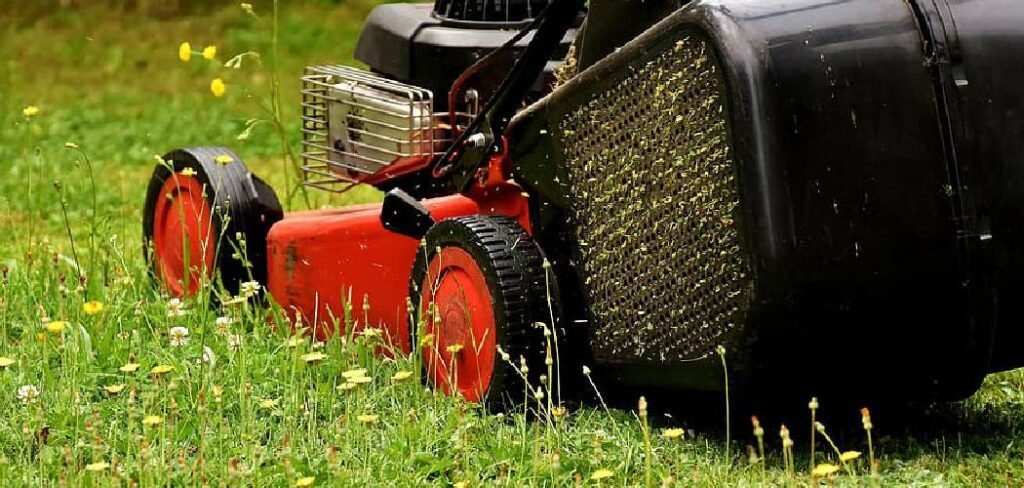
Understanding how to get water out of lawn mower gas tank can save you time and money while ensuring your equipment performs smoothly. Whether the water is from condensation, rain, or an accidental misstep, the key is addressing the issue promptly and thoroughly. Fortunately, with the right approach, you can resolve the situation and restore your mower to full functionality.
Why You Need to Remove Water from the Gas Tank
Water contaminates fuel and prevents it from igniting correctly within the engine. This can lead to stalling, difficulty starting the mower, and long-term engine damage. Prompt removal is critical to prevent costly repairs and keep your equipment running smoothly. To remove water from the gas tank, start by turning off the mower and ensuring it is on a flat, stable surface.
Drain the gas tank completely by using a siphon or removing the fuel line, collecting the contaminated fuel in a suitable container for proper disposal. Next, inspect the fuel for visible water separation; water tends to settle at the bottom due to its higher density. Once the tank is empty, consider cleaning it with a small amount of fresh gasoline to flush out any remaining residue. Refill the tank with fresh, clean fuel, and add a fuel stabilizer or water remover to help prevent future contamination. Restart the mower, and monitor its performance to ensure the issue is fully resolved.
8 Methods Guide: How to Get Water Out of Lawn Mower Gas Tank
Dealing with water contamination may seem daunting, but it’s manageable with the right steps. Here’s a clear, detailed guide to help you tackle the issue effectively.
1. Confirm Water Contamination
Before addressing the problem, make sure water is the culprit. Signs of water in the gas tank include stalling, sputtering, or the mower refusing to start. If the machine runs for a few minutes before shutting off or if you notice frothy bubbles in the removed fuel, these are clear indicators of water contamination. Water settles at the bottom of the tank—unlike gas—so it’s easy to identify during inspections or when draining the fuel.
By verifying the problem, you’ll avoid unnecessary steps and focus your efforts on solving the actual issue.
2. Drain the Gas Tank Completely
Start by removing all the fuel from your gas tank. You’ll need a siphon pump or hose to safely extract the mixture into an appropriate container. Once drained, inspect the tank for any visible water droplets or residue. Keep in mind, even small amounts of water can cause problems.
Draining ensures that you’re starting with a clean slate, making the subsequent steps more effective. Properly dispose of the contaminated fuel according to local regulations to protect the environment.
3. Use a Fuel Additive or Drying Agent
After draining the tank, add a fuel drying agent specifically designed to bind with water. Products like isopropyl alcohol or gas-line antifreeze can absorb small amounts of residual water. These additives bond with water to form a combustible compound for safe engine combustion. Follow the product instructions carefully, as proper measurements are crucial for success. This method works well for minor contamination, but heavier water presence will require more comprehensive action.
4. Inspect and Clean the Carburetor
Water in the fuel often travels to the carburetor, causing further issues. Shut off the fuel supply and carefully remove the carburetor to inspect it for water or debris. Clean it thoroughly using carburetor cleaner to ensure no residue remains. Reassemble the carburetor after cleaning and reconnect it to the fuel line. A clean carburetor eliminates blockages that can hinder performance and ensures the engine runs smoothly after water removal.
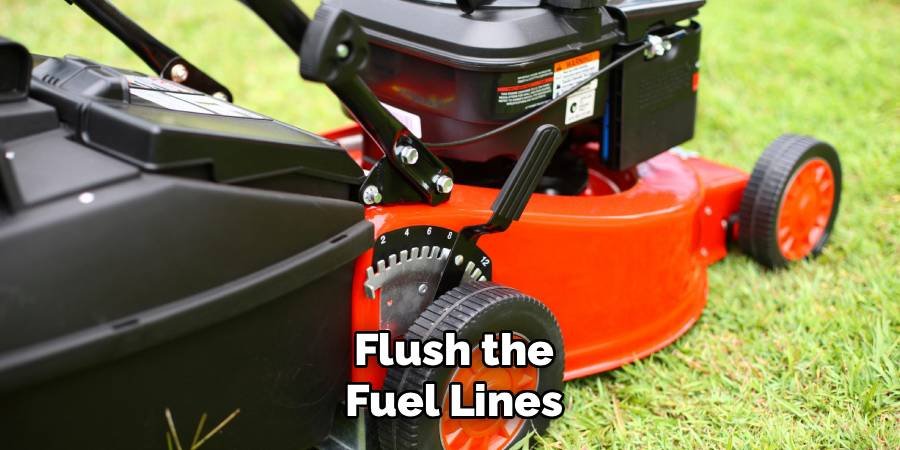
5. Flush the Fuel Lines
Water can linger in the fuel lines, even after draining the tank. Disconnect the lines and flush them with clean gasoline or a fuel drying agent. This step prevents any residual water from recontaminating the gas tank once refilled. Ensure the lines are reattached securely to avoid leaks or future contamination. Neglecting this step may lead to recurring issues, so it’s essential for a thorough cleanup.
6. Replace the Fuel Filter
If water has contaminated the gas tank, it’s likely the fuel filter has been affected too. A clogged or dirty filter can restrict fuel flow and reduce engine performance. Replace the filter with a new one to ensure it effectively screens out contaminants moving forward. Investing in a new filter is a low-cost measure that significantly protects your mower’s fuel system.
7. Refill with Fresh Fuel
Once the tank, lines, and filter are clean, it’s time to refill with fresh gasoline. Use high-quality, water-free fuel to reduce the chances of future contamination. If water intrusion was caused by moisture in your storage container, consider switching to a sealed, airtight can specifically designed for fuel. Fresh fuel ensures a clean combustion process and optimal engine function.
8. Test the Lawn Mower
Finally, test your lawn mower to ensure everything is working correctly. Start the engine and monitor its performance for any unusual sounds or behaviors. If the mower starts smoothly and maintains power, the problem has been resolved. If not, further inspection may be necessary to identify lingering issues.
Testing confirms the success of your efforts and gives you peace of mind before heading back into lawn care.
Maintaining Your Gas Tank
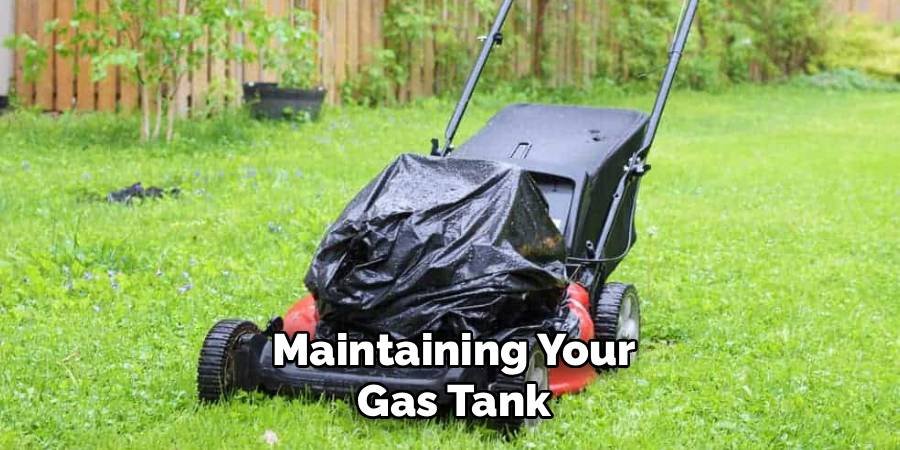
Prevention is the best strategy for avoiding water contamination in the future. Always store your lawn mower indoors or under a waterproof cover to protect it from rain and humidity. Use high-quality, sealed fuel containers to prevent moisture from seeping in. Regularly inspect the gas tank and fuel lines for signs of wear or damage, replacing components as needed. Taking these steps significantly reduces the risk of water intrusion and prolongs the life of your mower.
Additionally, consider using a fuel stabilizer to maintain the quality of your gasoline over time, especially if the mower will be stored for an extended period. Stabilizers help prevent fuel degradation and the buildup of moisture, ensuring your mower runs smoothly when you need it. Properly draining the fuel tank at the end of the mowing season is another good practice to eliminate any residual moisture or impurities. By adhering to these maintenance tips, you can ensure your lawn mower remains in optimal condition for years to come.
Common Mistakes to Avoid
When attempting to remove water from a gas tank, people often make avoidable errors. One common mistake is neglecting to drain the tank thoroughly, which leaves residual water to recontaminate the system. Skipping the inspection or cleaning of the carburetor and fuel lines can lead to recurring issues. Additionally, ignoring the fuel filter can allow contaminants to enter the engine. Avoiding these mistakes ensures your efforts are effective and your mower remains in top condition.
Using the right tools and techniques is essential to successfully remove water from a gas tank. A siphon pump can help extract the majority of the contaminated fuel, while a clean cloth or absorbent material can address smaller traces left behind. It’s also crucial to replace the fuel with fresh, high-quality gasoline once the tank is cleared. Testing the mower after refueling ensures that the engine runs smoothly and prevents further complications. Taking these proactive steps will not only resolve the immediate issue but also extend the life of your equipment.
FAQ
How does water get into a gas tank?
Water enters through condensation, loose fuel caps, or exposure to rain during outdoor storage.
Can I use rubbing alcohol to remove water?
Yes, isopropyl alcohol bonds with water and helps eliminate it. Use it carefully according to product guidelines.
What happens if water is left in the gas tank?
Leaving water in the tank damages the engine, causes corrosion, and leads to starting or stalling problems.
Can water damage be permanent?
If addressed promptly, most damage is reversible. However, prolonged exposure to water can require costly engine repairs.
How do I dispose of contaminated gasoline?
Take it to a hazardous waste facility or contact local authorities for proper disposal instructions.
Conclusion
Knowing how to get water out of a lawn mower gas tank is essential for maintaining the health and performance of your machine. By identifying contamination early, draining the tank completely, and following proven methods like cleaning the carburetor and replacing the fuel filter, you can restore your mower to optimal condition. Protect your equipment with proper storage and maintenance, and you’re set for a trouble-free mowing season.
Regular upkeep of your lawn mower goes beyond just fixing immediate issues. Consistently checking for fuel contamination, cleaning components, and using high-quality gas can significantly extend the lifespan of your equipment. Additionally, seasonal maintenance, such as winterizing your mower, ensures that it remains in excellent condition during periods of inactivity. Taking these steps will save you money on repairs and replacements while improving the overall efficiency of your lawn care routine.

About Ravuk Barg
B.Sc. Horticulture Science | Certified Master Gardener
Ravuk Barg has spent more than a decade with his hands in the soil and his head full of questions about why some gardens thrive while others struggle. What started as a single raised bed of tomatoes and basil in a modest backyard has grown into a deep, working knowledge of everything from seed germination and soil amendment to companion planting and seasonal pruning.
Over the years, Ravuk has gardened through drought summers, waterlogged springs, and pest invasions that would make most gardeners hang up their trowels for good. Those hard seasons, he’ll tell you, taught him more than any perfect growing year ever could. He writes from that earned experience—covering vegetable growing, ornamental planting, houseplant care, composting, and garden design with equal confidence and curiosity.
Philosophy & Approach
Ravuk’s approach to gardening is rooted in practicality. He favors organic methods not out of dogma, but because they work long-term—resulting in healthier soil, fewer inputs, and stronger plants. He has a particular fondness for heirloom vegetable varieties (the kind with proper flavor), unruly cottage-style flower beds, and the stubborn houseplants that everyone else gave up on.
The Mission: Give readers the honest, experience-backed advice that helps them actually succeed in their gardens—not just the ideal version, but the real one; weeds, failures, and all.
Education & Credentials
-
B.Sc. in Horticulture Science
-
Greenfield Agricultural University
-
Focus: Plant Physiology, Soil Ecology, and Sustainable Crop Production
-
-
Master Gardener Certification
-
Cooperative Extension Service
-
Focus: 200+ hours of hands-on practical training and community garden work
-
Continuing Education
-
Organic Pest Management
-
Native Plant Landscaping
-
Sustainable Crop Production