

Seeing butterflies flutter through your garden can be a delightful sight, often signaling a healthy and vibrant ecosystem. However, not all butterflies are created equal in the eyes of a gardener. When small white butterflies, specifically the Cabbage White butterfly, begin to appear in large numbers, it can be a sign of trouble for your beloved plants, especially vegetables.
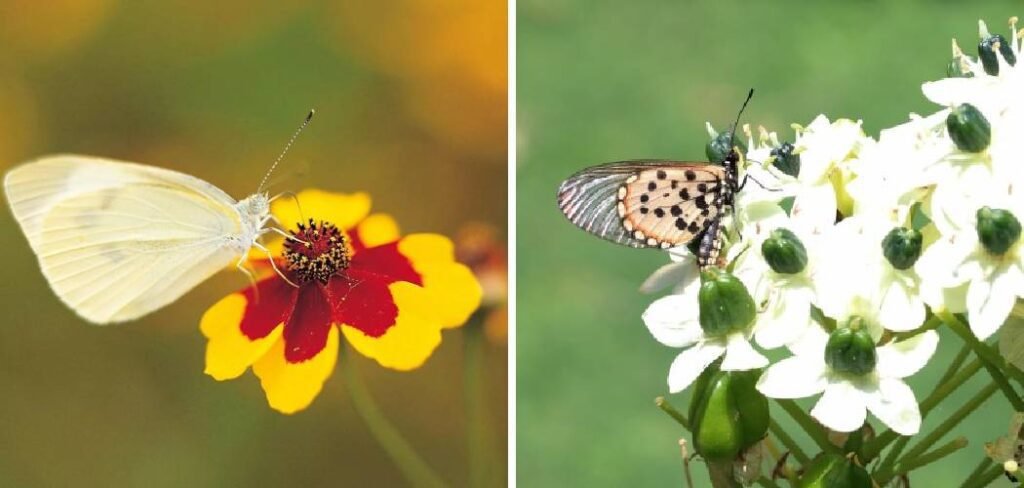
These seemingly harmless insects lay eggs that hatch into voracious caterpillars capable of causing significant damage. This guide will walk you through effective and sustainable methods for how to get rid of white butterflies in the garden, protecting your plants while maintaining a balanced environment for beneficial wildlife.
Understanding the Cabbage White Butterfly Problem
Before diving into solutions, it’s helpful to understand why these white butterflies are a concern. The primary culprit is the Cabbage White butterfly (Pieris rapae). While the adult butterflies themselves are pollinators that feed on nectar, the real issue lies with their offspring. They lay their small, yellowish, football-shaped eggs on the undersides of leaves, particularly on brassica plants like cabbage, kale, broccoli, and cauliflower. Within a few days, these eggs hatch into green caterpillars known as “cabbage worms.” These caterpillars are relentless eaters, chewing large, ragged holes in leaves, which can stunt plant growth, reduce your harvest, and in severe cases, kill the plant entirely. Managing the adult butterfly population is a key step in preventing a caterpillar infestation.
7 Step-by-Step Guide for How to Get Rid of White Butterflies in the Garden
Protecting your garden from these pests requires a multi-faceted approach. By combining preventative measures with active removal strategies, you can effectively manage their population and keep your plants healthy.
Step 1: Identify the Butterflies and Their Eggs
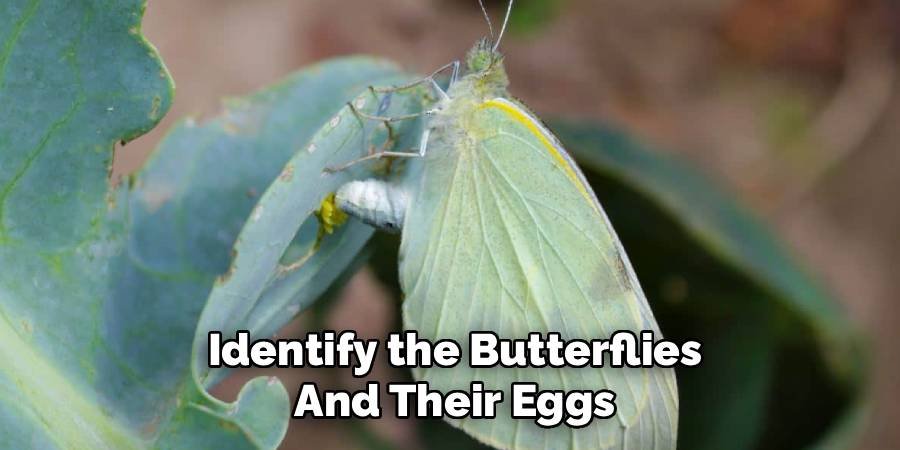
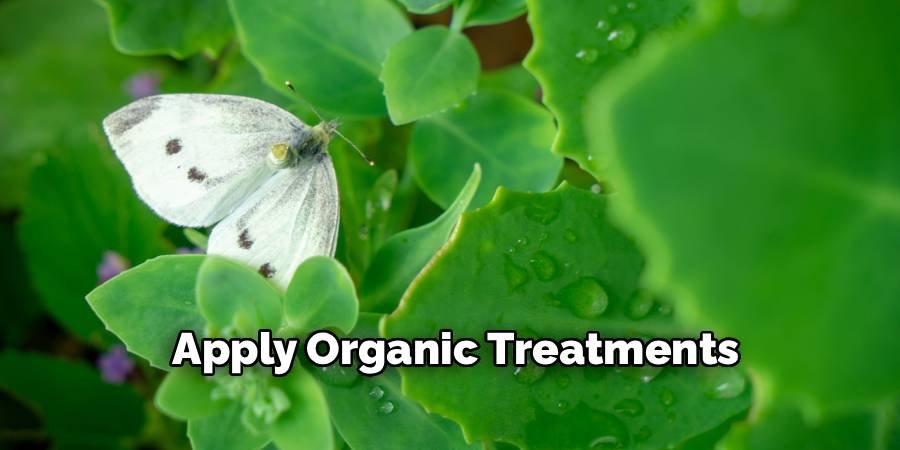
First, confirm you are dealing with Cabbage White butterflies. They are small to medium-sized, typically white or creamy-yellow, with one or two small black dots on their wings. Once you have identified the adults, the next crucial task is to search for their eggs. Regularly inspect the undersides of the leaves of susceptible plants. Look for tiny, elongated, yellowish eggs, often laid singly rather than in large clusters. Finding and removing these eggs is one of the most effective preventative measures you can take, stopping the problem before the destructive caterpillars even hatch and begin to feed on your precious garden.
Step 2: Introduce Physical Barriers
One of the simplest and most effective ways to protect your plants is to prevent the butterflies from ever reaching them. Use physical barriers like floating row covers or fine-mesh insect netting to shield your crops. Drape the netting directly over the plants or create a low tunnel using hoops. Ensure the edges are securely sealed to the ground with soil, rocks, or pins to prevent any gaps. This barrier method is best implemented right after planting your seedlings, well before the butterflies become active in your garden, ensuring your vulnerable plants are protected from day one.
Step 3: Encourage Natural Predators
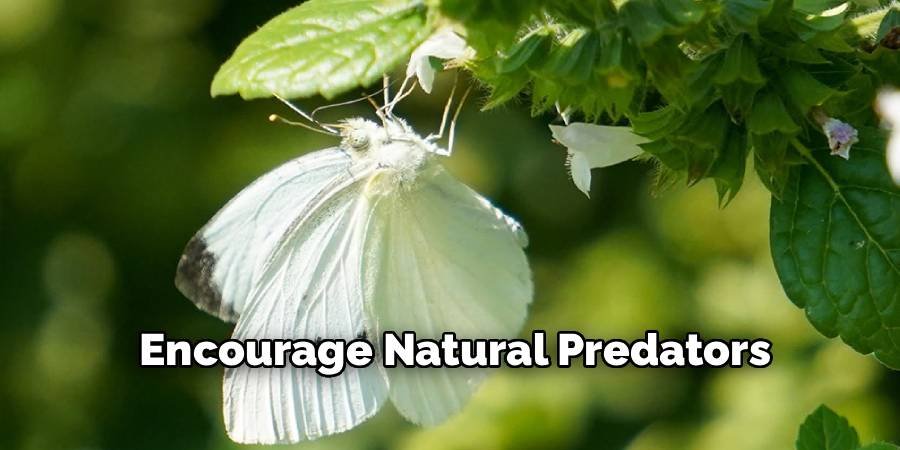
Your garden’s ecosystem can be your greatest ally. Attract natural predators that feed on Cabbage White butterflies and their caterpillars. Birds, lacewings, parasitic wasps (like the Trichogramma wasp), and ladybugs are all excellent helpers. You can encourage these beneficial creatures by planting a diverse range of flowers and herbs that provide them with nectar and shelter. Plants like dill, fennel, cilantro, and yarrow are particularly good at attracting these predatory insects. Creating a welcoming habitat for these natural enemies helps establish a self-regulating system that keeps pest populations, including white butterflies, in check without chemicals.
Step 4: Use Decoy Moths
Cabbage White butterflies are known to be territorial. You can use this behavior to your advantage by creating simple decoys. Make small, butterfly-shaped cutouts from white plastic, such as from a milk jug or yogurt container, and place them on sticks throughout your vegetable patch. When a real Cabbage White butterfly sees these “rivals” already occupying the territory, it will often move on to find a less crowded place to lay its eggs. While not a foolproof solution on its own, this clever trick can significantly reduce the number of eggs laid in your garden when used with other methods.
Step 5: Practice Companion Planting
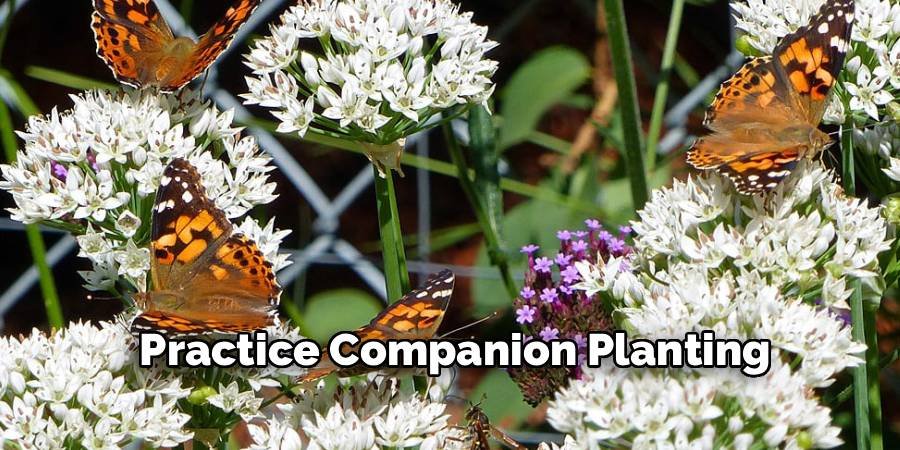
Companion planting is a time-honored gardening technique that uses the natural properties of different plants to benefit each other. Certain aromatic herbs and flowers can mask the scent of your brassica crops, making it harder for Cabbage White butterflies to locate them. Try interplanting your kale, broccoli, and cabbage with strong-smelling plants like thyme, oregano, mint, or marigolds. Not only does this help deter pests, but it also adds diversity and beauty to your garden beds. This strategy is a core component of learning how to get rid of white butterflies in the garden sustainably.
Step 6: Hand-Pick Caterpillars and Eggs
Diligent manual removal is a highly effective, albeit time-consuming, method. Set aside time each day or every few days to carefully inspect your plants, especially the undersides of leaves where caterpillars and eggs hide. Pluck them off by hand and drop them into a bucket of soapy water. This direct approach prevents further damage immediately and is completely organic and safe for your garden. While it requires consistency, hand-picking ensures that you are only removing the target pest without harming any beneficial insects that might be present on your plants.
Step 7: Apply Organic Treatments
If an infestation becomes overwhelming, several organic treatments can help. One popular option is Bacillus thuringiensis (Bt), a naturally occurring soil bacterium that is toxic to caterpillars but harmless to humans, pets, and beneficial insects. It must be ingested by the caterpillars to be effective, so spray it thoroughly on the leaves of affected plants. Another option is a simple homemade garlic or hot pepper spray, which can act as a repellent. For any treatment, always follow the application instructions carefully and apply it during the cooler parts of the day to avoid leaf scorch.
Frequently Asked Questions (FAQ)
What Plants Do White Butterflies Avoid?
White butterflies, specifically the Cabbage White, are primarily attracted to plants in the brassica family. To deter them, you can focus on planting species they tend to avoid. These include strong-scented herbs and plants like:
- Thyme
- Rosemary
- Lavender
- Sage
- Mint
- Marigolds
- Nasturtiums
Interplanting these among your vulnerable vegetables can help confuse the butterflies and mask the scent of their preferred host plants, making your garden a less attractive place for them to lay eggs.
Are White Butterflies Bad for the Garden?
It depends on the butterfly and the plants you are growing. The adult Cabbage White butterfly is a pollinator and not directly harmful. The problem is its larvae, the cabbage worm, which can devastate crops in the brassica family (cabbage, kale, broccoli, etc.). If you are not growing these vegetables, the butterflies are generally harmless and part of a healthy ecosystem. However, for a vegetable gardener, their presence is a warning sign of a potential caterpillar infestation that requires management to protect the harvest.
How Do I Make a Natural Butterfly Repellent Spray?
You can easily make a natural repellent spray at home using common kitchen ingredients. One effective recipe involves garlic. Mince a whole bulb of garlic and let it soak in two cups of hot water overnight. Strain the mixture the next day and add a teaspoon of mild dish soap, which helps the spray adhere to the leaves. Pour it into a spray bottle and apply it to the tops and undersides of leaves. The strong scent deters butterflies from landing and laying eggs. Reapply every few days, especially after rain.
When Is the Best Time to Put Up Garden Netting?
The best time to install garden netting or row covers is immediately after you plant your seedlings or sow your seeds. The goal is to create a physical barrier before the Cabbage White butterflies become active in the spring and start looking for host plants. By covering the plants early, you prevent the first generation of butterflies from laying their eggs on your crops. Make sure the netting is secure at the edges to ensure there are no entry points for the pests throughout the growing season.
Will Soapy Water Kill Cabbage Worms?
Yes, a simple solution of soapy water can be effective at killing cabbage worms on contact. Mix a few teaspoons of a mild, biodegradable dish soap into a spray bottle filled with water. The soap works by breaking down the caterpillar’s outer protective layer, causing it to dehydrate. This is a good spot treatment for when you find a few caterpillars. However, be sure to test the spray on a small part of the plant first to ensure it doesn’t cause damage to the leaves.
Conclusion
Protecting your garden from pests is an integral part of growing your own food. While the sight of a Cabbage White butterfly might seem lovely at first, their presence is a clear signal to take action, especially if you are cultivating brassicas. By using a combination of physical barriers, encouraging natural predators, practicing smart companion planting, and staying vigilant with manual removal, you can manage their population effectively. These methods offer a sustainable and rewarding path to a healthy, productive garden. Now that you know how to get rid of white butterflies in the garden, you are well-equipped to protect your harvest and enjoy the fruits of your labor.

About Ravuk Barg
B.Sc. Horticulture Science | Certified Master Gardener
Ravuk Barg has spent more than a decade with his hands in the soil and his head full of questions about why some gardens thrive while others struggle. What started as a single raised bed of tomatoes and basil in a modest backyard has grown into a deep, working knowledge of everything from seed germination and soil amendment to companion planting and seasonal pruning.
Over the years, Ravuk has gardened through drought summers, waterlogged springs, and pest invasions that would make most gardeners hang up their trowels for good. Those hard seasons, he’ll tell you, taught him more than any perfect growing year ever could. He writes from that earned experience—covering vegetable growing, ornamental planting, houseplant care, composting, and garden design with equal confidence and curiosity.
Philosophy & Approach
Ravuk’s approach to gardening is rooted in practicality. He favors organic methods not out of dogma, but because they work long-term—resulting in healthier soil, fewer inputs, and stronger plants. He has a particular fondness for heirloom vegetable varieties (the kind with proper flavor), unruly cottage-style flower beds, and the stubborn houseplants that everyone else gave up on.
The Mission: Give readers the honest, experience-backed advice that helps them actually succeed in their gardens—not just the ideal version, but the real one; weeds, failures, and all.
Education & Credentials
-
B.Sc. in Horticulture Science
-
Greenfield Agricultural University
-
Focus: Plant Physiology, Soil Ecology, and Sustainable Crop Production
-
-
Master Gardener Certification
-
Cooperative Extension Service
-
Focus: 200+ hours of hands-on practical training and community garden work
-
Continuing Education
-
Organic Pest Management
-
Native Plant Landscaping
-
Sustainable Crop Production