

Walking barefoot across a lush, green lawn is one of summer’s simple joys. However, that idyllic experience can quickly turn painful when you encounter sharp, spiky weeds. These pesky invaders, often called bindii, burweed, or sticker weeds, can take over your turf, making it an unwelcoming space for family and pets.
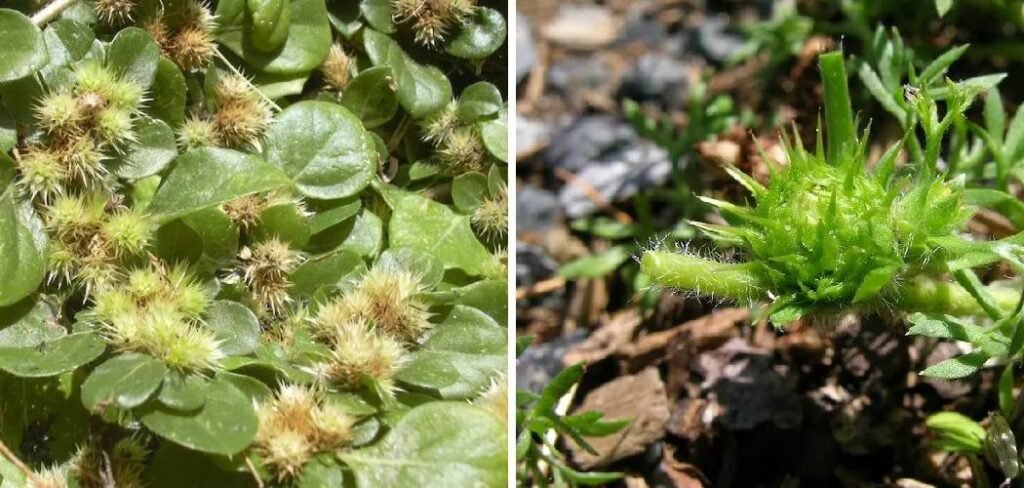
Learning how to get rid of prickles in lawn areas is essential for reclaiming your yard. This guide will walk you through a clear, step-by-step process to eliminate these nuisances and prevent their return. With a bit of knowledge and effort, you can transform your prickly problem into a soft, beautiful lawn you can enjoy all year round.
Why Prickles Invade Your Lawn
Prickly weeds are opportunistic and thrive in specific conditions. Understanding why they appear is the first step toward effective removal. Typically, these weeds favor lawns that are thin, stressed, or under-nourished. Compacted soil, which restricts the flow of water, air, and nutrients to your grass roots, creates a perfect environment for tough, shallow-rooted weeds to establish themselves. Similarly, if your grass is cut too short, it can’t effectively block the sunlight that these weeds need to germinate.
Dry conditions and a lack of essential nutrients further weaken your lawn’s natural defenses, giving prickles an open invitation to move in and spread. By addressing these underlying issues, you not only remove the current infestation but also make your lawn resilient against future invasions.
6 Step-by-Step Guide on How to Get Rid of Prickles in Lawn
Step 1: Identify the Type of Prickle Weed
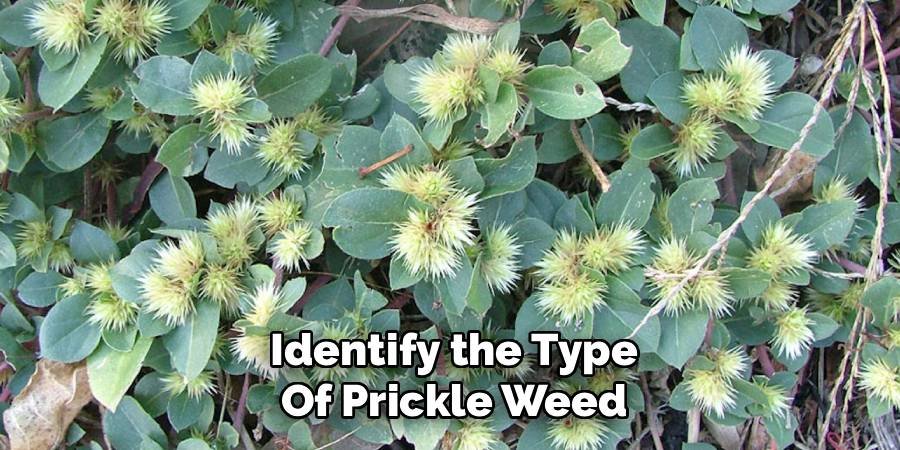
Before you begin treatment, it’s important to correctly identify the weed you’re dealing with. The most common culprit is often Soliva sessilis, known as bindii, jo-jo, or onehunga-weed. This weed looks like a small, low-growing parsley or carrot top plant during its growth phase in winter and early spring. As temperatures rise, it produces a small, inconspicuous flower that develops into a hard, spiky seed pod or “burr.” Other prickly weeds include thistles and goatheads (puncturevine). Take a close look at the plant’s leaves, growth habit, and the structure of the prickle itself to confirm its identity, as this will help you choose the most effective removal method.
Step 2: Time Your Attack for Maximum Impact
Timing is everything when it comes to eradicating prickle weeds. The most effective time to act is in late winter or early spring, before the plants have had a chance to flower and produce their sharp, spiky seeds. At this stage, the weeds are young, vulnerable, and actively growing, making them much more susceptible to herbicides. Treating them before they set seed breaks their life cycle and prevents a new generation of weeds from sprouting next year. If you wait until summer when the prickles are already sharp and painful, you are only dealing with the aftermath, not the source of the problem.
Step 3: Choose the Right Herbicide
For widespread infestations, a selective herbicide is your most powerful tool. Look for a broadleaf herbicide that is specifically formulated to be safe for your grass type, whether it’s buffalo, couch, kikuyu, or another variety. Products containing active ingredients like MCPA and Dicamba are highly effective against bindii and other broadleaf weeds. Always read the product label carefully to ensure it targets your specific weed problem and is safe for your lawn. Using a non-selective herbicide will kill everything it touches, including your grass, so selecting the correct formula is a critical step.
Step 4: Apply the Herbicide Correctly
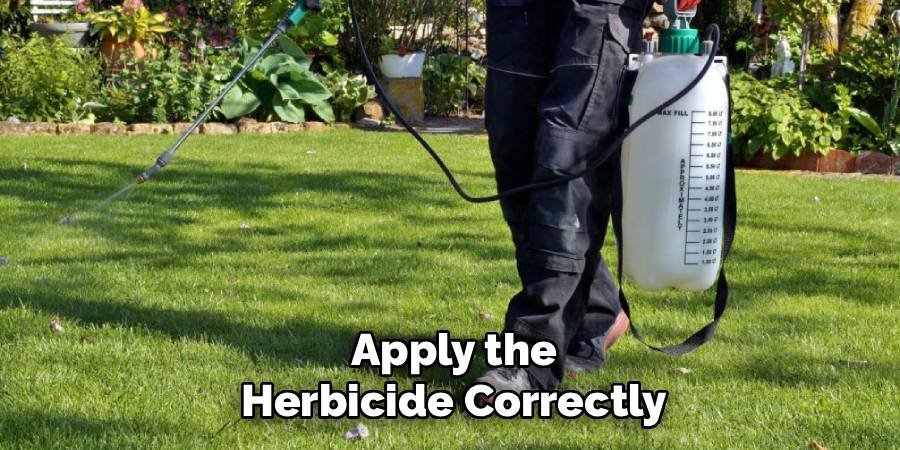
Proper application ensures the herbicide works effectively without damaging your lawn. For liquid concentrates, mix the product with water in a sprayer according to the package directions. Apply the mixture evenly across the affected areas, focusing on covering the weed foliage thoroughly. It is best to spray on a calm, dry day when no rain is forecast for at least 24 hours. This gives the herbicide ample time to be absorbed by the weeds. Avoid mowing your lawn for a few days before and after application to allow for maximum leaf surface area and absorption.
Step 5: Consider Manual Removal for Small Patches
If you only have a few isolated patches of prickle weeds, manual removal can be a quick and effective solution. This method is best done after rain or watering, as the moist soil makes it easier to pull the entire root system out. Use a specialized weeding tool or a long-handled garden fork to loosen the soil around the base of the plant before pulling it. Be sure to remove the entire taproot, as any fragments left behind can regrow. This chemical-free approach is ideal for small areas and for gardeners who prefer an organic method for lawn care.
Step 6: Improve Your Lawn’s Health to Prevent Regrowth
A thick, healthy lawn is the best defense against weeds. After treating the prickles, focus on improving your turf’s overall condition. Aerate compacted soil to improve drainage and nutrient absorption. Fertilize your lawn in the spring and autumn with a slow-release, balanced fertilizer to encourage dense growth. Proper feeding helps your grass outcompete weeds for resources like sunlight, water, and space. A strong, vigorous lawn will naturally choke out new weed seedlings before they can establish themselves, making it a crucial part of learning how to get rid of prickles in lawn for the long term.

Adjust Your Mowing and Watering Habits
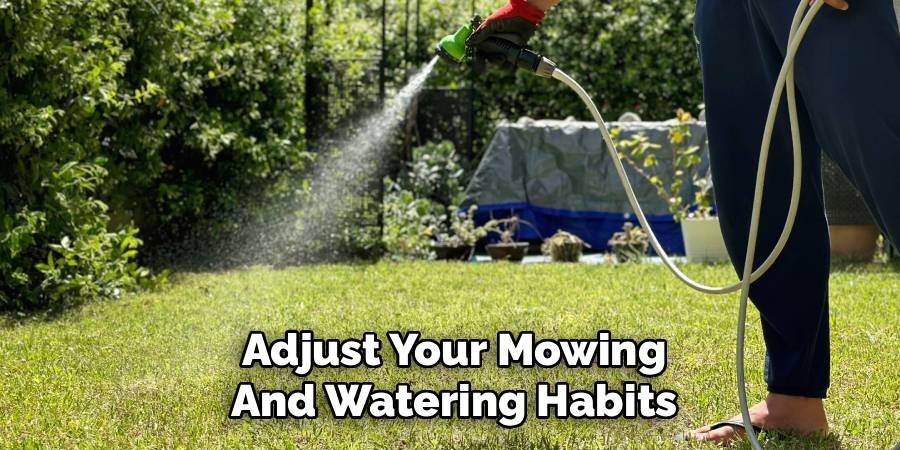
Your routine lawn care practices play a significant role in weed prevention. Avoid cutting your grass too short. Mowing at a higher setting allows the grass blades to grow thicker and taller, creating a canopy that shades the soil and prevents weed seeds from germinating. Additionally, practice deep and infrequent watering. This encourages your grass to develop a deep, robust root system that is more resilient to drought and better at competing with shallow-rooted weeds like bindii. A healthy watering schedule ensures your lawn stays strong and less susceptible to invasion.
Common Mistakes to Avoid
When maintaining a healthy lawn, it’s important to be mindful of common errors that can undermine your efforts. One frequent mistake is over-fertilizing, which can lead to nutrient imbalances and excessive growth that weakens the grass. Another is mowing too low, often referred to as “scalping.” Scalping exposes the soil to sunlight, encouraging weed growth and leaving the grass vulnerable to stress and pests. Additionally, neglecting to aerate your lawn can result in soil compaction, reducing oxygen and water penetration to the roots. Being informed about these pitfalls will help you maintain a lush and thriving lawn.
Frequently Asked Questions (FAQ)
What Is the Best Time of Year to Spray for Prickles?
The ideal time to spray for prickles is during late winter or early spring. This is when the weeds are in their active growth phase but have not yet produced flowers or the sharp, spiky seed pods. Treating them at this stage is more effective and prevents them from spreading for the next season. Applying herbicides before the seeds form breaks their life cycle.
Can I Get Rid of Lawn Prickles Without Using Chemicals?
Yes, you can manage prickles without chemicals, though it requires more effort. For small infestations, manual removal with a weeding tool can be effective, especially when the soil is moist. The most important organic strategy is to improve your lawn’s health by:
- Aerating the soil
- Fertilizing regularly
- Mowing at a higher setting
- Watering deeply but infrequently
A thick, healthy lawn will naturally choke out weeds.
Will Boiling Water Kill Prickles in My Lawn?
Boiling water can kill prickle weeds, but it is a non-selective method, meaning it will also kill any grass and beneficial soil microbes it touches. This technique is best reserved for small patches of weeds growing in pavement cracks or garden paths, not for use on your lawn. Applying it to your turf will result in dead, brown patches that will need to be reseeded.
How Long Does It Take for Herbicides to Kill Prickles?
After applying a selective herbicide, you should start to see the prickle weeds begin to wilt and die within 7 to 14 days. The exact timeframe can vary depending on the type of herbicide used, the weather conditions, and the growth stage of the weed. For best results, apply the herbicide on a dry, calm day and avoid mowing for a few days before and after treatment to allow for full absorption.
Why Do Prickles Keep Coming Back Every Year?
Prickles often return because their seeds can remain dormant in the soil for years. An infestation one year can leave behind thousands of seeds that are ready to sprout when conditions are right. This is why a multi-faceted approach is necessary. You must not only kill the existing plants but also improve your lawn’s health to create an environment where new weed seedlings cannot compete and establish themselves.
Conclusion
Reclaiming your lawn from sharp, painful prickles is a manageable goal that pays off with a beautiful, comfortable outdoor space. By identifying the weeds, timing your treatment correctly, and choosing the right method—whether it’s a selective herbicide or manual removal—you can effectively eliminate the current problem. More importantly, focusing on long-term lawn health through proper mowing, watering, and fertilizing will create a dense, resilient turf that naturally prevents future invasions. Now that you know how to get rid of prickles in lawn areas, you are well-equipped to win the battle and enjoy a soft, prickle-free yard for years to come.

About Ravuk Barg
B.Sc. Horticulture Science | Certified Master Gardener
Ravuk Barg has spent more than a decade with his hands in the soil and his head full of questions about why some gardens thrive while others struggle. What started as a single raised bed of tomatoes and basil in a modest backyard has grown into a deep, working knowledge of everything from seed germination and soil amendment to companion planting and seasonal pruning.
Over the years, Ravuk has gardened through drought summers, waterlogged springs, and pest invasions that would make most gardeners hang up their trowels for good. Those hard seasons, he’ll tell you, taught him more than any perfect growing year ever could. He writes from that earned experience—covering vegetable growing, ornamental planting, houseplant care, composting, and garden design with equal confidence and curiosity.
Philosophy & Approach
Ravuk’s approach to gardening is rooted in practicality. He favors organic methods not out of dogma, but because they work long-term—resulting in healthier soil, fewer inputs, and stronger plants. He has a particular fondness for heirloom vegetable varieties (the kind with proper flavor), unruly cottage-style flower beds, and the stubborn houseplants that everyone else gave up on.
The Mission: Give readers the honest, experience-backed advice that helps them actually succeed in their gardens—not just the ideal version, but the real one; weeds, failures, and all.
Education & Credentials
-
B.Sc. in Horticulture Science
-
Greenfield Agricultural University
-
Focus: Plant Physiology, Soil Ecology, and Sustainable Crop Production
-
-
Master Gardener Certification
-
Cooperative Extension Service
-
Focus: 200+ hours of hands-on practical training and community garden work
-
Continuing Education
-
Organic Pest Management
-
Native Plant Landscaping
-
Sustainable Crop Production