

Finding mushrooms popping up in your carefully tended garden beds can be both surprising and concerning. While many gardeners wonder how to get rid of mushrooms in garden bed areas, it’s important to understand that these fungi are often indicators of healthy soil conditions. However, if mushrooms are appearing where you don’t want them or potentially pose safety concerns, there are effective methods to manage and eliminate them.
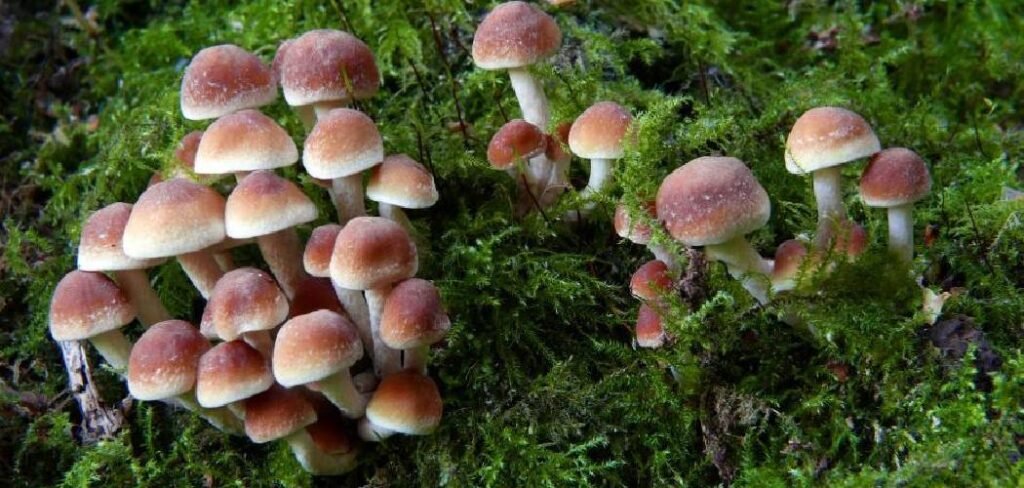
Mushrooms typically grow in areas with high moisture, organic matter, and specific soil conditions. They feed on decomposing materials like wood chips, roots, or other organic debris beneath the surface. Most garden mushrooms are harmless, but some varieties can be toxic, making identification and removal important for households with children or pets.
The good news is that mushroom removal doesn’t require harsh chemicals or expensive treatments. With the right approach, you can address both the visible mushrooms and the underlying conditions that promote their growth, creating a garden environment that’s both beautiful and safe for your family.
Why You Need to Remove Garden Mushrooms
Garden mushrooms may seem harmless, but several compelling reasons make their removal a priority for many homeowners. Safety concerns top the list, especially for families with curious children or pets who might accidentally ingest unknown mushroom varieties.
Some mushrooms can be highly toxic, causing severe illness or even death if consumed. Since proper identification requires expert knowledge, the safest approach is removal rather than guessing whether they’re harmless.
Beyond safety, mushrooms can indicate underlying moisture problems that may affect your plants. Excessive fungal growth often signals poor drainage, overwatering, or soil conditions that aren’t ideal for many garden plants. Addressing mushroom growth helps create better growing conditions for your desired vegetation.
Aesthetically, mushrooms can detract from your garden’s appearance, especially in formal landscapes or areas where you’ve invested significant time and money in design. Removing them helps maintain the visual appeal you’ve worked to create.
9 Step-by-Step Guide on How to Get Rid of Mushrooms in Garden Bed
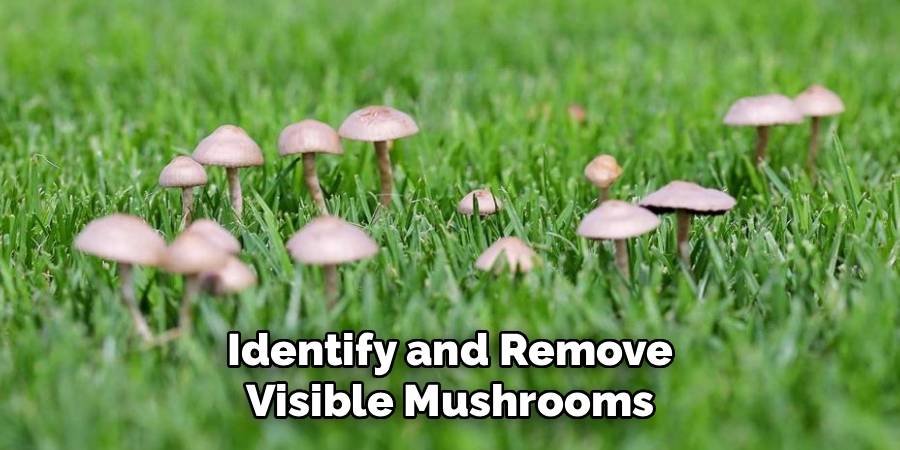
Step 1: Identify and Remove Visible Mushrooms
Begin by carefully removing all visible mushrooms from your garden bed. Wear gloves to avoid direct contact, and use a small spade or your hands to remove the entire mushroom, including the base. Place removed mushrooms directly into a garbage bag rather than composting them, as this prevents spores from spreading to other areas of your garden. Work systematically through the entire bed to ensure you don’t miss any hidden specimens.
Step 2: Locate and Remove Underground Fungal Networks
Dig gently around areas where mushrooms appeared to locate the white, thread-like fungal networks called mycelium. These underground structures are the main body of the fungus, with mushrooms being just the visible fruiting bodies. Remove as much of this white, web-like material as possible, along with any decomposing organic matter it’s attached to. This step is crucial because leaving mycelium in place will likely result in new mushroom growth.
Step 3: Improve Soil Drainage
Poor drainage creates the moist conditions that fungi love. Test your soil drainage by digging a hole about 12 inches deep and filling it with water. If water remains after 24 hours, you have drainage issues. Improve drainage by adding coarse sand, perlite, or small gravel to heavy clay soils. Consider installing French drains or raised beds in areas with persistent drainage problems. Proper drainage prevents water from pooling and reduces the moisture levels that encourage fungal growth.
Step 4: Adjust Your Watering Practices
Overwatering is one of the primary causes of mushroom growth in garden beds. Reduce watering frequency and water deeply but less often to encourage plant roots to grow deeper while allowing soil surface to dry between waterings. Water early in the morning so plants have time to dry before evening, reducing the humid conditions fungi prefer. Use soaker hoses or drip irrigation to deliver water directly to plant roots rather than wetting the entire soil surface.
Step 5: Remove Organic Debris and Mulch
Fungi feed on decomposing organic matter, so removing their food source is essential. Clear away fallen leaves, dead plant material, and any rotting wood or roots from the affected area. If you use organic mulch like wood chips or bark, consider temporarily removing it from problem areas. While organic mulches provide many benefits, they can also create ideal conditions for fungal growth when combined with excessive moisture.
Step 6: Apply Baking Soda Treatment
Create a natural fungal treatment by mixing 2 tablespoons of baking soda with 1 gallon of water. Spray this solution directly onto the soil where mushrooms appeared, ensuring thorough coverage. The alkaline nature of baking soda changes soil pH temporarily, creating conditions less favorable for fungal growth. Reapply this treatment weekly for 3-4 weeks, but monitor your plants for any signs of stress, as some plants prefer acidic soil conditions.
Step 7: Increase Air Circulation
Stagnant air contributes to the humid conditions that promote mushroom growth. Prune overcrowded plants to improve air movement through your garden beds. Remove lower branches from shrubs and trees to increase airflow at soil level. Consider the spacing between plants when planning future garden layouts, ensuring adequate room for air circulation. Good air movement helps soil dry more quickly after watering or rain, reducing favorable conditions for fungi.
Step 8: Apply Lime to Adjust Soil pH
Most mushroom-producing fungi prefer slightly acidic soil conditions. Test your soil pH using a simple test kit, and if it’s below 7.0, consider applying agricultural lime to raise the pH toward neutral or slightly alkaline. Follow package directions for application rates based on your soil type and current pH level. Higher pH levels make the environment less hospitable for many types of fungi while still supporting healthy plant growth for most garden plants.
Step 9: Install Physical Barriers
In areas where mushrooms persistently return, consider installing physical barriers to prevent spore germination. Landscape fabric can block mushroom development while still allowing water and nutrients to reach plant roots. Apply a thin layer of sand over the fabric before adding decorative mulch. This creates a barrier between the soil and organic mulch, reducing direct contact between decomposing materials and soil fungi.
Maintaining Your Mushroom-Free Garden
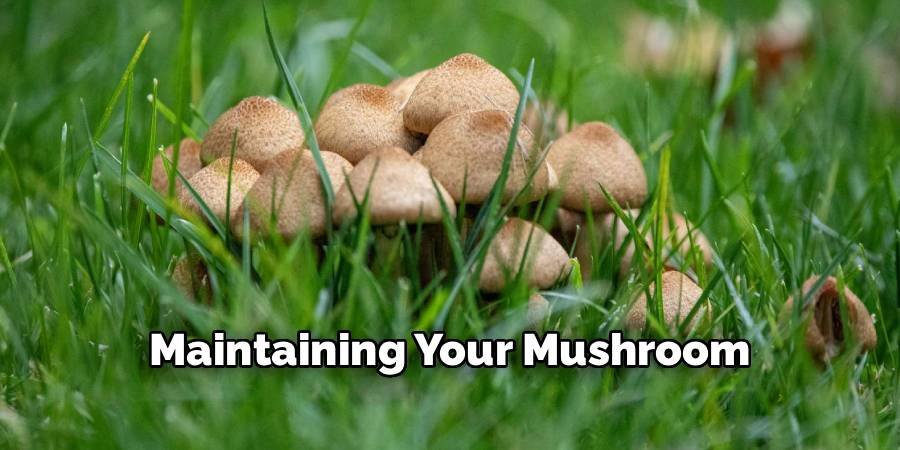
Once you’ve successfully removed mushrooms from your garden beds, maintaining these conditions requires ongoing attention to the environmental factors that promoted their initial growth. Regular soil monitoring helps you catch potential problems before they become visible mushroom outbreaks.
Continue practicing proper watering techniques, ensuring soil drains well and doesn’t remain consistently saturated. Seasonal maintenance should include removing fallen leaves promptly and clearing away any dead plant material that could serve as food sources for fungi.
Consider switching to inorganic mulches like gravel or rubber mulch in problem areas, as these don’t provide the organic matter that feeds fungal growth. However, balance this with your plants’ needs for organic soil amendments and nutrients.
Common Mistakes to Avoid
Many gardeners make the mistake of only removing visible mushrooms without addressing underlying causes, leading to recurring problems. Simply mowing over mushrooms or breaking them off at ground level doesn’t eliminate the fungal network beneath the soil surface.
Another common error is assuming all mushrooms are harmful and using harsh chemical treatments that can damage beneficial soil organisms and plant health. Overreacting with excessive fungicide applications can create more problems than solutions.
Neglecting to improve drainage while focusing only on surface treatments often results in temporary fixes that don’t address root causes. Remember that mushrooms are symptoms of environmental conditions, not the primary problem themselves.
FAQ
Can I use bleach to kill mushrooms in my garden?
While bleach can kill mushrooms, it also destroys beneficial soil organisms and can harm plants. Natural methods like improving drainage and removing organic debris are safer and more effective long-term solutions.
Are all garden mushrooms dangerous to children and pets?
Not all mushrooms are toxic, but proper identification requires expertise. Since the risks of misidentification are severe, it’s safest to remove all unknown mushrooms and prevent access by children and pets.
Will removing mulch permanently solve my mushroom problem?
Removing organic mulch can help reduce mushroom growth, but you’ll also need to address drainage issues and watering practices. Consider using inorganic mulch alternatives in problem areas while maintaining organic matter for plant health.
How long does it take to eliminate mushrooms from garden beds?
Complete elimination typically takes 4-6 weeks of consistent treatment and environmental modifications. However, preventing future outbreaks requires ongoing maintenance of proper drainage and watering practices throughout the growing season.
Do mushrooms indicate that my soil is unhealthy?
Mushrooms often indicate healthy, organic-rich soil with good microbial activity. However, their presence can also signal excessive moisture or poor drainage conditions that may not be ideal for all garden plants.
Conclusion
Learning how to get rid of mushrooms in garden bed areas successfully requires understanding both immediate removal techniques and long-term prevention strategies. While the process may seem challenging initially, the combination of proper drainage, adjusted watering practices, and environmental modifications creates lasting results that benefit your entire garden ecosystem.
Remember that mushrooms are nature’s recyclers, breaking down organic matter and indicating active soil biology. Rather than viewing them as purely problematic, use their appearance as valuable information about your garden’s moisture levels and soil conditions.
The methods outlined in this guide provide safe, effective alternatives to harsh chemical treatments while addressing the root causes that promote fungal growth. With consistent application of these techniques, you’ll create garden beds that remain beautiful, safe, and free from unwanted mushroom growth.
Your garden will thrive with improved drainage, proper watering schedules, and the balanced environment these practices create. The time invested in comprehensive mushroom management pays dividends through healthier plants, reduced maintenance concerns, and the peace of mind that comes with a safe, well-managed garden space.

About Ravuk Barg
B.Sc. Horticulture Science | Certified Master Gardener
Ravuk Barg has spent more than a decade with his hands in the soil and his head full of questions about why some gardens thrive while others struggle. What started as a single raised bed of tomatoes and basil in a modest backyard has grown into a deep, working knowledge of everything from seed germination and soil amendment to companion planting and seasonal pruning.
Over the years, Ravuk has gardened through drought summers, waterlogged springs, and pest invasions that would make most gardeners hang up their trowels for good. Those hard seasons, he’ll tell you, taught him more than any perfect growing year ever could. He writes from that earned experience—covering vegetable growing, ornamental planting, houseplant care, composting, and garden design with equal confidence and curiosity.
Philosophy & Approach
Ravuk’s approach to gardening is rooted in practicality. He favors organic methods not out of dogma, but because they work long-term—resulting in healthier soil, fewer inputs, and stronger plants. He has a particular fondness for heirloom vegetable varieties (the kind with proper flavor), unruly cottage-style flower beds, and the stubborn houseplants that everyone else gave up on.
The Mission: Give readers the honest, experience-backed advice that helps them actually succeed in their gardens—not just the ideal version, but the real one; weeds, failures, and all.
Education & Credentials
-
B.Sc. in Horticulture Science
-
Greenfield Agricultural University
-
Focus: Plant Physiology, Soil Ecology, and Sustainable Crop Production
-
-
Master Gardener Certification
-
Cooperative Extension Service
-
Focus: 200+ hours of hands-on practical training and community garden work
-
Continuing Education
-
Organic Pest Management
-
Native Plant Landscaping
-
Sustainable Crop Production