

Finding a beautiful lawn dotted with dozens of spider webs can be unsettling for any homeowner. While most lawn spiders are harmless and even beneficial, controlling their populations can improve your family’s comfort and your yard’s appearance. Many people wonder about the most effective ways to manage these eight-legged residents without resorting to harsh chemicals.
Fortunately, there are several simple and eco-friendly methods to reclaim your green space. This guide will walk you through everything you need to know about how to get rid of lawn spiders, helping you create a more enjoyable outdoor environment for everyone.
Why Spiders Are Actually Good for Your Lawn
Before we jump into removal methods, it’s helpful to understand the role spiders play in your yard’s ecosystem. Spiders are natural predators that act as a built-in pest control service. They feast on a wide variety of insects that can damage your grass and garden plants, including aphids, mites, and grasshoppers. By keeping these pest populations in check, spiders contribute to a healthier, more balanced lawn. While a large infestation might be a nuisance, a small number of spiders is a sign of a thriving environment. Recognizing their benefits can help you decide on a balanced approach to management rather than complete eradication.
8 Step Methods Guide on How to Get Rid of Lawn Spiders
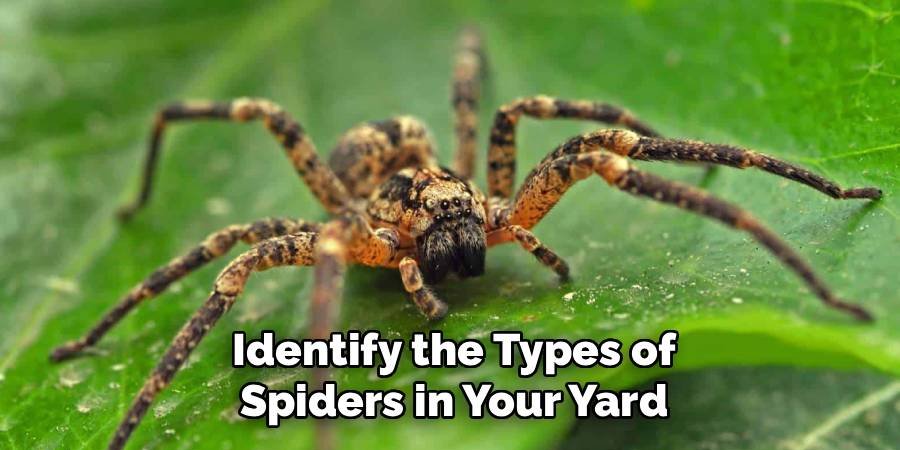
Step 1: Identify the Types of Spiders in Your Yard
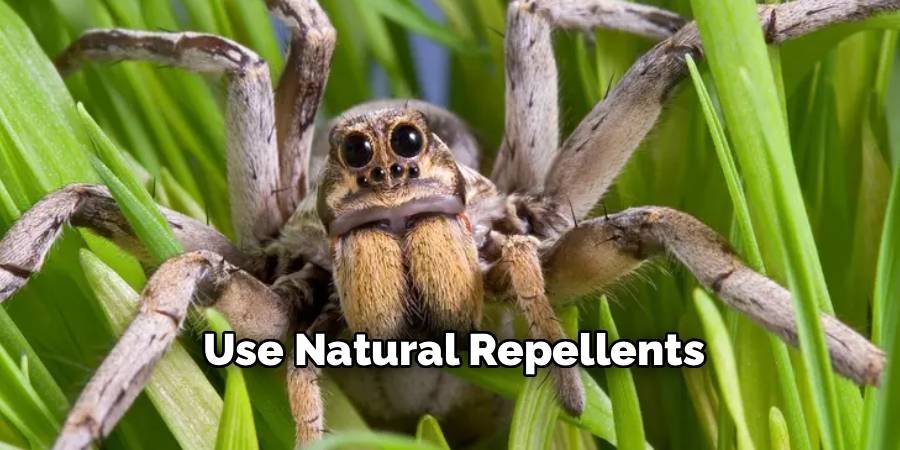
The first step in managing lawn spiders is to identify what kind you are dealing with. Most spiders you find in your grass, like wolf spiders and grass spiders, are harmless to humans and pets. Grass spiders are known for creating funnel-shaped webs that become highly visible with morning dew. Wolf spiders, on the other hand, are hunters that do not build webs to catch prey. Identifying them can help you understand their behavior. Knowing whether the spiders are beneficial or potentially harmful (like a black widow, which is rare in lawns) will inform your next steps and help you choose the most appropriate control method.
Step 2: Clean Up and Declutter Your Lawn
Spiders love to hide in dark, undisturbed places. A cluttered yard provides the perfect environment for them to thrive. To make your lawn less inviting, start by removing potential hiding spots. This includes clearing away woodpiles, stacks of rocks, old flower pots, and any other debris. Make sure to regularly rake up fallen leaves and grass clippings. By tidying up your outdoor space, you eliminate the shelters spiders rely on, forcing them to move elsewhere to find protection from predators and the elements. This simple cleanup is a crucial part of long-term spider management.
Step 3: Practice Proper Lawn Maintenance
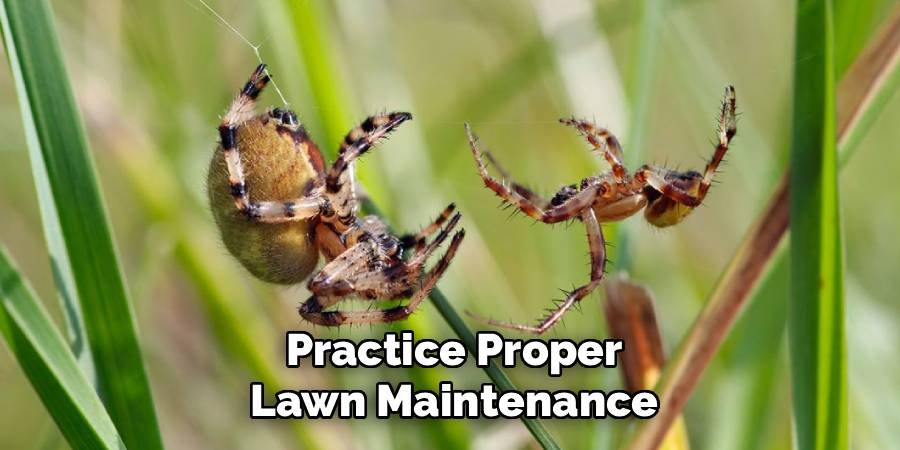
A well-maintained lawn is less attractive to spiders and the insects they feed on. Keep your grass mowed to the appropriate height, as tall grass offers more cover for spiders to hide and hunt. Regular watering is also key, but be careful not to overwater. Excess moisture can attract other pests, which in turn attract spiders looking for a meal. Additionally, aerating your lawn can disrupt existing spider habitats and improve drainage, making the soil less hospitable for many insects. Consistent lawn care is a fundamental strategy for keeping spider populations under control naturally.
Step 4: Reduce Outdoor Lighting
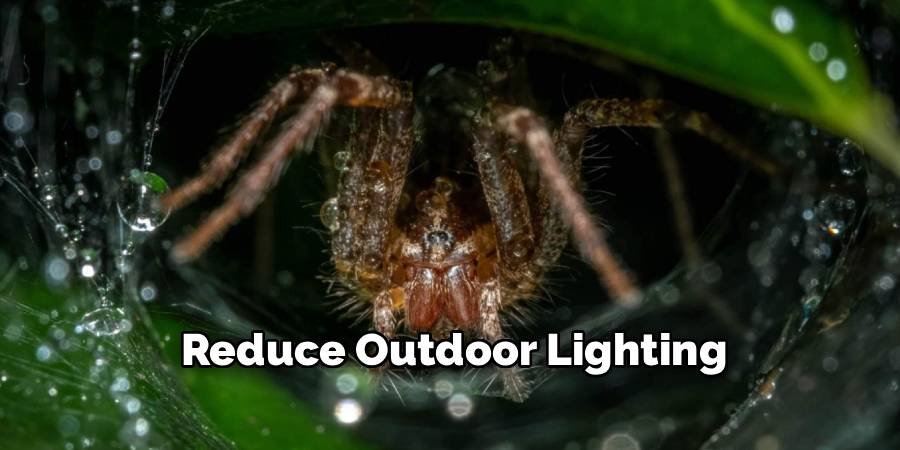
Many insects are drawn to bright lights at night, and where insects go, spiders are sure to follow. Porch lights, security floodlights, and landscape lighting can create a buffet for spiders. To reduce their food source, consider switching to yellow “bug-repellent” bulbs, which are less attractive to insects. You can also use motion-activated lights that only turn on when needed. By minimizing the amount of light around your home’s perimeter and in your yard, you will attract fewer insects, leading to fewer spiders setting up webs nearby.
Step 5: Encourage Natural Predators
One of the best ways to control spider populations is to let nature do the work for you. Many birds, lizards, and even other insects are natural predators of spiders. You can make your yard more welcoming to these helpful creatures by adding a bird bath, bird feeders, or planting native flowers that attract predatory insects like parasitic wasps. Creating a balanced ecosystem in your yard encourages these predators to stick around and help manage your spider problem for you. This biological control method is a sustainable and effective way to maintain a healthy lawn.
Step 6: Use Natural Repellents
If you prefer to avoid chemicals, several natural repellents can help deter spiders from your lawn. A simple solution of water and a few drops of essential oil, such as peppermint, tea tree, or citrus oil, can be sprayed around your lawn and home foundation. Spiders dislike the strong scent of these oils and will typically avoid areas where they are present. You can also plant lavender, mint, or eucalyptus around your yard, as these plants are known to naturally repel spiders. This is an excellent step in learning how to get rid of lawn spiders without harming your garden.
Step 7: How to Get Rid of Lawn Spiders with Diatomaceous Earth
For a more direct but still natural approach, consider using diatomaceous earth (DE). This fine powder is made from fossilized aquatic organisms and is completely safe for humans and pets when you use the food-grade version. DE works by scratching the spider’s exoskeleton, which causes it to dehydrate and die. Simply sprinkle a light layer of DE in areas where you have noticed high spider activity, such as around the foundation of your home, in garden beds, and near woodpiles. It’s most effective when applied in dry conditions.
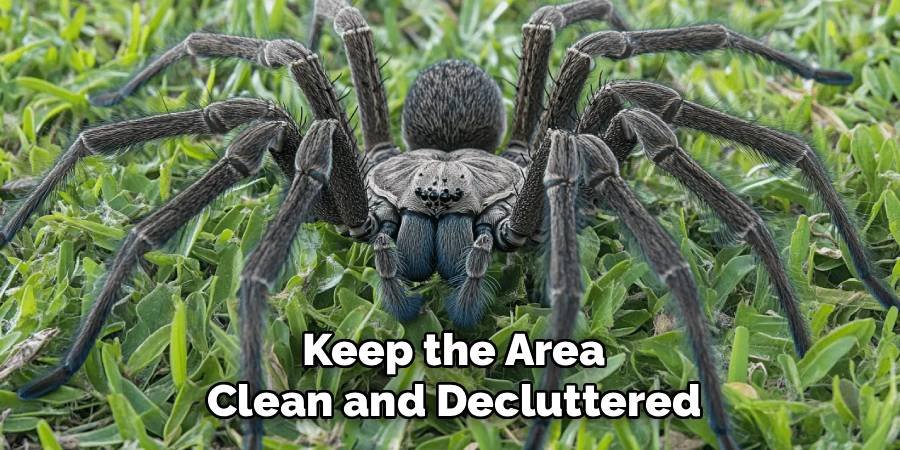
Step 8: Keep the Area Clean and Decluttered
Maintaining a clean and organized space is essential to prevent spider infestations. Spiders are attracted to cluttered areas where they can easily build webs and find safe hiding spots. Regularly vacuum corners, behind furniture, and other seldom-used areas of your home. Make it a habit to remove piles of paper, boxes, and other debris that create ideal environments for spiders. By keeping your living spaces tidy, you reduce the chances of spiders finding suitable shelters inside your home.
Maintenance
To ensure lasting effectiveness, regular maintenance is essential when using natural spider control methods such as diatomaceous earth. Reapply DE after heavy rains or strong winds, as weather conditions can reduce its potency by washing it away or dispersing it. Additionally, monitor the areas where it has been applied and refresh the coating as needed, particularly in high-traffic spots where spiders are frequently observed. Regularly clearing debris, webs, and other potential hiding spots will also complement your efforts by making the environment less attractive to spiders. With consistent upkeep, you can maintain a spider-free space with minimal hassle.
Common Mistakes to Avoid
When trying to keep spiders at bay, certain missteps can reduce the effectiveness of your efforts. One common mistake is relying solely on repellents without pairing them with regular cleaning and maintenance. Neglecting to remove webs, clutter, and potential nesting areas can create conditions that invite spiders back. Another mistake is applying repellents incorrectly, such as using too little product or failing to reapply after heavy rain or cleaning. Additionally, overlooking entry points like cracks, vents, and open windows can allow spiders easy access to your home. By avoiding these errors and taking a comprehensive approach, you can ensure your spider prevention strategies achieve the best results.
Frequently Asked Questions
Are Lawn Spiders Dangerous to Pets?
For the most part, common lawn spiders like grass spiders and wolf spiders are not dangerous to cats and dogs. Their venom is not potent enough to cause serious harm to mammals. While a bite might cause minor irritation, redness, or swelling at the site, it is unlikely to lead to a severe reaction. However, it is always wise to keep pets from playing with or eating spiders. If you live in an area with venomous spiders like black widows or brown recluses, be more cautious, though they rarely inhabit open lawns.
When Is Spider Season in the Lawn?
Spider activity in lawns typically peaks during the late summer and early fall. This is when many spider species reach maturity and begin to mate and lay eggs for the next season. You will likely notice an increase in webs, especially from funnel-weaving grass spiders, during this time. The morning dew in late summer often makes these webs highly visible across the grass. Cooler temperatures in the fall also drive some spiders to seek shelter closer to homes, increasing their presence around your property.
Can I Use Pesticides to Kill Lawn Spiders?
While chemical pesticides can kill spiders, they are often not the best solution for lawn-wide control. Here’s why:
- Broad-spectrum pesticides will also kill beneficial insects, disrupting your lawn’s natural ecosystem.
- Spiders are often more resistant to chemicals than insects and may require direct contact with the spray to be effective.
- Pesticides can be harmful to children, pets, and local wildlife if not used correctly.
It’s generally better to focus on habitat modification and natural deterrents first.
Why Are There So Many Funnel Webs in My Grass?
If your lawn is covered in funnel-shaped webs, you are likely dealing with grass spiders. These spiders are extremely common and harmless. A large number of them indicates two things: your lawn has a healthy population of insects for them to eat, and it provides an ideal habitat with sufficient moisture and cover. While the webs can be an eyesore, the spiders themselves are performing excellent pest control. Following the steps to reduce their food source and shelter will help decrease their numbers.
How Can I Remove Spider Webs from My Lawn?
Removing spider webs from your lawn is straightforward. You can use a broom or a garden rake to sweep them away. For a more powerful approach, a leaf blower can quickly clear webs from grass, shrubs, and the side of your house. Regularly removing webs can discourage spiders from rebuilding in the same spot, though persistent ones might try again. This is a temporary fix, so it works best when combined with other preventive measures that make your yard less hospitable for them.
Conclusion
Managing spiders in your yard does not have to be a daunting task. By focusing on creating a less inviting environment, you can significantly reduce their numbers without harming your lawn’s ecosystem. Simple steps like cleaning up debris, maintaining your grass, reducing outdoor lighting, and using natural repellents can make a huge difference. These methods not only help control spiders but also contribute to a healthier, more beautiful yard overall. Now that you know how to get rid of lawn spiders, you can confidently take action and enjoy your outdoor space to the fullest.

About Ravuk Barg
B.Sc. Horticulture Science | Certified Master Gardener
Ravuk Barg has spent more than a decade with his hands in the soil and his head full of questions about why some gardens thrive while others struggle. What started as a single raised bed of tomatoes and basil in a modest backyard has grown into a deep, working knowledge of everything from seed germination and soil amendment to companion planting and seasonal pruning.
Over the years, Ravuk has gardened through drought summers, waterlogged springs, and pest invasions that would make most gardeners hang up their trowels for good. Those hard seasons, he’ll tell you, taught him more than any perfect growing year ever could. He writes from that earned experience—covering vegetable growing, ornamental planting, houseplant care, composting, and garden design with equal confidence and curiosity.
Philosophy & Approach
Ravuk’s approach to gardening is rooted in practicality. He favors organic methods not out of dogma, but because they work long-term—resulting in healthier soil, fewer inputs, and stronger plants. He has a particular fondness for heirloom vegetable varieties (the kind with proper flavor), unruly cottage-style flower beds, and the stubborn houseplants that everyone else gave up on.
The Mission: Give readers the honest, experience-backed advice that helps them actually succeed in their gardens—not just the ideal version, but the real one; weeds, failures, and all.
Education & Credentials
-
B.Sc. in Horticulture Science
-
Greenfield Agricultural University
-
Focus: Plant Physiology, Soil Ecology, and Sustainable Crop Production
-
-
Master Gardener Certification
-
Cooperative Extension Service
-
Focus: 200+ hours of hands-on practical training and community garden work
-
Continuing Education
-
Organic Pest Management
-
Native Plant Landscaping
-
Sustainable Crop Production