

Discovering patches of brown, dying grass in your otherwise lush lawn can be disheartening. While many issues can cause this, one common culprit is often overlooked: cutworms. These sneaky pests are the larvae of certain moth species, and they get their name from their habit of “cutting” down young plants and grass blades at the soil level. If you’ve noticed your turf thinning out or seen birds frequently pecking at your lawn, you might be dealing with an infestation.
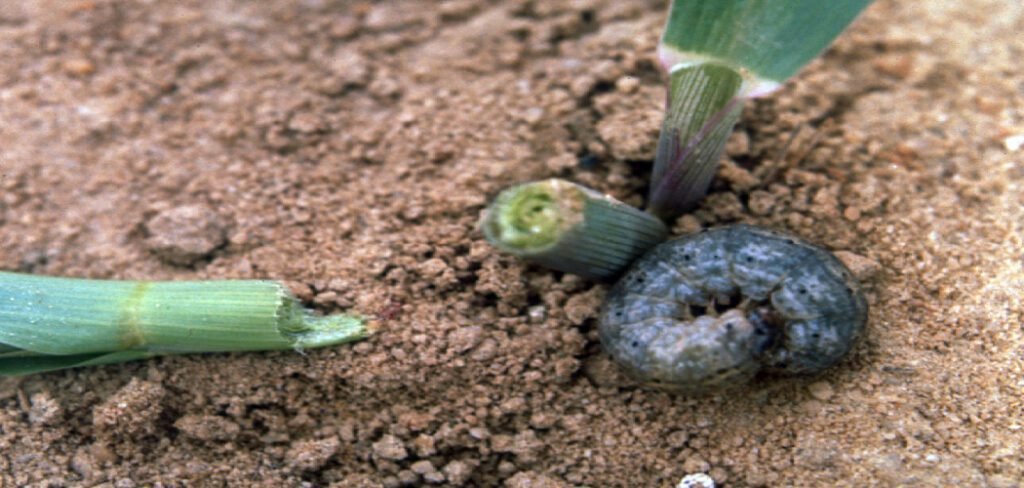
Learning how to get rid of cutworms in lawn is essential for restoring your yard’s health and preventing further damage. This guide will walk you through everything you need to know to reclaim your green space.
Why Tackling Cutworms Matters for Your Lawn
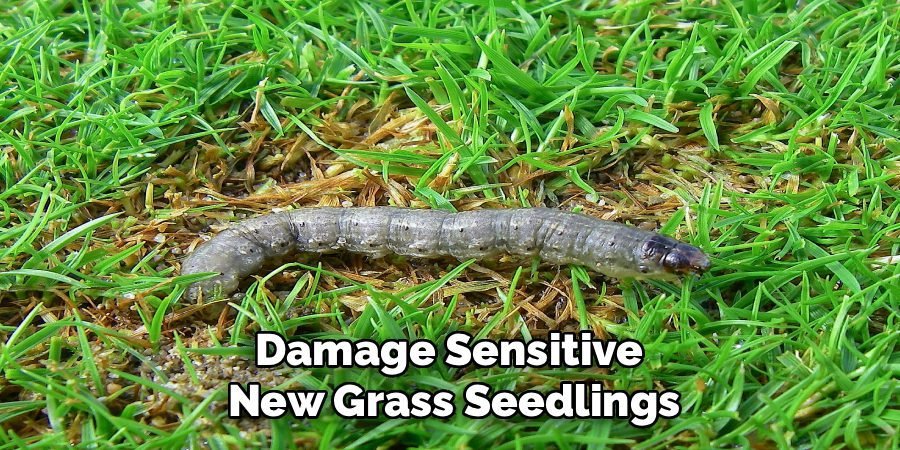
A healthy, vibrant lawn is more than just aesthetically pleasing; it’s a sign of a balanced ecosystem. Cutworms disrupt this balance significantly. These nocturnal feeders chew through grass stems right at the crown, near the soil surface. This severs the plant’s connection to its roots, causing it to die off and creating unsightly brown or yellow patches. A small infestation can quickly escalate, as a single female moth can lay hundreds of eggs. Left unchecked, cutworms can destroy large sections of your lawn, leaving it vulnerable to weed invasion and disease. Protecting your turf from these pests is a crucial step in long-term lawn care and maintenance.
9 Methods Guide on How to Get Rid of Cutworms in Lawn
Follow these proven steps to effectively eliminate cutworms and bring your lawn back to life. This process focuses on identification, treatment, and prevention to ensure a lasting solution.
Step 1: Confirm the Presence of Cutworms
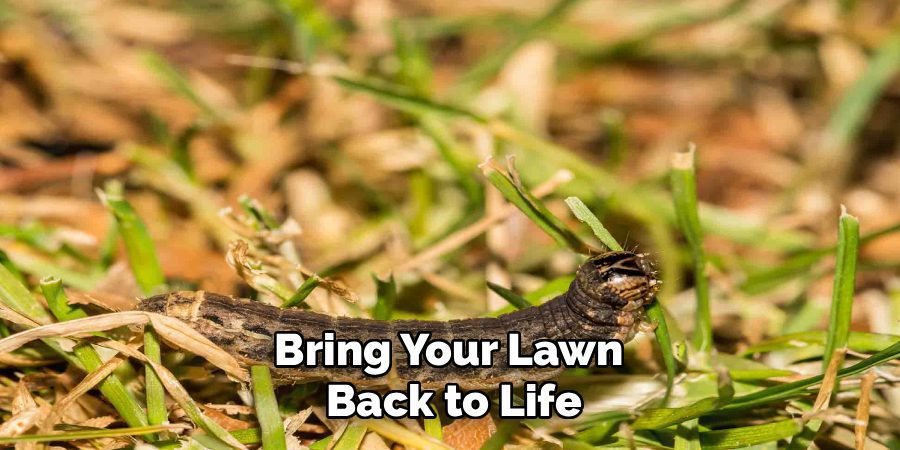
Before starting any treatment, you must confirm that cutworms are the source of your lawn’s problems. These pests are most active at night. Go out after dark with a flashlight and inspect the damaged areas. You are looking for grayish-brown, curled-up caterpillars that are about one to two inches long. Another effective method is the soap flush test. Mix two tablespoons of liquid dish soap with a gallon of water and pour it over a square-foot section of affected turf. This irritates the cutworms and will bring them to the surface within minutes.
Step 2: Understand the Cutworm Life Cycle
Knowing your enemy is key to defeating it. Cutworms begin as eggs laid by night-flying moths, often called miller moths. These eggs hatch into larvae, which is the destructive stage. The larvae feed voraciously for several weeks before pupating in the soil. Finally, they emerge as adult moths to repeat the cycle. Most damage occurs in the spring and early summer when the young larvae are hungriest. Understanding this timeline helps you apply treatments when they are most effective—during the active larval feeding stage.
Step 3: Encourage Natural Predators
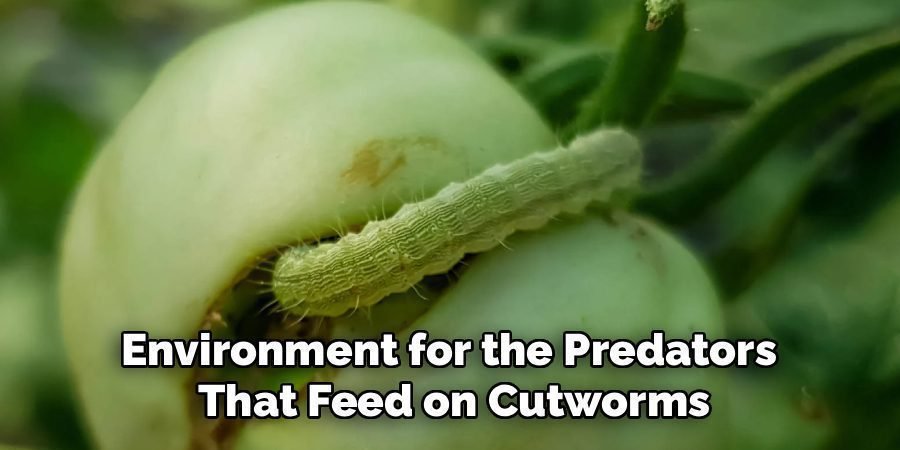
Your lawn’s ecosystem has its own defense mechanisms. You can support this natural pest control by creating a welcoming environment for the predators that feed on cutworms. Birds are one of the most effective natural enemies of these pests. To attract them, consider installing birdbaths, feeders, or nesting houses. Toads, frogs, and predatory insects like ground beetles also prey on cutworm larvae. Avoiding broad-spectrum pesticides that harm these beneficial creatures is crucial for maintaining a balanced and healthy yard environment.
Step 4: Apply Beneficial Nematodes
For a powerful, organic solution, introduce beneficial nematodes to your lawn. These are microscopic, non-segmented roundworms that naturally live in the soil. Specific species, such as Steinernema carpocapsae, are parasitic to cutworms. They enter the larvae and release a bacterium that kills the host within a day or two. Nematodes are completely safe for humans, pets, and beneficial insects. Apply them in the evening with a hose-end sprayer, as they are sensitive to UV light and heat. Water the lawn before and after application to help them travel through the soil.
Step 5: Use Bacillus thuringiensis (Bt) Treatment
Bacillus thuringiensis, or Bt, is a naturally occurring soil bacterium that is toxic to many caterpillar species, including cutworms. When a cutworm ingests grass treated with Bt, the protein crystals in the bacteria dissolve their gut wall, causing them to stop feeding and die within a few days. The kurstaki strain (Btk) is particularly effective against caterpillars. Apply this biological insecticide as a spray in the evening when cutworms are most active and feeding. Bt is an excellent targeted treatment that will not harm people, pets, or beneficial insects like bees.
Step 6: Create Physical Barriers and Collars
While more common for protecting individual plants in a garden, the principle of a physical barrier can be adapted for your lawn. Cutworms often overwinter as larvae or pupae in uncultivated areas around your property. You can create a protective perimeter around your lawn by tilling a narrow strip of soil along the edges. This disrupts their habitat and exposes them to predators. For newly seeded or sodded areas, which are especially vulnerable, this simple disruption can make a significant difference in preventing an infestation from starting.
Step 7: How to Get Rid of Cutworms in Lawn with Proper Mowing and Thatching
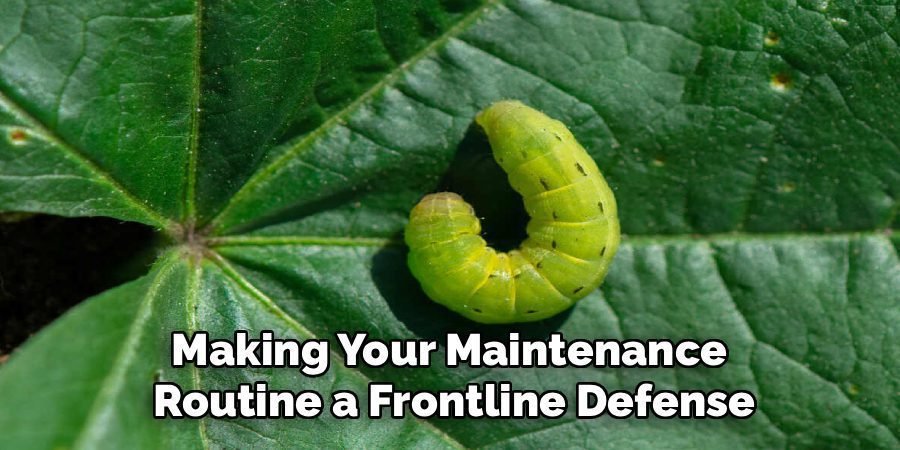
Healthy lawn care practices are a form of preventative pest control. Dethatching your lawn in the spring removes the thick layer of dead grass and organic matter where cutworms love to hide and lay eggs. Additionally, keeping your grass cut at a proper height (usually around 3 inches) makes it more resilient to stress and damage. A thick, healthy turf is less susceptible to widespread damage from cutworms and can recover more quickly from their feeding, making your maintenance routine a frontline defense.
Step 8: Apply a Targeted Insecticide if Necessary
If you have a severe infestation that natural methods cannot control, a chemical insecticide may be your last resort. Choose a product specifically labeled for cutworm control on lawns. Products containing pyrethroids like bifenthrin or permethrin are effective. Always apply these chemicals strictly according to the manufacturer’s instructions, and do so in the late afternoon or evening when cutworms are active. Be aware that these insecticides can also harm beneficial insects, so use them sparingly and only when absolutely necessary.
Step 9: Repair Damaged Areas and Overseed
After you have the cutworm population under control, it’s time to repair the damage. Rake away the dead, brown grass to expose the soil. You can then overseed these patches with a high-quality grass seed appropriate for your climate and sun exposure. Lightly cover the seeds with topsoil or compost and keep the area consistently moist until the new grass is well-established. This will not only restore the look of your lawn but also create a denser turf that is more resistant to future pest problems.
Common Mistakes to Avoid
When dealing with cutworms and repairing lawn damage, there are some common mistakes that can hinder your efforts. One of the most frequent errors is neglecting to identify the pest problem correctly before taking action. Misdiagnosing the issue can lead to wasted time and the use of ineffective treatments. Another mistake is overwatering or underwatering the newly seeded areas, as inconsistent moisture can prevent proper germination and growth.
Additionally, some homeowners may skip soil preparation, such as raking or aerating, which leaves the ground poorly suited for new grass seed. Lastly, applying too much fertilizer or doing so at the wrong time can damage sensitive new grass seedlings. Avoiding these pitfalls will help ensure your lawn restoration is successful.
Frequently Asked Questions (FAQ)
What Do Cutworms Turn Into?
Cutworms are not a specific species but the larval stage of several types of moths belonging to the Noctuidae family. These are often referred to as miller moths or owlet moths. After the larval stage, where they cause the most damage by feeding on plants, they enter a pupal stage in the soil. From there, they emerge as dull-colored, medium-sized moths that are most active at night. These adult moths then mate and lay eggs, starting the life cycle all over again.
When Is the Best Time to Treat for Cutworms?
The best time to treat for cutworms is during their active feeding period, which is typically in the spring and early summer. Because they are nocturnal, any treatment application should be done in the late afternoon or evening. This timing ensures that treatments like Bt sprays or beneficial nematodes are fresh and potent when the cutworms emerge from the soil to feed. Applying treatments at night maximizes contact and ingestion, leading to more effective control.
Will Cutworm Damage Grow Back?
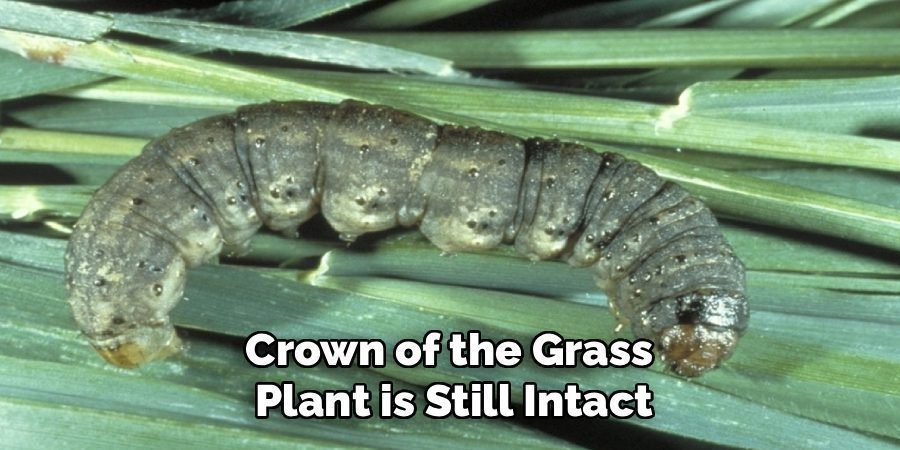
Whether your lawn grows back depends on the severity of the damage. Cutworms chew grass blades at the crown, just above the soil line. If the crown of the grass plant is still intact, it has a good chance of regenerating, especially if you water and fertilize it properly. However, if the damage is severe and widespread, the grass may not recover on its own. In these cases, you will need to repair the patches by raking out the dead material and overseeding the bare spots.
How Can I Tell if I Have Cutworms or Grubs?
Cutworm and grub damage can look similar, but their feeding habits are different.
- Cutworm Damage: Appears as clipped or sheared grass blades at the soil surface, creating distinct brown patches. You will find the C-shaped caterpillars near the soil surface at night.
- Grub Damage: Grubs feed on the grass roots below the surface. Damaged turf will feel spongy and can be rolled back like a carpet because the roots are gone. You will find the white, C-shaped grubs in the soil underneath the dead patch.
Are Cutworms Harmful to Humans or Pets?
Cutworms themselves are not harmful to humans or pets. They do not bite, sting, or carry diseases. The primary concern with these pests is the damage they inflict on lawns and gardens. However, if you choose to use chemical insecticides to control them, those products can be harmful to people, pets, and wildlife if not used according to the label directions. Always exercise caution and consider safer alternatives like beneficial nematodes or Bt first.
Conclusion
A beautiful lawn is within your reach, even when pests like cutworms appear. By correctly identifying the problem, understanding the pest’s life cycle, and taking a multi-step approach, you can successfully manage an infestation. Start with natural methods like encouraging predators and applying beneficial nematodes. Progress to targeted biological treatments like Bt if needed, and only turn to chemical options for severe cases. With patience and consistent effort, you now have the knowledge on how to get rid of cutworms in lawn and restore its health and beauty for years to come.

About Ravuk Barg
B.Sc. Horticulture Science | Certified Master Gardener
Ravuk Barg has spent more than a decade with his hands in the soil and his head full of questions about why some gardens thrive while others struggle. What started as a single raised bed of tomatoes and basil in a modest backyard has grown into a deep, working knowledge of everything from seed germination and soil amendment to companion planting and seasonal pruning.
Over the years, Ravuk has gardened through drought summers, waterlogged springs, and pest invasions that would make most gardeners hang up their trowels for good. Those hard seasons, he’ll tell you, taught him more than any perfect growing year ever could. He writes from that earned experience—covering vegetable growing, ornamental planting, houseplant care, composting, and garden design with equal confidence and curiosity.
Philosophy & Approach
Ravuk’s approach to gardening is rooted in practicality. He favors organic methods not out of dogma, but because they work long-term—resulting in healthier soil, fewer inputs, and stronger plants. He has a particular fondness for heirloom vegetable varieties (the kind with proper flavor), unruly cottage-style flower beds, and the stubborn houseplants that everyone else gave up on.
The Mission: Give readers the honest, experience-backed advice that helps them actually succeed in their gardens—not just the ideal version, but the real one; weeds, failures, and all.
Education & Credentials
-
B.Sc. in Horticulture Science
-
Greenfield Agricultural University
-
Focus: Plant Physiology, Soil Ecology, and Sustainable Crop Production
-
-
Master Gardener Certification
-
Cooperative Extension Service
-
Focus: 200+ hours of hands-on practical training and community garden work
-
Continuing Education
-
Organic Pest Management
-
Native Plant Landscaping
-
Sustainable Crop Production