

Centipedes in houseplants can be an unsettling problem for plant enthusiasts. These multi-legged creatures often make their way into pots and soil, seeking shelter and moisture. While centipedes are generally harmless and even beneficial by feeding on other pests, their presence in houseplants can raise concerns for many homeowners. Understanding how to get rid of centipedes in houseplants is essential to maintaining a healthy and pest-free indoor garden.
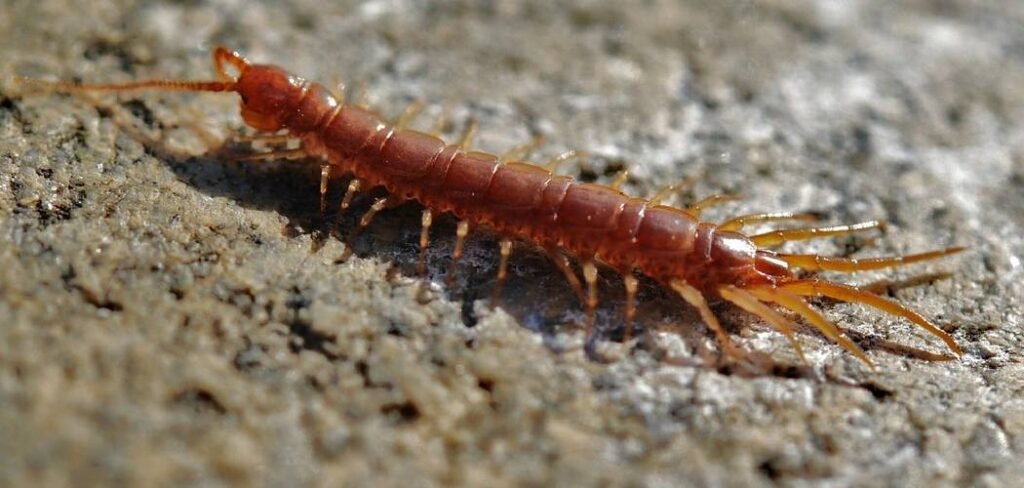
Centipedes are attracted to damp and dark environments, making overwatered soil or poorly drained pots ideal habitats for them. To address this issue, it is important to start by reducing excess moisture in the soil. Allow the soil to dry out between watering sessions and ensure your pots have proper drainage. Additionally, regularly checking the condition of your houseplants and their surroundings can help identify any signs of centipede activity early on. Using a clean and sterile potting mix can also prevent centipedes from thriving, as it minimizes the risk of pests hiding in contaminated soil. For more stubborn infestations, natural remedies like diatomaceous earth or neem oil can effectively deter centipedes without harming your plants.
Why You Need to Remove Centipedes from Houseplants
Centipedes in houseplants can cause more harm than you might think. While their diet includes some nuisance pests, excess centipedes may disrupt your plant’s ecosystem. Their burrowing disturbs the soil structure, potentially harming roots and impairing proper water absorption.
Additionally, centipedes thrive in damp environments, and their presence could be a sign of overwatering—potentially leading to more moisture-related problems like fungal growth or root rot. Beyond plant health, these pests bring discomfort as they creep into other parts of your home. Protecting your houseplants from centipedes ensures a healthier environment for your plants and a more comfortable indoor space for you.
10 Step-by-Step Guide on How to Get Rid of Centipedes in Houseplants
The following steps will provide a thorough, natural solution to eliminate centipedes from houseplants while safeguarding your plants from damage.
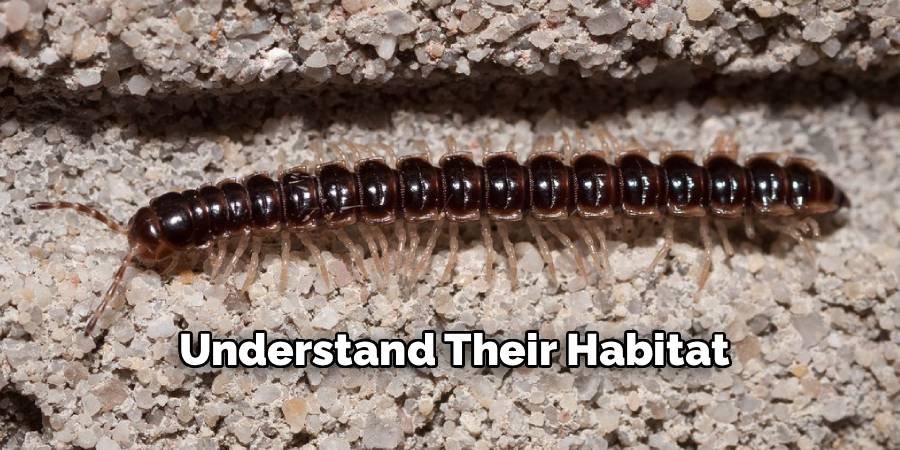
Step 1: Understand Their Habitat
Centipedes thrive in dark, damp environments. If your soil remains excessively moist or if there’s organic debris nearby, it becomes an ideal nesting ground. Overwatering houseplants can worsen the situation, so start by assessing your watering habits. Proper drainage and watering at appropriate intervals help deter centipedes and prevent excessive soil saturation. Ensuring your plants aren’t sitting in stagnant drainage water is also critical to making your pots less attractive to centipedes.
Step 2: Inspect the Soil Regularly
Carefully examine the soil in your pots. Centipedes often burrow and remain hidden, so you may need to disturb the top layer to spot them. Look for small burrows or centipedes moving through the soil. This regular inspection keeps you informed of their activity and identifies early signs of infestation, allowing you to act promptly. Running your fingers gently through the soil or using a small hand rake helps in identifying such movements.
Step 3: Allow Soil to Dry Out
Centipedes can’t survive in dry environments for long. By allowing potting soil to dry between waterings, you create inhospitable conditions that encourage them to leave. Most houseplants don’t require constantly damp soil, so letting the topsoil dry out benefits both the plant and the pest management process. Keep an eye on your plant’s needs, as some species like ferns or peace lilies require more moisture than cacti or succulents.
Step 4: Manually Remove Centipedes
Physically removing visible centipedes is an immediate way to reduce their population. Using gloves or tweezers, gently pick them out and relocate them outside away from your home. Since centipedes are nocturnal, you might spot them more easily during the evening or early morning hours. This hands-on approach may require patience but quickly addresses infestations without chemicals.
Step 5: Apply Diatomaceous Earth
Diatomaceous earth, a natural substance made from fossilized algae, is highly effective against centipedes. Sprinkle a thin layer on the surface of your plant’s soil. When centipedes crawl through it, the tiny, sharp particles damage their exoskeleton, leading to dehydration. This method is safe for most houseplants and is completely natural. Just ensure it remains dry, as moisture diminishes its effectiveness.
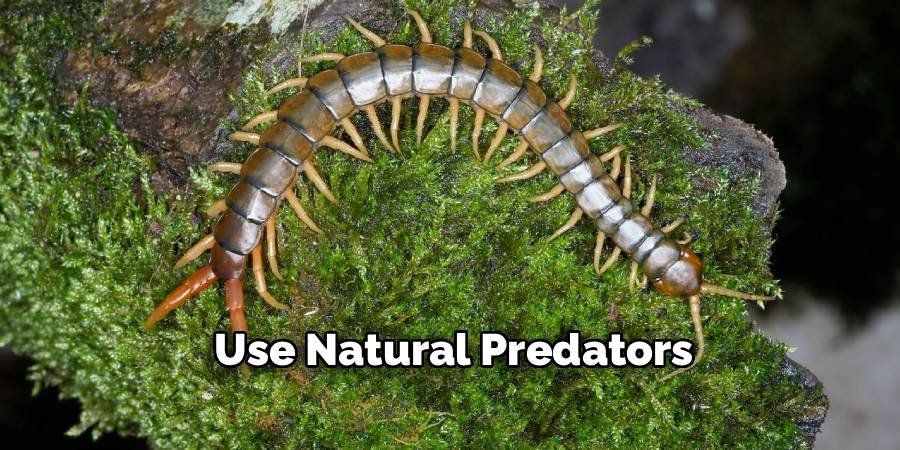
Step 6: Use Natural Predators
Introducing beneficial predators to your indoor plant environment, like predatory nematodes, can help control centipedes. These microscopic worms live in soil and prey on centipedes’ larvae, breaking their reproductive cycle. Be sure to verify that your chosen predator is appropriate for indoor use and won’t disrupt other aspects of your plant care.
Step 7: Re-pot Infested Plants
If the infestation is severe or persistent, consider re-potting your houseplants. Remove the plant gently from its current pot, shaking off old soil where centipedes might be hiding. Use fresh, pest-free potting mix and sterilize the pot before replanting. This not only eliminates existing centipedes but also refreshes your plant’s environment, promoting healthier growth going forward.
Step 8: Control Moisture Indoors
Centipedes are drawn to humid environments, so reducing overall indoor humidity is an essential step. Utilize a dehumidifier in your home, especially in areas where your houseplants are located. Ensuring proper air circulation and placing plants in well-lit spaces further discourages centipedes from lingering in or around the pots.
Another effective method to deter centipedes is to regularly inspect your plants for signs of pests or excess moisture. Remove any fallen leaves or debris from the soil surface, as these can attract centipedes and other unwanted insects. Additionally, avoid overwatering your plants, as persistently damp soil creates an inviting environment for centipedes to thrive. Maintaining clean and tidy surroundings helps to prevent infestations while supporting the overall health of your houseplants.
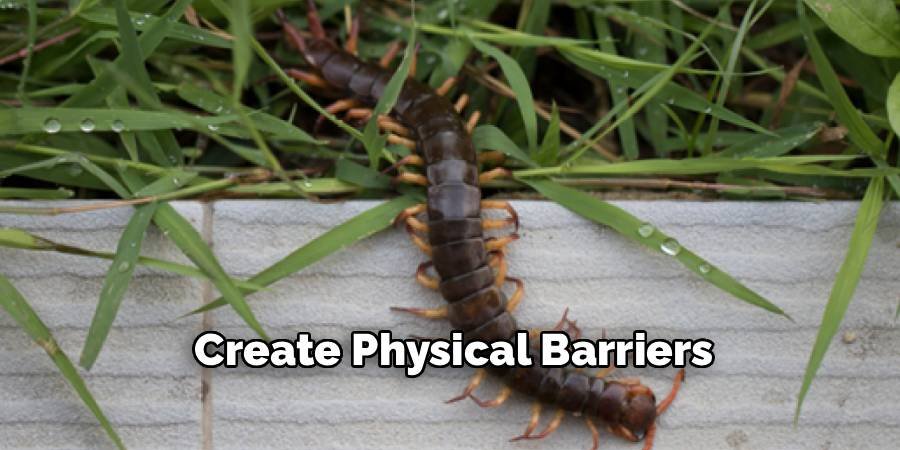
Step 9: Create Physical Barriers
You can create centipede-proof barriers around your pots using sticky traps or small physical obstructions. Sticky traps placed near the base of plants catch centipedes as they move around. Additionally, placing your pots on elevated stands or surfaces, rather than directly on the floor, minimizes their chances of reaching the plant soil.
Step 10: Adopt Preventative Measures
Prevention remains the most effective strategy for how to get rid of centipedes in houseplants. Regularly inspect your plants and adjust care practices such as watering frequency and soil aeration. Avoid overwatering, maintain clean pot surfaces, and remove any decaying organic matter from the soil. By staying proactive, you create a long-term solution for pest-free houseplants.
Maintaining Your Houseplants
Keeping centipedes out of your houseplants requires consistent care. Limit conditions that attract them by ensuring proper watering schedules and allowing soil to dry adequately. Inspect your plants frequently and adjust as needed for seasonal changes in temperature or humidity. Removing decayed leaves and organic debris further safeguards your plant’s overall environment and promotes strong, healthy growth.
Another crucial aspect of maintaining healthy houseplants is ensuring they receive adequate light. Different plants have varying light requirements, so it’s important to position them in a spot that meets their needs, whether it’s bright indirect light or partial shade. Additionally, fertilizing your plants periodically with the appropriate nutrients can support their growth and overall health. Be mindful of over-fertilizing, as this can harm the roots or lead to salt buildup in the soil. With consistent care and attention, you can cultivate thriving houseplants while keeping pests and other issues at bay.
Common Mistakes to Avoid
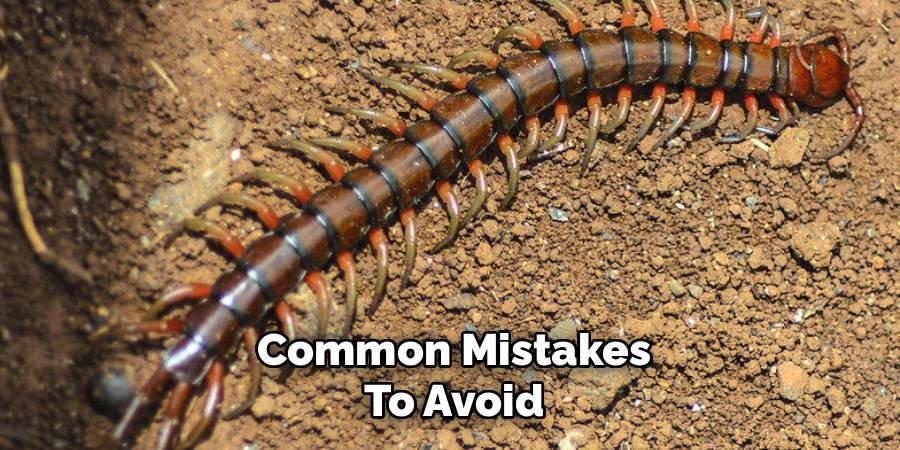
When caring for your houseplants and preventing pests like centipedes, there are a few common mistakes that can compromise your efforts. Overwatering is one of the most frequent errors, as it creates a damp environment that attracts centipedes and other pests. Similarly, neglecting to remove dead leaves or organic debris from the soil can provide hiding spots and food sources for pests. Another mistake is failing to quarantine new plants before introducing them to your collection; this can unintentionally bring pests into your home. Lastly, using poor-quality or untreated potting soil might already contain pest eggs or larvae. Avoiding these missteps will help maintain a healthier and more pest-free indoor garden.
FAQ
Are centipedes harmful to houseplants?
Centipedes generally don’t harm plants directly but can disturb their soil, impacting root health.
How do I naturally remove centipedes?
Drying out the soil, manually removing them, or using diatomaceous earth are effective, eco-friendly options.
Why are centipedes in my houseplants?
They’re attracted to moist organic material, which is common in potted plant soil.
Can I use pesticides to get rid of centipedes?
It’s better to use natural methods, as chemical pesticides can harm plants and soil health.
How long does it take to remove centipedes?
With consistent maintenance, you may see results within a week or two.
Conclusion
How to get rid of centipedes in houseplants? Start by addressing the environmental factors that attract them. Drying out the soil, reducing indoor humidity, or applying natural remedies like diatomaceous earth are all effective ways to eliminate centipedes while protecting your plants.
By following these simple steps and maintaining a proactive approach, you can create a healthy, pest-free environment for all your houseplants. A little attention to your plant care routine ensures that centipedes won’t return—and your indoor jungle will thrive.
Additionally, it’s important to regularly inspect your plants and their surroundings for any signs of pests, including centipedes. Checking pots, soil, and hidden crevices will help you identify issues early before they escalate. Keep your plants clean by removing dead leaves or debris, as these can attract insects that, in turn, may draw centipedes. Consistency in care and cleanliness is key to maintaining a harmonious indoor ecosystem where your plants can flourish without the intrusion of unwanted pests.

About Ravuk Barg
B.Sc. Horticulture Science | Certified Master Gardener
Ravuk Barg has spent more than a decade with his hands in the soil and his head full of questions about why some gardens thrive while others struggle. What started as a single raised bed of tomatoes and basil in a modest backyard has grown into a deep, working knowledge of everything from seed germination and soil amendment to companion planting and seasonal pruning.
Over the years, Ravuk has gardened through drought summers, waterlogged springs, and pest invasions that would make most gardeners hang up their trowels for good. Those hard seasons, he’ll tell you, taught him more than any perfect growing year ever could. He writes from that earned experience—covering vegetable growing, ornamental planting, houseplant care, composting, and garden design with equal confidence and curiosity.
Philosophy & Approach
Ravuk’s approach to gardening is rooted in practicality. He favors organic methods not out of dogma, but because they work long-term—resulting in healthier soil, fewer inputs, and stronger plants. He has a particular fondness for heirloom vegetable varieties (the kind with proper flavor), unruly cottage-style flower beds, and the stubborn houseplants that everyone else gave up on.
The Mission: Give readers the honest, experience-backed advice that helps them actually succeed in their gardens—not just the ideal version, but the real one; weeds, failures, and all.
Education & Credentials
-
B.Sc. in Horticulture Science
-
Greenfield Agricultural University
-
Focus: Plant Physiology, Soil Ecology, and Sustainable Crop Production
-
-
Master Gardener Certification
-
Cooperative Extension Service
-
Focus: 200+ hours of hands-on practical training and community garden work
-
Continuing Education
-
Organic Pest Management
-
Native Plant Landscaping
-
Sustainable Crop Production