

Learn how to get rid of algae on lawn with 8 simple steps. Discover effective methods to remove lawn algae, prevent green slime, and restore your grass naturally.
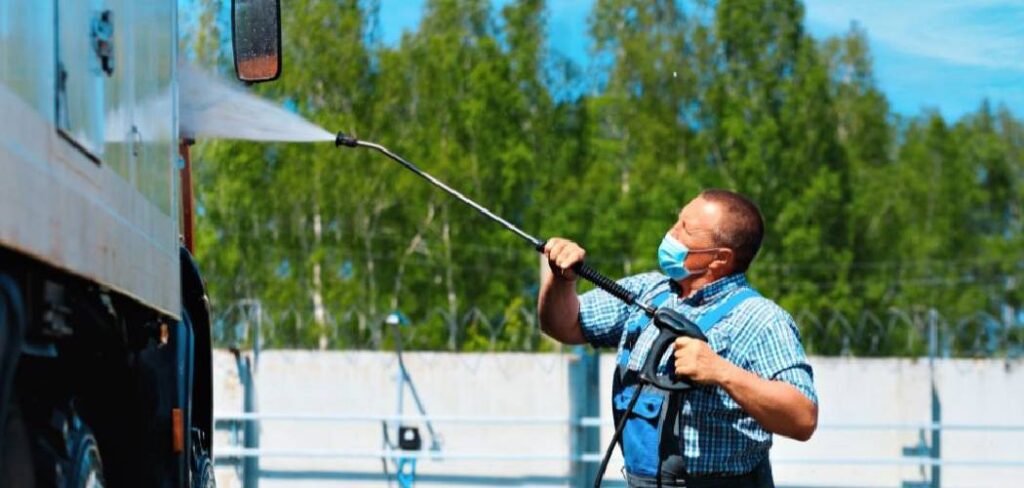
Green slime covering your beautiful grass? You’re dealing with lawn algae! This slimy, green coating makes your yard look bad and can hurt your grass. Don’t worry – getting rid of algae on lawn is easier than you think. Algae grows when your lawn has too much water, poor air flow, and compact soil. It loves shady, wet spots where grass struggles to grow. The good news is that you can remove algae from lawn and stop it from coming back.
What Is Lawn Algae?
Lawn algae is a simple plant that doesn’t have roots like grass. It forms a green, slippery layer on top of soil and grass. Unlike moss, algae feels slimy when wet and crusty when dry.
Algae appears as:
- Green or blue-green patches
- Slippery, slimy texture when wet
- Hard, crusty surface when dry
- Thin coating over soil and grass
This lawn problem happens when conditions are perfect for algae growth. Poor drainage, too much shade, and packed soil create the ideal home for algae.
Why Does Algae Grow on Lawns?
Several factors cause algae growth on lawns:
Too Much Water: Overwatering or poor drainage keeps soil wet all the time. Algae loves constantly moist conditions.
Compact Soil: When soil gets pressed down hard, water can’t drain properly. This creates soggy conditions perfect for algae.
Too Much Shade: Areas with little sunlight stay wet longer. Grass grows poorly in shade, leaving space for algae.
Poor Air Movement: Areas with no wind or air flow stay damp. Algae thrives in still, humid conditions.
Weak Grass: Thin or unhealthy grass can’t compete with algae. Strong grass naturally prevents algae growth.
8 Step-by-Step Methods on How to Get Rid of Algae on Lawn
Step 1: Test Your Soil Drainage
First, check if water drains properly in algae areas. Dig a small hole about 6 inches deep and fill it with water. Good drainage means water disappears within 24 hours.
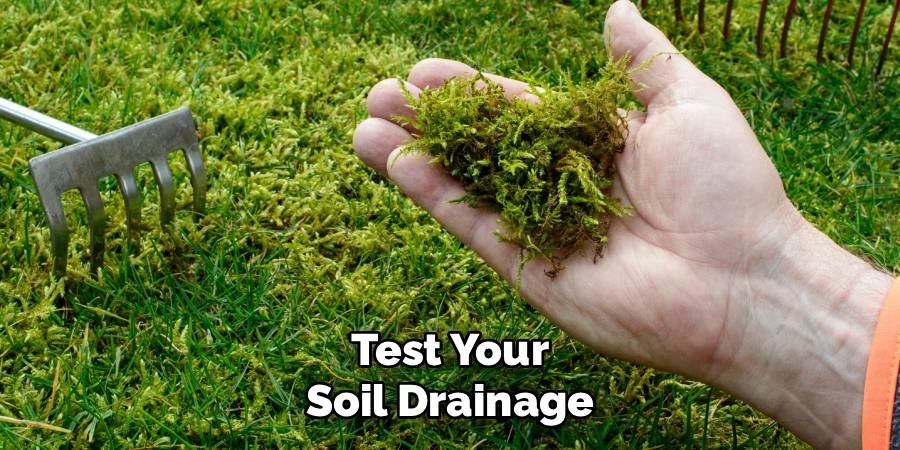
If water stays longer than a day, you have drainage problems. Poor drainage creates the wet conditions algae loves. You’ll need to improve drainage before algae treatment works well. Look for areas where water pools after rain. These spots often have the worst algae problems. Mark these areas so you can focus extra attention on fixing drainage issues.
Step 2: Improve Soil Aeration
Compact soil prevents proper drainage and air flow. Use a garden fork or aerator to poke holes in affected areas. Make holes about 3-4 inches deep and 6 inches apart.
Core aeration works best for large areas. This removes small plugs of soil, creating space for air and water movement. You can rent an aerator from most garden centers.
For smaller spots, use a pitchfork to poke holes. Work when soil is slightly moist but not soggy. Aeration helps water drain away instead of sitting on top where algae grows.
Step 3: Apply Natural Algae Treatment
Baking soda works great as a natural algae killer. Mix 2 tablespoons of baking soda with 1 gallon of water. Spray this solution directly on algae patches on a sunny day.
The baking soda changes the pH level, making it hard for algae to survive. Apply on dry algae for best results. Wet algae might dilute the solution too much.
You can also use dish soap mixed with water. Use 1 tablespoon of liquid dish soap per gallon of water. This breaks down the slimy algae coating and makes removal easier.
Step 4: Physically Remove Dead Algae
After treatment, dead algae becomes easier to remove. Use a stiff brush or rake to scrub away the dried, dead algae. Work gently to avoid damaging grass underneath.
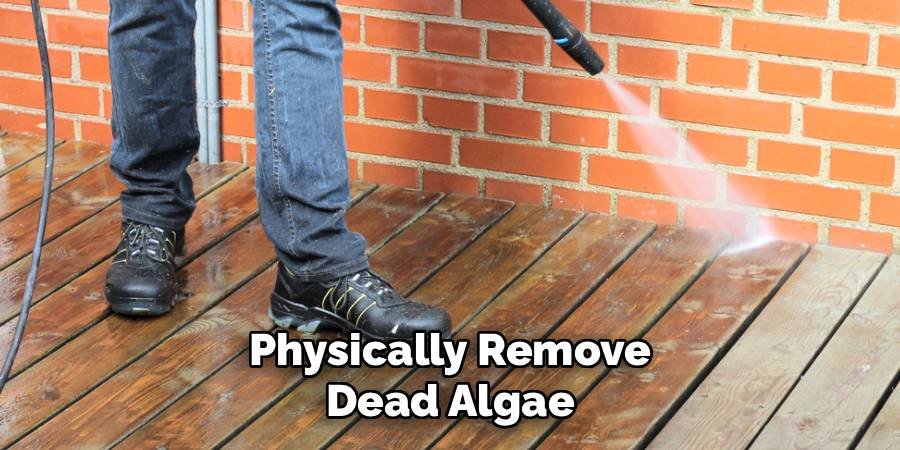
For large areas, use a power rake or dethatcher. This removes dead algae and other debris that blocks air and light from reaching soil. Collect all removed algae material and throw it away. Don’t compost dead algae as it might contain spores that could spread the problem.
Step 5: Improve Drainage Systems
Fix drainage problems to prevent algae from returning. Add organic matter like compost to heavy clay soil. This helps water move through soil instead of sitting on top.
For severe drainage issues, consider installing French drains or drainage pipes. These carry excess water away from problem areas.
Create gentle slopes to direct water flow away from flat areas. Even small changes in ground level help water move instead of pooling.
Step 6: Increase Sunlight Exposure
Trim tree branches and shrubs that create too much shade. Algae struggles in bright sunlight, while grass grows better with more light.
Remove or relocate objects that block sunlight like decorations, furniture, or storage items. Even small improvements in light exposure help grass compete with algae.
Consider planting shade-tolerant grass varieties in areas that can’t get full sun. Strong grass naturally prevents algae growth.
Step 7: Adjust Watering Practices
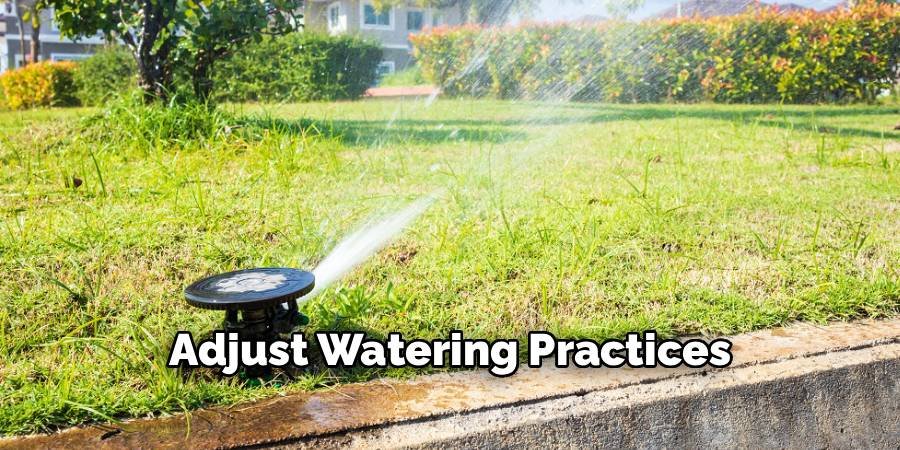
Change how you water to prevent algae-friendly conditions. Water deeply but less often instead of light, frequent watering. This encourages deep grass roots and better drainage. Water early in the morning so grass dries during the day. Wet grass at night stays damp longer, encouraging algae growth. Use sprinklers that distribute water evenly. Avoid overwatering low spots that already have drainage problems.
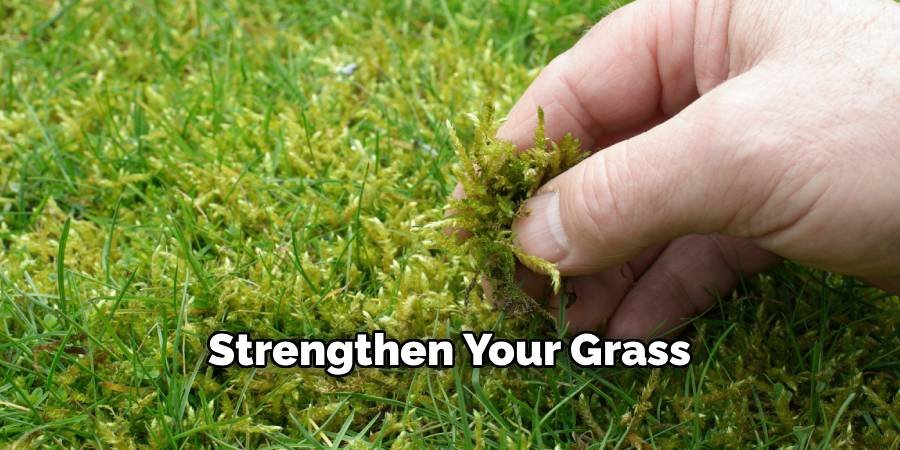
Step 8: Strengthen Your Grass
Healthy, thick grass naturally prevents algae growth. Fertilize according to your grass type’s needs. Strong grass crowds out algae and other weeds.
Overseed thin areas with appropriate grass seed. Choose varieties that match your climate and sun conditions. Thick grass coverage leaves no room for algae.
Keep grass at the proper height for your variety. Taller grass shades soil, keeping it cooler and less likely to support algae growth.
Preventing Future Algae Growth
Prevention works better than treatment. Here are key strategies to keep algae away:
Maintain Good Drainage: Keep soil loose and well-draining. Add organic matter yearly to improve soil structure.
Proper Watering: Deep, infrequent watering prevents constantly wet conditions. Always water in early morning.
Regular Aeration: Aerate compacted areas each spring. This prevents water from pooling on hard-packed soil.
Adequate Sunlight: Trim vegetation regularly to maintain good light exposure. Consider removing obstacles that create permanent shade.
Healthy Grass: Feed grass according to its needs. Thick, healthy grass naturally resists algae invasion.
When to Call Professionals
Some algae problems need professional help:
- Large areas covered with thick algae
- Recurring problems despite proper treatment
- Severe drainage issues requiring major work
- Soil problems that need professional testing
Lawn care professionals have stronger treatments and specialized equipment. They can also identify underlying problems you might miss.
FAQs
1. How long does it take to get rid of algae on lawn?
Most algae treatments show results within 1-2 weeks. Complete removal usually takes 3-4 weeks with proper follow-up care. The timeline depends on how severe the algae problem is and weather conditions. Dry, sunny weather helps treatments work faster.
2. Will grass grow back after removing algae?
Yes, grass typically grows back once algae is removed and underlying problems are fixed. Healthy soil conditions allow grass to recover naturally. You might need to overseed bare spots where algae was very thick. With proper care, most lawns recover completely within one growing season.
3. Can I use bleach to kill lawn algae?
Avoid using bleach on your lawn as it can damage or kill grass and harm soil organisms. Bleach also doesn’t address the root causes of algae growth. Natural solutions like baking soda work better and won’t hurt your lawn or the environment.
4. Does algae on lawn mean my soil is bad?
Algae usually indicates poor drainage, compaction, or too much moisture rather than bad soil quality. Most soils can support healthy grass once drainage and aeration problems are fixed. Testing soil pH and nutrients can help, but the main issues are usually physical problems with water movement.
5. Is lawn algae harmful to pets or children?
Most lawn algae is not toxic, but it creates slippery conditions that could cause falls. Some blue-green algae can be harmful if eaten in large amounts. Keep children and pets away from treated areas until algae is completely removed and grass recovers.
Conclusion
Getting rid of algae on lawn requires addressing both the visible problem and underlying causes. The 8-step process we covered – from testing drainage to strengthening grass – provides a complete solution for algae removal.
Remember that successful algae control focuses on creating conditions where grass thrives and algae struggles. Proper drainage, adequate sunlight, and healthy grass are your best defenses against future algae growth.
Most homeowners can handle algae problems using natural, safe methods. Start with improving drainage and aeration, then apply natural treatments like baking soda solution. With consistent care and attention to soil conditions, your lawn can recover completely.
Don’t get discouraged if results take time. Lawn recovery is a gradual process, but following these steps will restore your grass to a healthy, algae-free condition. Prevention through proper lawn care practices will keep algae from returning to your beautiful yard.

About Ravuk Barg
B.Sc. Horticulture Science | Certified Master Gardener
Ravuk Barg has spent more than a decade with his hands in the soil and his head full of questions about why some gardens thrive while others struggle. What started as a single raised bed of tomatoes and basil in a modest backyard has grown into a deep, working knowledge of everything from seed germination and soil amendment to companion planting and seasonal pruning.
Over the years, Ravuk has gardened through drought summers, waterlogged springs, and pest invasions that would make most gardeners hang up their trowels for good. Those hard seasons, he’ll tell you, taught him more than any perfect growing year ever could. He writes from that earned experience—covering vegetable growing, ornamental planting, houseplant care, composting, and garden design with equal confidence and curiosity.
Philosophy & Approach
Ravuk’s approach to gardening is rooted in practicality. He favors organic methods not out of dogma, but because they work long-term—resulting in healthier soil, fewer inputs, and stronger plants. He has a particular fondness for heirloom vegetable varieties (the kind with proper flavor), unruly cottage-style flower beds, and the stubborn houseplants that everyone else gave up on.
The Mission: Give readers the honest, experience-backed advice that helps them actually succeed in their gardens—not just the ideal version, but the real one; weeds, failures, and all.
Education & Credentials
-
B.Sc. in Horticulture Science
-
Greenfield Agricultural University
-
Focus: Plant Physiology, Soil Ecology, and Sustainable Crop Production
-
-
Master Gardener Certification
-
Cooperative Extension Service
-
Focus: 200+ hours of hands-on practical training and community garden work
-
Continuing Education
-
Organic Pest Management
-
Native Plant Landscaping
-
Sustainable Crop Production