

Healthy soil teems with billions of beneficial microorganisms that transform your garden from ordinary to extraordinary. Learning how to get microbes into soil is the foundation of thriving plants and bountiful harvests.
These tiny powerhouses include bacteria, fungi, protozoa, and nematodes that work tirelessly to break down organic matter, cycle nutrients, and protect plant roots from harmful pathogens. Without them, your soil becomes lifeless dirt that struggles to support vigorous plant growth.
Most gardeners focus on adding fertilizers and amendments, but they miss the crucial step of nurturing soil biology. Microbes create a living network that feeds plants exactly what they need, when they need it. They also improve soil structure, increase water retention, and boost disease resistance.
Why You Need to Prioritize Soil Microbes
Healthy soil microbes are the foundation of a productive and sustainable garden. They break down organic matter, releasing essential nutrients that plants need to thrive. Without an active microbial network, plants struggle to access these nutrients, leading to weaker growth and decreased yields. Furthermore, soil microbes play a crucial role in improving soil structure, facilitating better water retention and drainage. By fostering these tiny organisms, you create a self-sustaining cycle that reduces the need for synthetic fertilizers and pesticides, saving time, money, and the environment.
8 Step-by-Step Guide on How to Get Microbes into Soil
Step 1: Native Microbe Inoculation
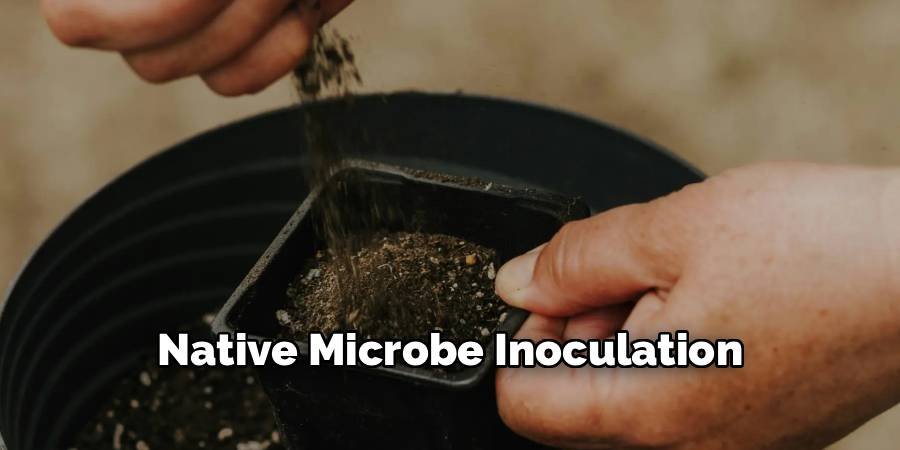
Native microbe inoculation is a powerful strategy to enhance soil health by introducing locally adapted microorganisms. These microbes are better suited to the specific conditions of your environment, making them more effective in supporting plant growth and resilience. To start, collect organic matter like leaf litter, healthy soil, or decomposed plant material from nearby natural areas such as forests or meadows. These sources are rich in diverse microbial communities. Incorporate this material into your gardening soil or compost pile to encourage the establishment of these native microbes. By harnessing the power of microorganisms already thriving in your region, you can create a balanced, self-sustaining ecosystem in your garden.
Step 2: Create Worm Castings Through Vermicomposting
Vermicomposting is a fantastic way to produce nutrient-rich worm castings that can significantly enhance soil health. To get started, set up a vermicomposting bin with bedding material such as shredded newspaper, coconut coir, or dry leaves. Introduce composting worms, such as red wigglers, which are highly efficient at breaking down organic matter. Feed the worms small amounts of kitchen scraps like vegetable peels, fruit, eggshells, and coffee grounds, avoiding meat, dairy, or oily foods.
Over time, the worms will digest the organic waste, leaving behind dark, crumbly castings filled with beneficial nutrients and microbes. These castings can then be mixed into your soil or applied as a top dressing, improving its structure, fertility, and microbial activity. Vermicomposting is an excellent way to recycle waste and foster a thriving, sustainable garden ecosystem.
Step 3: Apply Mycorrhizal Fungi Inoculants
Mycorrhizal fungi play a crucial role in enhancing plant health and soil vitality. These beneficial fungi form a symbiotic relationship with plant roots, extending their reach through a network of filaments called hyphae. This relationship boosts the plant’s ability to absorb water and nutrients like phosphorus and nitrogen while improving soil structure and fertility.
To apply mycorrhizal fungi inoculants, start by sprinkling them directly onto the roots of plants during transplanting. Alternatively, mix the inoculants into the planting holes or water them into the soil around existing plants. By incorporating mycorrhizal fungi into your garden, you encourage a resilient and interconnected ecosystem that supports robust plant growth and healthier yields.
Step 4: Brew Compost Tea
Compost tea is a nutrient-rich solution that acts as a natural fertilizer and soil conditioner, promoting healthy plant growth. To brew compost tea, start by filling a bucket with non-chlorinated water to protect the beneficial microbes. Add a generous amount of well-finished compost, approximately one part compost to five parts water. Use an aerator or simply stir the mixture frequently to keep it oxygenated, which encourages the growth of beneficial microorganisms.
Allow the tea to brew for 24 to 48 hours for maximum microbial activity, then strain the mixture using a fine mesh or cheesecloth. Apply the compost tea directly to the soil around plants or spray it on foliage for a quick nutrient boost. This organic practice enhances soil biology and increases nutrient availability, making it an excellent addition to sustainable gardening methods.
Step 5: Add Organic Matter Regularly
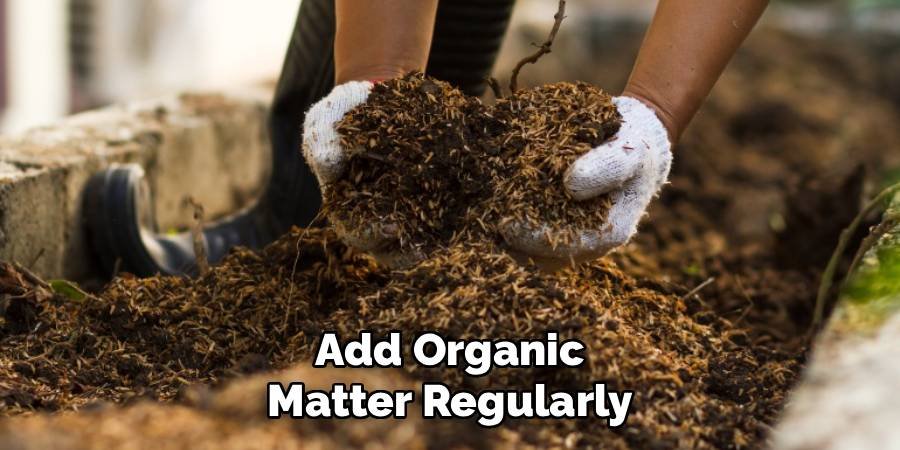
To maintain a healthy and productive garden, it is essential to add organic matter to the soil on a regular basis. This includes materials such as compost, well-rotted manure, leaf mold, or kitchen scraps like vegetable peels and coffee grounds. Organic matter improves soil structure, enhances water retention, and provides a steady release of nutrients to plants as it breaks down. Spread a layer of organic material over the soil surface or work it gently into the top few inches. By replenishing organic matter consistently, you create a thriving environment for beneficial microbes and earthworms, which further enrich the soil and support plant growth.
Step 6: Practice No-Till Gardening Methods
No-till gardening is a sustainable approach that minimizes soil disturbance and promotes healthier, more resilient soils. By avoiding traditional tilling, you preserve the natural soil structure, reduce erosion, and protect the habitats of beneficial microorganisms and insects. Instead of turning the soil, add layers of organic materials like compost, mulch, or straw directly on top. Over time, these layers break down, enriching the soil while suppressing weeds and retaining moisture. Adopting no-till methods not only saves time and labor but also fosters a thriving ecosystem that supports long-term plant health and productivity.
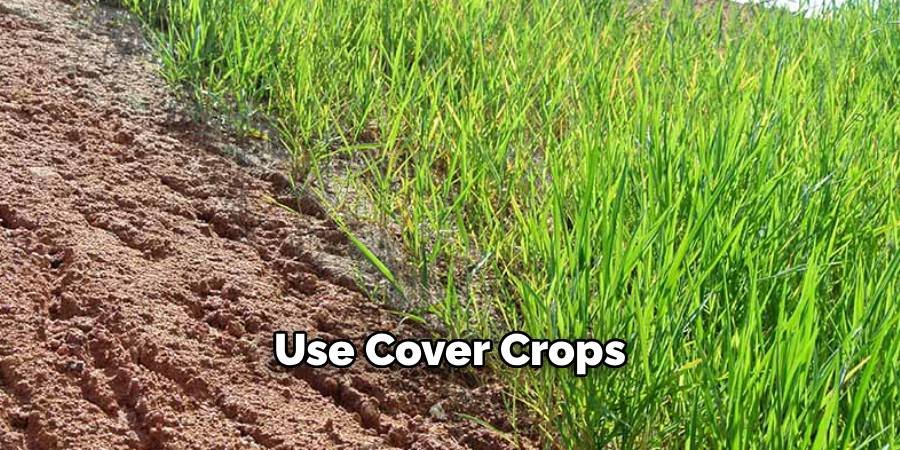
Step 7: Use Cover Crops
Cover crops are an excellent way to improve soil health and protect it during periods when your primary crops are not growing. Plants like clover, vetch, or rye are commonly used as cover crops because they help prevent soil erosion, suppress weeds, and enhance soil fertility. These crops fix nitrogen in the soil, providing essential nutrients for future plantings. Additionally, their roots improve soil structure by increasing aeration and water infiltration. When incorporated into your gardening routine, cover crops act as living mulch, promoting biodiversity and creating a sustainable, resilient farming system.
Step 8: Feed Microbes with Molasses and Natural Sugars
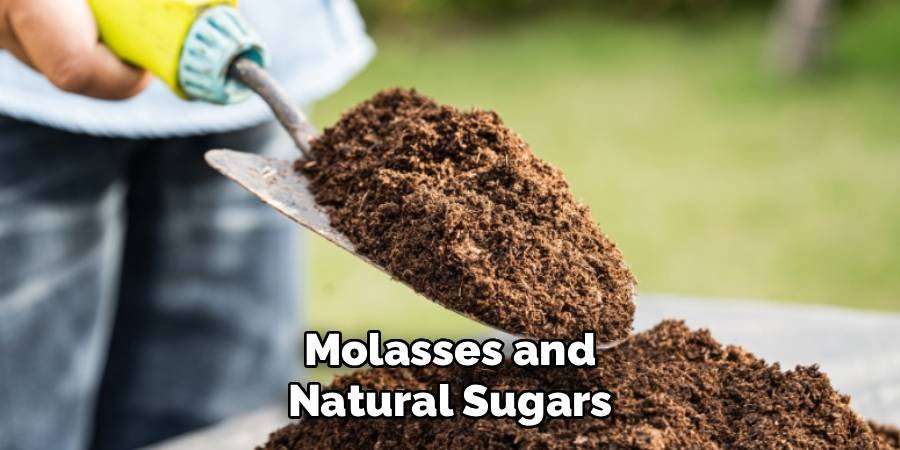
To foster a healthy microbial community in your soil, providing a food source for beneficial microbes is essential. Molasses and other natural sugars are excellent options for this purpose. These substances supply simple carbohydrates that serve as an energy source, helping microbial populations thrive. When using molasses, dilute it with water to ensure even distribution throughout the soil. This practice not only supports microbial activity but also contributes to nutrient cycling, aiding in the long-term health and fertility of your garden. Incorporating natural sugars into your soil management routine can significantly enhance the biological processes that sustain plant growth.
Maintenance
Proper soil maintenance is essential for ensuring the ongoing health of your garden ecosystem. Start by regularly testing your soil to monitor pH levels, nutrient content, and microbial activity. Adjustments, such as adding compost or organic matter, can help balance deficiencies and improve soil structure. Mulching is another effective practice, as it retains moisture, suppresses weeds, and provides organic material as it breaks down. Additionally, avoid overwatering, as excessive moisture can disrupt microbial communities and lead to issues like root rot. By prioritizing consistent care and observation, you can foster a thriving and resilient soil environment for your plants.
Avoid Harmful Chemicals
Reducing your reliance on harmful chemicals not only benefits your garden but also contributes to the well-being of the environment. Pesticides and synthetic fertilizers can leach into waterways, causing pollution and threatening aquatic ecosystems. Additionally, the overuse of these chemicals can lead to pest resistance, creating a cycle of dependency. Instead, consider adopting integrated pest management (IPM) techniques, which combine natural predators, crop rotation, and cultural practices to maintain a balanced ecosystem. By making informed choices and avoiding harmful chemicals, you can cultivate a thriving, sustainable garden that works in harmony with nature.
FAQ Frequently Asked Questions
How Long Does It Take for Microbes to Establish in Soil?
Beneficial microbes begin colonizing soil immediately after application, but establishing stable populations takes 4-6 weeks. Full ecosystem development requires 6-12 months of consistent organic matter additions and proper soil management practices.
Can I Add Too Many Microbes to My Soil?
Soil ecosystems naturally self-regulate microbial populations based on available food sources and habitat conditions. Excess microbes will either go dormant or die off until populations stabilize at levels the soil environment can support.
Do I Need Different Microbes for Vegetables Versus Flowers?
While some microbes specialize in partnerships with specific plant families, most beneficial soil organisms support all garden plants. A diverse microbial community provides the best foundation for growing any combination of vegetables, flowers, and herbs.
Will Chemical Fertilizers Harm My Soil Microbes?
Synthetic fertilizers can disrupt soil microbial communities by providing nutrients in forms that bypass natural biological processes. Occasional use may not cause permanent damage, but regular applications can reduce microbial diversity and soil biological activity.
How Do I Know if My Soil Microbe Population Is Healthy?
Healthy microbial soil has good structure, holds moisture well, and supports vigorous plant growth with minimal fertilizer inputs. Dark color, earthy smell, and abundant earthworm activity also indicate thriving soil biology.
Conclusion
Learning how to get microbes into soil transforms your garden from a collection of individual plants into a thriving ecosystem where everything works together. These microscopic partners provide the foundation for healthy plant growth, disease resistance, and sustainable gardening success.
The methods outlined above offer multiple pathways to establishing vibrant soil biology in your garden beds. Start with one or two approaches that fit your situation, then gradually incorporate additional techniques as your microbial community develops and stabilizes.
Remember that building soil biology takes time and patience. Don’t expect overnight results, but trust that each addition of organic matter and beneficial microorganisms moves your soil toward optimal health and productivity.
Consistent application of these practices creates a self-sustaining system where plants and microbes support each other naturally. You’ll find yourself using fewer fertilizers, dealing with fewer plant diseases, and enjoying more abundant harvests year after year.
Your garden will become a model of biological harmony where millions of unseen workers toil continuously to create the perfect growing environment. The investment in soil microbes pays dividends for decades, creating a legacy of fertility that improves with each passing season.

About Ravuk Barg
B.Sc. Horticulture Science | Certified Master Gardener
Ravuk Barg has spent more than a decade with his hands in the soil and his head full of questions about why some gardens thrive while others struggle. What started as a single raised bed of tomatoes and basil in a modest backyard has grown into a deep, working knowledge of everything from seed germination and soil amendment to companion planting and seasonal pruning.
Over the years, Ravuk has gardened through drought summers, waterlogged springs, and pest invasions that would make most gardeners hang up their trowels for good. Those hard seasons, he’ll tell you, taught him more than any perfect growing year ever could. He writes from that earned experience—covering vegetable growing, ornamental planting, houseplant care, composting, and garden design with equal confidence and curiosity.
Philosophy & Approach
Ravuk’s approach to gardening is rooted in practicality. He favors organic methods not out of dogma, but because they work long-term—resulting in healthier soil, fewer inputs, and stronger plants. He has a particular fondness for heirloom vegetable varieties (the kind with proper flavor), unruly cottage-style flower beds, and the stubborn houseplants that everyone else gave up on.
The Mission: Give readers the honest, experience-backed advice that helps them actually succeed in their gardens—not just the ideal version, but the real one; weeds, failures, and all.
Education & Credentials
-
B.Sc. in Horticulture Science
-
Greenfield Agricultural University
-
Focus: Plant Physiology, Soil Ecology, and Sustainable Crop Production
-
-
Master Gardener Certification
-
Cooperative Extension Service
-
Focus: 200+ hours of hands-on practical training and community garden work
-
Continuing Education
-
Organic Pest Management
-
Native Plant Landscaping
-
Sustainable Crop Production