

Does your lawn look yellow, soggy, or diseased? You might be dealing with an overwatered lawn. Many homeowners think more water means healthier grass, but too much water can actually harm your lawn. Learning how to fix overwatered lawn problems is essential for maintaining a beautiful, healthy yard. Overwatering is one of the most common lawn care mistakes. When grass gets too much water, it can develop root rot, fungal diseases, and other serious problems. The good news is that you can fix an overwatered lawn with the right approach and patience.

In this guide, we’ll show you exactly how to fix overwatered lawn issues using proven methods. From identifying the signs to implementing recovery steps, you’ll learn everything needed to restore your grass to perfect health.
Signs Your Lawn Is Overwatered
Before learning how to fix overwatered lawn problems, you need to recognize the warning signs. Overwatered grass shows several clear symptoms that are different from drought stress.
Yellow or pale grass is often the first sign of overwatering. When roots sit in water too long, they cannot absorb nutrients properly. This causes the grass to turn yellow instead of staying green.
Soft, squishy soil indicates too much moisture. If your lawn feels like a sponge when you walk on it, you’re probably overwatering. Healthy soil should be moist but not waterlogged.
Fungal diseases thrive in wet conditions. If you see mushrooms, brown patches, or other fungal growth on your lawn, overwatering might be the cause.
Weak root system develops when grass doesn’t need to search for water. Overwatered lawns often have shallow, weak roots that cannot support healthy grass growth.
8 Step by Step How to Fix Overwatered Lawn
Step 1: Stop Watering Immediately
The first step in how to fix overwatered lawn is to stop watering completely. Give your lawn time to dry out naturally. This might seem scary, but overwatered grass needs a break from moisture. Turn off your sprinkler system and avoid any watering for at least one week. During this time, monitor your lawn’s condition daily. You should start seeing improvements as excess water drains away.
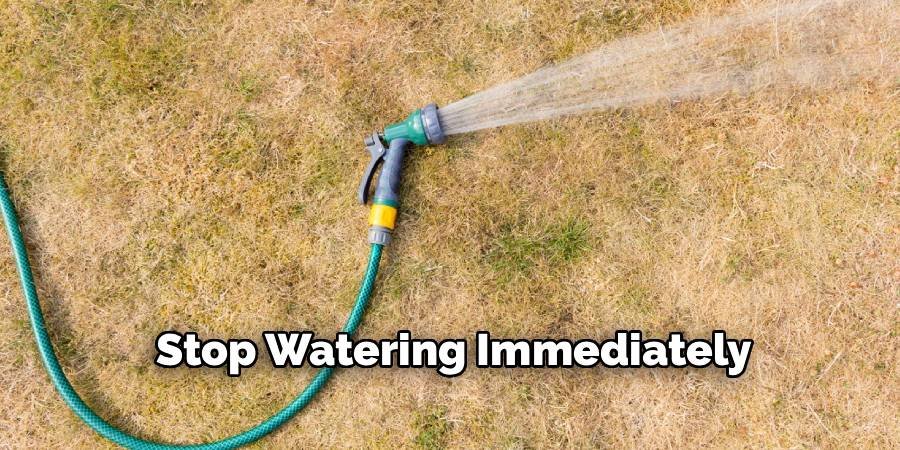
If it rains during this period, don’t worry. Natural rainfall is usually better distributed than sprinkler water. Just continue avoiding artificial watering until your soil reaches the right moisture level. Check soil moisture by pushing a screwdriver into the ground. If it goes in easily and comes out wet, your soil still has too much water. Wait until the screwdriver requires some pressure to penetrate the soil.
Step 2: Improve Soil Drainage
Poor drainage is often why lawns become overwatered in the first place. Learning how to fix overwatered lawn includes improving your soil’s ability to drain excess water.
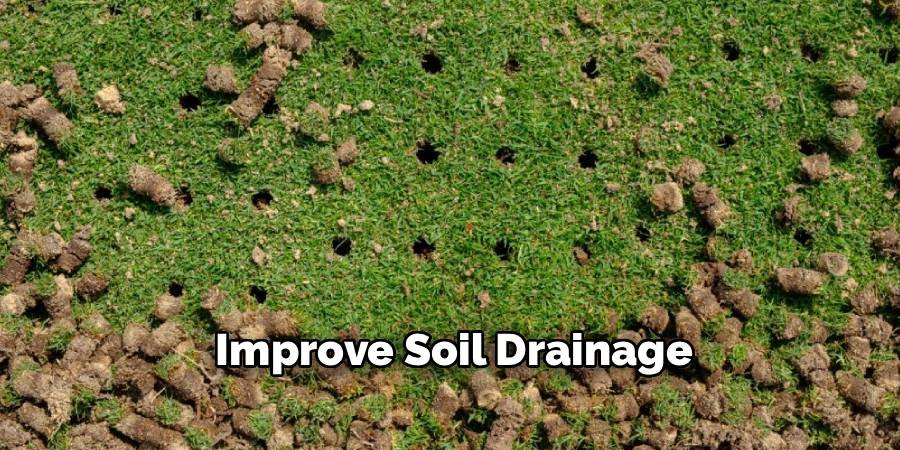
Aerate your lawn to create channels for water and air movement. Use a core aerator to remove small plugs of soil throughout your yard. This helps water drain better and allows roots to breathe.
Add organic matter like compost to improve soil structure. Mix compost into the top few inches of soil to help it drain better while still holding the right amount of moisture.
Install drainage systems in problem areas. If parts of your lawn always stay wet, consider adding French drains or catch basins to redirect water away from grass roots.
Grade your yard properly to prevent water pooling. Ensure your lawn slopes slightly away from your house and doesn’t have low spots where water collects.
Step 3: Test and Adjust Your Soil
Understanding your soil type helps you know how to fix overwatered lawn more effectively. Different soils drain at different rates and need different care approaches.
Clay soil drains slowly and holds too much water. If you have clay soil, add sand and compost to improve drainage. Consider raised beds for severely problematic areas.
Sandy soil drains quickly but might still become overwatered if you water too frequently. Sandy soils need less frequent but deeper watering sessions.
Test soil pH because overwatering can affect nutrient availability. Most grasses prefer soil pH between 6.0 and 7.0. Add lime to raise pH or sulfur to lower it as needed.
Check for soil compaction which prevents proper drainage. Compacted soil cannot absorb water properly, leading to surface pooling and overwatering symptoms.
Step 4: Remove Damaged Grass and Debris
Part of learning how to fix overwatered lawn involves removing grass that cannot recover. Dead and severely damaged grass areas need special attention.
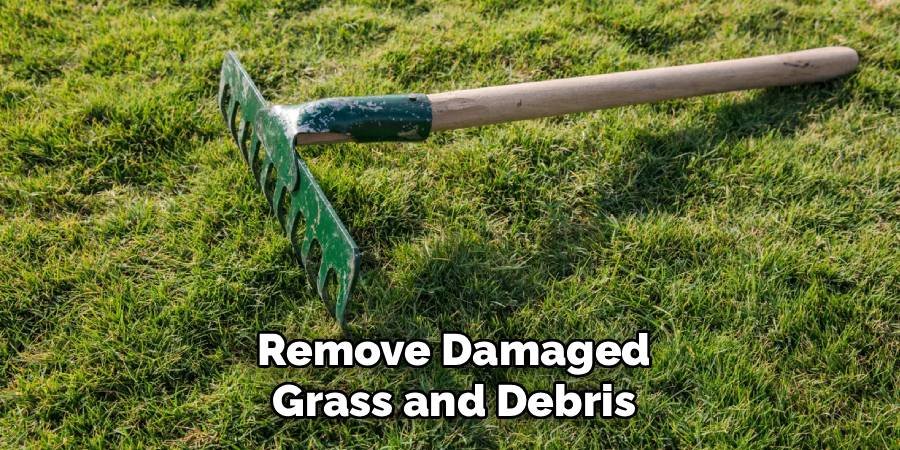
Remove dead grass patches completely, including roots. Use a rake or sod cutter to clear away grass that has turned brown or black from root rot.
Clear away debris like fallen leaves or thatch that might trap moisture against the soil. This debris can keep soil too wet even after you stop overwatering.
Treat diseased areas with appropriate fungicides if necessary. Some fungal infections caused by overwatering need treatment before new grass can grow successfully.
Prepare bare spots for reseeding by loosening soil and adding compost. These areas will need special care to establish new, healthy grass.
Step 5: Adjust Your Watering Schedule
Creating the right watering schedule is crucial when learning how to fix overwatered lawn. Most lawns need much less water than people think.
Water deeply but less frequently instead of daily light watering. Most lawns need only 1-2 inches of water per week, including rainfall.
Water early in the morning between 6 AM and 10 AM. This gives grass time to dry before evening, reducing disease risk.
Use the screwdriver test to check soil moisture before watering. Only water when the top 2-3 inches of soil feel dry.
Install a rain gauge to track natural rainfall. Subtract rainfall amounts from your weekly watering needs to avoid overwatering.
Step 6: Reseed or Sod Bare Areas
After removing damaged grass, you’ll need to establish new growth. Knowing how to fix overwatered lawn includes proper reseeding techniques.
Choose the right grass type for your climate and soil conditions. Some grasses handle moisture better than others, so select varieties suited to your area.
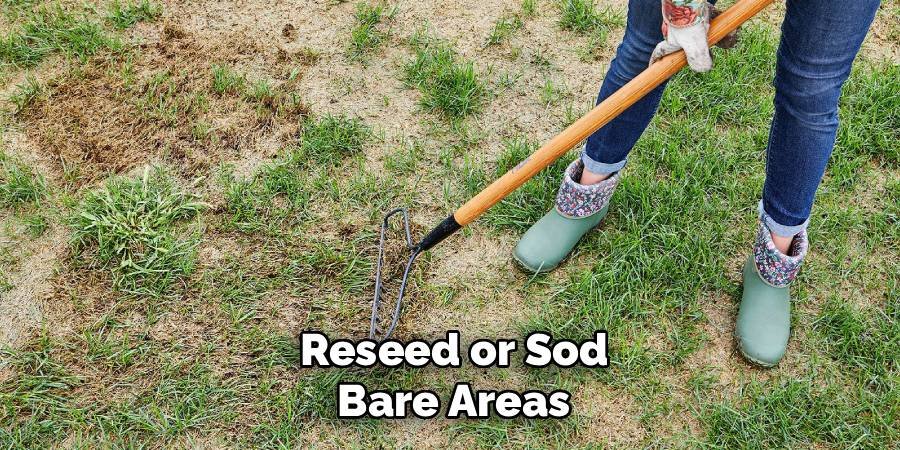
Time seeding properly for best results. Cool-season grasses grow best when seeded in fall, while warm-season varieties prefer late spring planting.
Prepare soil carefully before seeding. Loosen soil to 6 inches deep and add compost to improve drainage and nutrition.
Keep new grass properly watered without overwatering. New seeds need consistent moisture but not waterlogged conditions.
Step 7: Fertilize Carefully
Overwatered lawns often have nutrient deficiencies because waterlogged roots cannot absorb food properly. Learning how to fix overwatered lawn includes proper fertilization.
Wait until grass recovers before applying fertilizer. Fertilizing stressed grass can cause more harm than good.
Use slow-release fertilizer to provide steady nutrition without shocking recovering grass. Quick-release fertilizers can burn damaged roots.
Apply fertilizer when soil is moist but not wet for best absorption. Never fertilize waterlogged soil.
Follow label directions carefully and don’t over-fertilize. Too much fertilizer can stress grass that’s already recovering from overwatering.
Step 8: Monitor and Maintain
The final step in how to fix overwatered lawn is ongoing monitoring and proper maintenance. Recovery takes time, and consistent care prevents future problems.
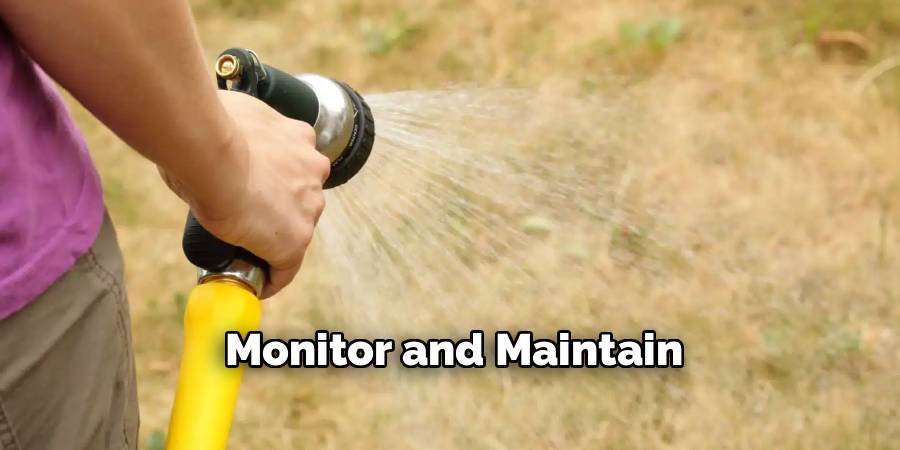
Check soil moisture regularly using simple tools like screwdrivers or moisture meters. This helps you avoid overwatering again.
Mow at proper height to encourage deep root growth. Most grasses should be cut to 2.5-3 inches tall.
Continue aerating annually to maintain good drainage. Core aerate once or twice per year depending on soil type and traffic.
Watch for disease signs and treat problems quickly. Early treatment prevents minor issues from becoming major lawn damage.
FAQs About How to Fix Overwatered Lawn
How long does it take to fix an overwatered lawn?
Fixing an overwatered lawn typically takes 2-6 weeks, depending on the severity of damage and weather conditions. Mild overwatering might show improvement in just one week after stopping irrigation, while severe cases with root rot and fungal diseases can take several months to fully recover. The key is being patient and consistent with proper care practices. New grass seeded in damaged areas will take 2-4 weeks to germinate and establish. Complete lawn recovery, including deep root development and full color return, usually occurs within one full growing season when proper techniques are followed consistently.
Can I save grass that has turned yellow from overwatering?
Yes, yellow grass from overwatering can often be saved if the roots are still healthy. Yellow coloring usually indicates nutrient uptake problems rather than dead roots. Stop watering immediately and allow soil to dry out naturally. Check if grass crowns (the area where roots meet stems) are still green and firm. If they feel mushy or black, those areas need replacement. Yellow grass with healthy crowns typically recovers within 2-3 weeks once drainage improves and proper watering resumes. Apply light fertilizer only after grass begins showing new green growth to support recovery without stressing damaged roots.
What’s the difference between overwatered and underwatered grass?
Overwatered grass appears yellow or pale, feels soft underfoot, and often develops fungal diseases or mushrooms. The soil stays constantly wet and may have a sour smell. Underwatered grass turns brown or blue-gray, feels crunchy, and shows visible wilting during hot weather. Footprints remain visible on drought-stressed lawns, while overwatered lawns feel spongy. Overwatered grass roots become shallow and weak, while drought-stressed grass develops deep root systems searching for moisture. Understanding these differences helps you apply the correct treatment and avoid making problems worse by adding more water to already overwatered grass.
Should I use fungicide on my overwatered lawn?
Fungicide treatment may be necessary if your overwatered lawn shows signs of fungal diseases like brown patch, dollar spot, or pythium blight. However, fungicide alone won’t solve the problem – you must also correct the underlying moisture issue. Apply fungicide only to actively diseased areas, following label directions carefully. Choose fungicides specifically designed for your grass type and the disease present. Prevention through proper watering practices is more effective than treatment. Once you’ve corrected drainage and watering issues, most fungal problems will resolve naturally without chemical intervention. Always read and follow all fungicide label instructions for safe, effective application.
How often should I water my lawn after fixing overwatering problems?
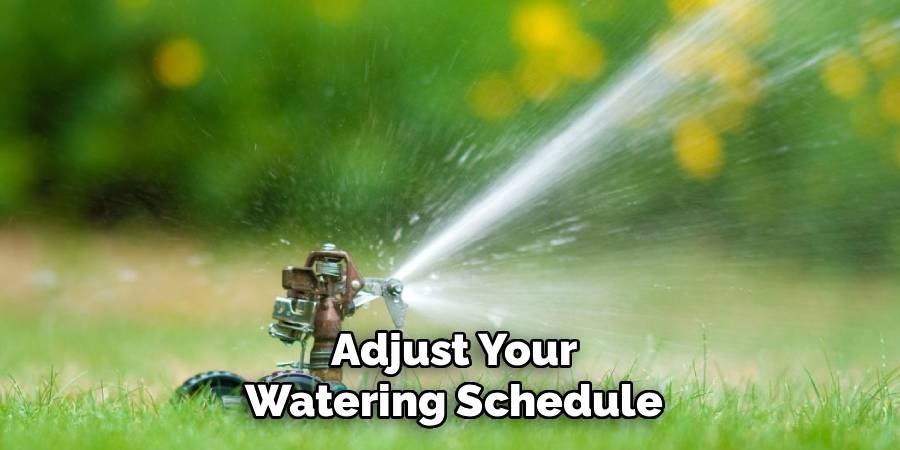
After fixing overwatering issues, most established lawns need water only 1-2 times per week, providing about 1 inch of total moisture including rainfall. Water deeply in early morning, applying enough water to penetrate 6-8 inches deep. Use the screwdriver test – if it easily penetrates 6 inches into soil, no watering is needed. New grass in reseeded areas needs more frequent, lighter watering until established, usually 2-3 times daily for the first two weeks. Adjust watering based on season, weather, and grass type. Cool-season grasses need more water during hot summer months, while warm-season varieties are more drought-tolerant once established.
Conclusion
Learning how to fix overwatered lawn problems requires patience and the right approach, but the results are worth the effort. By following these eight detailed steps – stopping watering, improving drainage, adjusting soil conditions, removing damaged grass, creating proper watering schedules, reseeding bare areas, fertilizing carefully, and maintaining ongoing monitoring – you can restore your lawn to healthy, vibrant condition.
Remember that prevention is always better than cure. Once you’ve successfully fixed your overwatered lawn, maintain proper watering practices to avoid future problems. Most lawns need far less water than homeowners typically provide. Deep, infrequent watering encourages strong root development and creates more resilient grass that can handle various weather conditions.
The key to long-term success lies in understanding your specific soil type, grass variety, and local climate conditions. With consistent care and proper techniques, your recovered lawn will become more beautiful and healthy than ever before, providing years of enjoyment for your family.

About Ravuk Barg
B.Sc. Horticulture Science | Certified Master Gardener
Ravuk Barg has spent more than a decade with his hands in the soil and his head full of questions about why some gardens thrive while others struggle. What started as a single raised bed of tomatoes and basil in a modest backyard has grown into a deep, working knowledge of everything from seed germination and soil amendment to companion planting and seasonal pruning.
Over the years, Ravuk has gardened through drought summers, waterlogged springs, and pest invasions that would make most gardeners hang up their trowels for good. Those hard seasons, he’ll tell you, taught him more than any perfect growing year ever could. He writes from that earned experience—covering vegetable growing, ornamental planting, houseplant care, composting, and garden design with equal confidence and curiosity.
Philosophy & Approach
Ravuk’s approach to gardening is rooted in practicality. He favors organic methods not out of dogma, but because they work long-term—resulting in healthier soil, fewer inputs, and stronger plants. He has a particular fondness for heirloom vegetable varieties (the kind with proper flavor), unruly cottage-style flower beds, and the stubborn houseplants that everyone else gave up on.
The Mission: Give readers the honest, experience-backed advice that helps them actually succeed in their gardens—not just the ideal version, but the real one; weeds, failures, and all.
Education & Credentials
-
B.Sc. in Horticulture Science
-
Greenfield Agricultural University
-
Focus: Plant Physiology, Soil Ecology, and Sustainable Crop Production
-
-
Master Gardener Certification
-
Cooperative Extension Service
-
Focus: 200+ hours of hands-on practical training and community garden work
-
Continuing Education
-
Organic Pest Management
-
Native Plant Landscaping
-
Sustainable Crop Production