

Achieving a lush, green lawn is a common goal for many homeowners, but timing is everything. While spring and fall are the usual seasons for planting grass seed, there is another powerful technique that can give you a head start: dormant seeding. This method involves planting seeds during the late fall or winter when the ground is cold enough to prevent germination until the spring.
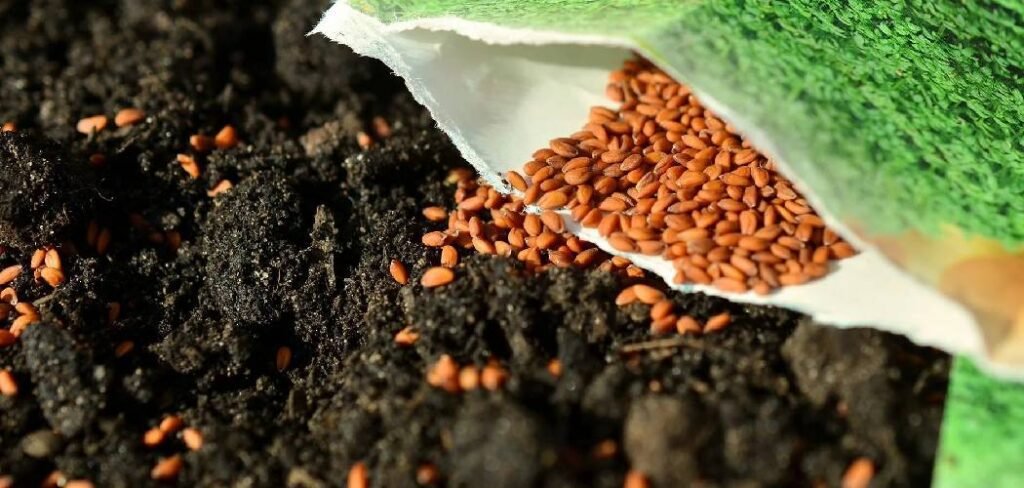
When done correctly, this process can lead to a healthier, thicker lawn with less competition from weeds. If you’ve ever wondered how to dormant seed a lawn, you’re in the right place. This guide will walk you through the process, making it simple for even beginner gardeners to master this effective technique and look forward to a beautiful yard when the weather warms up.
Why Dormant Seeding is Important
Dormant seeding offers several distinct advantages that make it a valuable practice for lawn care. The primary benefit is giving your grass seed a significant head start. By sowing seeds in late fall or winter, they are perfectly positioned to germinate at the earliest possible moment in spring. As the snow melts and the ground thaws, the seeds are naturally worked into the soil, creating excellent seed-to-soil contact. This early start means your new grass can establish strong roots before the summer heat arrives, which can stress and damage young seedlings.
8 Step Methods Guide on How to Dormant Seed a Lawn
Step 1: Choose the Right Time
Timing is the most critical factor for successful dormant seeding. You must wait until the ground is cold enough to prevent the seeds from germinating before winter sets in. The ideal soil temperature should be consistently below 40°F (4°C). This usually occurs in late fall or early winter, often between Thanksgiving and March, depending on your climate zone. Sowing the seed too early, when the ground is still warm, could cause it to sprout. These young sprouts would then be killed by the first hard frost, wasting your time and money. Monitor your local weather and wait for a consistent cold snap before you begin.

Step 2: Select the Right Grass Seed
Choosing the appropriate grass seed is essential for this process. Cool-season grasses are the only types suitable for dormant seeding, as they are hardy enough to survive winter and thrive in cooler spring temperatures. Excellent choices include Kentucky bluegrass, perennial ryegrass, and fescues (tall, fine, or creeping red). These varieties are well-suited for the early start that dormant seeding provides. It’s often beneficial to use a high-quality seed mix containing several of these types. This diversity can improve your lawn’s resilience to disease, drought, and foot traffic. Avoid warm-season grasses like Bermuda or Zoysia, as they will not survive the cold winter temperatures.
Step 3: Prepare the Lawn Area
Proper preparation of the lawn is key to ensuring good seed-to-soil contact, which is necessary for germination. Start by mowing your existing lawn one last time, cutting it shorter than usual to about 1.5 to 2 inches. This allows more sunlight to reach the soil surface in the spring. After mowing, rake the entire area vigorously to remove any dead grass, leaves, thatch, and other debris. This dethatching process is crucial because it exposes the soil, allowing the new seeds to make direct contact. For bare patches or larger areas, consider using a core aerator to reduce soil compaction and create small pockets for the seeds to settle into.
Step 4: Improve the Soil
Once the lawn is cleared, it’s a good idea to amend the soil, especially in bare spots or thin areas. Applying a thin layer of high-quality compost or topsoil across the seeding area can make a significant difference. This layer, about a quarter-inch thick, doesn’t need to be worked in deeply. Its main purpose is to provide a nutrient-rich bed for the seeds to settle into over the winter. The organic matter will help retain moisture and provide essential nutrients when the seeds begin to germinate in the spring. This simple step can greatly improve germination rates and the overall health of your new grass.

Step 5: Calibrate Your Spreader
To ensure you apply the seed evenly, you must calibrate your seed spreader correctly. Whether you are using a broadcast (rotary) or drop spreader, check the seed bag for the recommended setting for dormant seeding. This rate is often slightly higher than the rate for regular fall seeding, typically by about 25-50%, to account for potential seed loss over the winter. If the seed bag doesn’t specify a dormant seeding rate, a good rule of thumb is to apply 3-4 pounds of seed per 1,000 square feet for fescues and ryegrass, or 1-2 pounds for Kentucky bluegrass. An accurate application is key to achieving a uniform lawn.
Step 6: Spread the Seed Evenly
With your spreader calibrated, it’s time to apply the grass seed. For the most even coverage, divide the total amount of seed in half. Apply the first half by walking back and forth in one direction (e.g., north to south). Then, apply the second half by walking in a perpendicular direction (e.g., east to west). This crisscross pattern helps prevent missed spots and ensures a uniform distribution across the entire lawn. Be careful to shut off the spreader when you make turns or stop to avoid creating dense patches of seed. This careful approach to how to dormant seed a lawn ensures no area is left bare.
Step 7: Do Not Water the Seeds
This step is unique to dormant seeding and may feel counterintuitive, but it is crucial. After you have spread the seed, do not water it in. The goal is to keep the seeds dormant until the spring. Adding water in the late fall or winter could warm the soil enough to trigger germination, which would expose the new seedlings to fatal freezing temperatures. Instead, rely on nature to do the work. Winter precipitation, like snow and rain, along with the natural freeze-thaw cycles, will work the seed into the soil and provide the moisture needed for germination at the appropriate time in the spring.
Step 8: Wait Patiently for Spring
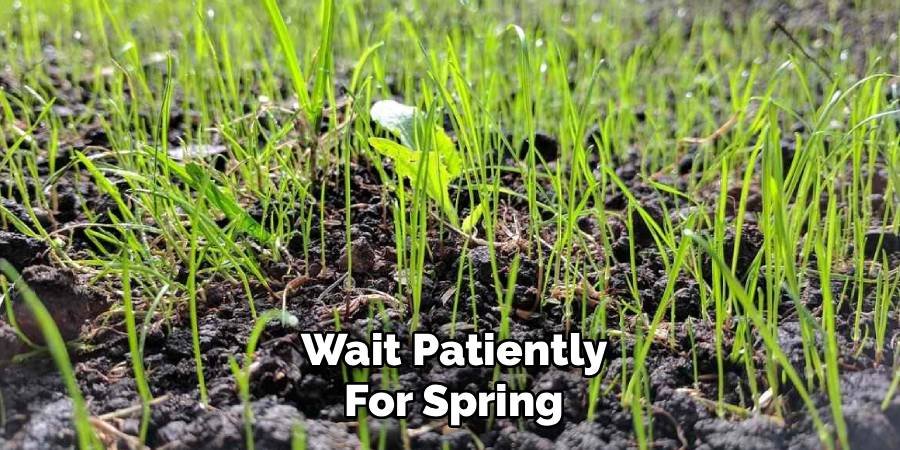
After seeding, your work is done for the winter. Now, you simply need to wait for nature to take its course. The seeds will lie dormant in the cold soil, protected from birds and decay. As temperatures rise and the snow melts in the spring, the seeds will have ideal conditions for germination. You will be rewarded for your patience when you see new grass sprouting earlier than your neighbors who wait for spring seeding. This process is a testament to working with nature’s cycles. Understanding the patience required is a final, vital part of learning how to dormant seed a lawn.
Frequently Asked Questions
What is the Best Grass Seed for Dormant Seeding?
The best types of grass for dormant seeding are cool-season grasses. These varieties are resilient enough to survive cold winter temperatures and are genetically programmed to thrive in the cool, moist conditions of early spring. Top choices include:
- Kentucky Bluegrass
- Perennial Ryegrass
- Tall Fescue
- Fine Fescues (Creeping Red, Chewings)
A high-quality seed blend containing a mix of these types is often ideal, as it creates a more diverse and resilient lawn. Avoid using warm-season grasses like Bermuda or Zoysia.
Can I Apply Fertilizer During Dormant Seeding?
It is generally not recommended to apply fertilizer at the same time as dormant seeding. Standard nitrogen-rich fertilizers can stimulate seed germination if a brief warm spell occurs, which would lead to the new sprouts dying in the subsequent freeze. However, you can apply a starter fertilizer in the late fall before temperatures drop, as this will help the existing lawn store nutrients. The best practice is to wait until you see new growth in the spring and then apply a starter fertilizer to support the young seedlings.
Is Dormant Seeding Better Than Spring Seeding?
Dormant seeding offers several advantages over traditional spring seeding. Seeds planted in winter get a head start, germinating as soon as soil temperatures are right. This allows the grass to establish a strong root system before the summer heat arrives. It also faces less competition from annual weeds, which typically germinate later in the spring. Spring-seeded grass often struggles to establish itself before summer, making it more susceptible to heat, drought, and disease. For these reasons, many lawn care experts consider dormant seeding a superior method.

What Happens if It Snows Right After I Seed?
Snowfall right after you dormant seed is actually ideal. A blanket of snow is one of the best things that can happen to your newly sown seeds. The snow cover acts as a protective layer, insulating the seeds from harsh winter winds and preventing them from being eaten by birds. When the snow melts in the spring, it provides a gentle and consistent source of moisture, helping the seeds settle into the soil and ensuring excellent seed-to-soil contact. This process perfectly sets the stage for successful germination when the weather warms up.
Do I Need to Aerate Before Dormant Seeding?
While not always mandatory, aerating your lawn before dormant seeding is highly beneficial, especially if your soil is compacted. Core aeration involves pulling small plugs of soil from the lawn, which creates channels for air, water, and nutrients to penetrate the ground. These pockets are also perfect spots for grass seeds to fall into, protecting them and guaranteeing excellent seed-to-soil contact. Aerating in the fall, before the ground gets too cold, can significantly improve your dormant seeding results by creating a more favorable environment for germination.
Conclusion
Dormant seeding is a smart and effective strategy for achieving a thick, healthy lawn. By working with nature’s cycles, you give your grass seed a critical head start, allowing it to establish strong roots before the challenges of summer heat and weeds arrive. The process is straightforward: time it right, prepare the soil, choose a quality cool-season seed, and let winter do the rest. With a little patience, you’ll see the rewarding results of your efforts in the early spring, with fresh green sprouts covering your yard. Now that you know how to dormant seed a lawn, you have a powerful tool to create the beautiful, resilient turf you’ve always wanted.

About Ravuk Barg
B.Sc. Horticulture Science | Certified Master Gardener
Ravuk Barg has spent more than a decade with his hands in the soil and his head full of questions about why some gardens thrive while others struggle. What started as a single raised bed of tomatoes and basil in a modest backyard has grown into a deep, working knowledge of everything from seed germination and soil amendment to companion planting and seasonal pruning.
Over the years, Ravuk has gardened through drought summers, waterlogged springs, and pest invasions that would make most gardeners hang up their trowels for good. Those hard seasons, he’ll tell you, taught him more than any perfect growing year ever could. He writes from that earned experience—covering vegetable growing, ornamental planting, houseplant care, composting, and garden design with equal confidence and curiosity.
Philosophy & Approach
Ravuk’s approach to gardening is rooted in practicality. He favors organic methods not out of dogma, but because they work long-term—resulting in healthier soil, fewer inputs, and stronger plants. He has a particular fondness for heirloom vegetable varieties (the kind with proper flavor), unruly cottage-style flower beds, and the stubborn houseplants that everyone else gave up on.
The Mission: Give readers the honest, experience-backed advice that helps them actually succeed in their gardens—not just the ideal version, but the real one; weeds, failures, and all.
Education & Credentials
-
B.Sc. in Horticulture Science
-
Greenfield Agricultural University
-
Focus: Plant Physiology, Soil Ecology, and Sustainable Crop Production
-
-
Master Gardener Certification
-
Cooperative Extension Service
-
Focus: 200+ hours of hands-on practical training and community garden work
-
Continuing Education
-
Organic Pest Management
-
Native Plant Landscaping
-
Sustainable Crop Production