

Badgers, with their distinctive striped faces, can be a charming sight in the wild. However, when they decide your carefully tended garden is their personal buffet, that charm quickly fades. These powerful diggers can create significant damage overnight, from ruining lawns in their search for grubs to feasting on your prized vegetables. Finding a humane and effective solution is key to protecting your property without harming these native animals. If you’re wondering how to deter badgers and reclaim your garden, you’ve come to the right place.
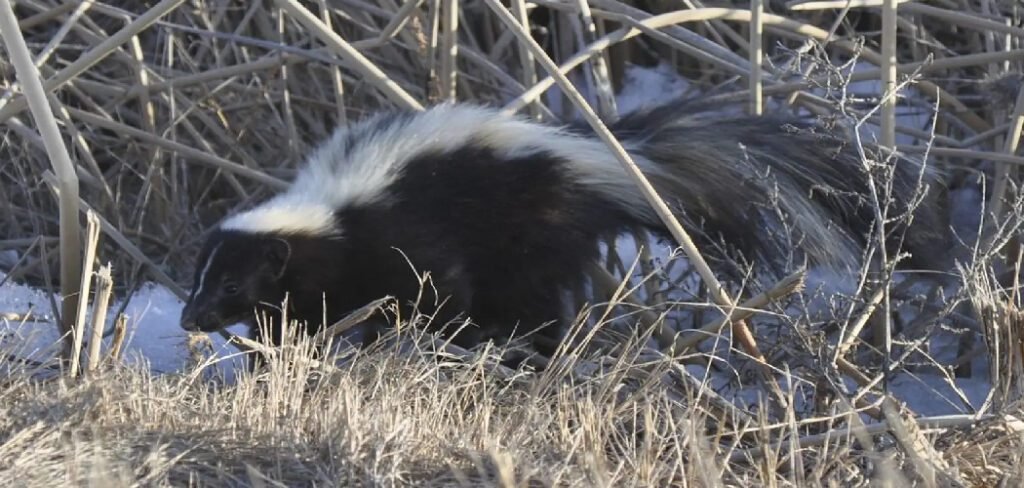
This guide provides practical, beginner-friendly steps to help you manage these nocturnal visitors peacefully.
Why Badgers Visit Your Garden
Understanding what attracts badgers is the first step toward encouraging them to go elsewhere. These omnivores are primarily driven by their search for food. Their diet is surprisingly varied, but they have a strong preference for earthworms and insect larvae, like chafer grubs and leatherjackets, which are often plentiful in well-maintained lawns. When they dig up your turf, they’re not trying to be destructive; they’re simply hunting for a meal.
Beyond insects, badgers will also eat fruits, vegetables, flower bulbs, and even raid unsecured compost bins or pet food bowls left outside. They are creatures of habit and will establish regular foraging routes, known as badger runs. If your garden is part of this route and offers a reliable food source, they will keep returning. By making your garden less appealing and harder to access, you can gently persuade them to find food elsewhere.
8 Step-by-Step Guide on How to Deter Badgers
Step 1: Identify Badger Activity
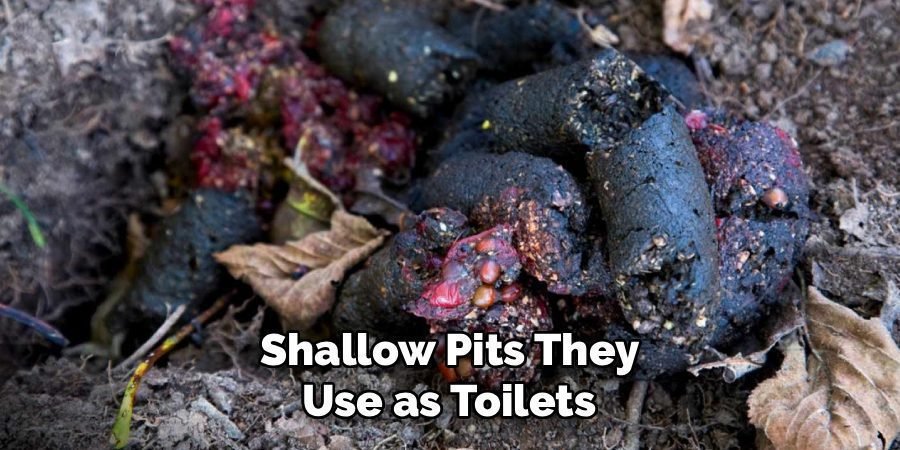
The first action is to confirm that badgers are indeed the culprits. Look for distinct signs of their presence. Badgers dig for grubs, creating snuffle holes—small, cone-shaped pits in your lawn. You might also find more extensive damage where they have dug up flowerbeds or vegetable patches. Another clear indicator is the presence of badger paths or runs, which are well-trodden trails leading into your garden. You may also discover their latrines: small, shallow pits they use as toilets. Identifying these signs ensures you are targeting the right animal.
Step 2: Remove Food Sources
Badgers are motivated by their stomachs, so making your garden less of a buffet is a powerful deterrent. Harvest ripe fruits and vegetables promptly, and be sure to collect any fallen fruit from the ground. If you have a compost bin, ensure it is securely sealed to prevent badgers from scavenging for scraps. Avoid leaving pet food or bird feed out overnight, as these are easy and attractive meals. By eliminating these accessible food sources, you make your garden a much less appealing stop on their nightly foraging route.
Step 3: Secure Your Boundaries
A sturdy fence is one of the most effective ways to keep badgers out. Since they are strong diggers, the fence needs specific features. It should be at least 4 feet (1.2 meters) high and made of a strong material like chain-link or welded mesh. To prevent them from digging underneath, bury the fence at least 18 inches (45 cm) deep into the ground. Alternatively, you can bend the bottom of the fence outwards at a 90-degree angle to create an L-shaped skirt, which you then bury just below the surface.
Step 4: Install Badger-Proof Gates
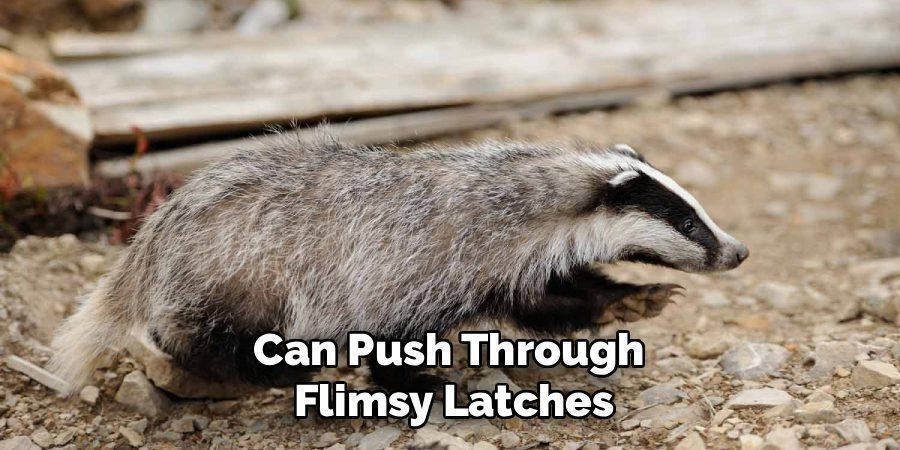
Even with a secure fence, an open or weak gate provides an easy entry point. Ensure any gates leading into your garden are just as robust as your fencing. They should close firmly and have no large gaps at the bottom or sides that a badger could squeeze through. Badgers are surprisingly strong and can push through flimsy latches, so install a heavy-duty bolt or lock to keep the gate securely shut, especially overnight. This simple step completes your secure perimeter, making access much more difficult for these persistent animals.
Step 5: Use Scent Deterrents
Badgers have a highly developed sense of smell, which you can use to your advantage. Certain strong odors are unpleasant to them and can encourage them to stay away. Commercially available, approved animal repellents are a good option; always follow the manufacturer’s instructions for safe and effective use. Some gardeners also report success with natural scents like citronella oil or Olbas oil. Soaking rags in these substances and placing them at entry points or around affected areas can create a scent barrier that badgers will prefer to avoid.
Step 6: Introduce Motion-Activated Devices
Unexpected light and sound can startle badgers, making them wary of entering your garden. Consider installing motion-activated sprinklers or lights. When a badger triggers the sensor, a sudden spray of water or a bright light can be enough to frighten it away. These devices are humane and work by creating an unpredictable, unwelcoming environment. Over time, badgers may learn to associate your garden with these unpleasant surprises and decide to forage in a more peaceful location, offering a practical solution for how to deter badgers.
Step 7: Maintain Your Lawn
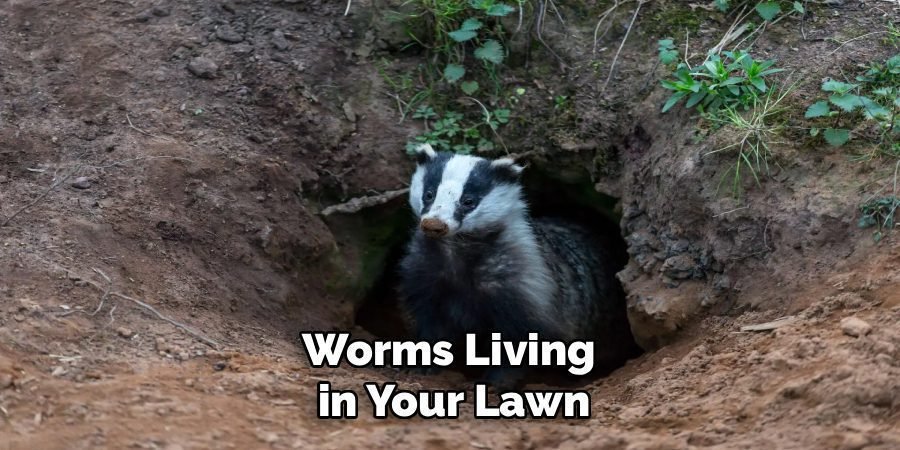
A primary food source for badgers is the grubs and worms living in your lawn. By managing the pest population in your soil, you can reduce the appeal of your garden. Applying nematodes—microscopic worms that are natural predators of common lawn pests like chafer grubs and leatherjackets—is an effective, eco-friendly solution. A healthy, well-drained lawn is also less attractive to earthworms on wet nights. This approach tackles the problem at its source, making your turf a less fruitful hunting ground for hungry badgers.
Step 8: Try Electric Fencing
For persistent badgers and larger properties, electric fencing can be an extremely effective solution. This method requires careful installation to be both safe and successful. A low-voltage electric fence with two or three strands—placed at about 4 and 8 inches (10 and 20 cm) off the ground—will deliver a mild but unpleasant shock. This does not harm the badger but quickly teaches it to avoid the boundary. Always use a purpose-built electric fence energizer and post clear warning signs for safety.
Frequently Asked Questions (FAQ)
What Time of Night Do Badgers Come Out?
Badgers are nocturnal, meaning they are most active after sunset and throughout the night. They typically emerge from their setts (burrows) around dusk to begin their search for food and water. Their peak activity often occurs in the hours just after dark and again before dawn. This is why you usually discover the damage they’ve caused in the morning. Understanding their active hours helps you know when deterrents like motion-activated sprinklers will be most effective.
Is It Illegal to Block a Badger Sett?
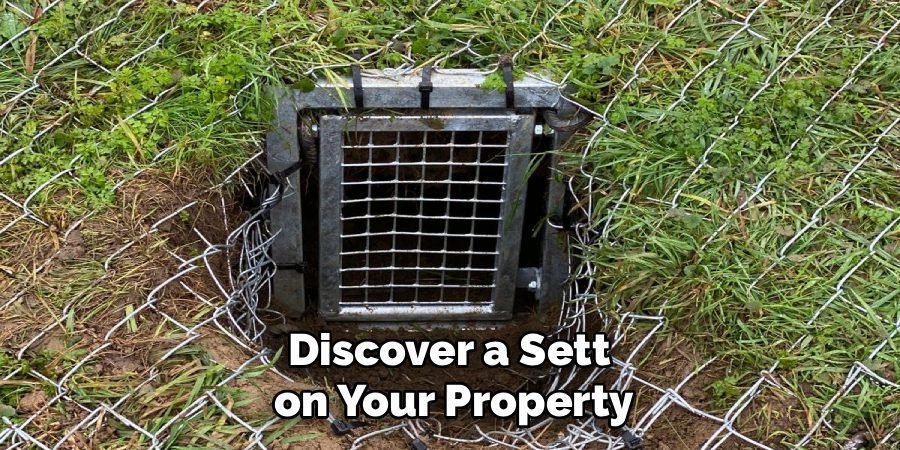
Yes, it is illegal to interfere with a badger sett. Badgers and their setts are protected by law in the UK under the Protection of Badgers Act 1992. This means you cannot kill, injure, or capture a badger, nor can you damage, destroy, or obstruct access to a sett. If you discover a sett on your property, you must not block any entrances or attempt to move the animals. Contact a local badger group or wildlife organization for advice.
Will a Dog Deter Badgers?
The presence of a dog can sometimes deter badgers. The scent and sound of a dog in the garden may make a badger more cautious about entering the area. However, this is not a guaranteed solution. Some bold badgers may ignore a dog, especially if it is indoors. Furthermore, direct confrontation between a dog and a badger can result in serious injury to both animals, as badgers are powerful and will defend themselves fiercely if cornered.
Do Ultrasonic Deterrents Work on Badgers?
The effectiveness of ultrasonic deterrents on badgers is widely debated. These devices emit high-frequency sounds that are inaudible to humans but are intended to be annoying to animals. While some users report success, many wildlife experts are skeptical, and scientific evidence supporting their long-term effectiveness is limited. Badgers may initially be startled by the noise but can quickly become accustomed to it, rendering the device ineffective over time.
What Is a Badger’s Favorite Food?
A badger’s absolute favorite food is earthworms. They can consume hundreds of them in a single night, especially on damp evenings when worms come to the soil surface. However, badgers are omnivores with a varied diet that changes with the seasons. They also feed heavily on insect larvae like chafer grubs and leatherjackets found in lawns. In the autumn, they will eat fruits, berries, and nuts, and they won’t pass up an opportunity to eat small mammals, amphibians, or unsecured food from compost bins.
Conclusion
Protecting your garden from badgers doesn’t have to be a losing battle. By understanding their behavior and systematically removing the things that attract them, you can create a space they are happy to pass by. The key is to be persistent and combine several different methods. Start by securing your property with strong fencing, removing easy food sources, and using scent or motion-activated deterrents to make the area unwelcoming. These humane strategies respect wildlife while safeguarding your hard work. Now that you know how to deter badgers, you can take confident steps to restore peace and order to your garden.

About Ravuk Barg
B.Sc. Horticulture Science | Certified Master Gardener
Ravuk Barg has spent more than a decade with his hands in the soil and his head full of questions about why some gardens thrive while others struggle. What started as a single raised bed of tomatoes and basil in a modest backyard has grown into a deep, working knowledge of everything from seed germination and soil amendment to companion planting and seasonal pruning.
Over the years, Ravuk has gardened through drought summers, waterlogged springs, and pest invasions that would make most gardeners hang up their trowels for good. Those hard seasons, he’ll tell you, taught him more than any perfect growing year ever could. He writes from that earned experience—covering vegetable growing, ornamental planting, houseplant care, composting, and garden design with equal confidence and curiosity.
Philosophy & Approach
Ravuk’s approach to gardening is rooted in practicality. He favors organic methods not out of dogma, but because they work long-term—resulting in healthier soil, fewer inputs, and stronger plants. He has a particular fondness for heirloom vegetable varieties (the kind with proper flavor), unruly cottage-style flower beds, and the stubborn houseplants that everyone else gave up on.
The Mission: Give readers the honest, experience-backed advice that helps them actually succeed in their gardens—not just the ideal version, but the real one; weeds, failures, and all.
Education & Credentials
-
B.Sc. in Horticulture Science
-
Greenfield Agricultural University
-
Focus: Plant Physiology, Soil Ecology, and Sustainable Crop Production
-
-
Master Gardener Certification
-
Cooperative Extension Service
-
Focus: 200+ hours of hands-on practical training and community garden work
-
Continuing Education
-
Organic Pest Management
-
Native Plant Landscaping
-
Sustainable Crop Production