

Palm trees bring a touch of the tropics to any landscape, but they can be vulnerable when temperatures drop. Protecting these beautiful plants from a sudden cold snap is essential for their survival and long-term health. Many gardeners, especially those in climates with occasional freezes, worry about how to keep their palms safe through the winter. The good news is that with a bit of preparation, it’s a manageable task.

This guide will provide you with clear, simple instructions on how to cover palm trees from frost, ensuring your tropical beauties thrive for years to come. We will walk through everything from choosing the right materials to the proper wrapping technique, making the process straightforward even for beginners.
Why Protecting Your Palms from Frost is Crucial
Even a light frost can cause significant damage to a palm tree’s delicate fronds and, more critically, its heart. The heart of the palm, located at the top of the trunk where new fronds emerge, is the tree’s growth center. If this area freezes, the damage is often irreversible, leading to the death of the tree. Younger, less established palms and certain tropical species are particularly susceptible to cold damage. Protecting them from frost prevents unsightly brown fronds, stunted growth, and potential plant loss. Taking preventative measures ensures your investment in these stunning landscape features pays off with year-round beauty.
8 Step-by-Step Guide on How to Cover Palm Trees from Frost
Step 1: Check the Weather Forecast Diligently
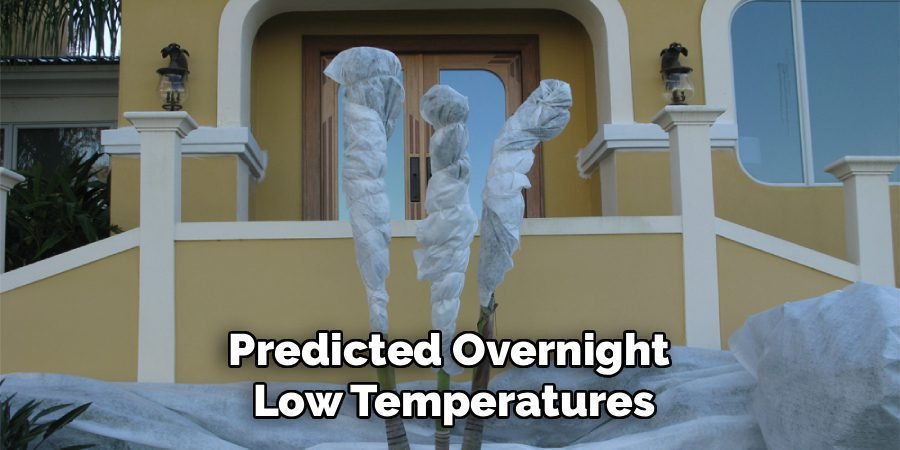
Before a freeze is even a remote possibility, get into the habit of monitoring your local weather forecast. Pay close attention to predicted overnight low temperatures. Frost can form when the air temperature dips to 32°F (0°C), but damage can occur even in the mid-30s, especially on clear, calm nights. Knowing when a cold front is approaching gives you ample time to gather your supplies and prepare your palms without rushing. This proactive approach is the first and most critical step in successful frost protection for your tropical plants.
Step 2: Gather Your Protective Materials
Having the right materials on hand is essential for effective coverage. You will need frost cloths, burlap, old blankets, or landscape fabric. Avoid using plastic sheeting directly on the foliage, as it traps moisture and can cause more harm than good by freezing the leaves it touches. You will also need twine, garden tape, or bungee cords to secure the coverings. For taller trees, a sturdy ladder is necessary. For an added layer of warmth, you can use string lights—the old-fashioned C7 or C9 incandescent bulbs work best as they generate gentle heat.
Step 3: Water the Soil Thoroughly a Day or Two Before the Frost
Properly hydrating your palm tree before a freeze is a simple but effective protective measure. Water the soil around the base of the palm thoroughly one to two days before the predicted frost. Moist soil absorbs more solar heat during the day and radiates it slowly throughout the night, which can keep the root zone several degrees warmer than dry soil. This process helps insulate the roots, which are just as vulnerable to cold as the fronds. Do not water the tree right before a freeze, as this can create a dangerous layer of ice.
Step 4: Wrap the Trunk and Heart of the Palm
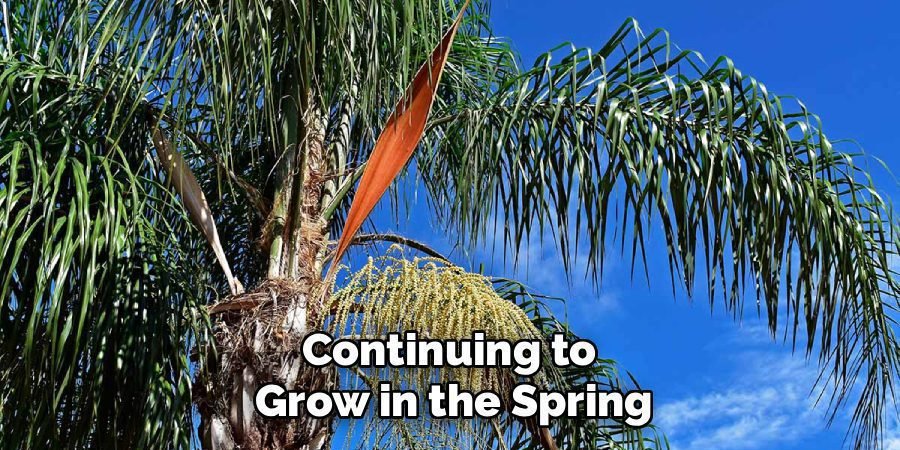
The most vital part of the palm to protect is its heart. Begin by wrapping the trunk with a layer of burlap or a blanket, starting from the base and working your way up. As you reach the top, gently fold the newer fronds upward to shield the central bud. Continue wrapping to cover this entire area securely, as this is where new growth originates. This focused protection insulates the core of the tree from the coldest temperatures, giving it the best chance of surviving the frost unscathed and continuing to grow in the spring.
Step 5: Add a Source of Heat (Optional but Recommended)
For an extra layer of protection during a hard freeze, consider adding a gentle heat source. Drape one or two strings of large-bulb incandescent Christmas lights (C7 or C9) around the trunk and up into the head of the palm before you add the final outer cover. LED lights will not work for this purpose as they do not generate sufficient heat. This small amount of warmth can raise the temperature under the cover by several degrees, which is often enough to prevent damaging ice crystals from forming on the plant tissue.
Step 6: Drape the Covering Over the Entire Tree
Once the trunk is wrapped and any lights are in place, it’s time for the main cover. Gently drape your frost cloth, burlap, or blanket over the entire canopy of the palm tree. The cover should extend all the way to the ground to trap the radiant heat rising from the soil. If your cover isn’t large enough to reach the ground, secure it around the trunk as low as possible. The goal is to create a tent-like structure that shields the palm from cold air and wind.
Step 7: How to Cover Palm Trees from Frost by Securing the Cover
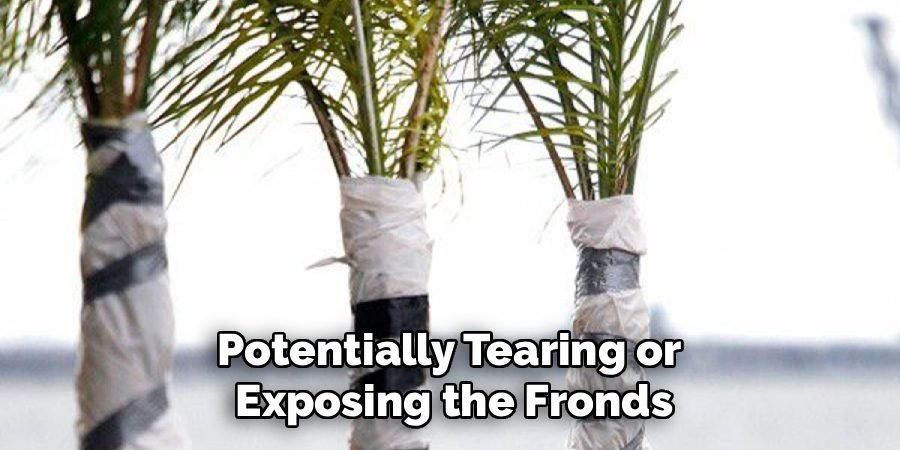
After draping the covering, you must secure it so it doesn’t blow off in the wind. Use twine, garden tape, or bungee cords to tie the fabric loosely around the trunk at the bottom. Make sure it is snug enough to stay in place but not so tight that it restricts airflow completely or damages the trunk. If high winds are expected, you may need to add a few more ties around the body of the cover to keep it from flapping and potentially tearing or exposing the fronds.
Step 8: Uncover the Palm Tree in the Morning
It is critical to remove the coverings in the morning once the threat of frost has passed and temperatures rise above freezing. Leaving a palm tree covered during the day can cause it to overheat, trap excess moisture, and block sunlight, leading to fungal growth and other issues. Make uncovering your palms a priority in your morning routine after a frosty night. This allows the tree to breathe, dry out, and soak up the essential sunlight it needs for photosynthesis and overall health.
Frequently Asked Questions (FAQ)
At What Temperature Should I Cover My Palm Trees?
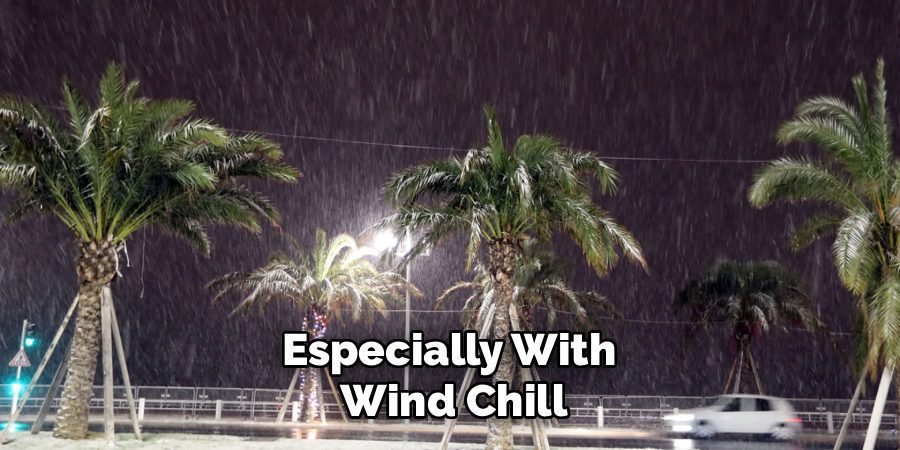
You should plan to cover your palm trees when the forecast predicts temperatures will drop to 32°F (0°C) or below. However, some less cold-hardy species can experience damage in the mid-to-upper 30s, especially with wind chill. It is always better to be cautious. If you are unsure about your specific palm’s hardiness, covering it when temperatures are expected to fall below 36°F (2°C) is a safe practice that will help prevent any potential foliage damage from a light or unexpected frost.
Can I Use Plastic to Cover My Palm Trees?
Using plastic sheeting as a cover is not recommended. Plastic is a poor insulator and does not allow the plant to breathe. Worse, any part of the frond that touches the plastic can freeze due to condensation and direct temperature transfer. If plastic is your only option, build a frame around the palm so the plastic does not make direct contact with the foliage. A better alternative is a breathable material like frost cloth, burlap, or even an old blanket, which provides insulation without trapping harmful moisture.
How Long Can I Keep My Palm Tree Covered?
You should only keep your palm tree covered for the duration of the freezing temperatures. It is crucial to uncover it in the morning after the frost has melted and the temperature is safely above freezing. Leaving the cover on during the day can lead to overheating, moisture buildup, and a lack of sunlight, which can stress the tree and invite fungal diseases. The goal is to protect it from the cold, not to isolate it from its environment for an extended period.
Will Frost-Damaged Fronds Grow Back?
Yes, in most cases, fronds that have been damaged by frost will eventually be replaced by new growth. However, do not be quick to prune the brown, damaged fronds. They can provide a layer of insulation for the rest of the tree during subsequent cold spells. Wait until all danger of frost has passed for the season, well into the spring, before trimming them off. As long as the heart of the palm was not critically damaged, new, healthy fronds should emerge when the weather warms up.
Do I Need to Protect a Mature Palm Tree from Frost?
Whether a mature palm needs protection depends on the species and the severity of the freeze. Many mature palms, such as the Windmill Palm or California Fan Palm, are quite cold-hardy and can withstand moderate frosts without any cover. However, more tropical species like the Queen Palm or Foxtail Palm remain vulnerable even when mature. If a hard freeze with temperatures well below 30°F (-1°C) is predicted, providing some protection even for a mature tree is a wise precaution, especially for its central growth bud.
Conclusion
Protecting your palms from the cold might seem like a chore, but it is a vital step in ensuring these tropical treasures survive and flourish in your garden. By monitoring the weather, gathering the right materials, and following a few simple steps, you can shield your trees from the damaging effects of a freeze. Remember to water in advance, wrap the trunk, cover the canopy completely, and uncover your palms promptly in the morning. Mastering how to cover palm trees from frost empowers you to be a confident and successful gardener, ensuring your landscape remains a beautiful oasis, no matter the season.

About Ravuk Barg
B.Sc. Horticulture Science | Certified Master Gardener
Ravuk Barg has spent more than a decade with his hands in the soil and his head full of questions about why some gardens thrive while others struggle. What started as a single raised bed of tomatoes and basil in a modest backyard has grown into a deep, working knowledge of everything from seed germination and soil amendment to companion planting and seasonal pruning.
Over the years, Ravuk has gardened through drought summers, waterlogged springs, and pest invasions that would make most gardeners hang up their trowels for good. Those hard seasons, he’ll tell you, taught him more than any perfect growing year ever could. He writes from that earned experience—covering vegetable growing, ornamental planting, houseplant care, composting, and garden design with equal confidence and curiosity.
Philosophy & Approach
Ravuk’s approach to gardening is rooted in practicality. He favors organic methods not out of dogma, but because they work long-term—resulting in healthier soil, fewer inputs, and stronger plants. He has a particular fondness for heirloom vegetable varieties (the kind with proper flavor), unruly cottage-style flower beds, and the stubborn houseplants that everyone else gave up on.
The Mission: Give readers the honest, experience-backed advice that helps them actually succeed in their gardens—not just the ideal version, but the real one; weeds, failures, and all.
Education & Credentials
-
B.Sc. in Horticulture Science
-
Greenfield Agricultural University
-
Focus: Plant Physiology, Soil Ecology, and Sustainable Crop Production
-
-
Master Gardener Certification
-
Cooperative Extension Service
-
Focus: 200+ hours of hands-on practical training and community garden work
-
Continuing Education
-
Organic Pest Management
-
Native Plant Landscaping
-
Sustainable Crop Production