

Choosing the right fertilizer for your lawn can feel overwhelming with so many options available at garden centers and home improvement stores. The wrong fertilizer can waste money, harm your grass, or even damage the environment. However, selecting the correct fertilizer is easier when you understand what your lawn needs and how different fertilizer types work.
A healthy, green lawn starts with proper nutrition. Just like people need different foods to stay healthy, different grass types need specific nutrients to grow thick and strong. The right fertilizer provides these essential nutrients at the right time and in the correct amounts for your specific lawn conditions.
This complete guide will teach you how to choose the right fertilizer for your lawn using 10 effective methods. You’ll learn about different fertilizer types, how to read fertilizer labels, and when to apply fertilizer for best results. Whether you have cool-season grass or warm-season varieties, these proven methods will help you create the beautiful lawn you want.
Different Types of Lawn Fertilizers
Granular fertilizers are the most popular choice for homeowners because they’re easy to apply and provide long-lasting nutrition. These small pellets release nutrients slowly over several weeks or months. Granular fertilizers work well for regular feeding schedules and don’t require mixing or measuring.
Liquid fertilizers provide quick nutrition that grass can use immediately. These products are mixed with water and applied through hose-end sprayers or watering cans. Liquid fertilizers are perfect for giving struggling grass a quick boost or correcting specific nutrient deficiencies.
Organic fertilizers come from natural sources like composted manure, bone meal, or plant materials. These products release nutrients slowly and improve soil health over time. Organic fertilizers are safer for children and pets but often cost more than synthetic options.
Synthetic fertilizers are manufactured chemically and provide precise nutrient amounts. These products typically cost less than organic fertilizers and offer more predictable results. However, synthetic fertilizers can burn grass if applied incorrectly and don’t improve soil structure like organic options.
10 Effective Methods on How To Choose the Right Fertilizer for Your Lawn
Method 1: Test Your Soil First
Before buying any fertilizer, get your soil tested to understand what nutrients your lawn actually needs. Soil testing reveals pH levels, nutrient content, and organic matter amounts. This information helps you choose fertilizers that address specific deficiencies rather than guessing what your lawn needs.
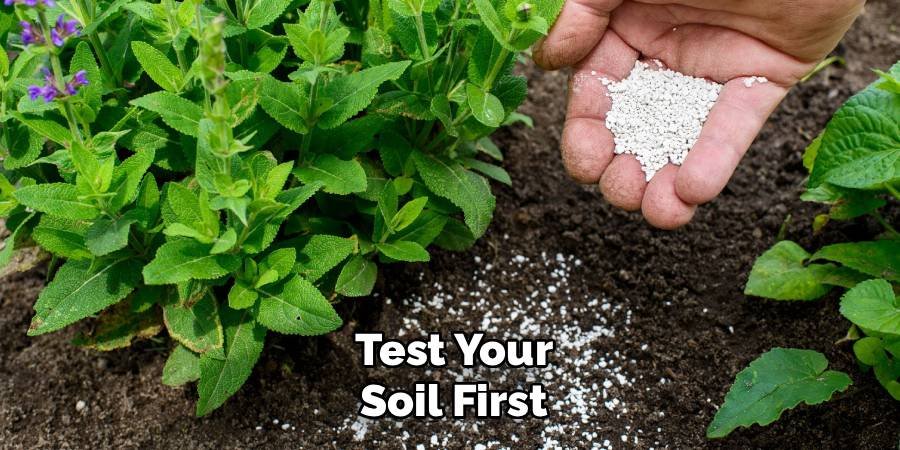
Contact your local extension office for inexpensive soil testing services. Many offices offer basic tests for $10-20 that include pH and major nutrient levels. Some hardware stores and garden centers also offer soil testing kits you can use at home.
Collect soil samples from several areas of your lawn for accurate results. Mix samples together and remove grass, roots, and debris before testing. Take samples 4-6 inches deep where most grass roots grow. Avoid areas near sidewalks, driveways, or where pets regularly go to the bathroom.
Soil test results include recommendations for fertilizer types and application rates. Follow these recommendations closely for best results. Retesting every 2-3 years helps you track changes in soil conditions and adjust fertilizer programs accordingly.
Method 2: Identify Your Grass Type
Different types of grass have different nutrient needs and growing seasons. Cool-season grasses such as fescue, bluegrass, and ryegrass grow most actively in the spring and fall when temperatures are moderate. These grasses need more nitrogen during their peak growth period. Warm-season grasses such as Bermuda, Zoysia, and St. Augustine grow best during the hot summer months. These types of grass have different fertilizer timing and nutrient ratios than cool-season varieties. Applying fertilizer at the wrong time for your type of grass can waste money and damage your lawn.
If you are unsure about your type of grass, contact your local extension office or take a grass sample to a garden center specialist. You can also research common grass types in your area online or through local gardening resources. Consider the specific characteristics of your type of grass when choosing a fertilizer. Some varieties are naturally more disease-resistant and require less frequent feeding. Others grow aggressively and require regular nutrition to maintain a quality appearance and prevent thatch buildup.

Method 3: Consider Your Climate and Growing Season
Climate greatly affects when and how often to fertilize your lawn. Northern areas with cold winters require a different fertilizer application schedule than southern areas with a year-round growing season. Understanding your local climate can help you determine when to fertilize for maximum effectiveness. Cold climates typically have two main fertilizer application seasons: spring to stimulate growth and fall to prepare for winter. Warmer climates may require monthly feedings during the active growing season. Transition zones between climate zones often require a customized approach that takes into account both warm- and cool-season factors.
Check the average first and last frost dates for your area to plan your fertilizer schedule. Avoid applying nitrogen-rich fertilizers too late in the fall as this can stimulate growth that will be damaged by winter weather. Similarly, applications made in early spring should wait until soil temperatures have consistently reached levels suitable for grass growth.
Monitor weather patterns and adjust your fertilizer schedule accordingly. Drought conditions may require a different approach than years with normal rainfall. Excessive rainfall can wash away applied fertilizers, necessitating additional applications or different product choices.
Method 4: Evaluate Your Lawn’s Current Condition
Assess the health and appearance of your lawn before selecting a fertilizer. A thick, green lawn has different needs than a thin, yellow lawn. Stressed lawns may require specific nutrients or soil amendments beyond basic fertilization.
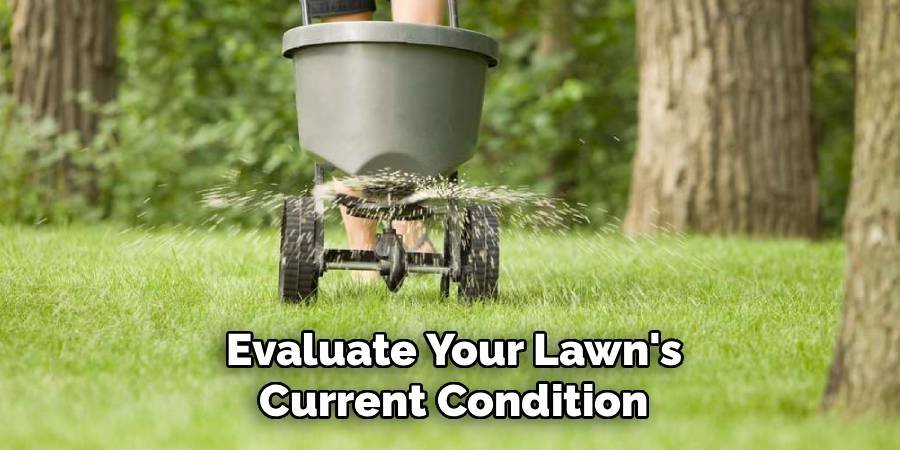
Look for signs of nutrient deficiencies, such as pale green or yellow grass, slow growth, or increased susceptibility to diseases and insects. A nitrogen deficiency usually causes overall yellowing, while an iron deficiency causes yellow grass with green veins. A phosphorus deficiency can cause a purple tinge to the grass blades. Consider recent lawn care activities when selecting a fertilizer. Newly seeded areas need a starter fertilizer high in phosphorus. Recently aerated lawns can use granular fertilizer. Lawns with thatch problems may benefit from organic fertilizers that improve soil biology.
Evaluate problem areas separately from healthy lawn areas. Compacted soil, heavily shaded areas, or spots with drainage problems may require specialized treatment beyond regular fertilizer applications. Address these underlying issues for the fertilizer to work effectively.
Method 5: Determine Your Budget and Maintenance Goals
Set realistic expectations for your lawn care budget and time commitment. Premium organic fertilizers cost more initially but can provide long-lasting results and soil improvement. Synthetic fertilizers typically cost less but may require more frequent applications.
Consider the total cost of your fertilizer program, which includes application equipment, additional treatments, and time investment. Sometimes spending more on quality products saves money in the long run by reducing the need for pest control, disease treatment, or lawn maintenance. Decide whether you want a low-maintenance approach or are willing to invest more time for perfect results. Slow-release fertilizers require fewer applications but cost more per bag. Rapid-release fertilizers require more frequent applications but offer more control over time and results. Consider environmental considerations when budgeting for fertilizer. Some areas have restrictions on when to apply certain types of fertilizers or near water sources. Choose products that comply with local regulations while still meeting your lawn care goals.
Method 6: Read and Compare Fertilizer Labels
Learn to read fertilizer labels to make informed comparisons between products. The three numbers on each fertilizer package indicate the percentage of nitrogen, phosphorus, and potassium. Higher numbers mean more concentrated nutrients, which typically cost more but require less application. Look for additional information about nutrient release rates and longevity. Slow-release formulations provide nutrients for 8-12 weeks, while rapid-release products last 4-6 weeks. Some fertilizers blend both types for immediate and extended feeding.
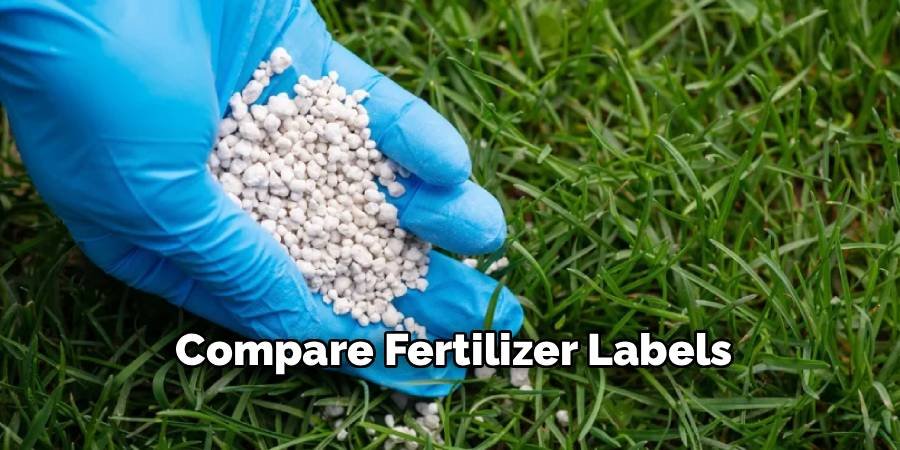
Check for additional ingredients such as iron for enhanced green color, lime for pH adjustment, or herbicides for weed control. Combination products can save time and money, but make sure all ingredients are appropriate for your lawn’s current needs. Compare coverage amounts when evaluating different fertilizer options. An expensive fertilizer that covers twice the area may actually cost less per square foot than a cheaper alternative. Calculate the cost per 1,000 square feet for an accurate price comparison.
Method 7: Choose Between Organic and Synthetic Options
Organic fertilizers improve soil health by adding organic matter and supporting beneficial soil microorganisms. These products release nutrients slowly and are less likely to burn grass or contaminate water sources. However, organic fertilizers often take longer to show visible results and can be more expensive initially. Synthetic fertilizers provide precise nutrient control and faster visible results. These products are generally less expensive and provide more consistent analysis from bag to bag. However, synthetic fertilizers do not improve soil structure and can harm beneficial soil organisms if overused.
Consider hybrid methods that combine the benefits of organic and synthetic. Some fertilizers blend organic matter with synthetic nutrients for balanced nutrition and soil improvement. These products often offer good value while focusing on both immediate and long-term lawn health. Evaluate your personal preferences regarding environmental impact, safety around children and pets, and garden aesthetics. Both organic and synthetic fertilizers can create beautiful lawns when used properly, so choose based on your priorities and circumstances.
Method 8: Match Fertilizer to Seasonal Needs
Spring fertilizer applications should emphasize nitrogen to support new growth after winter dormancy. Choose a fertilizer with a high nitrogen ratio, such as 20-5-10, for early season feeding. Avoid high phosphorus fertilizers in spring unless a soil test shows a deficiency.
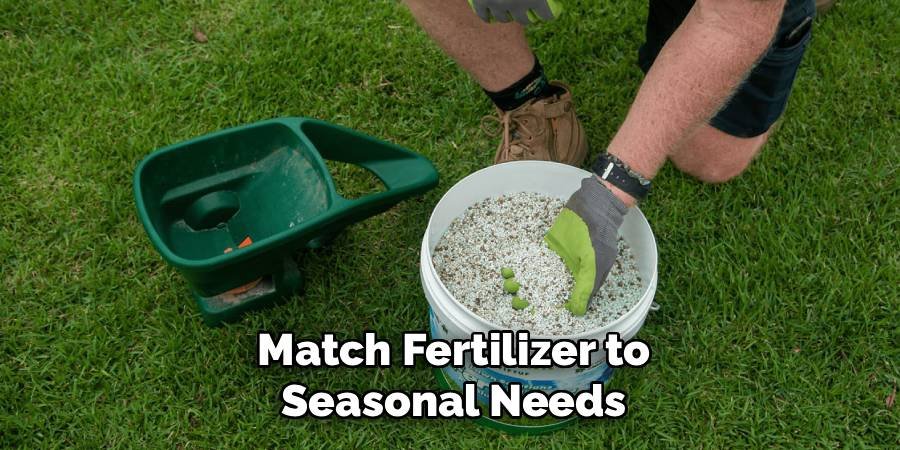
Summer fertilizer depends on your grass type and climate. Cool season grasses may need a light feeding during the winter heat, while warm season varieties may need regular feeding during peak growth periods. Choose a fertilizer with a balanced ratio and consider a slow-release formulation for summer applications. Fall fertilizer applications prepare the grass for winter stress and encourage root development. Look for a high potassium fertilizer, such as 15-5-20, for fall feeding. Avoid excess nitrogen in late fall applications, which can stimulate tender growth that is vulnerable to winter damage.
Some fertilizers are specifically formulated for seasonal application, with appropriate nutrient ratios and release patterns. These specialty products take the guesswork out of seasonal fertilizer application, but can be more expensive than general-purpose fertilizers.
Common Fertilizer Selection Mistakes
Many homeowners choose fertilizer based solely on price without considering the specific needs of their lawn. The cheapest fertilizer may not provide the right nutrients or may require more frequent applications, which can be more expensive in the long run. Avoid applying the same fertilizer year-round without considering the seasonal changes in grass needs. Spring growth requires different nutrients than fall root development. Using the wrong fertilizer wastes money and can harm the health of your grass.

Don’t ignore soil pH when choosing a fertilizer. Soil that is too acidic or alkaline will make some nutrients unavailable to your grass, regardless of the fertilizer you use. Test and adjust soil pH as needed for the fertilizer to work effectively. Resist the temptation to over-fertilize, thinking more is better. Over-fertilizing can burn your grass, encourage overgrowth that requires more mowing, and contribute to environmental pollution. Follow label directions and soil test recommendations for best results.
Conclusion
Learning how to choose the right fertilizer for your lawn ensures healthy grass growth and avoids waste and environmental problems. The 10 effective methods outlined in this guide provide a systematic approach to fertilizer selection based on scientific principles and practical experience. Success comes from understanding your specific lawn conditions, grass type, and seasonal needs rather than using generic methods.
Remember that soil testing is the foundation of good fertilizer selection. This simple step eliminates the guesswork and ensures that you are providing your lawn with exactly what it needs. Combined with the right timing and application techniques, the right fertilizer creates the dense, green lawn you desire while protecting your investment and the environment. Take the time to assess the unique condition of your lawn and select fertilizer accordingly. With proper selection and application, fertilizer becomes a powerful tool for creating and maintaining beautiful, healthy lawns that enhance the appearance and value of your home.

About Ravuk Barg
B.Sc. Horticulture Science | Certified Master Gardener
Ravuk Barg has spent more than a decade with his hands in the soil and his head full of questions about why some gardens thrive while others struggle. What started as a single raised bed of tomatoes and basil in a modest backyard has grown into a deep, working knowledge of everything from seed germination and soil amendment to companion planting and seasonal pruning.
Over the years, Ravuk has gardened through drought summers, waterlogged springs, and pest invasions that would make most gardeners hang up their trowels for good. Those hard seasons, he’ll tell you, taught him more than any perfect growing year ever could. He writes from that earned experience—covering vegetable growing, ornamental planting, houseplant care, composting, and garden design with equal confidence and curiosity.
Philosophy & Approach
Ravuk’s approach to gardening is rooted in practicality. He favors organic methods not out of dogma, but because they work long-term—resulting in healthier soil, fewer inputs, and stronger plants. He has a particular fondness for heirloom vegetable varieties (the kind with proper flavor), unruly cottage-style flower beds, and the stubborn houseplants that everyone else gave up on.
The Mission: Give readers the honest, experience-backed advice that helps them actually succeed in their gardens—not just the ideal version, but the real one; weeds, failures, and all.
Education & Credentials
-
B.Sc. in Horticulture Science
-
Greenfield Agricultural University
-
Focus: Plant Physiology, Soil Ecology, and Sustainable Crop Production
-
-
Master Gardener Certification
-
Cooperative Extension Service
-
Focus: 200+ hours of hands-on practical training and community garden work
-
Continuing Education
-
Organic Pest Management
-
Native Plant Landscaping
-
Sustainable Crop Production