

Petunias are a favorite for a reason. Their vibrant, trumpet-shaped flowers can transform any porch, patio, or balcony into a cascade of stunning color. Hanging baskets full of petunias add instant charm and curb appeal, but keeping them lush and blooming all season long requires a bit of know-how. Many gardeners, especially beginners, feel a little intimidated by the upkeep. Don’t worry! It’s easier than you think. This guide will walk you through everything you need to know, providing simple, effective steps on how to care for petunia hanging baskets and ensure they thrive from spring until the first frost.
Why Petunias Are Perfect for Hanging Baskets
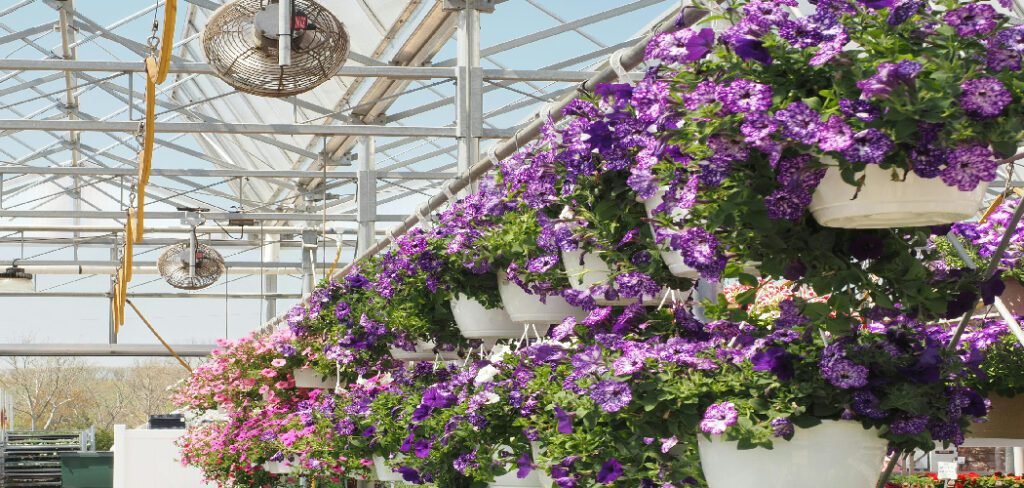
Petunias and hanging baskets are a match made in gardening heaven. Their natural trailing or mounding habits create a spectacular “spiller” effect, where blooms gracefully overflow the container’s edges. This growth pattern is ideal for elevated displays, drawing the eye upward and adding vertical interest to your outdoor space. Furthermore, petunias are prolific bloomers, producing a continuous supply of flowers when given the right conditions. Their wide range of colors—from pure whites and soft pastels to deep purples and vibrant reds—allows for endless creative combinations to suit any style.
8 Step-by-Step Guide on How to Care for Petunia Hanging Baskets
Step 1: Choose the Right Location
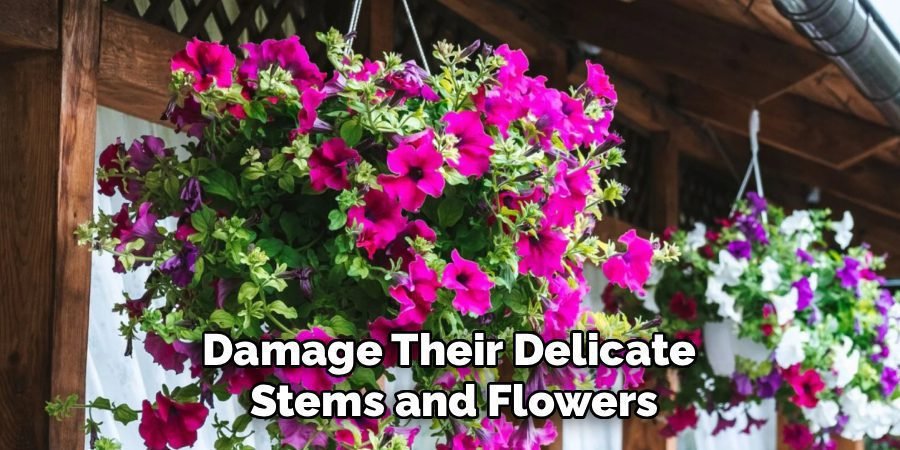
Finding the perfect spot is the first step to success. Petunias are sun-lovers and require at least six hours of direct sunlight each day to produce abundant blooms. An east-facing location that gets morning sun is ideal, as it provides enough light without the scorching intensity of the late afternoon sun, which can stress the plants. While they love sun, they also appreciate some shelter from strong winds, which can damage their delicate stems and flowers. Observe your outdoor space to find a spot that balances these needs.
Step 2: Ensure Proper Watering
Watering is the most critical aspect of caring for hanging baskets. These containers dry out much faster than garden beds due to air circulation around the pot. Check the soil moisture daily by inserting your finger about an inch deep. If it feels dry, it’s time to water. Water thoroughly until you see it draining from the bottom of the basket. This ensures the entire root ball is hydrated. On very hot or windy days, you might need to water twice a day—once in the morning and again in the evening.
Step 3: Provide Regular Fertilization
Hanging baskets have a limited amount of soil, and frequent watering flushes out nutrients quickly. To keep your petunias blooming, you need to feed them regularly. Use a water-soluble fertilizer formulated for blooming plants, typically with a higher phosphorus number. Feed your petunias once every one to two weeks, following the package instructions. Consistent fertilization provides the energy they need to continuously produce new flowers. Slow-release granular fertilizer mixed into the soil at planting time can also supplement their nutritional needs throughout the season.
Step 4: Deadhead Spent Blooms
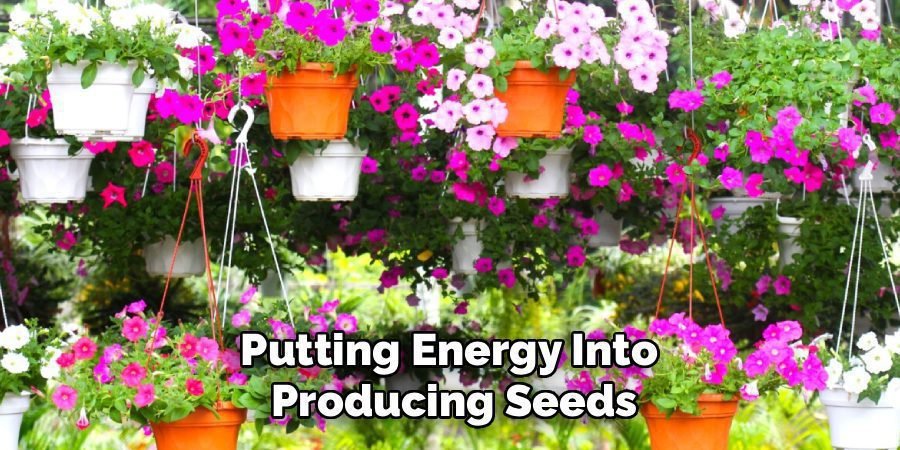
Deadheading is the simple practice of removing old, faded flowers. This is not just for looks; it prevents the plant from putting energy into producing seeds. By pinching or snipping off the spent blooms, you encourage the petunia to redirect its energy into creating more flowers. Make it a habit to deadhead every few days. Look for the faded flower and follow its thin stem down to where it meets a leaf, then pinch it off. This small task makes a huge difference in the overall flower production.
Step-5: Prune for Fuller Growth
Around mid-summer, your petunias might start to look a little long and leggy, with fewer flowers in the center. This is the perfect time for a rejuvenating prune. Don’t be afraid to cut back about one-third to one-half of the plant’s length. This encourages the petunias to branch out from the base, resulting in a fuller, more compact plant with a fresh flush of blooms in a couple of weeks. This step in how to care for petunia hanging baskets is key for maintaining their beauty through late summer.
Step 6: Monitor for Pests and Diseases
Petunias are generally robust, but they can occasionally fall victim to pests like aphids or diseases like powdery mildew. Inspect your plants regularly, checking the undersides of leaves and stems. If you spot aphids, a strong spray of water from the hose can often dislodge them. For more persistent infestations, insecticidal soap is an effective and safe option. To prevent fungal diseases, ensure good air circulation around your basket and try to water the soil directly, keeping the foliage as dry as possible.
Step 7: Select the Right Container
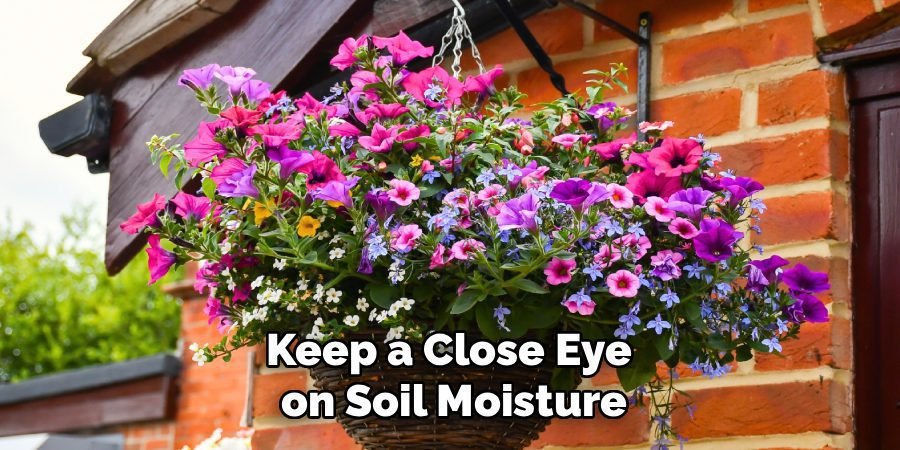
The basket you choose plays a significant role in your petunias’ health. A larger basket is almost always better, as it holds more soil, which means it can retain more moisture and nutrients. This reduces how often you need to water. Ensure the container has adequate drainage holes to prevent waterlogging, which can lead to root rot. Baskets lined with coco fiber or sphagnum moss offer excellent drainage and aeration, but they also dry out faster, so keep a close eye on soil moisture.
Step 8: Understand Different Petunia Types
Knowing which type of petunia you have can refine your care routine. Grandiflora petunias have very large, showy flowers but are more susceptible to rain damage. Multiflora types have smaller, more numerous blooms and are more weather-tolerant. Spreading or trailing petunias, like those in the ‘Wave’ series, are bred specifically for containers and hanging baskets. They are vigorous growers and often require less deadheading than traditional varieties, making them a fantastic, low-maintenance option for beginners learning how to care for petunia hanging baskets.
Fertilize Regularly
To ensure your petunia hanging baskets thrive and produce abundant blooms, regular fertilization is essential. Use a balanced, water-soluble fertilizer every one to two weeks to provide the necessary nutrients for growth and flowering. Petunias are heavy feeders, so supplementing with fertilizer helps them maintain their vibrant colors and continuous blooms throughout the growing season. Be careful not to over-fertilize, as this can lead to excessive foliage growth at the expense of flowers. Always follow the instructions on the fertilizer packaging for the best results.
Common Mistakes to Avoid
When growing petunias, it’s important to be mindful of common mistakes that can hinder their growth and overall health. One frequent error is overwatering, which can lead to root rot and other fungal diseases. Ensure the soil is well-drained and only water when the top inch of soil feels dry. Another mistake is neglecting deadheading, as failing to remove spent blooms can reduce the plant’s ability to produce new flowers.
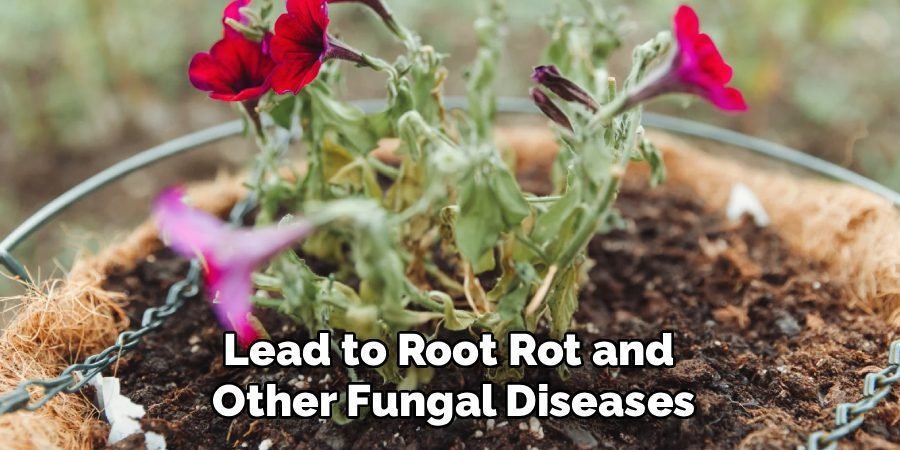
Additionally, planting petunias in shaded areas can limit their blooming potential since these flowers thrive in full sunlight. Lastly, avoid choosing the wrong type of soil — petunias require well-aerated, nutrient-rich soil for optimal growth.
Frequently Asked Questions (FAQ)
Why Are the Leaves on My Petunias Turning Yellow?
Yellowing leaves on petunias are often a sign of a nutrient deficiency, specifically a lack of iron. This condition, called chlorosis, can also be caused by overwatering. When soil is too wet, the roots can’t absorb nutrients properly. First, check your watering habits and ensure the soil is drying out slightly between waterings. If watering isn’t the issue, begin a regular feeding schedule with a balanced, all-purpose liquid fertilizer that contains micronutrients like iron. Applying it every 1-2 weeks should restore the vibrant green color to the foliage.
How Often Should I Fertilize My Petunia Hanging Basket?
Because hanging baskets have a limited soil volume and require frequent watering, nutrients are leached out quickly. To keep your petunias flowering profusely, they need a consistent supply of food. Plan to fertilize them with a water-soluble plant food every one to two weeks. Choose a formula designed for blooming annuals, as it will have the right balance of nutrients to support flower production. Alternatively, you can use a slow-release granular fertilizer at planting time, which will provide a steady background level of nutrients throughout the season.
Can I Bring My Petunia Hanging Basket Inside for the Winter?
While petunias are typically grown as annuals, they are technically tender perennials in their native, warmer climates. You can attempt to overwinter them indoors, but it can be challenging. Before the first frost, cut the plant back by about half and inspect it thoroughly for any pests. Place it in a south-facing window where it will receive as much light as possible. Water it sparingly, only when the soil is dry. The plant may look sparse, but it could survive to be replanted outdoors next spring.
Why Are My Petunias Not Blooming?
A lack of flowers is usually due to one of three main issues: insufficient sunlight, not enough fertilizer, or a need for deadheading. Petunias require at least six hours of direct sun daily to bloom well. If your basket is in a shady spot, move it to a sunnier location. These plants are also heavy feeders, so if you haven’t been fertilizing, start a weekly or bi-weekly feeding routine. Finally, be sure to remove spent blooms regularly. This prevents seed production and tells the plant to create more flowers.
My Petunias Look Leggy and Straggly. What Should I Do?
Legginess, where stems become long and sparse with few leaves or flowers, is a common issue, especially in mid-summer. This is a sign that your plant needs a good haircut. Don’t hesitate to prune it back aggressively. Trim the long, trailing stems by up to half their length. This will stimulate new growth from the base of the plant, leading to a much fuller and more compact shape. Within a couple of weeks, you’ll be rewarded with a fresh flush of blooms on a rejuvenated, bushy plant.
Conclusion
With their dazzling colors and beautiful trailing habit, petunia hanging baskets are a joyful addition to any garden space. Success is not complicated; it simply hinges on a few key practices. By providing ample sunlight, consistent water, and regular feeding, you create the foundation for a healthy plant. Combine that with diligent deadheading and a mid-season prune, and you’ll be well on your way. We hope this guide has given you the confidence and knowledge for how to care for petunia hanging baskets and enjoy their spectacular display all season long.

About Ravuk Barg
B.Sc. Horticulture Science | Certified Master Gardener
Ravuk Barg has spent more than a decade with his hands in the soil and his head full of questions about why some gardens thrive while others struggle. What started as a single raised bed of tomatoes and basil in a modest backyard has grown into a deep, working knowledge of everything from seed germination and soil amendment to companion planting and seasonal pruning.
Over the years, Ravuk has gardened through drought summers, waterlogged springs, and pest invasions that would make most gardeners hang up their trowels for good. Those hard seasons, he’ll tell you, taught him more than any perfect growing year ever could. He writes from that earned experience—covering vegetable growing, ornamental planting, houseplant care, composting, and garden design with equal confidence and curiosity.
Philosophy & Approach
Ravuk’s approach to gardening is rooted in practicality. He favors organic methods not out of dogma, but because they work long-term—resulting in healthier soil, fewer inputs, and stronger plants. He has a particular fondness for heirloom vegetable varieties (the kind with proper flavor), unruly cottage-style flower beds, and the stubborn houseplants that everyone else gave up on.
The Mission: Give readers the honest, experience-backed advice that helps them actually succeed in their gardens—not just the ideal version, but the real one; weeds, failures, and all.
Education & Credentials
-
B.Sc. in Horticulture Science
-
Greenfield Agricultural University
-
Focus: Plant Physiology, Soil Ecology, and Sustainable Crop Production
-
-
Master Gardener Certification
-
Cooperative Extension Service
-
Focus: 200+ hours of hands-on practical training and community garden work
-
Continuing Education
-
Organic Pest Management
-
Native Plant Landscaping
-
Sustainable Crop Production