

Bringing the fresh, vibrant taste of parsley into your home is easier than you might think. This versatile herb can brighten up countless dishes, and growing it on your windowsill means you’ll always have a fresh supply on hand. Whether you’re a seasoned gardener looking to extend your harvest through winter or a complete beginner eager to start your indoor garden, learning how to care for parsley indoors is a rewarding experience. This guide will walk you through everything from selecting the right pot to harvesting your fragrant leaves, ensuring your indoor parsley plant not only survives but thrives.

Why Grow Parsley Indoors?
Having a pot of parsley on your kitchen counter offers more than just convenience. It provides a constant source of fresh, nutrient-rich flavor, free from the pesticides that might be used on store-bought varieties. Watching your own plant grow brings a unique sense of satisfaction and a touch of green to your living space. Indoor parsley plants act as natural air purifiers, and the simple act of tending to them can be a relaxing, mindful activity. It’s a small-scale gardening project that delivers big rewards in flavor, health, and home ambiance, making it a perfect starting point for any aspiring home cook or gardener.
7 Step Methods Guide on How to Care for Parsley Indoors
Step 1: Choose the Right Container
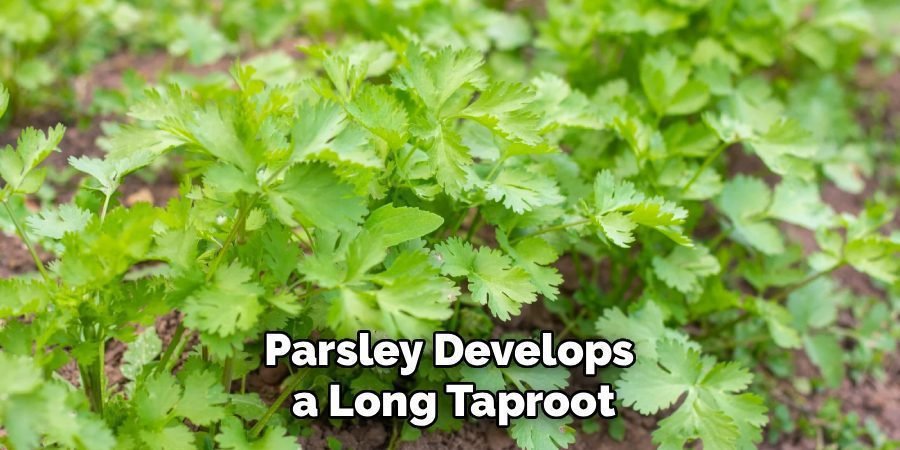
Selecting the proper container is the foundation of successful indoor herb gardening. Parsley develops a long taproot, so a deep pot is essential. Look for a container that is at least 6-8 inches deep and has ample drainage holes at the bottom. Proper drainage is non-negotiable, as it prevents water from pooling and causing root rot, which is a common issue for potted plants. A terracotta pot is an excellent choice because its porous material allows for better air and moisture exchange, helping the soil dry out evenly between waterings.
Step 2: Use High-Quality Potting Mix
Your parsley plant needs nutrient-rich, well-draining soil to thrive. Avoid using garden soil, which is often too dense, compacts easily in pots, and can harbor pests or diseases. Instead, opt for a high-quality, all-purpose potting mix specifically designed for container plants. These mixes are lightweight and formulated to provide the right balance of drainage and water retention. For an extra boost, you can mix in a small amount of compost or a slow-release granular fertilizer to ensure your parsley has access to essential nutrients as it grows.
Step 3: Provide Adequate Sunlight
Parsley loves light. To grow lush and healthy, it needs at least six to eight hours of direct sunlight each day. The ideal location is a south-facing windowsill where it can soak up plenty of bright light. If you don’t have a spot with sufficient natural light, don’t worry. You can easily supplement with a grow light. Place the light a few inches above the plant and keep it on for 10-12 hours daily. Remember to rotate your pot every few days to ensure all sides of the plant receive equal light exposure, promoting even growth.
Step 4: Master the Watering Technique
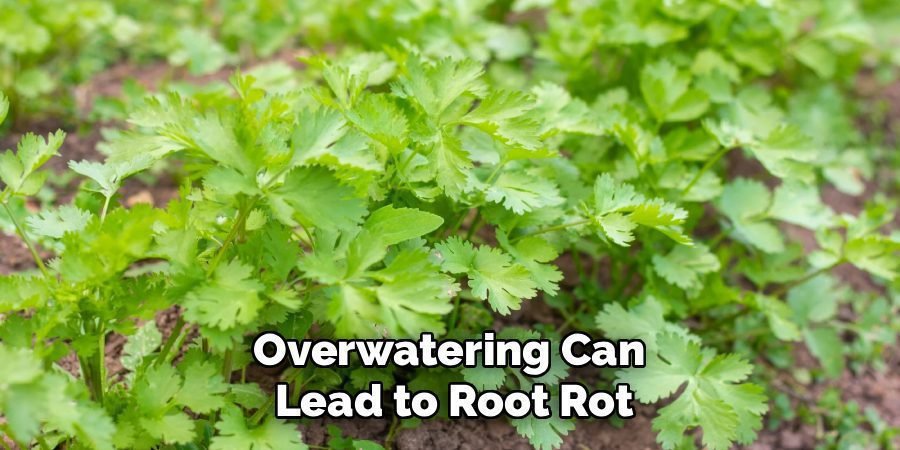
Proper watering is crucial for a happy parsley plant. The goal is to keep the soil consistently moist but never waterlogged. Check the soil every few days by inserting your finger about an inch deep. If it feels dry to the touch, it’s time to water. Water the plant thoroughly until you see excess water draining from the bottom of the pot. Discard any water that collects in the saucer to prevent the roots from sitting in water. Overwatering can lead to root rot, while underwatering will cause the plant to wilt and turn yellow.
Step 5: How to Care for Parsley Indoors with Proper Fertilization
While potting mix provides initial nutrients, indoor parsley benefits from regular feeding to support continuous growth, especially since frequent watering can wash nutrients out of the soil. Starting about a month after planting, feed your parsley every four to six weeks. Use a balanced, water-soluble liquid fertilizer diluted to half-strength. This provides a gentle but steady supply of the nutrients it needs without overwhelming the plant. Avoid over-fertilizing, as this can lead to weak, leggy growth and can even “burn” the plant’s delicate roots.
Step 6: Maintain Ideal Temperature and Humidity
Parsley is a hardy herb that prefers cooler temperatures. It grows best in a range between 60-70°F (15-21°C), which aligns well with typical indoor home temperatures. It can tolerate some fluctuations but try to keep it away from extreme heat sources like radiators or heating vents. Most homes have adequate humidity for parsley, but if your air is particularly dry, especially during winter, you can give your plant a boost. Misting the leaves with water every few days or placing the pot on a tray of pebbles and water can help increase local humidity.
Step 7: How to Care for Parsley Indoors by Pruning and Harvesting
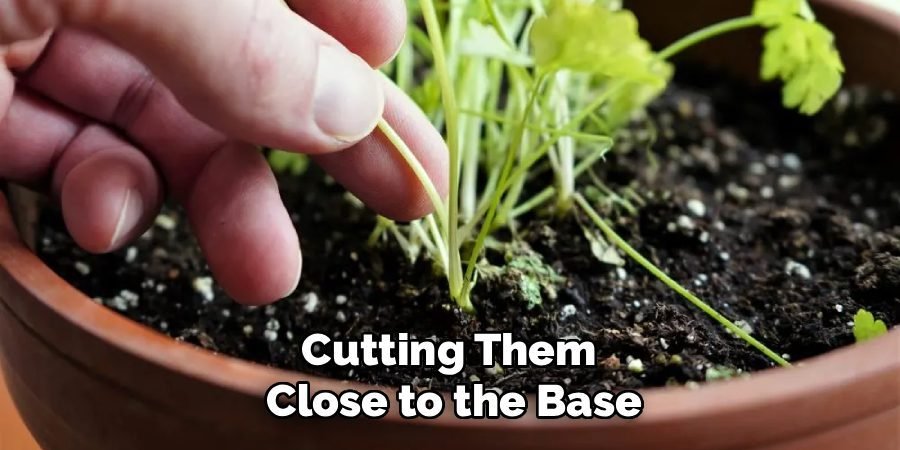
Regular harvesting is key to a bushy, productive parsley plant. Begin harvesting once the plant is well-established and has plenty of leafy stems. Snip the outer stems first, cutting them close to the base. This encourages the plant to produce new growth from its center, resulting in a fuller plant. Avoid cutting more than one-third of the plant at any one time to ensure it has enough foliage to continue photosynthesizing and growing. Regular pruning also improves air circulation, which helps prevent fungal diseases.
Watch for Pests and Diseases
Indoor plants are less prone to pests than their outdoor counterparts, but it’s still wise to be vigilant. The most common pests for indoor parsley are aphids and spider mites. Inspect your plant regularly, paying close attention to the undersides of leaves. If you spot any pests, you can often remove them by wiping the leaves with a damp cloth or spraying the plant with a gentle insecticidal soap. Good air circulation and avoiding overwatering are your best defenses against fungal diseases like powdery mildew.
Frequently Asked Questions (FAQ)
Why Is My Indoor Parsley Turning Yellow?
Yellowing leaves on an indoor parsley plant are most commonly a sign of a watering issue. Both overwatering and underwatering can cause this problem. Overwatering suffocates the roots, preventing them from absorbing nutrients, while underwatering dehydrates the plant. Check the soil moisture; if it’s soggy, reduce watering frequency. If it’s bone dry, water it more consistently. Yellow leaves can also indicate a nutrient deficiency, so ensure you are fertilizing your plant every 4-6 weeks with a balanced, half-strength liquid fertilizer during its growing season.
How Often Should I Harvest My Indoor Parsley?
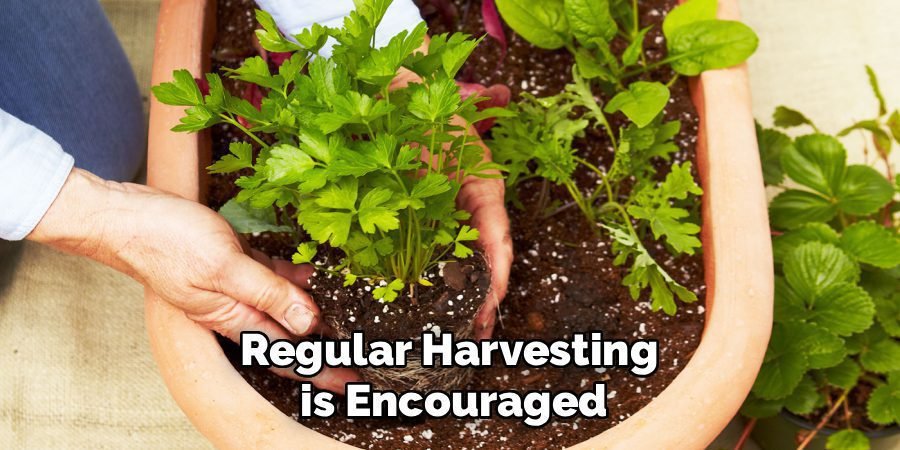
You can start harvesting your indoor parsley as soon as it has developed several leafy stems, typically around 6-8 weeks after planting. Regular harvesting is encouraged, as it promotes new, bushy growth. A good rule of thumb is to snip stems as needed for your cooking, always taking from the outer part of the plant. To keep the plant healthy, avoid removing more than one-third of its leaves at a single time. This ensures it has enough foliage left to continue growing strong and producing more delicious leaves for you.
Can I Grow Parsley Indoors from Cuttings?
While parsley is most reliably grown from seeds or a starter plant, it is possible to propagate it from cuttings, though success rates can be lower. To try this method, take a healthy 4-6 inch cutting from a mature plant. Remove the leaves from the bottom half of the stem and place the cutting in a glass of water. Change the water every couple of days. If you are successful, roots should begin to appear within a few weeks. Once a healthy root system has developed, you can plant the cutting in a pot with fresh potting mix.
What’s the Difference Between Flat-Leaf and Curly Parsley for Indoor Growing?
Both flat-leaf (Italian) and curly parsley can be grown successfully indoors. The primary difference between them is flavor and texture. Flat-leaf parsley has a more robust, peppery flavor and is often preferred for cooking, as its taste holds up well to heat. Curly parsley has a milder flavor, a ruffled texture, and is frequently used as a garnish. For indoor growing, both have similar care requirements. Your choice ultimately depends on your personal taste and how you plan to use the herb in your kitchen.
How Long Does an Indoor Parsley Plant Last?
Parsley is a biennial plant, meaning its natural life cycle is two years. In its first year, it focuses on producing lots of lush, flavorful leaves, which is ideal for harvesting. In its second year, the plant will “bolt,” meaning it will send up a flower stalk to produce seeds, and its leaf production will decline while the flavor becomes more bitter. An indoor parsley plant, with proper care, will provide a generous harvest for about a year before it’s best to start a new plant from seed for a continuous supply.
Conclusion
Growing this wonderful herb inside is a simple and gratifying project for any home gardener. By providing the right container, soil, light, and water, you can enjoy a continuous harvest of fresh, flavorful leaves right from your windowsill. Regular pruning and gentle feeding will keep your plant productive and healthy. Now that you have a complete guide on how to care for parsley indoors, you’re ready to add a touch of green to your home and a burst of freshness to your meals. Give it a try—your cooking will thank you for it.

About Ravuk Barg
B.Sc. Horticulture Science | Certified Master Gardener
Ravuk Barg has spent more than a decade with his hands in the soil and his head full of questions about why some gardens thrive while others struggle. What started as a single raised bed of tomatoes and basil in a modest backyard has grown into a deep, working knowledge of everything from seed germination and soil amendment to companion planting and seasonal pruning.
Over the years, Ravuk has gardened through drought summers, waterlogged springs, and pest invasions that would make most gardeners hang up their trowels for good. Those hard seasons, he’ll tell you, taught him more than any perfect growing year ever could. He writes from that earned experience—covering vegetable growing, ornamental planting, houseplant care, composting, and garden design with equal confidence and curiosity.
Philosophy & Approach
Ravuk’s approach to gardening is rooted in practicality. He favors organic methods not out of dogma, but because they work long-term—resulting in healthier soil, fewer inputs, and stronger plants. He has a particular fondness for heirloom vegetable varieties (the kind with proper flavor), unruly cottage-style flower beds, and the stubborn houseplants that everyone else gave up on.
The Mission: Give readers the honest, experience-backed advice that helps them actually succeed in their gardens—not just the ideal version, but the real one; weeds, failures, and all.
Education & Credentials
-
B.Sc. in Horticulture Science
-
Greenfield Agricultural University
-
Focus: Plant Physiology, Soil Ecology, and Sustainable Crop Production
-
-
Master Gardener Certification
-
Cooperative Extension Service
-
Focus: 200+ hours of hands-on practical training and community garden work
-
Continuing Education
-
Organic Pest Management
-
Native Plant Landscaping
-
Sustainable Crop Production