

Creating a lush, green lawn from seed is one of gardening’s most rewarding challenges. However, knowing how to care for newly seeded lawn properly can mean the difference between a thriving yard and patchy disappointment.
The first few weeks after seeding are absolutely critical. Your tiny grass seeds are vulnerable to drought, erosion, temperature fluctuations, and foot traffic. They need consistent moisture, protection from harsh elements, and the right growing conditions to establish strong root systems.
Many homeowners make costly mistakes during this crucial period. They either water too much or too little, walk on tender seedlings, or give up too early when results seem slow. Understanding the science behind seed germination helps you avoid these pitfalls.
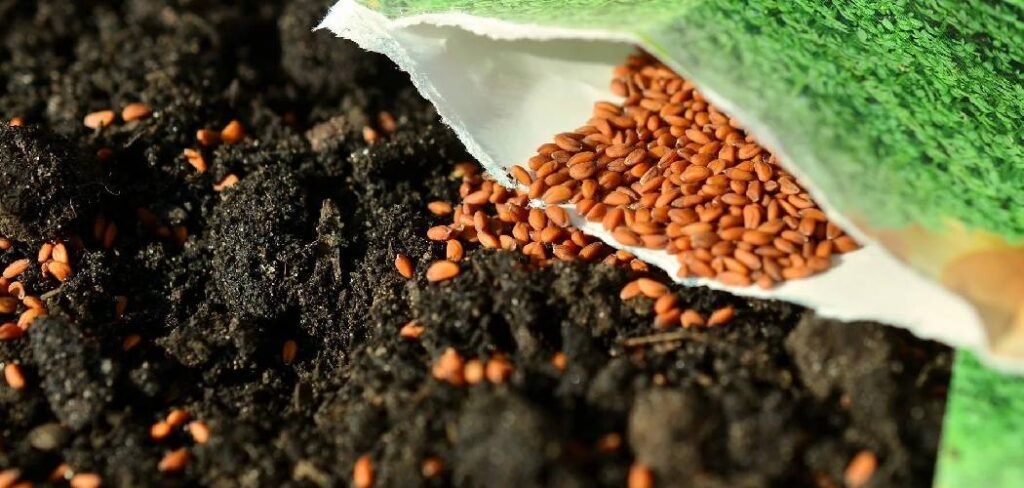
Grass seeds typically take 7-21 days to germinate, depending on the variety and conditions. Cool-season grasses like fescue and ryegrass germinate faster in spring and fall. Warm-season varieties like Bermuda and Zoysia prefer summer temperatures.
Success requires patience, consistency, and attention to detail. The investment of time and care during these early weeks pays dividends for years to come. A well-established lawn from seed often develops stronger, deeper root systems than sod, making it more drought-resistant and resilient long-term.
Why You Need to Care for New Seedlings
Newly planted grass seeds face numerous survival challenges that established lawns don’t encounter. The seed coat must absorb enough moisture to trigger germination, but not so much that it rots in waterlogged soil. Temperature extremes can kill delicate seedlings before they develop protective mechanisms. Hot sun can scorch tender shoots, while frost can damage cellular structures. Wind can dry out soil and desiccate young plants within hours.
Competition from weeds poses another serious threat. Aggressive weeds germinate quickly and can overshadow slow-growing grass seedlings, stealing sunlight, water, and nutrients. Without proper care, your investment in quality seed and soil preparation becomes wasted effort. Foot traffic and pet activity can destroy weeks of progress in minutes. Even light pressure can uproot shallow seedlings or compact soil around developing roots.
8 Step Methods Guide on How to Care for Newly Seeded Lawn
Step 1: Water Immediately After Seeding
Proper hydration starts the moment you finish spreading seed. Apply a light, gentle spray to moisten the top inch of soil without creating puddles or washing seeds away. Use a sprinkler with fine droplets rather than a heavy stream. The goal is to keep seeds consistently moist but not waterlogged. Seeds need oxygen as well as water to germinate successfully.
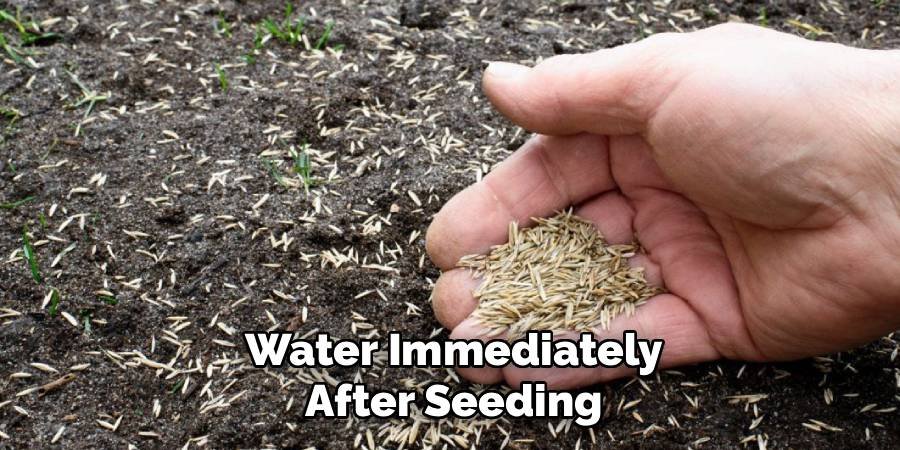
Water timing matters as much as quantity. Early morning watering reduces evaporation and gives grass all day to absorb moisture. Evening watering can promote fungal diseases in humid climates. Check soil moisture by gently pressing your finger into the surface. It should feel like a wrung-out sponge – moist but not soggy. Adjust your watering schedule based on weather conditions, increasing frequency during hot, dry periods.
Step 2: Maintain Consistent Moisture for Germination
The key to successful germination is keeping the seed bed consistently moist for 14-21 days. This means watering lightly but frequently, often multiple times per day during hot weather. Set up an irrigation schedule that prevents the soil surface from drying out completely. Dry periods lasting just a few hours can kill germinating seeds or stress young seedlings beyond recovery.
Monitor different areas of your lawn, as slopes, sunny spots, and areas near pavement dry out faster than shaded or level ground. You may need to adjust watering times for different zones. Consider using a soil thermometer to track temperature. Cool-season grass seeds germinate best when soil temperatures range from 60-75°F, while warm-season varieties prefer 70-85°F.
Step 3: Protect from Foot Traffic
Newly seeded areas are extremely fragile and cannot withstand any foot traffic for at least 4-6 weeks. Even light pressure can uproot tender seedlings or compact soil around developing roots. Install temporary barriers like stakes and string, or use lawn signs to remind family members and visitors to stay off newly seeded areas. Consider alternative pathways to high-traffic destinations.
Pet owners face additional challenges, as dogs naturally want to investigate new scents and textures. Train pets to use designated areas and clean up waste immediately to prevent burning delicate grass. If you must access the area for maintenance, use lightweight boards to distribute your weight. Work only when soil is not muddy, as wet soil compacts more easily than dry soil.
Step 4: Apply Starter Fertilizer
New grass seedlings need readily available nutrients to develop strong root systems and healthy shoots. Starter fertilizers contain higher phosphorus levels to promote root development during the critical establishment period. Apply starter fertilizer before seeding or immediately afterward, following manufacturer’s directions carefully. Over-fertilizing can burn delicate seedlings or promote excessive top growth at the expense of root development.
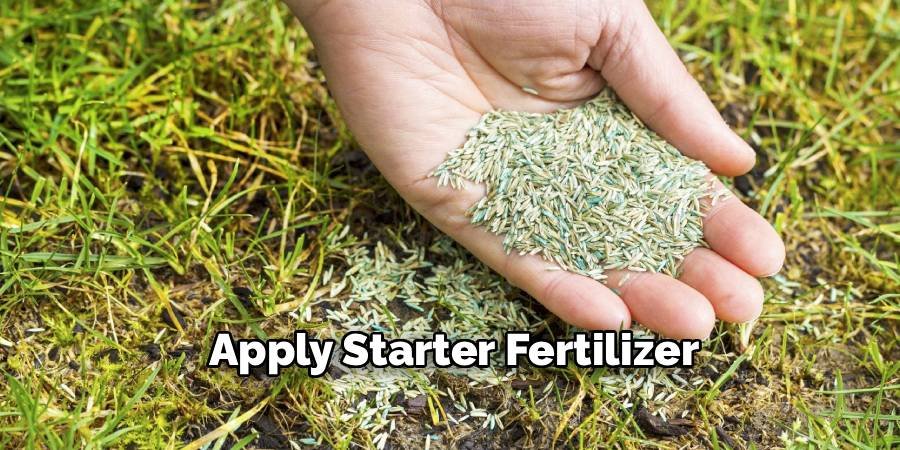
Look for fertilizers with an N-P-K ratio around 1-2-1 or 1-1-1. These balanced formulations provide essential nutrients without overwhelming young plants. Organic options like compost or aged manure release nutrients slowly and improve soil structure. Time your fertilizer application with your watering schedule to help nutrients reach root zones effectively. Avoid fertilizing during extremely hot weather, which can stress already vulnerable seedlings.
Step 5: Monitor for Weeds
Weeds compete aggressively with grass seedlings for water, nutrients, and sunlight. Many weed seeds germinate faster than grass, giving them a significant head start in the competition for resources. Hand-pull weeds when soil is moist, removing entire root systems to prevent regrowth. Focus on large, aggressive weeds that can quickly overshadow grass seedlings. Small, scattered weeds may die naturally as grass establishes and thickens.
Avoid herbicides on newly seeded lawns, as most products can damage or kill grass seedlings. Pre-emergent herbicides prevent grass seeds from germinating, while post-emergent products can burn tender shoots. Keep detailed records of weed locations and types. This information helps you plan future maintenance strategies and identify potential soil or drainage issues that encourage weed growth.
Step 6: Adjust Watering as Seedlings Emerge
Consistent watering is vital as grass seedlings begin to grow, but it’s equally important to avoid overwatering. Gradually reduce the frequency of watering once the seedlings have germinated and are visibly established. Transition from light, frequent watering to deeper, less frequent watering to promote strong root development. Monitor the soil’s moisture level to ensure it remains slightly damp but not saturated. Overwatering can lead to disease and shallow root systems, while underwatering can stress young grass, hindering its growth. Tailoring your watering routine to suit the weather conditions and soil type will help your lawn thrive.
Step 7: Provide Adequate Sunlight
Ensure your plants receive the appropriate amount of sunlight to thrive. Most plants require at least 6-8 hours of direct sunlight daily, though this may vary depending on the specific type of plant. Observe their positioning and ensure there are no obstructions, such as overgrown trees or structures, that block sunlight. For plants that prefer partial shade, consider using shading materials or strategic placement to protect them from intense afternoon sun. Adequate sunlight is vital for photosynthesis, which fuels growth and promotes overall plant health. Monitor your plants regularly for signs of too much sun, such as scorched leaves, or too little, such as leggy growth. Adjust their environment as needed to keep their light exposure just right.

Step 8: Control Soil Temperature
Maintaining optimal soil temperature is essential for healthy grass growth and root development. High soil temperatures can lead to stress, decreased germination rates, and increased susceptibility to pests and diseases. To manage soil temperature, consider applying a light layer of organic mulch or compost over the bare soil. This layer helps to insulate and regulate temperature fluctuations while also retaining soil moisture. Additionally, ensure your soil is well-aerated to allow heat to dissipate and prevent overheating. When seeding in warmer months, water regularly to cool the soil and promote successful germination. Adapting these techniques can create a favorable environment for a vibrant and resilient lawn.
Maintaining Your Established Seedlings
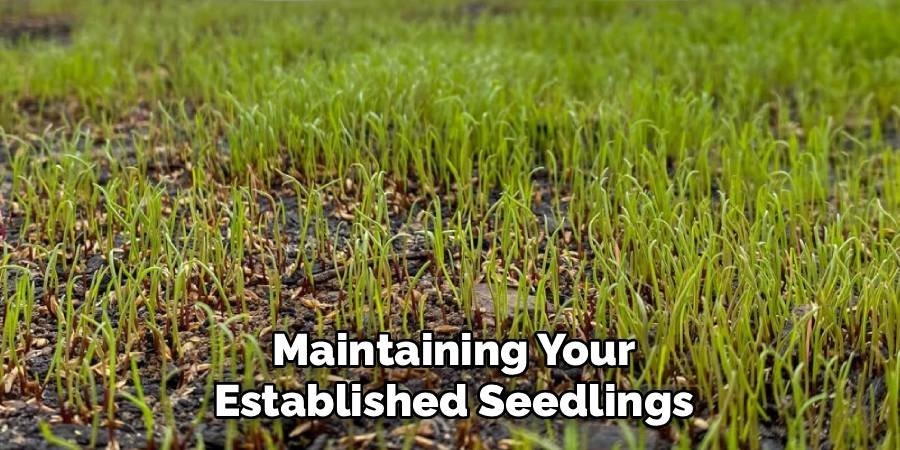
Once your grass seedlings reach 2-3 inches tall and show signs of strong growth, you can begin transitioning to normal lawn care practices. However, continue monitoring closely for several more weeks.
Reduce watering frequency but increase duration to encourage deep root development. Most established seedlings need about 1 inch of water per week, applied in one or two deep sessions rather than daily light sprinklings.
Begin light foot traffic after 4-6 weeks, but avoid heavy use or sports activities for at least 8-10 weeks. Young grass plants need time to develop strong root systems that can handle stress and recover from damage.
Common Mistakes to Avoid
Overwatering ranks as the most common mistake with newly seeded lawns. Constant moisture creates ideal conditions for fungal diseases and promotes shallow root development that makes grass vulnerable to drought stress later.
Walking on new seedlings, even briefly, can undo weeks of careful nurturing. Many homeowners underestimate how fragile young grass plants are and accidentally damage them during routine yard work or maintenance activities.
Impatience leads many people to give up too early or take drastic action when results seem slow. Grass establishment takes time, and some varieties naturally grow more slowly than others during the initial weeks.
FAQ Frequently Asked Questions
How Long Before I Can Walk On Newly Seeded Grass?
Wait at least 4-6 weeks before light foot traffic and 8-10 weeks before normal use. Young grass needs time to develop strong root systems that can handle stress and recover from damage.
What if Some Areas Aren’t Growing Well?
Poor growth often indicates drainage issues, inadequate sunlight, or soil compaction. Test soil conditions and consider overseeding with appropriate grass varieties for those specific conditions.
When Should I Fertilize New Grass Seedlings?
Apply starter fertilizer before or immediately after seeding, then wait 4-6 weeks before the next feeding. Young plants are sensitive to over-fertilization, which can burn roots and shoots.
How Do I Know if I’m Watering Enough?
Soil should feel like a wrung-out sponge – moist but not soggy. Stick your finger 1-2 inches deep to check moisture levels below the surface where roots are developing.
Can I Use Weed Killer on New Grass?
Avoid all herbicides for at least 8-10 weeks after seeding. Most products can damage or kill tender grass seedlings. Hand-pull weeds instead and focus on promoting thick, healthy grass growth.
Conclusion
Learning how to care for newly seeded lawn properly transforms a challenging project into a rewarding success story. The key lies in consistent moisture, protection from traffic, and patience during the establishment period.
Your new grass will reward careful attention with years of beauty and durability. Seeds that receive proper care during their first few weeks develop stronger root systems than sod, creating more resilient lawns that better withstand drought, disease, and heavy use.
Remember that establishment takes time, typically 8-12 weeks for full maturity. Don’t be discouraged by slow initial progress or minor setbacks. With consistent care and attention to detail, your seeded lawn will develop into the lush, green space you envisioned.
The investment in quality seed, proper soil preparation, and dedicated care during establishment pays dividends for decades. Your garden, your family, and your property value will all benefit from the patience and effort you invest in creating a beautiful, healthy lawn from seed.

About Ravuk Barg
B.Sc. Horticulture Science | Certified Master Gardener
Ravuk Barg has spent more than a decade with his hands in the soil and his head full of questions about why some gardens thrive while others struggle. What started as a single raised bed of tomatoes and basil in a modest backyard has grown into a deep, working knowledge of everything from seed germination and soil amendment to companion planting and seasonal pruning.
Over the years, Ravuk has gardened through drought summers, waterlogged springs, and pest invasions that would make most gardeners hang up their trowels for good. Those hard seasons, he’ll tell you, taught him more than any perfect growing year ever could. He writes from that earned experience—covering vegetable growing, ornamental planting, houseplant care, composting, and garden design with equal confidence and curiosity.
Philosophy & Approach
Ravuk’s approach to gardening is rooted in practicality. He favors organic methods not out of dogma, but because they work long-term—resulting in healthier soil, fewer inputs, and stronger plants. He has a particular fondness for heirloom vegetable varieties (the kind with proper flavor), unruly cottage-style flower beds, and the stubborn houseplants that everyone else gave up on.
The Mission: Give readers the honest, experience-backed advice that helps them actually succeed in their gardens—not just the ideal version, but the real one; weeds, failures, and all.
Education & Credentials
-
B.Sc. in Horticulture Science
-
Greenfield Agricultural University
-
Focus: Plant Physiology, Soil Ecology, and Sustainable Crop Production
-
-
Master Gardener Certification
-
Cooperative Extension Service
-
Focus: 200+ hours of hands-on practical training and community garden work
-
Continuing Education
-
Organic Pest Management
-
Native Plant Landscaping
-
Sustainable Crop Production