

A lush, green lawn is the pride of many homeowners, but establishing one from scratch can feel like a daunting task. Traditional methods like seeding or laying sod have their merits, but hydroseeding offers a unique, efficient alternative for growing a beautiful turf. This process involves spraying a slurry of seed, mulch, fertilizer, and water onto your soil, creating an ideal environment for rapid germination.

If you’ve recently invested in this method, you’re likely wondering about the next steps. Understanding how to care for hydroseeded lawn is the key to transforming that initial green coating into a durable, thriving landscape. This guide will walk you through everything you need to know, from the initial watering schedule to the first mow and beyond, ensuring your investment flourishes.
What Makes Hydroseeding Different?
Hydroseeding stands out from other lawn installation methods because it combines planting and nurturing into a single, efficient application. The vibrant green or blue mulch you see isn’t just for show; it’s a protective blanket that holds seeds in place, retains moisture, and protects against erosion and birds. This slurry also contains a starter fertilizer, giving the grass seeds an immediate nutritional boost right where they need it.
Unlike dry seeding, where seeds are exposed and can easily wash away, hydroseeding secures them to the soil. This leads to a more uniform germination and faster growth, often showing sprouts in as little as a week. The process is less labor-intensive than laying sod and typically more effective than traditional seeding, making it a popular choice for achieving a thick, healthy lawn quickly.
7 Step-by-Step Guide on How to Care for Hydroseeded Lawn
Proper aftercare is essential to convert the initial spray into a dense, resilient lawn. Following these steps will provide the right balance of water, nutrients, and protection your new grass needs to establish strong roots and grow evenly. From the critical first few weeks to long-term maintenance, this guide covers every stage.
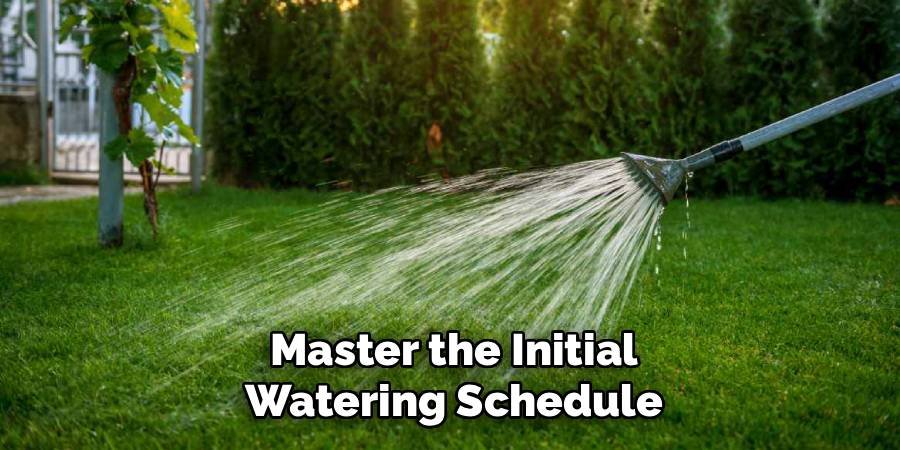
Step 1: Master the Initial Watering Schedule
The most critical phase for your new lawn is the first two to three weeks. The hydroseed slurry must remain consistently moist to encourage germination. Your goal is to keep the mulch damp, but not saturated to the point of creating puddles. Lightly water the area two to three times daily for about 10-15 minutes each session. Use a sprinkler that produces a fine mist rather than a forceful jet, which could dislodge the seeds. The soil should feel like a damp sponge. Avoid letting the area dry out completely, as this can halt the germination process and damage the delicate new seedlings as they emerge.
Step 2: Adjust Watering as Seedlings Grow
Once you see grass sprouts emerging, typically within 7 to 14 days, you can begin to adjust your watering routine. Instead of frequent, light waterings, shift to longer, less frequent sessions. Water the lawn deeply once a day, preferably in the early morning to minimize evaporation. This encourages the roots to grow deeper into the soil in search of moisture, which is vital for building a drought-resistant lawn. Continue this schedule for the next few weeks until the grass has reached a height of about two to three inches and appears more established across the entire area.
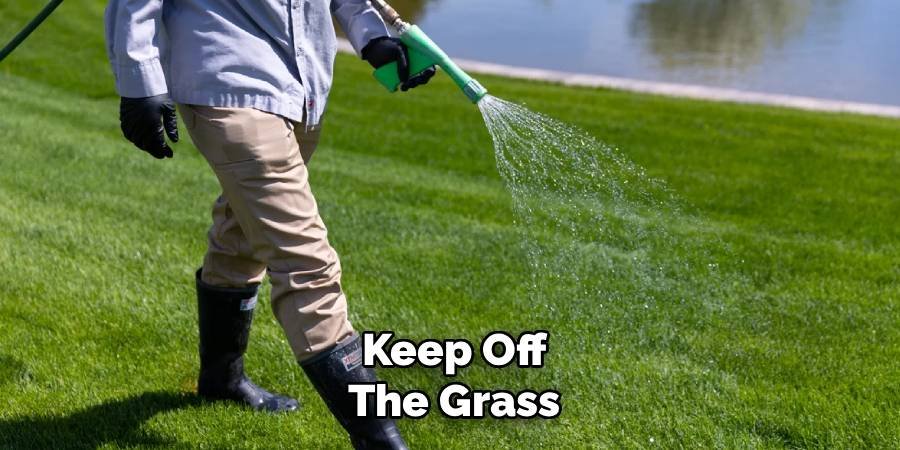
Step 3: Keep Off the Grass
During the first month, your new lawn is extremely fragile. The mulch is protecting delicate seedlings that are working hard to establish roots. It is absolutely essential to minimize all foot traffic on the hydroseeded area. Walking on the damp ground can create depressions, compact the soil, and kill the new grass sprouts before they have a chance to mature. Keep children, pets, and any lawn equipment off the area for at least four to five weeks. Place signs or a temporary fence around the perimeter as a clear reminder to protect your investment.
Step 4: Knowing How to Care for Hydroseeded Lawn Includes the First Mow
Your new lawn is ready for its first mow when the grass blades reach an average height of three to four inches. This usually happens around the one-month mark. Waiting until the grass is tall enough ensures the root systems are strong enough to withstand the stress of cutting. For the initial mow, set your mower blade to its highest setting, aiming to trim off no more than the top third of the grass blade. Using a sharp mower blade is crucial for a clean cut that prevents tearing and damaging the young grass. A push mower is preferable to a heavy riding mower for the first few cuts to avoid soil compaction.
Step 5: Fertilize for Strong Growth
The starter fertilizer included in the hydroseed slurry provides initial nutrients, but your growing lawn will need more food to thrive. Apply a balanced lawn fertilizer about 30 to 45 days after the initial hydroseeding application. Look for a product rich in nitrogen to promote lush, green top growth. Follow the manufacturer’s instructions carefully to avoid over-fertilizing, which can burn the tender grass. A regular feeding schedule, typically every six to eight weeks during the growing season, will ensure your lawn has the nutrients it needs to develop into a dense, healthy turf that can naturally resist weeds and disease.

Step 6: Deal with Weeds Carefully
It is common for some weeds to appear alongside your new grass. The hydroseeding process doesn’t prevent existing weed seeds in your soil from germinating. For the first two months, the best approach is to pull any larger weeds by hand. Avoid using any liquid or granular weed killers during this period, as these herbicides can be harmful to the new, sensitive grass seedlings and may inhibit their growth. Once your lawn has been mowed three to four times, it is generally considered mature enough to handle a gentle application of a broadleaf weed control product if necessary.
Step 7: Long-Term Maintenance and Care
After the first couple of months, your lawn care routine will transition into a more standard maintenance schedule. Mow regularly, never removing more than one-third of the grass blade at a time. This practice encourages thicker growth and healthier roots. Continue to water deeply but infrequently, providing about one inch of water per week, including rainfall. Fertilize according to a seasonal schedule to keep the turf well-fed and vibrant. Proper long-term care will ensure the lawn you worked hard to establish remains a beautiful and resilient feature of your property for years to come.

Frequently Asked Questions (FAQ)
How Long Until I Can Walk on My Hydroseeded Lawn?
You should avoid walking on your hydroseeded lawn for at least 3 to 4 weeks. The new grass seedlings are extremely fragile, and the moist ground is prone to compaction. Any foot traffic can crush the delicate sprouts and create permanent indentations in your lawn. It’s best to wait until after the first mowing, which is typically around the one-month mark, before allowing light foot traffic. Keep pets and children off the area for at least 5 to 6 weeks to be safe.
When Will I See Grass After Hydroseeding?
Germination times can vary based on grass type, climate, and soil conditions, but you will generally see the first sprouts appear within 5 to 10 days. The initial growth might look patchy, but with consistent watering, the lawn should fill in nicely over the following weeks. Full establishment, where the lawn is dense and ready for regular use, typically takes several months. Patience and proper care during this initial growth phase are key to achieving a uniform, lush result.
What Should I Do if My Hydroseeded Lawn Looks Patchy?
Patchiness can occur for several reasons, including uneven watering, poor soil contact, or erosion from heavy rain. If you notice sparse areas, ensure your sprinklers are providing even coverage across the entire lawn. For small patches, you can lightly rake the area and apply a bit of grass seed and topsoil. If the problem persists after a few weeks of proper care, it’s a good idea to contact the hydroseeding company for a touch-up application, as many contractors offer a guarantee.
Can You Hydroseed Over an Existing Lawn?
Yes, hydroseeding can be done over an existing, thinning lawn in a process called overseeding. For this to be successful, the existing lawn must be prepared properly. This involves:
- Mowing the grass very short.
- Power raking or dethatching to remove dead grass and debris.
- Aerating the soil to reduce compaction and allow seed, water, and nutrients to penetrate.
This preparation ensures the new seeds make direct contact with the soil, giving them the best chance to germinate and fill in the sparse areas.
Is Hydroseeding Better Than Laying Sod?
Hydroseeding and sod each have their advantages. Sod provides an “instant lawn” that is ready for light use much faster. However, it is significantly more expensive and labor-intensive to install. Hydroseeding is more cost-effective, establishes a deeper and stronger root system because the grass grows directly in its permanent soil, and offers a wider variety of grass seed blends to choose from. While it requires more patience, hydroseeding often results in a healthier, more resilient lawn in the long term.
Conclusion
Creating a beautiful lawn from a hydroseed application is a rewarding process that combines modern technique with classic gardening care. Success hinges on a few simple but crucial practices: consistent watering, protecting the fragile seedlings, and following a patient approach to mowing and fertilizing. By diligently following the guidance on how to care for hydroseeded lawn, you are not just growing grass; you are cultivating a strong, resilient, and beautiful turf that will enhance your home for years. Embrace the process, and soon you’ll be able to step out and enjoy the lush, green results of your efforts.

About Ravuk Barg
B.Sc. Horticulture Science | Certified Master Gardener
Ravuk Barg has spent more than a decade with his hands in the soil and his head full of questions about why some gardens thrive while others struggle. What started as a single raised bed of tomatoes and basil in a modest backyard has grown into a deep, working knowledge of everything from seed germination and soil amendment to companion planting and seasonal pruning.
Over the years, Ravuk has gardened through drought summers, waterlogged springs, and pest invasions that would make most gardeners hang up their trowels for good. Those hard seasons, he’ll tell you, taught him more than any perfect growing year ever could. He writes from that earned experience—covering vegetable growing, ornamental planting, houseplant care, composting, and garden design with equal confidence and curiosity.
Philosophy & Approach
Ravuk’s approach to gardening is rooted in practicality. He favors organic methods not out of dogma, but because they work long-term—resulting in healthier soil, fewer inputs, and stronger plants. He has a particular fondness for heirloom vegetable varieties (the kind with proper flavor), unruly cottage-style flower beds, and the stubborn houseplants that everyone else gave up on.
The Mission: Give readers the honest, experience-backed advice that helps them actually succeed in their gardens—not just the ideal version, but the real one; weeds, failures, and all.
Education & Credentials
-
B.Sc. in Horticulture Science
-
Greenfield Agricultural University
-
Focus: Plant Physiology, Soil Ecology, and Sustainable Crop Production
-
-
Master Gardener Certification
-
Cooperative Extension Service
-
Focus: 200+ hours of hands-on practical training and community garden work
-
Continuing Education
-
Organic Pest Management
-
Native Plant Landscaping
-
Sustainable Crop Production