

A terrace garden transforms an unused urban space into a vibrant green oasis. It’s a wonderful way to connect with nature, grow your own food, and enhance your home’s beauty, even in the middle of a bustling city. The idea of starting a garden on a balcony, rooftop, or patio might seem daunting, but it’s more accessible than you think.
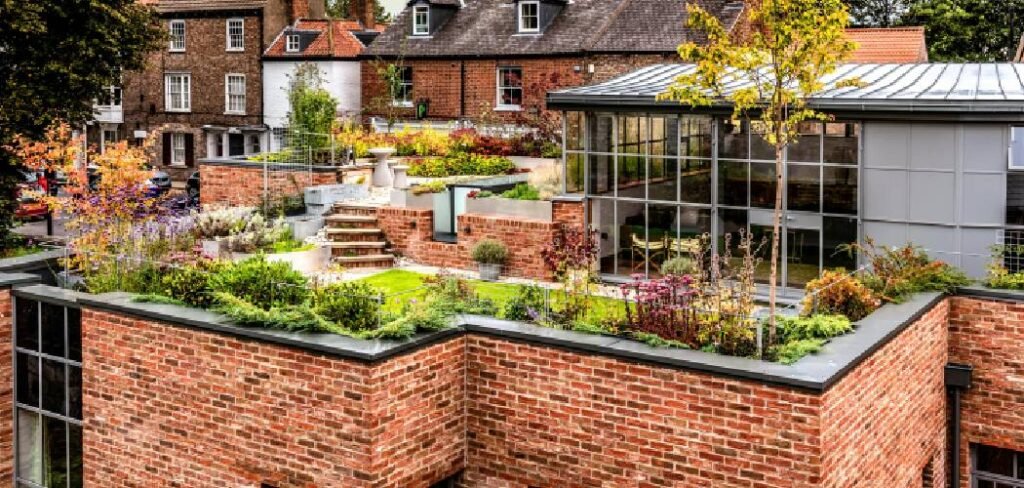
The key is understanding your space and selecting the right elements to create a thriving environment. This guide will provide a clear path forward, covering everything from initial planning to long-term care. Learning how to build a terrace garden is a rewarding journey that brings fresh produce and natural tranquility right to your doorstep.
Why You Need a Terrace Garden
Creating a terrace garden offers numerous benefits that extend beyond simple aesthetics. It provides a convenient and reliable source of fresh, organic vegetables and herbs, free from pesticides and harmful chemicals. This direct access to homegrown produce can significantly improve your diet and reduce your grocery bills. Furthermore, gardening is a proven stress-reliever. The simple acts of planting, watering, and nurturing plants can have a calming effect on the mind, offering a peaceful escape from daily pressures. A terrace garden also improves air quality by absorbing carbon dioxide and releasing oxygen, contributing to a healthier micro-environment around your home. It’s a small but impactful way to support local biodiversity and live more sustainably.
8 Step-by-Step Guide: How to Build a Terrace Garden
Step 1: Assess Your Terrace Space
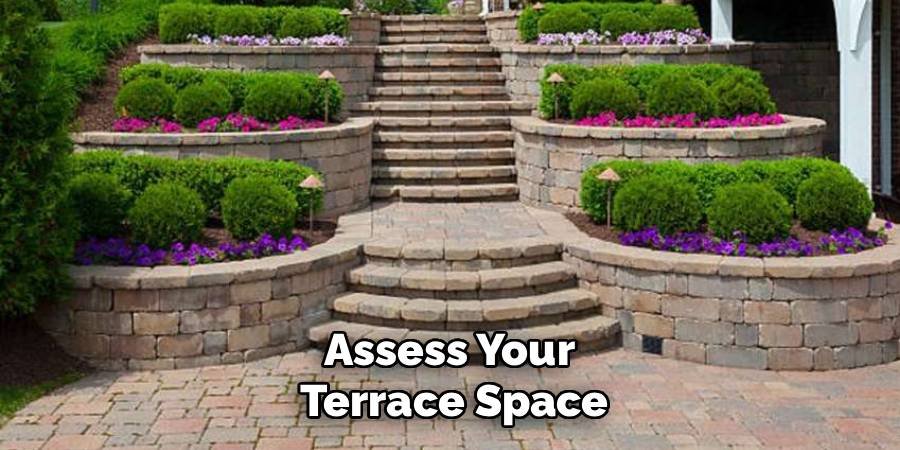
Before you buy a single pot, take a close look at your terrace. Determine its size and load-bearing capacity, which is crucial for safety, especially on rooftops or balconies. Most residential balconies can support standard container gardening, but if you plan on using large, heavy pots or raised beds, it’s wise to consult a structural engineer. Observe how much sunlight the area receives throughout the day. Identify spots that get full sun (6+ hours), partial shade, and full shade. This assessment will dictate which plants will thrive in your garden. Also, consider exposure to wind and rain, as these elements can affect plant health.
Step 2: Create a Layout Plan
With your assessment complete, it’s time to design your garden layout. Sketch a simple plan of your terrace, marking the dimensions and noting the sunny and shady zones. Decide where you want to place different elements like containers, raised beds, seating areas, and a water source. A good layout maximizes growing space while ensuring easy access for watering and maintenance. Think vertically to make the most of limited square footage. Consider using wall-mounted planters, hanging baskets, and trellises. Planning your layout helps you visualize the final result and ensures a functional, organized, and beautiful garden space.
Step 3: Ensure Proper Waterproofing and Drainage
Water is essential for plants but can be destructive to buildings if not managed correctly. Proper waterproofing is the most critical step for a rooftop or balcony garden. Ensure your terrace surface is sealed with a reliable waterproofing membrane to prevent leaks and structural damage to the building below. Next, focus on drainage. Water needs to flow away from the building’s foundation. Check that existing drainage outlets are clear and functional. When setting up pots and containers, use drainage trays to catch excess water and prevent it from pooling on the terrace floor, which can cause stains and water damage over time.
Step 4: Select the Right Containers
The containers you choose will define the look and functionality of your garden. There is a wide variety of options available, from traditional terracotta pots to lightweight plastic planters, wooden boxes, and fabric grow bags. The best choice depends on your budget, aesthetic preference, and the types of plants you want to grow.
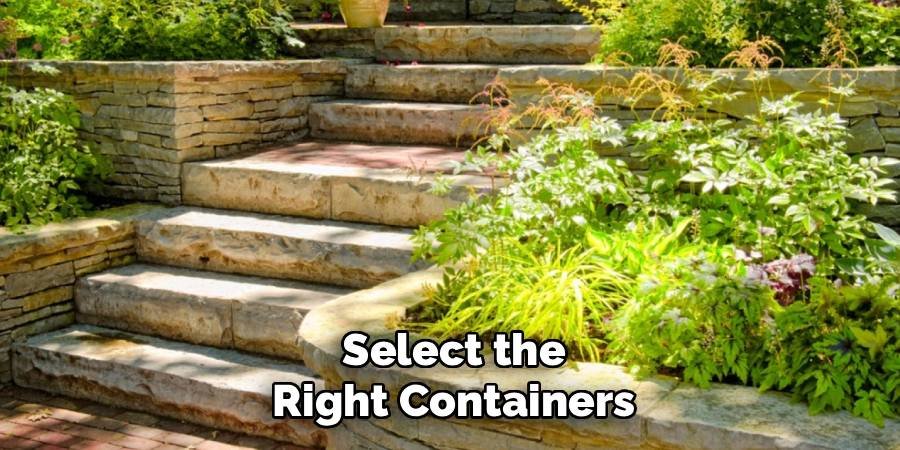
Terracotta is breathable but dries out quickly, while plastic is lightweight and retains moisture well. For vegetables like carrots and potatoes, you’ll need deep containers. Herbs can thrive in smaller pots. Make sure every container has drainage holes at the bottom to prevent waterlogging and root rot.
Step 5: Choose a Quality Potting Mix
The soil is the foundation of a healthy garden. Never use soil directly from the ground for your containers, as it is too dense, compacts easily, and may contain pests and diseases. Instead, use a high-quality potting mix specifically designed for container gardening. A good mix is lightweight and provides proper aeration and drainage for plant roots. It typically contains a blend of peat moss or coco coir, perlite or vermiculite, and compost. This combination holds moisture and nutrients effectively while allowing excess water to drain away. You can buy pre-made potting mixes or create your own blend to suit your plants’ specific needs.
Step 6: Pick Your Plants Wisely
Now for the fun part: selecting your plants. Your choice should be guided by your climate, the amount of sunlight your terrace receives, and your personal preferences. For sunny spots, consider sun-loving vegetables like tomatoes, peppers, and cucumbers, or flowers like marigolds and zinnias. In shadier areas, leafy greens such as lettuce, spinach, and kale will do well, along with shade-tolerant herbs like mint and parsley. Start with a few easy-to-grow plants if you are a beginner. This will build your confidence and help you learn the ropes of terrace gardening before expanding to more demanding varieties.
Step 7: Sourcing Seeds and Saplings
Once you have a list of plants, you need to decide whether to start from seeds or buy young plants (saplings). Starting from seed is more economical and offers a wider variety of choices, but it requires more time and patience. Buying saplings from a local nursery is a great option for beginners, as it gives you a head start on the growing season. When purchasing saplings, look for healthy, vibrant plants with strong stems and no signs of pests or disease. Always check the plant tag for information on its specific needs regarding sunlight, water, and spacing.
Step 8: Planting and Initial Watering
With your containers, potting mix, and plants ready, it’s time to get planting. Fill your containers with the potting mix, leaving a couple of inches of space at the top. If you’re planting seeds, follow the instructions on the seed packet for planting depth and spacing. If you’re using saplings, gently remove the plant from its nursery pot, loosen the root ball slightly, and place it in the new container at the same depth it was growing before. Fill in around the plant with more potting mix, pressing down gently. Water thoroughly right after planting to help the soil settle and reduce transplant shock.
Maintaining Your Terrace Garden
Consistent care is essential to keep your terrace garden flourishing. This involves regular watering, especially during dry spells, as container plants depend entirely on you for moisture. Fertilizing is also key, as nutrients in potting soil get depleted over time. Use a balanced liquid fertilizer every two to three weeks during the growing season to replenish essential nutrients. Don’t forget to prune your plants to remove dead or yellowing leaves, which encourages new growth and improves air circulation. Regularly check for pests and address any issues promptly to prevent them from spreading. Finally, rotate your pots occasionally to ensure all sides of the plants receive adequate sunlight.
Common Mistakes to Avoid
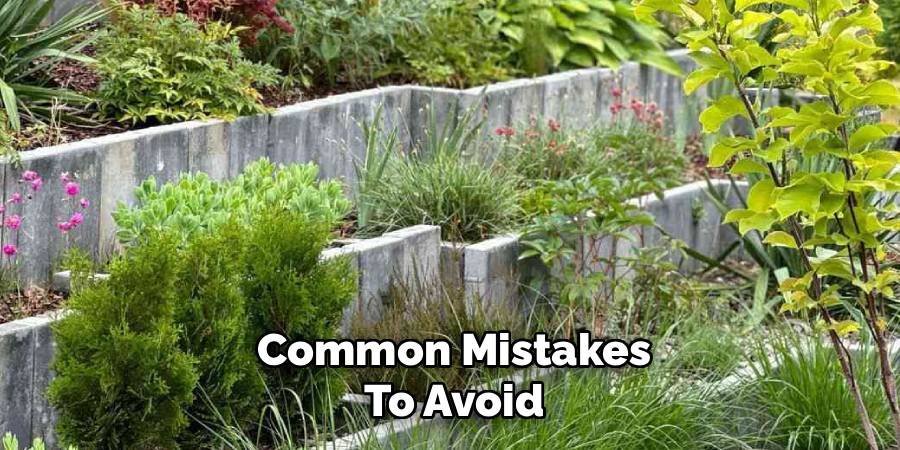
Beginner terrace gardeners often make a few common mistakes that can easily be avoided. One of the biggest is overwatering, which leads to root rot. Always check the soil moisture before watering. Another frequent error is using containers that are too small, which restricts root growth and causes the soil to dry out too quickly. Choosing plants that are not suited to your terrace’s light conditions is also a recipe for disappointment. Make sure you match your plants to the available sunlight. Lastly, neglecting to fertilize is a common oversight. Container plants have limited access to nutrients and require regular feeding to thrive and produce a good harvest.
FAQ Frequently Asked Questions
What Are the Best Vegetables for a Beginner’s Terrace Garden?
Easy-to-grow vegetables like tomatoes, peppers, spinach, lettuce, radishes, and various herbs are excellent choices for beginners. They are relatively low-maintenance and yield rewarding harvests.
How Often Should I Water My Terrace Garden?
The frequency depends on weather and pot size, but a general rule is to check daily. Water when the top inch of soil feels dry. It might be once a day in summer.
Can I Use Regular Garden Soil in My Pots?
No, garden soil is too heavy and compact for containers. It prevents proper drainage and aeration, which can lead to root rot. Always use a quality potting mix.
How Do I Deal With Pests Organically on My Terrace?
Inspect plants regularly and remove pests by hand or with a spray of water. Introduce beneficial insects or use organic solutions like neem oil for more persistent issues.
What Is the Minimum Sunlight Required for a Vegetable Garden?
Most fruiting vegetables, like tomatoes and cucumbers, need at least 6 to 8 hours of direct sunlight daily. Leafy greens and some herbs can manage with less, around 4 to 6 hours.
Conclusion
Learning how to build a terrace garden is an empowering and fulfilling experience that connects you with nature in a unique way. By following these steps—from carefully assessing your space and choosing the right plants to providing consistent maintenance—you can successfully cultivate a thriving green sanctuary. The process requires patience and attention, but the rewards are immense. You’ll enjoy the satisfaction of harvesting your own fresh food, the therapeutic benefits of daily gardening, and the simple joy of watching your space transform. A well-planned terrace garden is more than just a collection of plants; it’s a personal retreat that enhances your lifestyle and brings beauty to your home. Your garden will thank you for the effort.

About Ravuk Barg
B.Sc. Horticulture Science | Certified Master Gardener
Ravuk Barg has spent more than a decade with his hands in the soil and his head full of questions about why some gardens thrive while others struggle. What started as a single raised bed of tomatoes and basil in a modest backyard has grown into a deep, working knowledge of everything from seed germination and soil amendment to companion planting and seasonal pruning.
Over the years, Ravuk has gardened through drought summers, waterlogged springs, and pest invasions that would make most gardeners hang up their trowels for good. Those hard seasons, he’ll tell you, taught him more than any perfect growing year ever could. He writes from that earned experience—covering vegetable growing, ornamental planting, houseplant care, composting, and garden design with equal confidence and curiosity.
Philosophy & Approach
Ravuk’s approach to gardening is rooted in practicality. He favors organic methods not out of dogma, but because they work long-term—resulting in healthier soil, fewer inputs, and stronger plants. He has a particular fondness for heirloom vegetable varieties (the kind with proper flavor), unruly cottage-style flower beds, and the stubborn houseplants that everyone else gave up on.
The Mission: Give readers the honest, experience-backed advice that helps them actually succeed in their gardens—not just the ideal version, but the real one; weeds, failures, and all.
Education & Credentials
-
B.Sc. in Horticulture Science
-
Greenfield Agricultural University
-
Focus: Plant Physiology, Soil Ecology, and Sustainable Crop Production
-
-
Master Gardener Certification
-
Cooperative Extension Service
-
Focus: 200+ hours of hands-on practical training and community garden work
-
Continuing Education
-
Organic Pest Management
-
Native Plant Landscaping
-
Sustainable Crop Production