

Does your lawn look yellow or pale green? You might need to add iron to your lawn. Iron is very important for grass health. It helps grass make chlorophyll, which gives grass its green color. When grass doesn’t get enough iron, it turns yellow. This problem is called iron chlorosis.

Adding iron to your lawn is easy when you know the right steps. This guide will show you exactly how to add iron to lawn properly. You’ll learn about different types of iron fertilizers, when to apply them, and how much to use.
Why Your Lawn Needs Iron
Iron is like vitamins for your grass. Just like people need vitamins to stay healthy, grass needs iron to grow strong and green. Here’s why iron is so important:
Makes Grass Green: Iron helps grass make chlorophyll. Chlorophyll is what makes grass green. Without enough iron, your grass will look yellow or pale.
Helps Growth: Iron helps grass roots grow stronger. Strong roots mean healthier grass that can fight diseases better.
Improves Photosynthesis: Iron helps grass use sunlight to make food. This process is called photosynthesis.
Fights Stress: Grass with enough iron can handle hot weather, cold weather, and foot traffic much better.
Types of Iron Fertilizers for Lawns
There are several types of iron you can use for your lawn. Each type works differently:
Ferrous Sulfate: This is the most common type. It works fast but doesn’t last long. It’s cheap and easy to find. Use 5 pounds per 1,000 square feet.
Iron Chelate: This type lasts longer than ferrous sulfate. It’s more expensive but works better in alkaline soils. Use 1-2 pounds per 1,000 square feet.
Liquid Iron: This comes in spray bottles or concentrates. It works very fast but needs more frequent applications. Mix according to package directions.
Granular Iron: These are small pellets you spread on your lawn. They release iron slowly over time. Apply 2-4 pounds per 1,000 square feet.
Combination Fertilizers: These contain iron plus other nutrients like nitrogen and phosphorus. They’re convenient but more expensive.
7 Step by Step Guide on How to Add Iron to Lawn
Follow these steps to add iron to your lawn safely and effectively:
Step 1: Test Your Soil
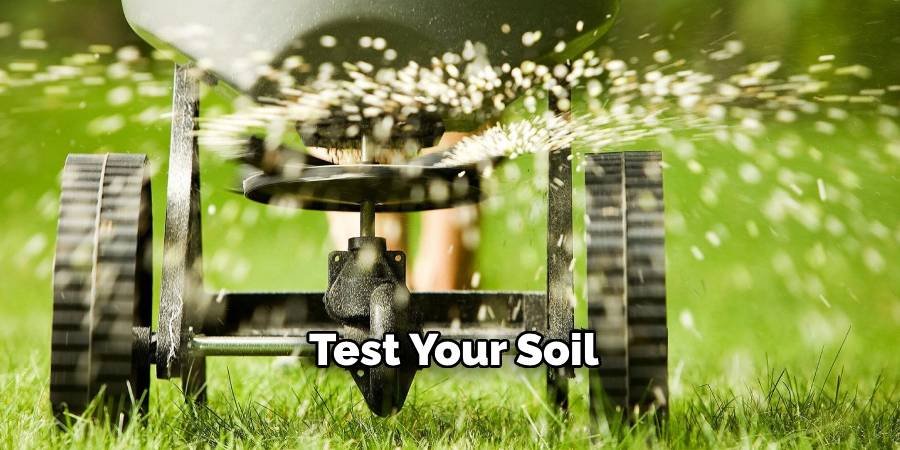
Before adding iron, test your soil pH. Iron works best when soil pH is between 6.0 and 7.0. You can buy soil test kits at garden centers. If your pH is too high (alkaline), the grass can’t use iron even if you add it. You might need to lower your soil pH first using sulfur.
Step 2: Choose the Right Time
The best time to add iron to lawn is during the growing season. For cool-season grasses, apply in early spring or fall. For warm-season grasses, apply in late spring or early summer. Don’t apply iron when grass is dormant or stressed from drought.
Step 3: Water Your Lawn First
Water your lawn 1-2 days before applying iron. The grass should be slightly moist but not soaking wet. This helps the iron absorb better and reduces the chance of burning your grass.
Step 4: Read the Package Directions
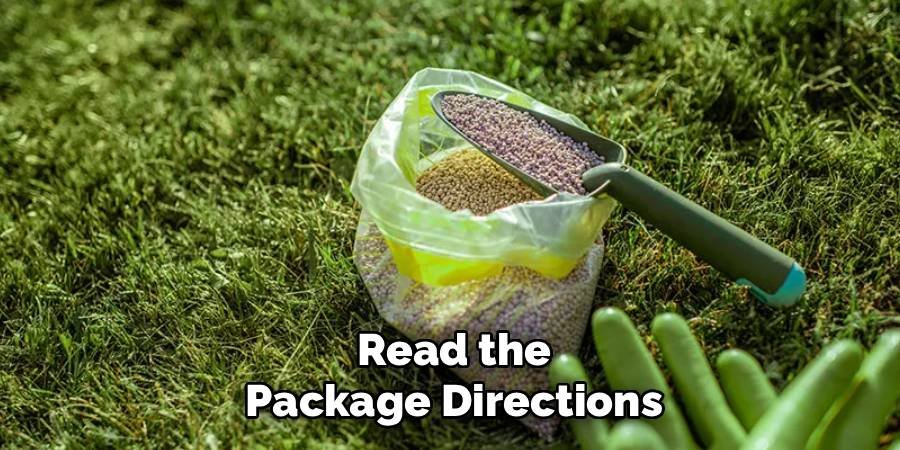
Always read the fertilizer package carefully. Different products have different application rates. Using too much iron can burn your grass and turn it black. Using too little won’t help your grass.
Step 5: Apply the Iron Fertilizer
For granular products, use a broadcast spreader for even application. Walk at a steady pace and overlap slightly. For liquid products, use a garden sprayer. Apply on a calm day to avoid wind drift.
Step 6: Water Again
After applying iron, water your lawn lightly. This helps the iron move into the soil where roots can absorb it. Don’t water too heavily or you’ll wash the iron away.
Step 7: Clean Up
Iron can stain concrete, sidewalks, and clothing. Clean up any spilled fertilizer right away. Sweep granular products off hard surfaces and rinse with water.
When to Apply Iron to Your Lawn
Timing is crucial when learning how to add iron to lawn. Here’s the best timing for different situations:
Spring Application: Apply iron in early spring when grass starts growing actively. This gives grass the iron it needs for the growing season.
Fall Application: Fall applications help grass store iron for winter and early spring growth.
Monthly Applications: For severe iron deficiency, you might need to apply iron monthly during the growing season.
After Rain: Apply iron 1-2 days after rain when soil is moist but not soggy.
Common Mistakes to Avoid
Applying Too Much: This is the biggest mistake. Too much iron turns grass black and can kill it.
Wrong pH: Iron doesn’t work well in alkaline soils. Test and adjust pH first.
Hot Weather Application: Applying iron in hot weather can burn grass.
Mixing with Other Chemicals: Don’t mix iron with other lawn chemicals unless the label says it’s safe.
Ignoring Safety: Always wear gloves and avoid breathing dust from granular products.
How Often Should You Add Iron?
Most lawns need iron 2-4 times per year. Cool-season grasses usually need iron in spring and fall. Warm-season grasses might need it monthly during summer. Sandy soils need more frequent iron applications because iron washes away faster.
Watch your grass for signs of iron deficiency. If grass stays green after one application, you might not need more iron for several months.
FAQs About Adding Iron to Lawn
1. How long does it take to see results after adding iron to lawn?
You can usually see results within 3-7 days when using liquid iron fertilizers. Granular iron fertilizers take 1-2 weeks to show results. The grass will gradually turn from yellow to green. Complete color change might take 2-4 weeks depending on how deficient your lawn was. Cool weather slows the process, while warm weather speeds it up. Remember that iron works faster when soil pH is correct and the grass is actively growing. If you don’t see any improvement after 3 weeks, your lawn might have other problems besides iron deficiency.
2. Can I add too much iron to my lawn and what happens if I do?
Yes, you can definitely add too much iron to your lawn, and the results can be serious. When you apply too much iron, your grass will turn dark green, then black, and eventually die. This condition is called iron toxicity. The grass blades become brittle and break easily. Recovery from iron toxicity is very difficult and sometimes impossible. Always follow package directions exactly and never think “more is better” with iron. If you accidentally over-apply iron, water the area heavily to try to wash some iron away, but damage might already be done.
3. What’s the difference between iron deficiency and nitrogen deficiency in grass?
Iron deficiency and nitrogen deficiency can look similar, but there are key differences. Iron deficiency causes yellowing between the leaf veins while the veins stay green, creating a striped pattern. The yellowing usually starts on newer growth first. Nitrogen deficiency causes overall yellowing that starts on older grass blades first and affects the entire blade evenly. Iron-deficient grass often grows normally but looks pale, while nitrogen-deficient grass grows slowly and looks thin. A soil test can help determine which nutrient your lawn lacks.
4. Is it safe to add iron to lawn if I have pets and children?
Most iron fertilizers are relatively safe when used properly, but you should take precautions. Keep children and pets off treated areas until after the first watering or rainfall. Some granular iron products can be harmful if eaten in large amounts. Liquid iron products are generally safer but can stain skin and clothing. Always read the product label for specific safety instructions. Choose products labeled as pet-safe if you’re concerned. Store all fertilizers where children and pets cannot reach them. Organic iron sources like compost are the safest options for families with small children and pets.
5. Can I add iron to my lawn at the same time as other fertilizers?
It depends on the specific products you’re using. Some fertilizers already contain iron, so adding extra iron could cause over-application. Never mix different fertilizer products together unless the labels specifically say it’s safe. Iron can react with other chemicals and become less effective or even harmful. The safest approach is to apply iron separately from other fertilizers, waiting at least 2-4 weeks between applications. If you want to fertilize and add iron at the same time, look for complete fertilizers that already contain the right amount of iron. Always read all product labels carefully before combining any lawn treatments.
Conclusion
Learning how to add iron to lawn is an important skill for any homeowner who wants a beautiful, green yard. Iron deficiency is a common problem that makes grass look yellow and weak, but it’s easy to fix when you know what to do. Remember to test your soil first, choose the right type of iron fertilizer, and apply it at the correct time and rate.
The key to success is following the package directions exactly and not applying too much iron. Start with soil testing to make sure iron deficiency is really your problem. Choose between ferrous sulfate for quick results or chelated iron for longer-lasting effects. Apply during the growing season when grass is actively growing, and always water before and after application.
With proper iron application, your lawn will transform from yellow and weak to deep green and healthy within just a few weeks. Healthy, iron-rich grass is more resistant to diseases, handles stress better, and looks beautiful all season long. Take your time, follow these steps, and you’ll have the greenest lawn in your neighborhood.

About Ravuk Barg
B.Sc. Horticulture Science | Certified Master Gardener
Ravuk Barg has spent more than a decade with his hands in the soil and his head full of questions about why some gardens thrive while others struggle. What started as a single raised bed of tomatoes and basil in a modest backyard has grown into a deep, working knowledge of everything from seed germination and soil amendment to companion planting and seasonal pruning.
Over the years, Ravuk has gardened through drought summers, waterlogged springs, and pest invasions that would make most gardeners hang up their trowels for good. Those hard seasons, he’ll tell you, taught him more than any perfect growing year ever could. He writes from that earned experience—covering vegetable growing, ornamental planting, houseplant care, composting, and garden design with equal confidence and curiosity.
Philosophy & Approach
Ravuk’s approach to gardening is rooted in practicality. He favors organic methods not out of dogma, but because they work long-term—resulting in healthier soil, fewer inputs, and stronger plants. He has a particular fondness for heirloom vegetable varieties (the kind with proper flavor), unruly cottage-style flower beds, and the stubborn houseplants that everyone else gave up on.
The Mission: Give readers the honest, experience-backed advice that helps them actually succeed in their gardens—not just the ideal version, but the real one; weeds, failures, and all.
Education & Credentials
-
B.Sc. in Horticulture Science
-
Greenfield Agricultural University
-
Focus: Plant Physiology, Soil Ecology, and Sustainable Crop Production
-
-
Master Gardener Certification
-
Cooperative Extension Service
-
Focus: 200+ hours of hands-on practical training and community garden work
-
Continuing Education
-
Organic Pest Management
-
Native Plant Landscaping
-
Sustainable Crop Production