

Achieving a lush, green lawn is a common goal for many homeowners, but sometimes even the best care routines fall short. If your grass looks weak, yellow, or patchy despite regular watering and fertilizing, the problem might be a hidden nutrient deficiency. While we often focus on major nutrients like nitrogen, phosphorus, and potassium, micronutrients like boron play a critical role in turf health. Learning how to add boron to lawn correctly can be the missing piece in your lawn care puzzle. This guide will walk you through the process, from identifying a deficiency to safely applying this essential element, ensuring your grass gets exactly what it needs to thrive.
Why Boron is Important for Lawns
Boron might be a micronutrient, meaning plants need it in very small amounts, but its impact on lawn health is significant. Think of it as a vital behind-the-scenes worker. Boron is essential for cell wall development, ensuring each blade of grass is strong and resilient. It also plays a key role in the transport of sugars and carbohydrates throughout the plant, providing the energy needed for growth.
Furthermore, boron is crucial for root development, nutrient uptake, and reproduction. A lawn with adequate boron levels will have a more robust root system, making it better equipped to absorb water and other nutrients from the soil. This leads to improved drought tolerance and overall vigor. Without enough boron, grass can become brittle, its growth can be stunted, and it will be more susceptible to disease and environmental stress. A small amount of this micronutrient makes a big difference in achieving a dense and healthy turf.
7 Step Methods Guide on How to Add Boron to Lawn
Step 1: Identify Signs of Boron Deficiency
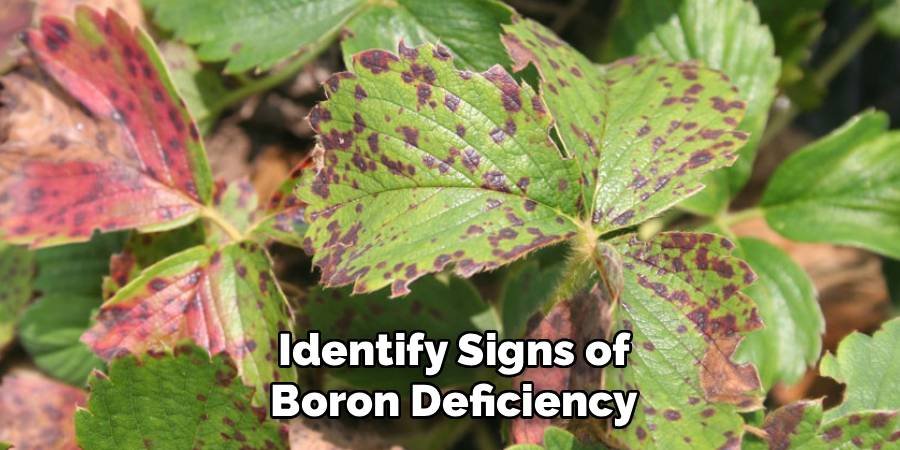
Before you add any supplements, it’s crucial to confirm if your lawn actually needs boron. A boron deficiency can manifest in several ways. You might notice that your grass appears stunted, with new growth looking weak or distorted. The tips of the grass blades may turn yellow or brown and die back, while the base remains green. In more severe cases, you may see thin, patchy areas where the turf struggles to grow. These symptoms can often be mistaken for other issues like drought stress or a lack of nitrogen, making a visual diagnosis tricky.
Step 2: Conduct a Soil Test
A visual inspection is a good start, but the only way to be certain of a boron deficiency is through a professional soil test. You can obtain a soil testing kit from your local cooperative extension office or purchase one from a garden center. Follow the instructions carefully to collect samples from several different areas of your lawn. When you send the sample to the lab, make sure to request a micronutrient analysis, which will include boron levels. The test results will provide a precise measurement of the boron in your soil and recommend the exact amount needed to correct any deficiency.
Step 3: Choose the Right Boron Product
Once your soil test confirms a boron deficiency, it’s time to select an appropriate product. The most common and accessible source of boron for home lawn use is granulated borax, the same product found in the laundry aisle of most grocery stores. However, you can also find specialized lawn fertilizers that contain boron and other micronutrients. Another option is liquid boron products, such as those containing boric acid or sodium borate, which are designed to be mixed with water and sprayed. For beginners, a granular product is often easier to handle and apply evenly across the lawn.
Step 4: Calculate the Correct Application Rate
This is the most critical step. Boron is a micronutrient, and the line between beneficial and toxic is very thin. Applying too much can severely damage or even kill your lawn. Your soil test results should provide a specific recommendation, typically in ounces per 1,000 square feet. If the test doesn’t specify, a general guideline for correcting a deficiency is to apply no more than 1–2 tablespoons of borax (which is about 20-40% boron) per 1,000 square feet. Always start with the lowest recommended dose to avoid over-application.
Step 5: Prepare Your Equipment
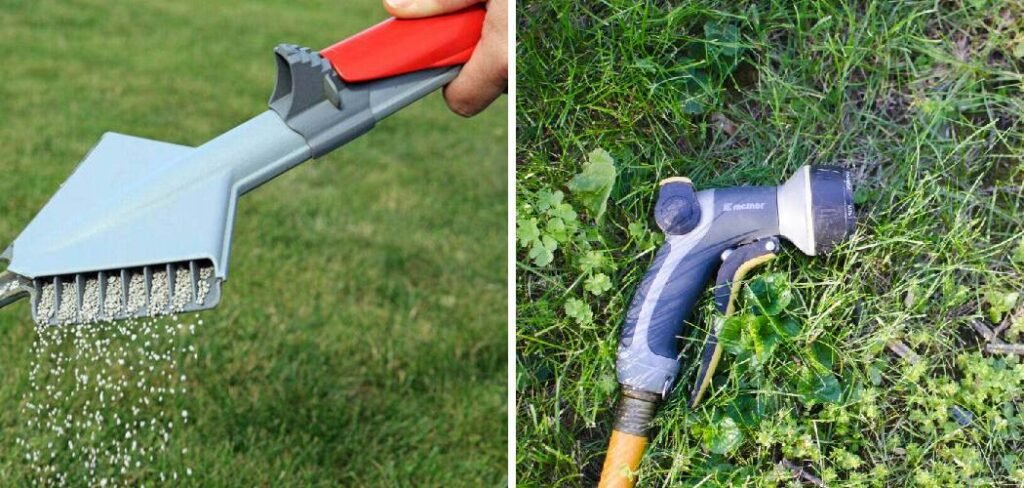
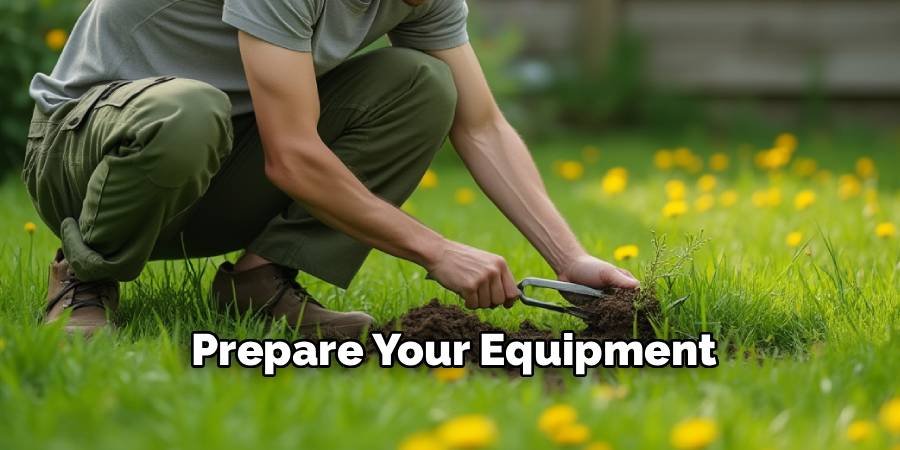
For a granular boron application, you will need a lawn spreader to ensure even distribution. A broadcast spreader is ideal for large areas, while a drop spreader offers more precision for smaller lawns. Make sure your spreader is clean and functioning correctly. If you are using a liquid boron product, you will need a backpack or handheld sprayer. Calibrate your equipment according to the manufacturer’s instructions to ensure you are applying the product at the calculated rate. Proper calibration prevents streaking and ensures every part of your lawn receives a consistent amount of boron.
Step 6: Mix Granular Boron with a Carrier
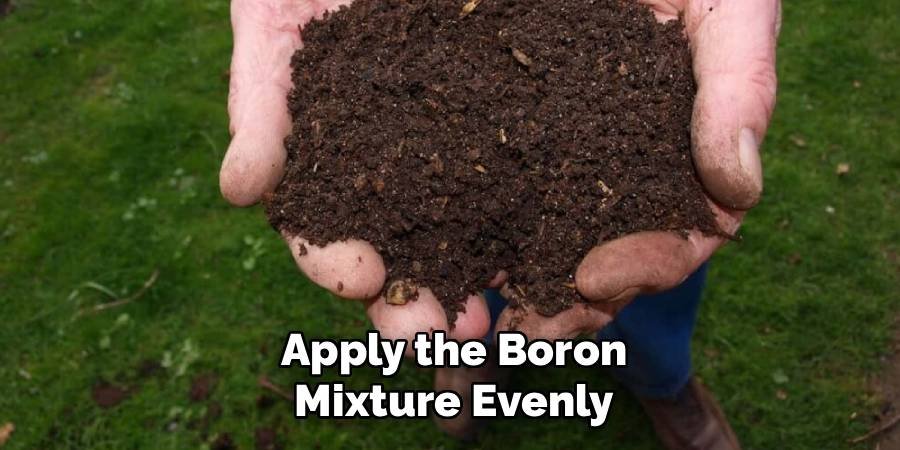
Never apply straight borax or a granular boron product directly to your lawn. The amount needed is so small that it’s nearly impossible to spread evenly on its own. To solve this, mix the measured amount of boron with a carrier material like sand, compost, or a standard fertilizer. A common ratio is to mix the required boron for your lawn area with about a gallon of sand or fertilizer. This dilution helps you distribute the micronutrient evenly and avoids creating “hot spots” where a concentration of boron could burn the grass.
Step 7: Apply the Boron Mixture Evenly
With your boron mixture ready, it’s time for application. If you are learning how to add boron to lawn for the first time, a good technique is to divide the mixture in half. Apply the first half by walking in a north-south pattern across your lawn. Then, apply the second half by walking in an east-west pattern. This crisscross method helps ensure complete and uniform coverage, reducing the risk of missed spots or overlapping too much. Walk at a steady, consistent pace to maintain an even application rate throughout the entire process.
Water Your Lawn Thoroughly
Immediately after applying the boron mixture, water your lawn deeply. Watering serves two important purposes. First, it washes the boron particles off the grass blades and down into the soil, preventing potential leaf burn. Second, it helps transport the boron into the root zone where the grass can begin to absorb it. A thorough watering of about half an inch will activate the boron and start the process of correcting the deficiency. Avoid light sprinkling, as it won’t be sufficient to move the nutrient effectively into the soil profile.
Frequently Asked Questions
How Often Should I Apply Boron to My Lawn?
You should only apply boron when a soil test confirms a deficiency. Boron does not leach out of the soil quickly, so a single application is often enough to correct a problem for several years. Re-test your soil every 2-3 years to monitor nutrient levels before considering another application. Applying boron annually without testing is not recommended, as it can lead to toxic buildup in the soil.
Can I Use Borax from the Grocery Store?
Yes, common household borax (sodium tetraborate) is a viable source of boron for lawns. It typically contains about 11% boron. However, you must be extremely careful with the application rate, as it’s very easy to apply too much. Always mix it with a carrier like sand or fertilizer to ensure even distribution and start with a very low dose (e.g., 1 tablespoon per 1,000 sq ft).
What Are the Symptoms of Boron Toxicity in a Lawn?
Applying too much boron can be more harmful than having a deficiency. Symptoms of boron toxicity include:
- Yellowing or browning along the edges of older grass blades.
- Tip dieback and a scorched appearance.
- Overall thinning of the turf and eventual death of the grass in severe cases.
Correcting boron toxicity is very difficult, which is why precise application is so important.
When Is the Best Time of Year to Apply Boron?
The best time to apply boron is during the active growing season for your grass type, which is typically spring or early fall. Applying it when the grass is actively growing allows the turf to utilize the nutrient more effectively. Avoid applying boron during periods of drought or extreme heat, as this can add extra stress to the lawn.

Is Boron Harmful to Pets or Children?
While boron is a naturally occurring element, concentrated products like borax can be harmful if ingested. It’s best to keep pets and children off the lawn during and immediately after application. Once you have watered the product into the soil and the grass has completely dried, the area is generally considered safe for them to return to. Always follow the safety instructions on the product label.
Conclusion
Understanding the role of micronutrients is a key step toward mastering lawn care. Boron, though needed in tiny amounts, is a powerhouse that supports everything from cell structure to root growth. By following a careful process—starting with a soil test, calculating the right dose, and applying it evenly—you can safely correct a deficiency and unlock your lawn’s full potential. With this knowledge on how to add boron to lawn, you are well-equipped to address this specific nutritional need and move one step closer to achieving the vibrant, resilient turf you’ve always wanted.

About Ravuk Barg
B.Sc. Horticulture Science | Certified Master Gardener
Ravuk Barg has spent more than a decade with his hands in the soil and his head full of questions about why some gardens thrive while others struggle. What started as a single raised bed of tomatoes and basil in a modest backyard has grown into a deep, working knowledge of everything from seed germination and soil amendment to companion planting and seasonal pruning.
Over the years, Ravuk has gardened through drought summers, waterlogged springs, and pest invasions that would make most gardeners hang up their trowels for good. Those hard seasons, he’ll tell you, taught him more than any perfect growing year ever could. He writes from that earned experience—covering vegetable growing, ornamental planting, houseplant care, composting, and garden design with equal confidence and curiosity.
Philosophy & Approach
Ravuk’s approach to gardening is rooted in practicality. He favors organic methods not out of dogma, but because they work long-term—resulting in healthier soil, fewer inputs, and stronger plants. He has a particular fondness for heirloom vegetable varieties (the kind with proper flavor), unruly cottage-style flower beds, and the stubborn houseplants that everyone else gave up on.
The Mission: Give readers the honest, experience-backed advice that helps them actually succeed in their gardens—not just the ideal version, but the real one; weeds, failures, and all.
Education & Credentials
-
B.Sc. in Horticulture Science
-
Greenfield Agricultural University
-
Focus: Plant Physiology, Soil Ecology, and Sustainable Crop Production
-
-
Master Gardener Certification
-
Cooperative Extension Service
-
Focus: 200+ hours of hands-on practical training and community garden work
-
Continuing Education
-
Organic Pest Management
-
Native Plant Landscaping
-
Sustainable Crop Production