

Is your lawn looking thin and patchy? Don’t worry about it. Many homeowners have the same problem. If the grass in your yard is thin, it may not look healthy and may not look beautiful. The good news is that you can fix a thin lawn. You just need to take the right steps and put in some time.
In this guide, we will show you how to fix a thin lawn by using 7 easy steps. These ways work for most kinds of grass and most lawn problems. It does not matter if your lawn is thin from bad soil, not enough water, or other issues. These tips can help you get thick and healthy grass.
Why Do Lawns Become Thin?
Before we talk about how to fix a thin lawn, let’s look at why the grass can get thin to begin with. Some reasons are:
- Poor soil quality
- Not enough sunlight
- Too much or too little water
- Heavy foot traffic
- Weeds competing with grass
- Disease or pests
- Wrong grass type for your area
- Lack of proper fertilizer
Knowing these causes can help you find the right fix. It also helps you stop the problem from coming back.
7 Step by Step Guide on How to Fix a Thin Lawn
Step 1: Test Your Soil Quality
The first thing you should do to fix a thin lawn is to test your soil. Grass needs good soil to grow thick and strong. Often, poor soil is the main reason your lawn is thin. You can get a simple soil test kit at a garden store. This kit will show you the pH level of your soil and also tell you about its nutritional value. Most grasses grow best in soil that has a pH between 6.0 and 7.0.
If the soil in your yard is too acidic and has a low pH, you can use lime to correct it. If the soil is too alkaline and has a high pH, you should add sulfur. The test kit will tell you what the soil needs. Also, check to see if the soil is too hard or packed. Hard soil prevents grass roots from growing deeply. You can fix this problem by aerating your lawn. We’ll talk about that in the next steps. The first thing you need to do to fix a thin lawn is to test your soil. This step is very important, so don’t skip it!
Step 2: Remove Weeds and Dead Grass
Weeds take water and nutrients from your grass. This can make your lawn look thin and unhealthy. Before you plant new grass, you need to remove all weeds from your lawn. You can remove weeds by hand or by using a safe weed killer. If you use a weed killer, choose one that won’t harm your new grass seeds. Always read the product label and do what it says.
Also, remove any dead grass or brown spots. Use a rake to clear away any old grass that’s left. This will give the new grass more room to grow. It will also make your lawn look nicer. After you remove the weeds and remove the dead grass, your lawn may look worse for a while. But you need to do this to properly fix a thin lawn. Clean soil helps the new grass grow more quickly and thicken.
Step 3: Aerate Your Lawn
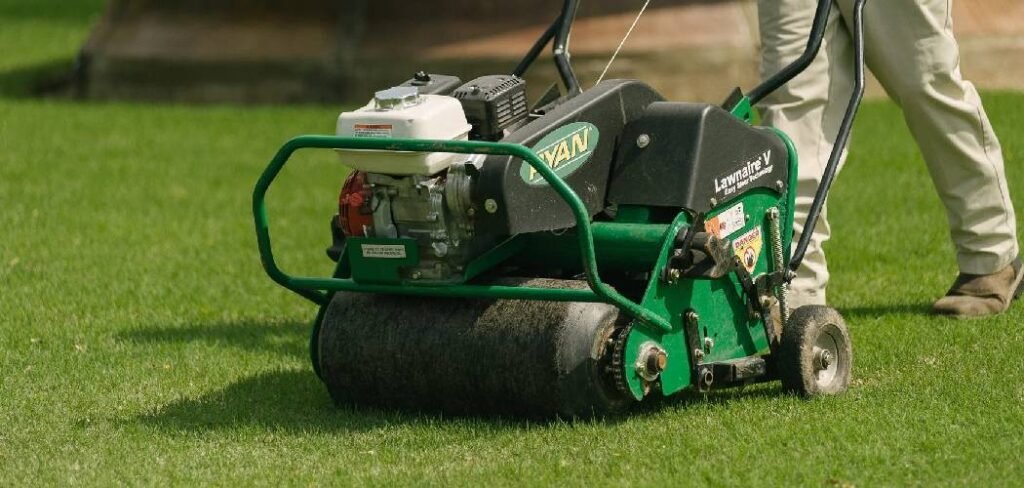
Lawn aeration is the act of making small holes in the soil. This will help air, water, and nutrients reach the grass roots. This is a great way to do this if your soil is hard or packed together. You can buy an aerator machine from a hardware store. You can also hire someone to do it. The best time to do this is when your grass is growing. If your grass grows most in the spring, do it then. If your grass grows most in the fall, choose the fall for the job.
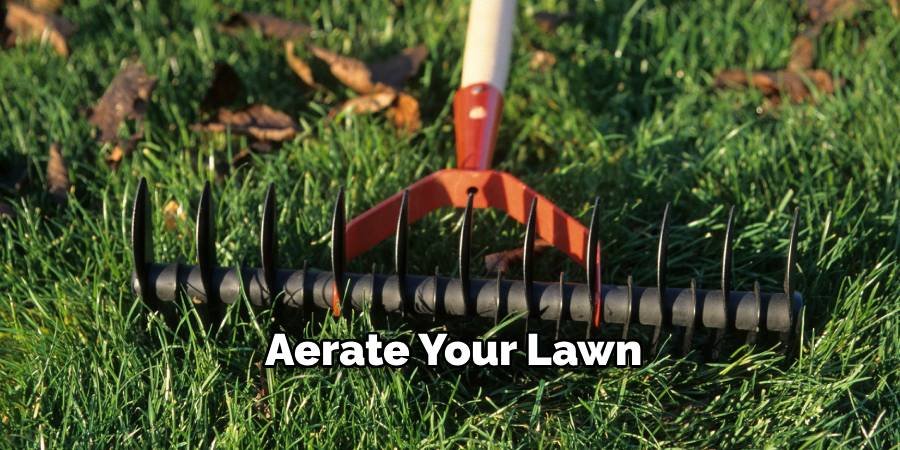
After you aerate your lawn, you will see many small holes in the soil. Don’t worry. Over time, these holes will fill in on their own. The way aeration works is that it helps your grass roots grow deeper and stronger. Some people use a tool called a spike aerator. It’s better than using nothing. However, a core aerator does more for your grass. It breaks up small plugs of soil. It helps the grass grow thicker. This is a good way to keep your lawn healthy.
Step 4: Choose the Right Grass Seed
Choosing the right grass seed is very important for fixing a thin lawn. Different types of grass grow well in different places and in different climates. Cool-season grasses like fescue and bluegrass grow best in the North. They like cool weather and can grow even with a little shade. Warm-season grasses like Bermuda and Zoysia grow best in the South, where summers are hot.
Also, consider the condition of your lawn. If you have a lot of shade, choose grasses that will grow well in those areas. If people walk on your lawn a lot, choose grasses that are easy to walk on. Buy grass seed from a reputable store to get good quality. If you get cheap seed, it may not grow well and may contain weeds. Good seed may cost a little more, but it will make your thin lawn look better. You will see better results with the right type of grass seed.
Step 5: Overseed Your Lawn
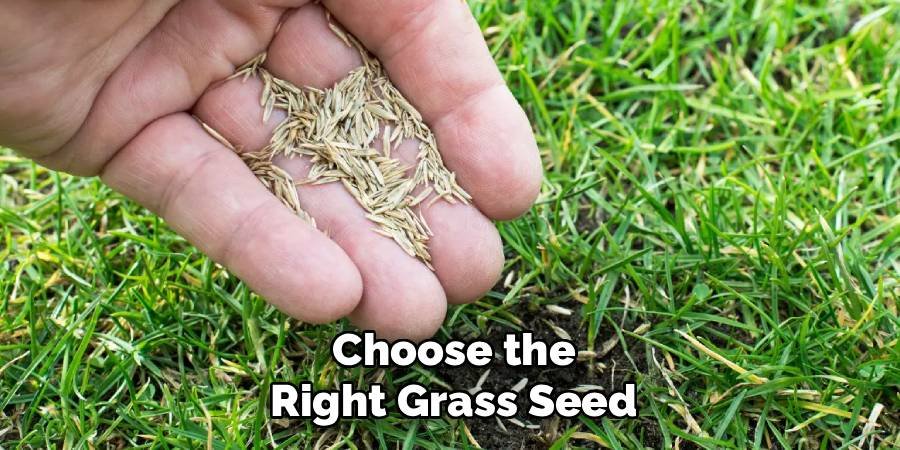
Overseeding is when you plant new grass seed on top of what is already there. It is one of the best ways to help a thin lawn look thicker and better. First, mow your grass very short. This will help the new seeds touch the ground. Then, use a seed spreader to spread the grass seed over your entire lawn. Check the seed package to see how much seed you need to use. If you use too little seed, the grass may remain thin and not be able to fill in the gaps. If you use too much seed, the new grass plants will struggle for water, light, and food.
This can make it difficult for them to grow well. After spreading the seed, gently rake the area. This helps the seeds touch the ground. Good contact from the seed to the soil helps the seeds grow well. The best time to overseed your lawn will depend on the type of grass you have. If you have cool-season grasses, you should do this in early fall. If you have warm-season grasses, the best time is late spring or early summer.
Step 6: Water Properly and Consistently
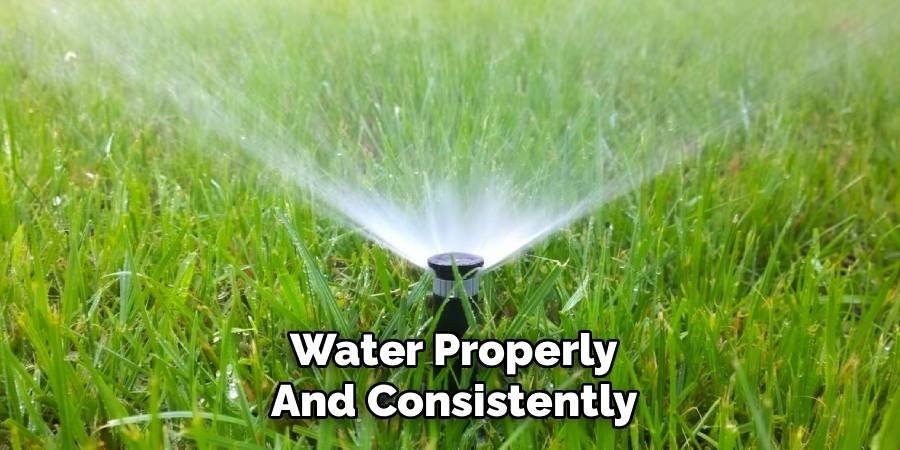
The correct way to water your lawn is important for fixing a thin lawn. New grass seeds should always be moist. This helps them grow and become a thick lawn. Water your new lawn with a light touch, but do it frequently. The soil should be moist, but not soggy. Most of the time, you will need to water 2 or 3 times a day for 5 to 10 minutes. As you see new grass growing, you can water less frequently but use more water each time.
This helps the roots grow deeper. Your grass will be stronger and can better withstand dry weather. Do not try to walk on the newly seeded area until the grass is strong. This takes about four to six weeks for most grasses. Use a sprinkler or light spray nozzle to keep the seeds in place. If you use too much water, the seeds may move away. This can cause some spots to grow too big and other spots to not grow at all.
Step 7: Fertilize and Maintain Your New Lawn
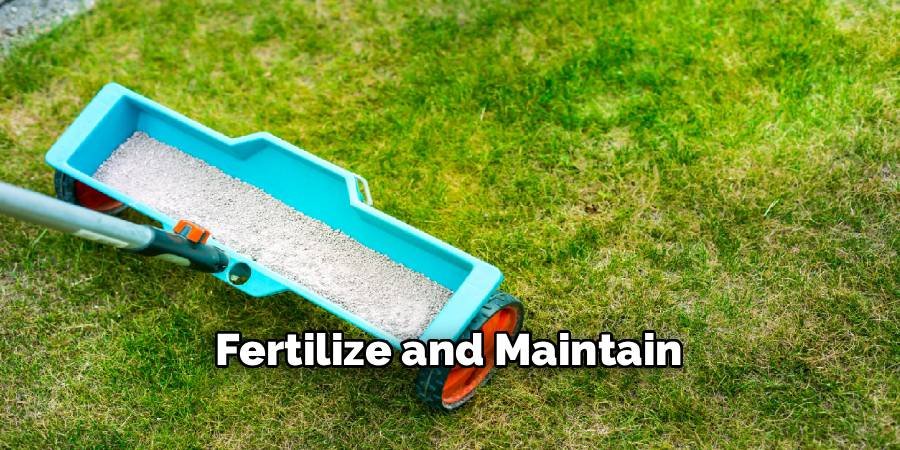
The final step in fixing a thin lawn is to feed it well and care for it frequently. New grass needs food to grow thick and strong. Use a starter fertilizer when planting new seeds. This type of fertilizer contains nutrients that help the seeds start growing and helps the young grass grow quickly. Once your new grass starts to grow well, you should start using a regular lawn fertilizer. Most lawns need to be fertilized two to four times per year.
This depends on the type of grass you have and the climate where you live. Once your lawn is thick enough, mow it frequently. Don’t cut more than one-third of the grass at a time. Use a sharp mower for a good, clean cut. This helps keep the grass healthy. Maintain good lawn care habits. Water your lawn properly, aerate the soil occasionally, and take care of weeds. This will help prevent your lawn from thinning again later.
Read More: How To Hang a Bug Zapper
Additional Tips for Success
Here are some more tips to help your thin lawn look beautiful again:
- Be patient. It takes time to grow a thick lawn.
- Lightly screen new seedbeds to keep birds out.
- Spread fertilizer thinly to improve the soil.
- You may want to hire a professional for larger jobs or very damaged lawns.
- Keep pets and children away from newly seeded areas.
- Don’t feel bad if you don’t see results right away. Keep trying.
Keep in mind that fixing a thin lawn takes time and effort. But if you use the right steps, you can get the thick, beautiful lawn you want.
Conclusion
Fixing a thin lawn is not difficult. You just need to follow these 7 easy steps. First, test the soil. Then, pull out the weeds. Then, break up the soil with a tool to add air. Next, select the right seeds for your yard. Spread more seeds over the area. Be sure to water the grass adequately and feed it the right food. By doing all of this, you will make your thin lawn thicker and healthier.
Remember that you need to be patient if you want to fix a thin lawn. It is important to know that good things take time. You may have to wait, but the hard work you put in will be worth it. When your lawn is thick and green, it not only looks beautiful. It can also enhance your home and provide a better place to spend time with your family.
Start by testing the soil. Complete each step carefully. Don’t try to do everything quickly. Don’t miss important steps like aerating the lawn or watering it the right way. If you take proper care of your lawn and stick with it, your thin lawn will grow into the thick, green yard you’ve always wanted. Once your lawn is established, keep taking care of it. This helps prevent your grass from thinning later. It’s always easier to do regular lawn work than to fix major problems after they occur.

About Ravuk Barg
B.Sc. Horticulture Science | Certified Master Gardener
Ravuk Barg has spent more than a decade with his hands in the soil and his head full of questions about why some gardens thrive while others struggle. What started as a single raised bed of tomatoes and basil in a modest backyard has grown into a deep, working knowledge of everything from seed germination and soil amendment to companion planting and seasonal pruning.
Over the years, Ravuk has gardened through drought summers, waterlogged springs, and pest invasions that would make most gardeners hang up their trowels for good. Those hard seasons, he’ll tell you, taught him more than any perfect growing year ever could. He writes from that earned experience—covering vegetable growing, ornamental planting, houseplant care, composting, and garden design with equal confidence and curiosity.
Philosophy & Approach
Ravuk’s approach to gardening is rooted in practicality. He favors organic methods not out of dogma, but because they work long-term—resulting in healthier soil, fewer inputs, and stronger plants. He has a particular fondness for heirloom vegetable varieties (the kind with proper flavor), unruly cottage-style flower beds, and the stubborn houseplants that everyone else gave up on.
The Mission: Give readers the honest, experience-backed advice that helps them actually succeed in their gardens—not just the ideal version, but the real one; weeds, failures, and all.
Education & Credentials
-
B.Sc. in Horticulture Science
-
Greenfield Agricultural University
-
Focus: Plant Physiology, Soil Ecology, and Sustainable Crop Production
-
-
Master Gardener Certification
-
Cooperative Extension Service
-
Focus: 200+ hours of hands-on practical training and community garden work
-
Continuing Education
-
Organic Pest Management
-
Native Plant Landscaping
-
Sustainable Crop Production