

Learn how to maximize garden space with 10 proven methods. Discover vertical gardening, container planting, and space-saving techniques to grow more in less space.
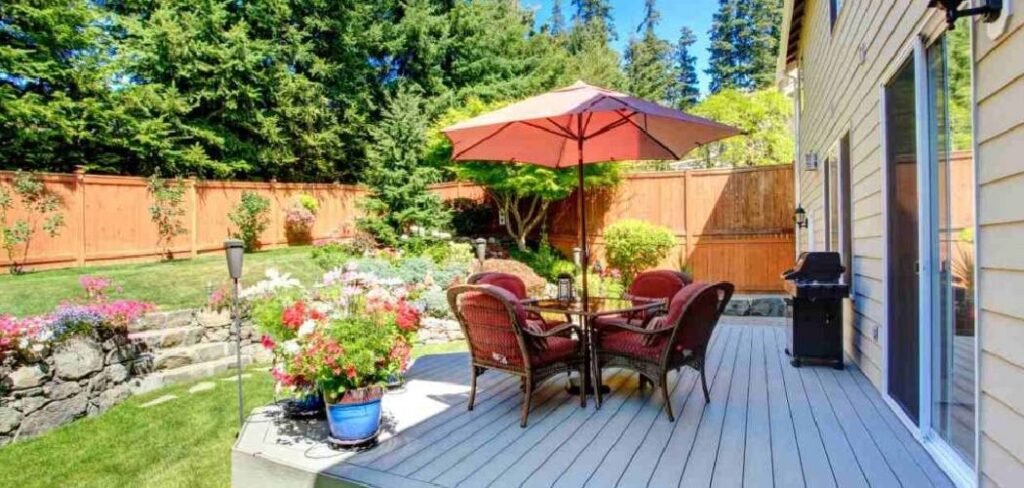
Growing your own vegetables and flowers is a dream for many. But what if you have a small yard or limited space? Don’t worry! You can still create a beautiful and productive garden. Learning how to maximize your garden space will help you grow more plants in less space. Many gardeners face the same problem. They want to grow lots of plants but don’t have enough space. The good news is that there are many smart ways to use every inch of space in your garden. With the right planning and strategy, even the smallest spaces can become amazing gardens.
10 Steps on How to Maximize Garden Space
Step 1: Plan Your Garden Layout Carefully
The first step to maximizing your garden space is to create a good plan. Draw out your garden space on paper. Identify where the sun shines the most during the day. This will help you decide where to plant different plants.
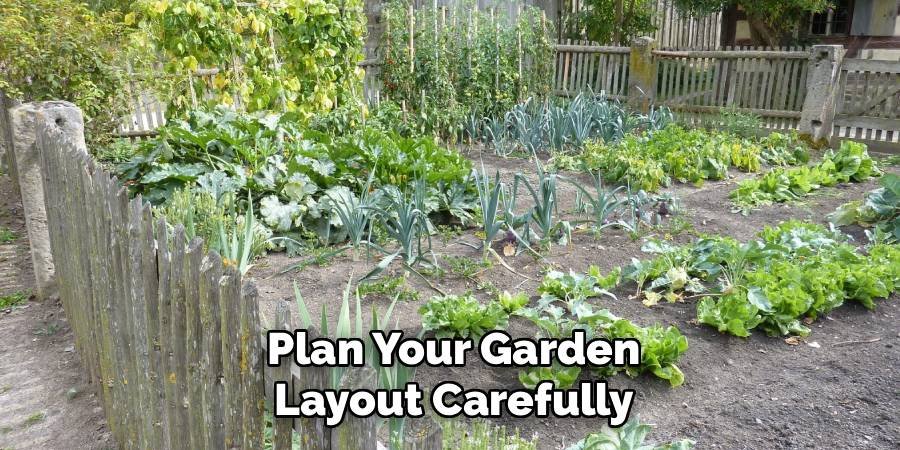
Think about what plants you want to plant. Some plants need more space than others. Small plants like lettuce can fit in tight spots. Large plants like tomatoes need more space. When you plan ahead, you can fit more plants into your garden.
Use graph paper to make your plan more accurate. Each square can represent one foot of garden space. This makes it easy to see how much space each plant needs. Good planning is the key to getting the most out of your small garden space.
Step 2: Use Vertical Growing Methods
Growing plants indoors instead of outdoors is a great way to maximize your garden space. Vertical gardening helps you take advantage of the air above your garden. You can grow climbing plants on walls, fences, and tall supports.
Build or buy a trellis for climbing plants. Beans, peas, cucumbers, and squash all grow well on vertical supports. You can also use old ladders, wooden frames, or wire mesh as climbing supports. Wall-mounted planters are another vertical option. These special containers attach to walls or fences. You can grow herbs, small vegetables, and flowers in them. Vertical gardening looks beautiful and saves a lot of floor space.
Step 3: Try Container Gardening
Container gardening is perfect for small spaces. You can plant plants in tubs, boxes, and other containers. This method works well on patios, balconies, and small yards.
Choose a container that is large enough to accommodate the roots of your plants. Small herbs will need smaller containers. Tomatoes and peppers will need larger containers. Make sure all containers have holes in the bottom to allow water to drain. You can move your container gardens around if necessary. If your plants need more sun, move them to a sunnier spot. Container gardening keeps weeds at bay and makes watering easier.
Step 4: Practice Companion Planting
Companion planting means growing different plants together that support each other. This smart approach helps you maximize your garden space and keeps your plants healthy.
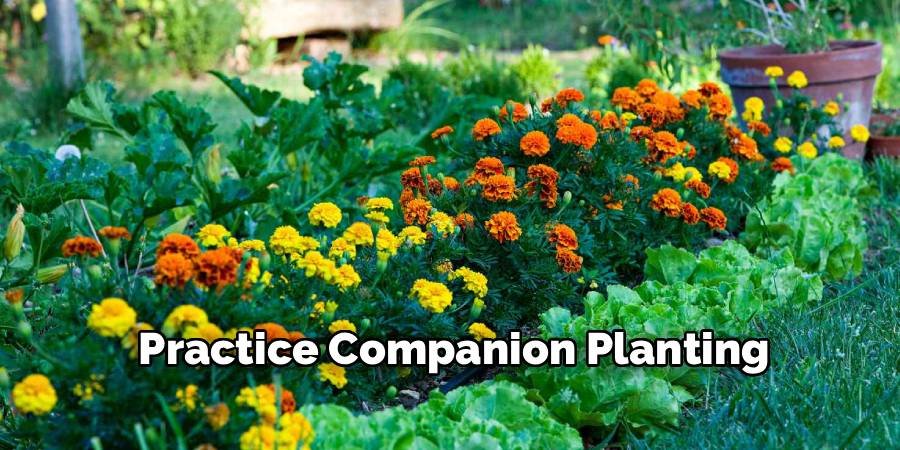
Some plants grow well together because they use space differently. Tall plants can shade shorter plants that don’t like the sun. Deep-rooted plants can grow next to shallow-rooted plants. For example, plant lettuce around the base of a tomato plant. The tomatoes provide shade for the lettuce. Carrots and onions also grow well together. The onions keep pests away from the carrots.
Step 5: Use Square Foot Gardening
Square foot gardening divides your garden into smaller squares. Each square is one foot by one foot. This method helps you maximize your garden space by planning where each plant will go.
Create tall boxes and divide them into one-foot squares using rope or wooden strips. Plant different vegetables in each square based on their size. Small plants like radishes can have four plants per square. Large plants like cabbage require a full square.
This method keeps you from wasting space between rows. It makes it easier to water, weed, and harvest your plants. Square foot gardening works great for beginners who want to maximize their garden space.
Step 6: Create Raised Garden Beds
Raised beds help you maximize your garden space in many ways. You can better control the quality of your soil. The soil dries out better in the spring and warms up faster. Plants grow healthily in raised beds.
Build raised beds using wood, stone, or metal. Make them about 4 feet wide so you can reach the middle from both sides. The beds can be any length that fits your space. Fill the raised beds with good soil mixed with compost. You can plant closer together in raised beds because the soil is better. This helps you grow more plants in the same space.
Step 7: Try Succession Planting
Succession planting means planting the same crop multiple times during the growing season. This helps you get more harvest from the same garden space.
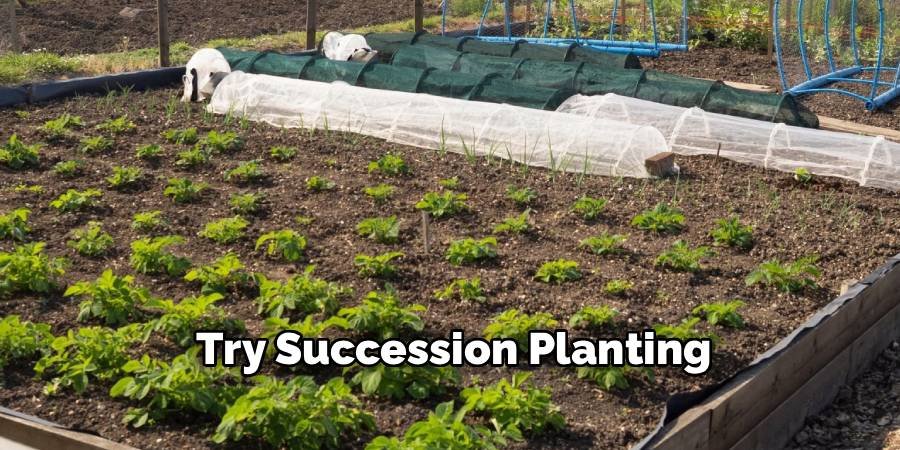
Plant fast-growing crops like lettuce and radishes every two weeks. When you plant the first, the second will be ready soon. This will give you fresh vegetables all season long. You can plant different crops in the same spot during the same season. After you harvest your early spring crops, plant summer vegetables in the same spot. Then plant fall crops when the summer plants are finished.
Step 8: Use Intercropping Techniques
Intercropping means planting different crops together in the same space. This technique helps you maximize your garden space by using every inch wisely.
Plant fast-growing crops between slow-growing crops. For example, plant lettuce between tomato plants. The lettuce will be ready to harvest before all the tomato space is needed. You can plant crops with different growth habits together. Plant climbing beans with corn. The beans climb up the corn stalks. Both plants grow in the same space without competition.
Step 9: Choose Compact Plant Varieties
Many vegetables come in small or dwarf varieties. These small plants help you maximize your garden space while also producing a good harvest. Look for bush varieties instead of vine varieties. Bush tomatoes take up less space than pole beans. Smaller varieties of tomatoes work well in containers and small gardens. Choose plants that produce fruit over a long period of time instead of all-season vegetables. Cherry tomatoes keep producing throughout the season. This gives you more food from each plant and helps you maximize your garden space.
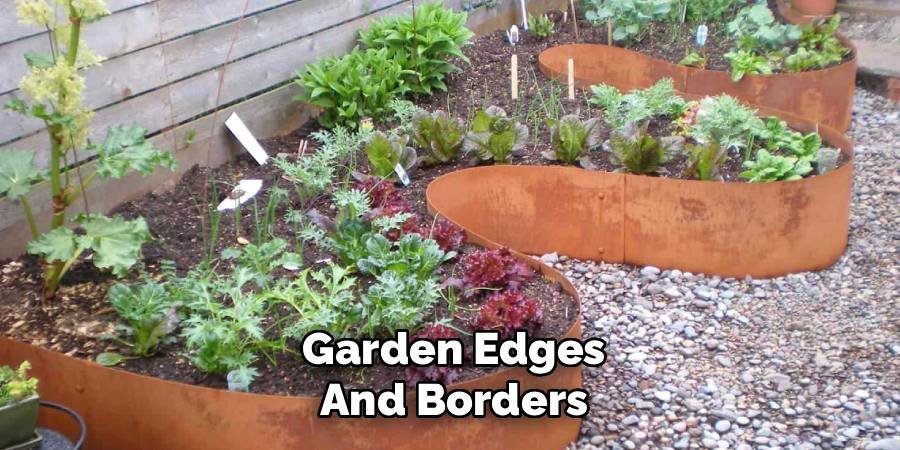
Step 10: Make Use of Garden Edges and Borders
Don’t forget about the edges of your garden. If you use them wisely, these areas can grow many useful plants. Plant herbs along the edges of your garden. Most herbs don’t need a lot of space and grow well in marginal areas. You can also plant flowers along the edges to attract beneficial insects. Use corners and odd-shaped spaces for small plants. These areas are perfect for growing herbs, small flowers, or dense vegetables. Every little bit counts when you want to maximize your garden space.
Frequently Asked Questions
Q1: What is the best way to maximize garden space in a small backyard?
The best way to maximize garden space in a small yard is to use vertical gardening and container gardening. Build trellises for climbing plants and use tubs for vegetables that don’t need a lot of root space. Also, try to plan your space carefully by square footage.
Q2: Can I grow vegetables in containers to save space?
Yes, you can grow many vegetables in containers to save space. Tomatoes, peppers, lettuce, herbs, and beans all grow well in pots. Choose a pot that is large enough for the plant’s roots and make sure it has drainage holes.
Q3: How do I plan my garden layout to use space efficiently?
First, plan your garden layout by drawing it on paper. Identify sunny and shady areas. Group plants according to their needs and growth habits. Use the square footage method to divide your space into organized sections.
Q4: What plants work best for vertical gardening?
The best plants for vertical gardening are climbing varieties like beans, peas, cucumbers, and squash. You can also grow herbs and small vegetables in wall-mounted planters or hanging baskets.
Q5: How can companion planting help maximize garden space?
Companion planting helps you maximize garden space by allowing you to grow compatible plants together. Taller plants can provide shade for shorter plants. Plants with different root depths can share the same soil space without competition.
Conclusion
Learning how to maximize garden space opens up many possibilities for small-space gardeners. With these 10 proven methods, you can grow more plants in less area while keeping your garden healthy and productive.
Start by carefully planning your layout and choosing the right strategy for your space. Vertical gardening, container planting, and companion planting are great ways to make the most of limited space. Remember that even small changes can make a big difference in how much you can grow. Don’t be afraid to try new methods and experiment with different plant combinations. Every garden is different, so find the strategies that work best for your specific space and needs. With patience and creativity, you can transform any small space into a thriving garden that provides fresh vegetables and beautiful flowers all season long.

About Ravuk Barg
B.Sc. Horticulture Science | Certified Master Gardener
Ravuk Barg has spent more than a decade with his hands in the soil and his head full of questions about why some gardens thrive while others struggle. What started as a single raised bed of tomatoes and basil in a modest backyard has grown into a deep, working knowledge of everything from seed germination and soil amendment to companion planting and seasonal pruning.
Over the years, Ravuk has gardened through drought summers, waterlogged springs, and pest invasions that would make most gardeners hang up their trowels for good. Those hard seasons, he’ll tell you, taught him more than any perfect growing year ever could. He writes from that earned experience—covering vegetable growing, ornamental planting, houseplant care, composting, and garden design with equal confidence and curiosity.
Philosophy & Approach
Ravuk’s approach to gardening is rooted in practicality. He favors organic methods not out of dogma, but because they work long-term—resulting in healthier soil, fewer inputs, and stronger plants. He has a particular fondness for heirloom vegetable varieties (the kind with proper flavor), unruly cottage-style flower beds, and the stubborn houseplants that everyone else gave up on.
The Mission: Give readers the honest, experience-backed advice that helps them actually succeed in their gardens—not just the ideal version, but the real one; weeds, failures, and all.
Education & Credentials
-
B.Sc. in Horticulture Science
-
Greenfield Agricultural University
-
Focus: Plant Physiology, Soil Ecology, and Sustainable Crop Production
-
-
Master Gardener Certification
-
Cooperative Extension Service
-
Focus: 200+ hours of hands-on practical training and community garden work
-
Continuing Education
-
Organic Pest Management
-
Native Plant Landscaping
-
Sustainable Crop Production