

Tree roots growing in your lawn can be a big problem. These unwanted shoots make your yard look untidy and steal water and nutrients from your grass. Many homeowners face this problem when tree roots grow under their lawn and sprout new shoots.
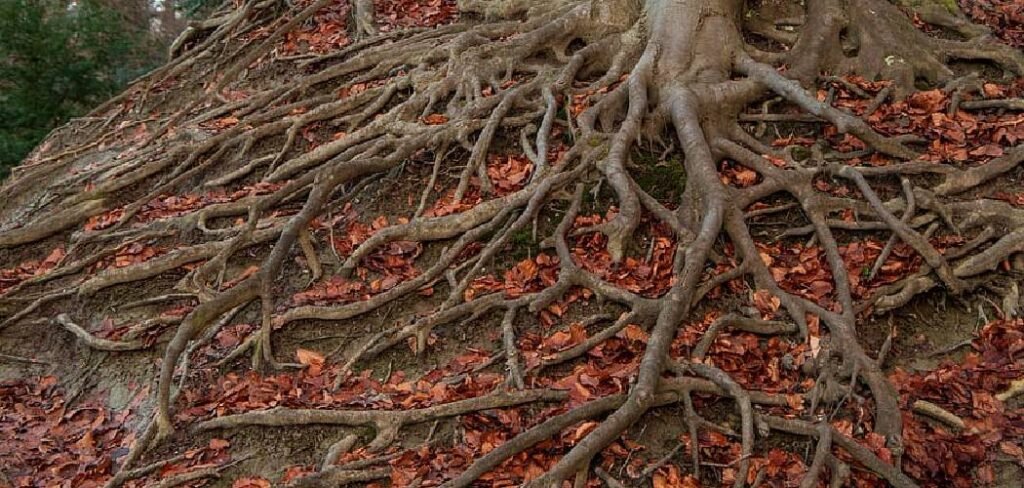
When tree roots spread underground, they often emerge as small plants or sprouts that emerge in your grass. This happens because the roots are looking for sunlight and space to grow. The good news is that you can stop tree roots from growing in your lawn using simple methods.
Why Do Tree Roots Sprout in Lawns?
Tree roots sprout in lawns for several reasons. First, when a tree is cut down, the root system remains alive underground. These roots have stored energy and try to grow new shoots. Second, some trees naturally regrow roots, even when the main tree is healthy.
Damaged roots sprout more. When you dig up or cut roots while doing yard work, the roots respond by sprouting new growth. This is the tree’s way of trying to survive and spread. The most common trees that cause this problem are maple, elm, cherry, and poplar trees. These trees are known for their aggressive root systems that spread far from the main trunk.
10 Effective Methods on How to Stop Tree Roots from Sprouting in Lawn
Method 1: Cut Sprouts Regularly
The easiest way to control root sprouts is to cut them off as soon as you see them. Use sharp pruning shears or a lawn mower to remove the sprouts. Cut them as close to the ground as possible.
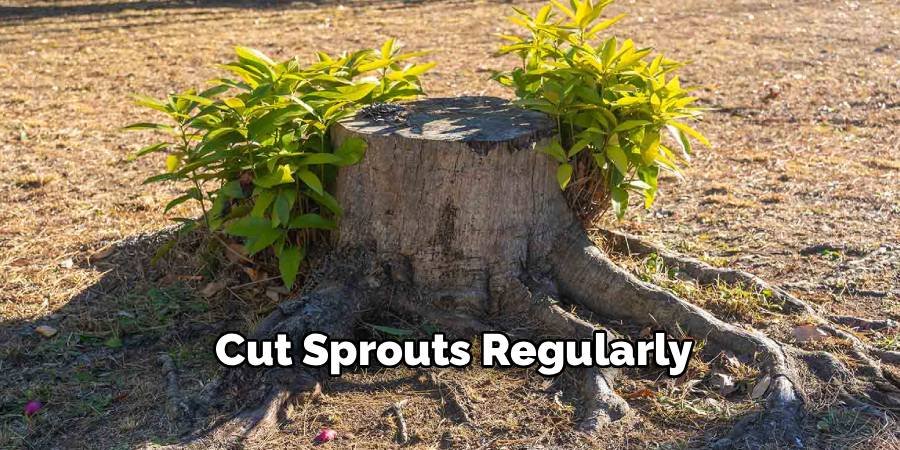
You need to be consistent with this method. Check your lawn every week during the growing season and remove any new sprouts as they appear. The more you cut them off, the weaker the root system will become over time. This method works best when combined with other techniques. While cutting stops visible growth, it does not completely destroy the roots.
Method 2: Apply Herbicide to Cut Stumps
After cutting the plant, you can apply herbicide to the freshly cut section. This stops new growth from the roots. For best results, use a brush-on herbicide containing glyphosate. Brush the herbicide onto the cut surface immediately after cutting the shoot. The herbicide will penetrate the roots and kill them. This method is very effective but must be applied carefully. Always wear gloves and follow the instructions on the herbicide label. Keep pets and children away from the treated area until the herbicide has dried.
Method 3: Install Root Barriers
Root barriers are physical walls that stop roots from spreading in certain areas. You can place these barriers around your lawn to prevent tree roots from growing under your grass.
Dig a trench about 2-3 feet deep where you don’t want roots. Place a root barrier material in the trench and backfill with soil. The barrier should be about 2 inches above ground level. Root barriers work well for new plantings or when redesigning your landscape. They are difficult to install for existing problems but very effective when installed correctly.
Method 4: Remove Problem Trees
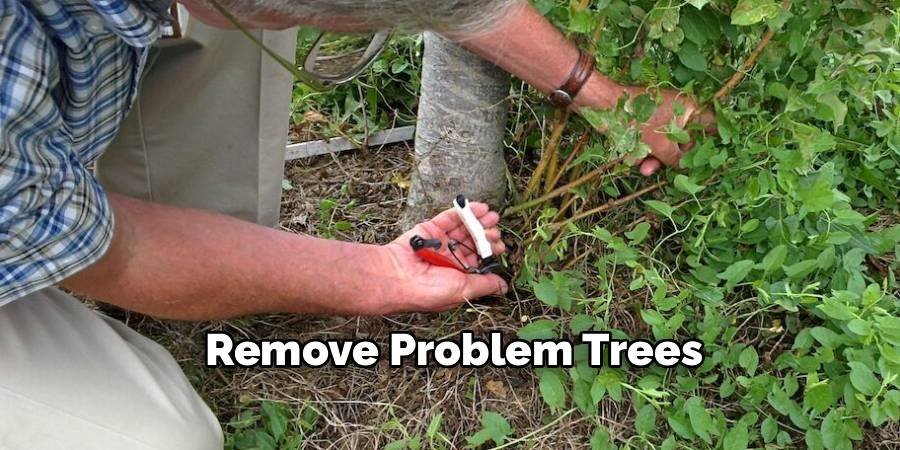
Sometimes the best solution is to remove the tree that is causing the root growth. This is especially true for trees that are too close to your home or in the wrong location. Tree removal should be done by a professional, especially for large trees. After the tree is removed, you will need to deal with the remaining root system using other methods on this list. Consider replacing problem trees with species that are not as susceptible to root growth. Contact your local nursery for recommendations for trees with less invasive root systems.
Method 5: Use Salt Treatment
Salt can kill plant roots, but you need to use it carefully. Too much salt will damage your lawn and other plants. Mix 1 part salt with 3 parts water and pour it directly onto the cut sprouts.
The salt solution will kill the roots over time. You may need to repeat this treatment several times. Be very careful not to get the salt solution on your grass or other plants you want to keep. This method works slowly and can take several months to show full results. It is best to use it in small areas with only a few sprouts.
Method 6: Deep Root Cutting
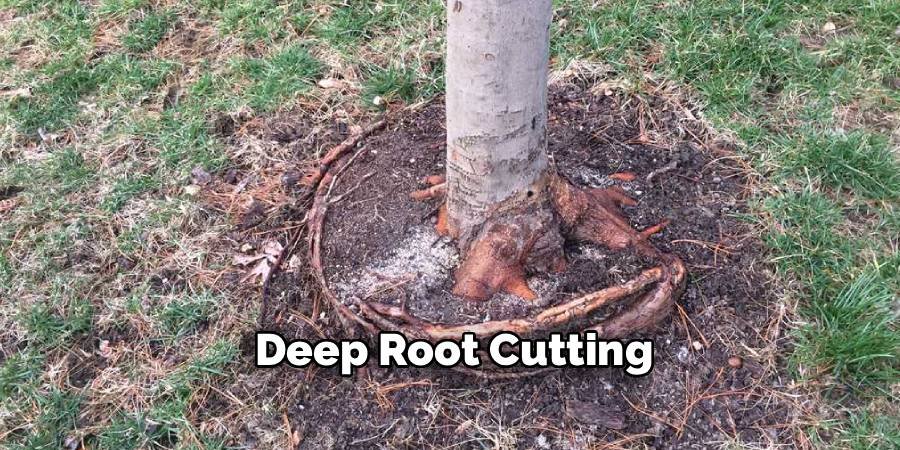
For severe root problems, you may need to cut the main roots below ground level. Dig a hole 2-3 feet deep and cut off any large, sprouting roots. Use a sharp spade or root saw to make clean cuts. After cutting, apply herbicide to the ends of the cut roots to prevent regrowth. Backfill the hole with soil. This method requires hard work but can be very effective. It is best to do this in late fall or early spring when the plants are dormant.
Method 7: Smothering Technique
You can kill the original sprouting plants by blocking out sunlight. Cover the sprouting area with thick black plastic or cardboard. Weight it down with rocks or bricks. Leave the cover in place for at least one full growing season. Without sunlight, the sprouting plants will die, and the roots will become weak. This method requires patience, but it works well. After removing the cover, you may need to reseed the area with grass. The lack of sunlight will also kill your existing lawn in that area.
Method 8: Grind Out Root Systems
For complete removal, you can hire professionals to dig up the entire root system. This requires the use of special machines that pull out and remove the roots from the soil. Root digging is expensive but very thorough. It completely eliminates the source of the problem. After digging, you will have fresh soil suitable for planting new grass. This method is best for small areas or when you are completely rearranging your landscape. It is not practical to process shoots scattered throughout a large lawn.
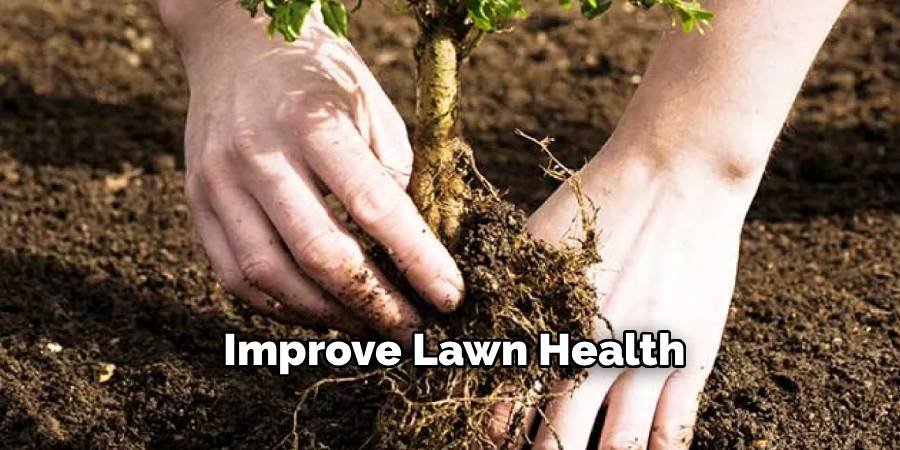
Method 9: Improve Lawn Health
A thick, healthy lawn can help prevent root growth. Vigorous grass competes with tree shoots for water and nutrients. Fertilize your lawn regularly and water it well. Sow additional seed in thin areas to create a dense grass cover. The denser your lawn, the harder it will be for tree shoots to grow. This method works best as a preventative measure rather than a cure. It won’t stop existing root problems, but it can help prevent new ones from occurring.
Method 10: Professional Treatment
For severe root rot problems, consider hiring a certified arborist or landscape professional. They have access to powerful herbicides and specialized equipment.
Professionals can assess your specific situation and recommend the best treatment plan. They can safely remove large trees and treat extensive root systems. Although professional treatment is more expensive upfront, it often saves money in the long run by completely addressing the problem the first time.
Prevention Tips
It is easier to prevent tree root sprouts than to treat them once they appear. When planting new trees, select a site at least 20 feet away from the lawn area. Select tree species that do not produce root sprouts.
Avoid damaging tree roots when doing yard work. Do not dig or cultivate the soil near trees unnecessarily. When you must work near the roots, make clean cuts and clean them up with a pruning saw. Keep your lawn healthy by feeding and watering regularly. Strong grass is your best defense against tree root and sprout attacks.
When to Call Professionals
When root growth covers a large area or when treatments don’t work, call a professional. If tree roots are damaging your foundation, sidewalks, or underground utilities, you need expert help.
Professional arborists are trained in root management and commercial-grade treatment options. They can safely remove large trees that are causing problems. Don’t delay in calling a professional if the problem gets worse despite your efforts. Early professional intervention often prevents more costly problems later.
FAQs
Q: How long does it take to stop tree roots from sprouting in lawn?
Answer: It usually takes 1-2 seasons of continuous treatment to completely stop the tree’s root growth. Some methods work faster than others, but patience is key for long-term success.
Q: Will cutting tree root sprouts make more sprouts grow?
Answer: Pruning at the beginning may stimulate more growth, but continuous pruning will weaken the root system over time. The key is to prune regularly and consider combining pruning with other treatments.
Q: Can I use bleach to kill tree root sprouts?
Answer: Bleach should not be used to kill tree roots because it can damage your lawn and contaminate the soil. Instead, use an herbicide suitable for woody plants.
Q: Do tree root sprouts damage my lawn?
Answer: Yes, tree root suckers compete with grass for water, nutrients, and sunlight. They can create gaps in your lawn and make it difficult to mow.
Q: Is it safe to use herbicide near my lawn?
Answer: When used properly, herbicides formulated for woody plants are safe around established grass. Always read and follow label directions, and consider using brush-on application to minimize contact with your lawn.
Conclusion
Learning how to stop tree roots from sprouting in lawn requires patience and the right approach. The ten methods outlined above offer solutions for different situations and budgets. A combination of regular mowing and herbicide treatments works well for most homeowners, although more serious problems may require professional help or physical removal of the roots.
Remember that prevention is always better than cure. Choose plant locations carefully and maintain a healthy lawn to minimize future problems. Most root sprouting problems can be solved with consistent effort using these proven methods. Start with simple techniques like regular mowing and spot herbicide treatments before moving on to more intensive solutions. With the right treatment, you can have a beautiful, sprout-free lawn that you will be proud to maintain.

About Ravuk Barg
B.Sc. Horticulture Science | Certified Master Gardener
Ravuk Barg has spent more than a decade with his hands in the soil and his head full of questions about why some gardens thrive while others struggle. What started as a single raised bed of tomatoes and basil in a modest backyard has grown into a deep, working knowledge of everything from seed germination and soil amendment to companion planting and seasonal pruning.
Over the years, Ravuk has gardened through drought summers, waterlogged springs, and pest invasions that would make most gardeners hang up their trowels for good. Those hard seasons, he’ll tell you, taught him more than any perfect growing year ever could. He writes from that earned experience—covering vegetable growing, ornamental planting, houseplant care, composting, and garden design with equal confidence and curiosity.
Philosophy & Approach
Ravuk’s approach to gardening is rooted in practicality. He favors organic methods not out of dogma, but because they work long-term—resulting in healthier soil, fewer inputs, and stronger plants. He has a particular fondness for heirloom vegetable varieties (the kind with proper flavor), unruly cottage-style flower beds, and the stubborn houseplants that everyone else gave up on.
The Mission: Give readers the honest, experience-backed advice that helps them actually succeed in their gardens—not just the ideal version, but the real one; weeds, failures, and all.
Education & Credentials
-
B.Sc. in Horticulture Science
-
Greenfield Agricultural University
-
Focus: Plant Physiology, Soil Ecology, and Sustainable Crop Production
-
-
Master Gardener Certification
-
Cooperative Extension Service
-
Focus: 200+ hours of hands-on practical training and community garden work
-
Continuing Education
-
Organic Pest Management
-
Native Plant Landscaping
-
Sustainable Crop Production