

Gardening offers immense joy, but the constant battle against weeds often turns that joy into back-breaking labor. Many beginners rely on hand-pulling or heavy chopping tools that strain the muscles and disturb the soil structure unnecessarily. Finding a more efficient tool is the secret to maintaining a pristine garden without the physical toll. Enter the scuffle hoe, also known as an action hoe or hula hoe, which is a game-changer for weed management.
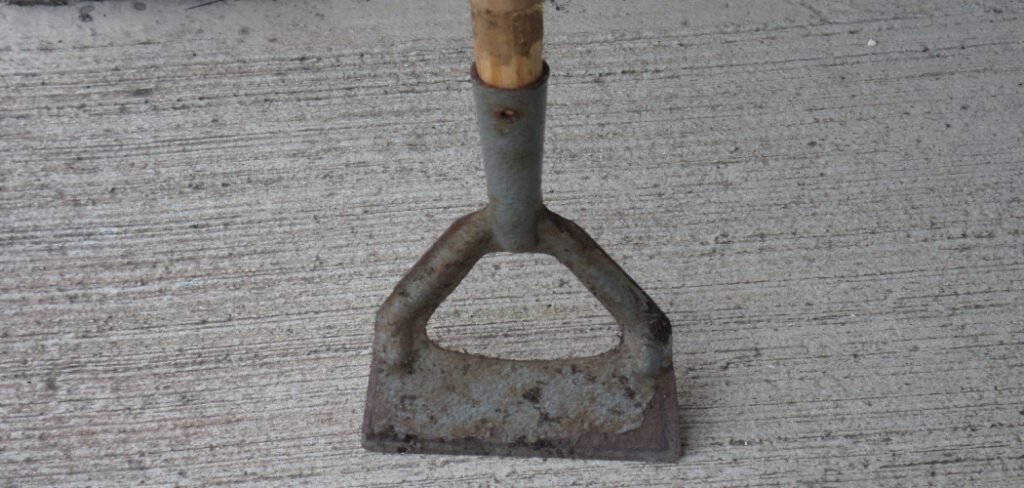
This tool operates differently than traditional garden equipment, using a push-pull motion that slices weeds just below the surface. However, simply owning one is not enough; you must understand the proper technique to maximize its potential. Learning how to use a scuffle hoe can transform your weeding routine from a dreaded chore into a satisfying, rhythmic exercise. By mastering this simple tool, you will save time, protect your back, and keep your garden beds healthy and thriving all season long.
Why The Scuffle Hoe Is A Gardener’s Best Friend
The scuffle hoe distinguishes itself from standard garden hoes through its unique design and operational efficiency. Unlike a draw hoe, which requires a chopping motion that digs deep into the ground, a scuffle hoe features an oscillating stirrup-shaped blade. This blade sharpens on both sides and wiggles slightly back and forth, allowing it to cut on both the push and the pull stroke. This bidirectional cutting action effectively doubles your work speed while requiring half the effort.
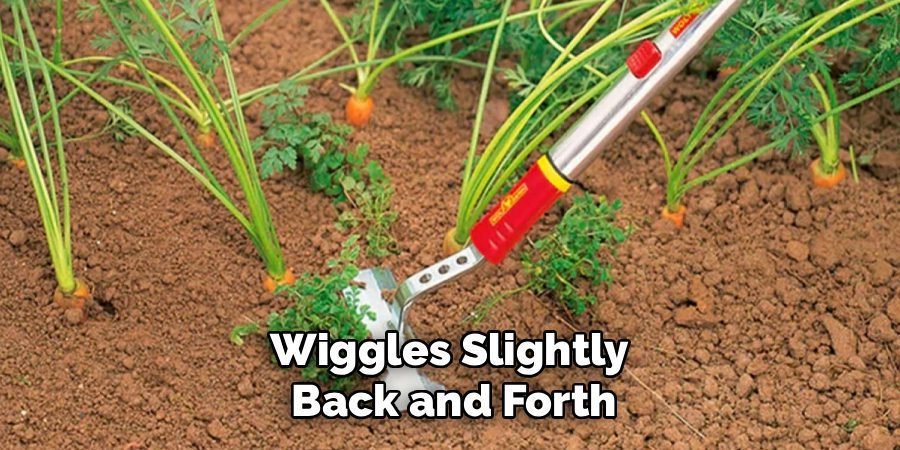
This design philosophy centers on shallow cultivation. By slicing through weed roots just below the soil surface, you avoid bringing dormant weed seeds up to the light where they can germinate. This keeps your soil structure intact and preserves vital moisture. Furthermore, the upright posture required to operate this tool significantly reduces strain on the lower back. For home gardeners managing raised beds or long rows, this tool provides a level of precision and ease that heavy tillage tools simply cannot match. It represents a smarter, not harder, approach to garden maintenance.
7 Step‑by‑Step Guide on How to Use a Scuffle Hoe
Step 1: Preparing The Garden Area And Safety Check
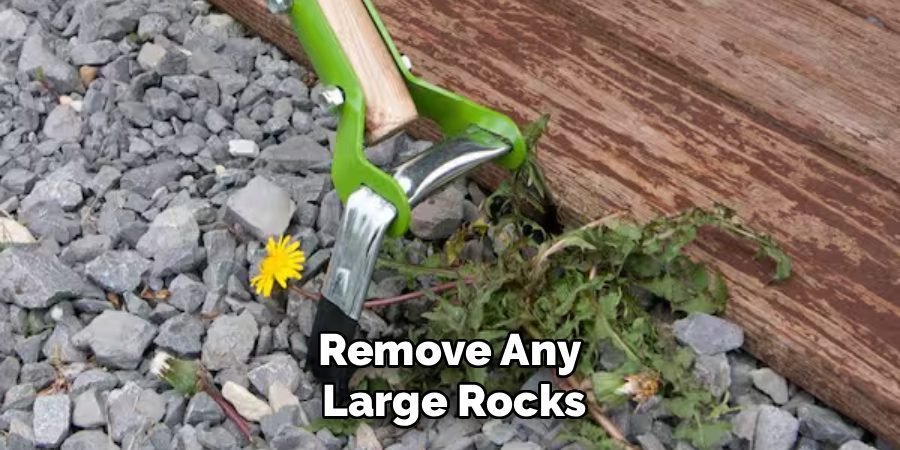
Before you begin swinging any tool, you must survey your garden bed to ensure the conditions are right for weeding. Walk through the area and identify the specific weeds you plan to target, noting their size and density. This tool works best on young, small weeds rather than established woody plants with deep taproots. Remove any large rocks, sticks, or irrigation lines that might damage the blade or cause you to trip during the process.
You should also check the soil moisture levels before starting. The soil should be slightly dry or just barely moist; if the ground is muddy or soaking wet, the soil will clump up on the blade and make the job frustratingly difficult. Finally, ensure you are wearing sturdy, closed-toe shoes to protect your feet. While learning how to use a scuffle hoe is generally safer than using chopping tools, slipping while pushing a sharp blade can still result in injury if your feet are exposed.
Step 2: Adopting The Correct Stance And Posture
The foundation of effective weeding lies in your body mechanics, not just arm strength. Stand with your feet shoulder-width apart to create a stable base that allows for easy movement. Hold your body upright with a straight spine, avoiding the temptation to hunch over the handle. Hunching defeats the ergonomic purpose of the tool and will lead to rapid fatigue in your lower back.
Position the tool in front of you as if you are holding a broom or a mop. Your dominant hand should grip the top of the handle, while your other hand grips the shaft about a foot or two lower. Keep your knees slightly bent to absorb movement and allow you to shift your weight comfortably. This athletic stance engages your core muscles rather than isolating your arms. When you maintain this upright posture, you utilize the long handle to do the work for you, allowing you to weed large areas without waking up sore the next morning.
Step 3: Positioning The Blade Angle Correctly
Understanding the blade’s interaction with the soil is critical for efficiency. Place the stirrup blade flat against the soil surface in the area you intend to weed. The blade on a scuffle hoe is designed to oscillate or wiggle slightly on its hinge. This movement allows the blade to automatically find the correct cutting angle when you apply pressure.
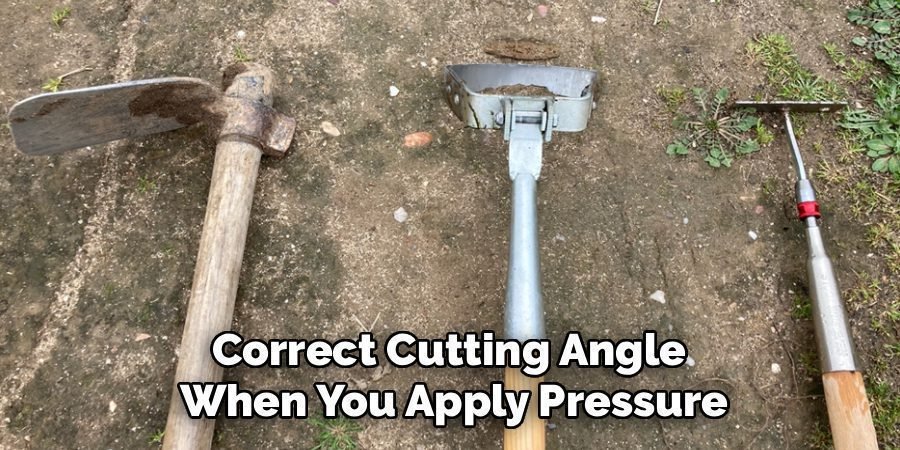
You do not need to chop down or force the blade deep into the earth. The goal is to skim just below the surface, roughly half an inch to an inch deep. If you dig too deep, you will meet excessive resistance and tire yourself out quickly. Practice resting the blade gently on the ground and tilting the handle slightly until you feel the edge bite into the top layer of soil. Finding this sweet spot ensures you sever the weeds from their roots without disturbing the deeper soil ecosystem or unearthing new weed seeds.
Step 4: Executing The Forward Push Motion
Begin the weeding process by pushing the handle away from your body in a smooth, gliding motion. As you push forward, the hinged blade will angle itself downward slightly, engaging the sharpened front edge. This action slices through the stems or roots of the weeds in its path. Focus on using your legs and body weight to drive the motion rather than just pushing with your triceps.
The stroke should be relatively short and controlled, typically extending about six to twelve inches. Long, sweeping strokes can be harder to control and may result in accidentally slicing desirable plants. Keep the blade moving parallel to the ground, maintaining that shallow depth you established earlier. You should hear a distinct shuffling or scuffling sound as the metal cuts through the roots. This sound confirms that the tool is doing its job correctly. If the blade gets stuck, you are likely digging too deep or hitting an obstruction.
Step 5: Utilizing The Backward Pull Motion
The magic of the scuffle hoe happens on the return stroke. Unlike traditional hoes that require you to lift and reset, you simply pull the handle back toward you immediately after the push. As you pull back, the hinged blade flips its angle, engaging the sharpened rear edge. This cuts any weeds you might have missed on the forward stroke and further breaks up the soil surface.
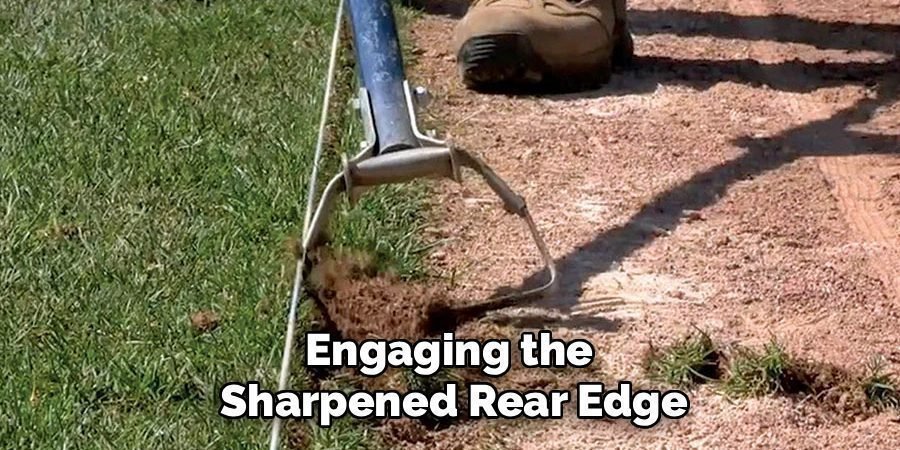
This continuous back-and-forth rhythm creates a highly efficient workflow. You are effectively weeding in both directions, which speeds up the process significantly. Maintain the same shallow depth during the pull motion, ensuring you don’t drag large clumps of soil with you. The motion should feel similar to vacuuming a rug or mopping a floor. Keep your arms relaxed and let the sharpness of the blade do the severing. By utilizing both the push and pull strokes effectively, you ensure that no weed is left standing in your path.
Step 6: Navigating Around Desirable Plants
Precision is essential when working in established flower beds or vegetable gardens. The scuffle hoe is excellent for getting close to your prized plants, but it requires careful handling. When working near the base of a vegetable plant or flower, slow down your rhythm and shorten your strokes significantly. Use the side of the blade or the corners of the stirrup to gently nudge close to the stems of your crops without touching them.
Because knowing how to use a scuffle hoe involves lateral movement, you must be vigilant not to accidentally slice through the stem of a tomato plant or a delicate flower. Visualize a safety zone of about one or two inches around the base of your desired plants. Clear the open spaces between rows with broad, rhythmic strokes, and then switch to small, delicate movements for the tight spots. This careful attention ensures your garden remains weed-free without sacrificing the health of the plants you have worked so hard to grow.
Step 7: Cleaning And Maintaining The Tool
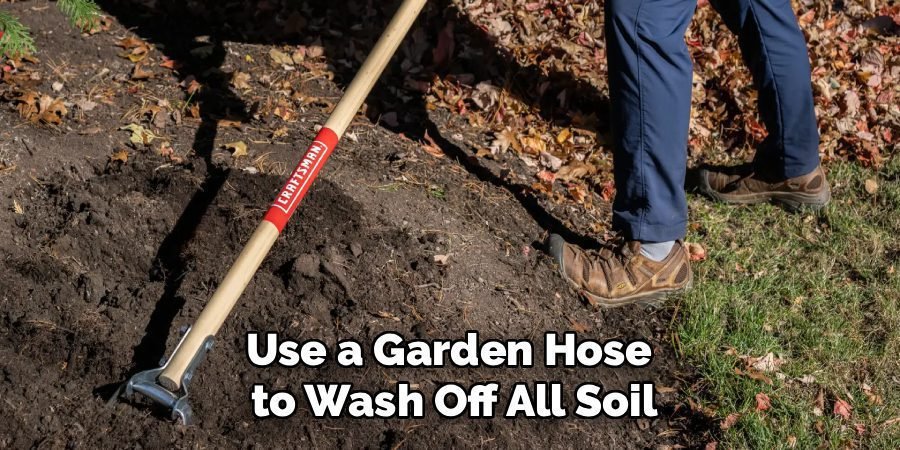
Once you have finished weeding, your job is not quite complete. Proper maintenance ensures your scuffle hoe remains effective for years to come. Use a garden hose to wash off all soil and plant debris from the blade and the hinge mechanism. Wet soil left on metal can lead to rust and cause the oscillating hinge to seize up, which ruins the tool’s functionality.
After washing, dry the tool thoroughly with an old rag. Before storing it, inspect the blade for dullness. A dull blade requires much more physical effort to push through the soil. If the edge feels blunt, use a metal file or a sharpening stone to restore its sharpness. Following the original bevel angle, run the file along the cutting edges a few times. Finally, wipe the metal parts with a thin layer of oil to prevent corrosion. Storing your tool in a dry shed or garage completes the cycle, ensuring it is ready for your next weeding session.
Frequently Asked Questions (FAQ)
Is A Scuffle Hoe Better Than A Regular Hoe?
The scuffle hoe is generally superior for maintaining weed-free gardens with minimal physical effort. While a regular chopping hoe is better for breaking up hard, compacted clay or digging trenches, the scuffle hoe excels at precision weeding. Its push-pull action is faster and places significantly less strain on your back. For routine maintenance in established beds, the scuffle hoe is the preferred choice for most gardeners.
Can I Use A Scuffle Hoe In Wet Soil?
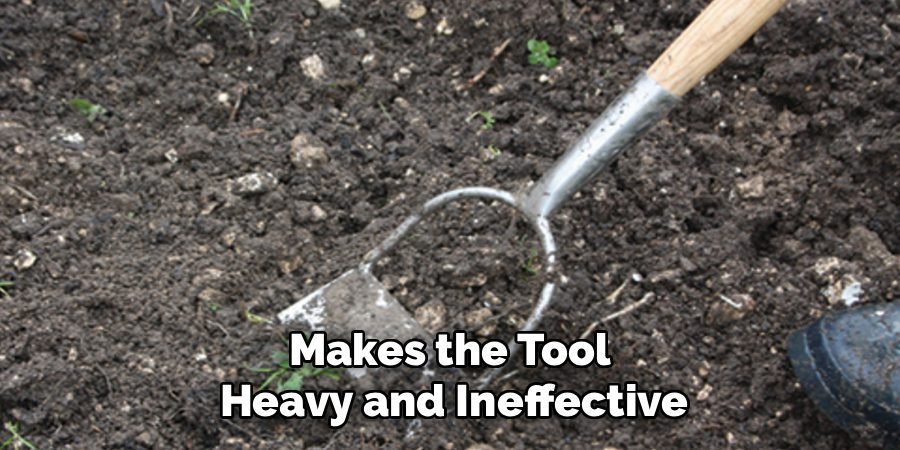
It is best to avoid using this tool in wet or muddy soil. Wet soil tends to clump and stick to the blade, which clogs the oscillating mechanism and makes the tool heavy and ineffective. Additionally, weeding in wet conditions can damage your soil structure by causing compaction. Wait until the soil has dried out slightly so that it crumbles easily when disturbed.
Does A Scuffle Hoe Remove Weed Roots?
The tool is designed to sever the tops of weeds from their roots just below the surface. For young annual weeds, this is usually fatal, and the roots will die and decompose. However, for perennial weeds with deep taproots like dandelions, the scuffle hoe may only provide temporary control. In those specific cases, you might need a different tool to dig out the entire root system to prevent regrowth.
How Often Should I Sharpen My Scuffle Hoe?
You should sharpen the blade whenever it feels like you are forcing the tool through the soil rather than slicing it. For casual gardeners, sharpening once or twice a season is usually sufficient. However, if you have rocky soil or weed frequently, you may need to touch up the edge more often. A sharp blade is crucial for safety and efficiency, as it prevents the tool from slipping.
Is A Scuffle Hoe Safe For Flower Beds?
Yes, it is very safe for flower beds if used with care. The stirrup design allows for high precision, letting you weed very close to delicate flowers without disturbing their root systems. Because it relies on shallow cultivation, you are less likely to damage the deeper roots of your perennials. Just remember to use short, controlled strokes when working near the stems of your flowers.
Conclusion
Weeding does not have to be the most dreaded task on your gardening to-do list. By choosing the right tool and applying the proper techniques, you can maintain beautiful, healthy beds with minimal strain on your body. The push-pull rhythm of a scuffle hoe allows you to cover large areas quickly, severing weeds efficiently while keeping your soil structure intact. It is a smart investment for anyone who values both their time and their physical well-being.
Remember to maintain an upright posture, keep your blade sharp, and work the soil when moisture conditions are ideal. As you practice these steps, the motion will become second nature, and you will likely find yourself reaching for this tool first every time you head out to the garden. Now that you understand how to use a scuffle hoe, grab your gloves and reclaim your garden from the weeds with confidence and ease.

About Ravuk Barg
B.Sc. Horticulture Science | Certified Master Gardener
Ravuk Barg has spent more than a decade with his hands in the soil and his head full of questions about why some gardens thrive while others struggle. What started as a single raised bed of tomatoes and basil in a modest backyard has grown into a deep, working knowledge of everything from seed germination and soil amendment to companion planting and seasonal pruning.
Over the years, Ravuk has gardened through drought summers, waterlogged springs, and pest invasions that would make most gardeners hang up their trowels for good. Those hard seasons, he’ll tell you, taught him more than any perfect growing year ever could. He writes from that earned experience—covering vegetable growing, ornamental planting, houseplant care, composting, and garden design with equal confidence and curiosity.
Philosophy & Approach
Ravuk’s approach to gardening is rooted in practicality. He favors organic methods not out of dogma, but because they work long-term—resulting in healthier soil, fewer inputs, and stronger plants. He has a particular fondness for heirloom vegetable varieties (the kind with proper flavor), unruly cottage-style flower beds, and the stubborn houseplants that everyone else gave up on.
The Mission: Give readers the honest, experience-backed advice that helps them actually succeed in their gardens—not just the ideal version, but the real one; weeds, failures, and all.
Education & Credentials
-
B.Sc. in Horticulture Science
-
Greenfield Agricultural University
-
Focus: Plant Physiology, Soil Ecology, and Sustainable Crop Production
-
-
Master Gardener Certification
-
Cooperative Extension Service
-
Focus: 200+ hours of hands-on practical training and community garden work
-
Continuing Education
-
Organic Pest Management
-
Native Plant Landscaping
-
Sustainable Crop Production