

Growing your own papaya is a rewarding experience, bringing a taste of the tropics right to your backyard. However, these warmth-loving plants are highly sensitive to cold weather. A sudden dip in temperature can quickly damage or even kill a healthy tree. For many gardeners, the biggest challenge is figuring out how to protect papaya tree from frost. Don’t worry, with a bit of preparation and the right techniques, you can successfully shield your plant from the damaging effects of a cold snap.
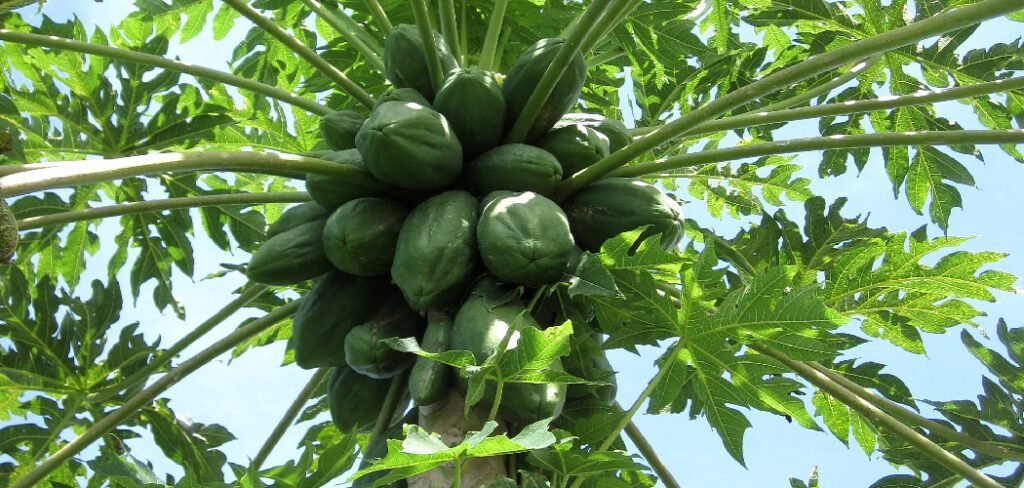
This guide will walk you through everything you need to know, from understanding the risks to implementing practical, step-by-step solutions to keep your papaya tree thriving through the winter.
Why Protecting Papaya Trees from Frost is Crucial
Papaya trees (Carica papaya) are tropical plants that thrive in warm, humid climates. Their cellular structure is not built to withstand freezing temperatures. When frost forms, the water inside the plant’s cells freezes and expands, causing the cell walls to rupture. This damage is often irreversible and can lead to wilted, blackened leaves, damaged stems, and even the death of the entire tree.
Young papaya trees are especially vulnerable because their trunks are soft and contain a lot of water. A single night of heavy frost can be fatal. Even for mature trees, frost can destroy developing fruit, stunt growth, and make the plant susceptible to diseases and pests. Protecting your papaya from frost isn’t just about saving the current season’s fruit; it’s about ensuring the long-term health and survival of the tree itself, allowing it to continue producing delicious fruit for years to come.
8 Step-by-Step Guide on How to Protect Papaya Tree from Frost
Step 1: Monitor Weather Forecasts Closely
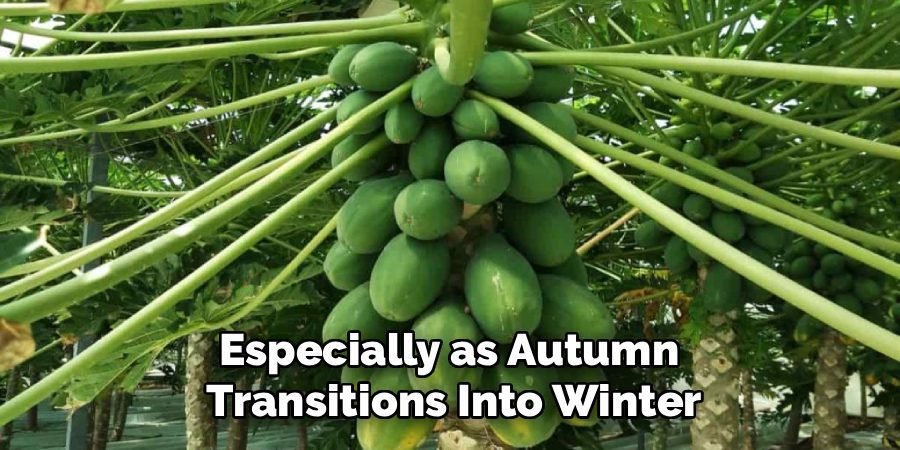
Preparation begins with awareness. Pay close attention to your local weather forecast, especially as autumn transitions into winter. Modern weather apps can provide hourly temperature predictions and send alerts for frost warnings. Knowing when a cold snap is coming gives you the time needed to put protective measures in place. Papayas are generally at risk when temperatures drop below 32°F (0°C), but damage can occur even in the mid-30s. Staying informed allows you to act proactively rather than reacting after the damage is done.
Step 2: Water Your Tree Thoroughly Before a Frost
This may seem counterintuitive, but watering your papaya tree well a day or two before a predicted frost is a crucial protective step. Moist soil absorbs more solar heat during the day and radiates it slowly throughout the night, raising the temperature of the air immediately surrounding the tree by a few degrees. This slight increase can make the difference between a healthy plant and a frost-damaged one. Dry soil, on the other hand, loses heat quickly. Ensure the soil is damp but not waterlogged to create a thermal buffer.
Step 3: Apply a Thick Layer of Mulch
Mulch is a gardener’s best friend, especially during cold weather. Applying a thick layer, about 4-6 inches deep, of organic mulch around the base of your papaya tree helps insulate the soil and protect the root system. Use materials like straw, wood chips, compost, or shredded leaves. Be sure to leave a small gap directly around the trunk to prevent moisture buildup, which can lead to rot. This layer of insulation helps the soil retain the warmth it absorbed during the day, safeguarding the sensitive roots from freezing.
Step 4: How to Protect a Young Papaya Tree from Frost by Wrapping the Trunk
The trunk of a papaya tree, especially a young one, is very susceptible to cold damage because it is herbaceous and full of water. You can insulate it by wrapping it with materials like burlap, corrugated cardboard, or specialized foam pipe insulation. Start at the base and wrap your way up, securing the material with twine. For extra protection, you can even stuff the space between the wrapping and the trunk with straw. This simple act insulates the main stem, preventing it from freezing and splitting.
Step 5: Cover the Entire Tree Before Sunset
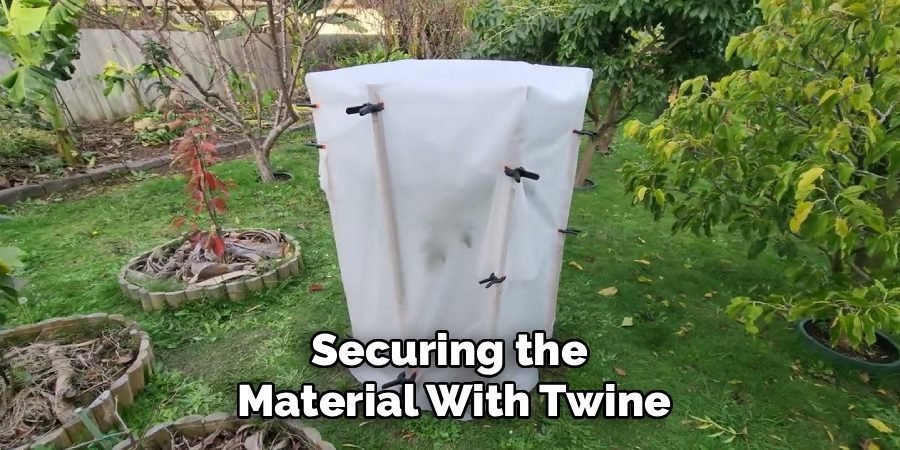
Covering is one of the most effective methods for frost protection. Before the sun sets, drape a large cloth, blanket, or a commercial frost cloth over the entire tree. The goal is to trap the radiant heat from the ground. It is essential that the cover extends all the way to the ground to create a protective tent. Use a frame or stakes to keep the cover from touching the leaves directly, as direct contact can transfer cold to the plant tissue. This method traps warmth and keeps frost from settling on the foliage.
Step 6: Provide a Gentle Heat Source
For nights with a predicted hard freeze, you may need to add a small heat source under the cover. A single strand of old-fashioned C7 or C9 Christmas lights (not modern LEDs, which don’t produce enough heat) wrapped around the lower branches and trunk can generate a surprising amount of warmth. Another option is to place a single 100-watt incandescent bulb in a utility lamp near the base of the tree. This small amount of supplemental heat can be just enough to keep the temperature under the cover above freezing.
Step 7: Uncover the Tree in the Morning
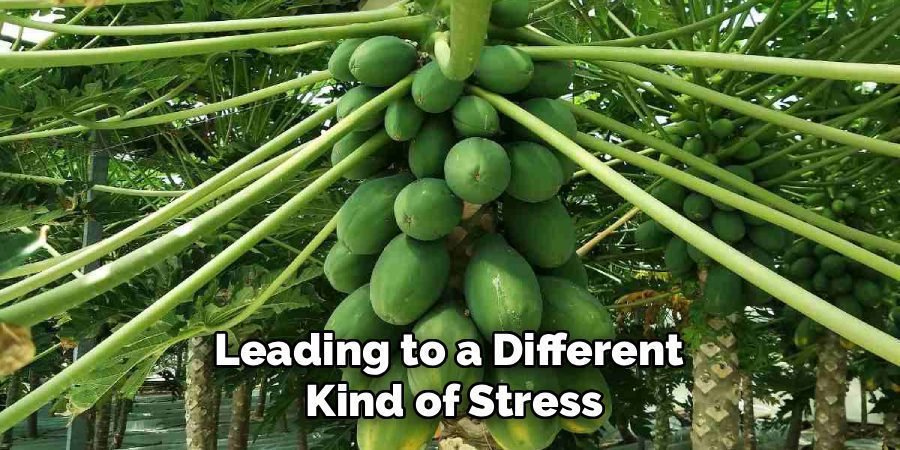
Once the threat of frost has passed in the morning and temperatures are rising, it is critical to remove the covers. Leaving your papaya tree covered during the day can cause it to overheat, leading to a different kind of stress. It also prevents the plant from getting the sunlight it needs for photosynthesis and stops air from circulating, which can encourage fungal diseases. Make uncovering your tree a part of your morning routine on days after a frosty night.
Step 8: Understanding How to Protect Papaya Tree from Frost in Containers
If your papaya tree is growing in a container, your job is much easier. The best solution is simply to move the pot to a protected location, such as a garage, shed, or covered patio, before the temperatures drop. If the container is too large to move, you can implement the same techniques as for in-ground trees: wrap the pot with an insulating blanket to protect the roots, wrap the trunk, and cover the foliage. Grouping container plants together can also help them share warmth.
Monitor and Maintain Winter Protection
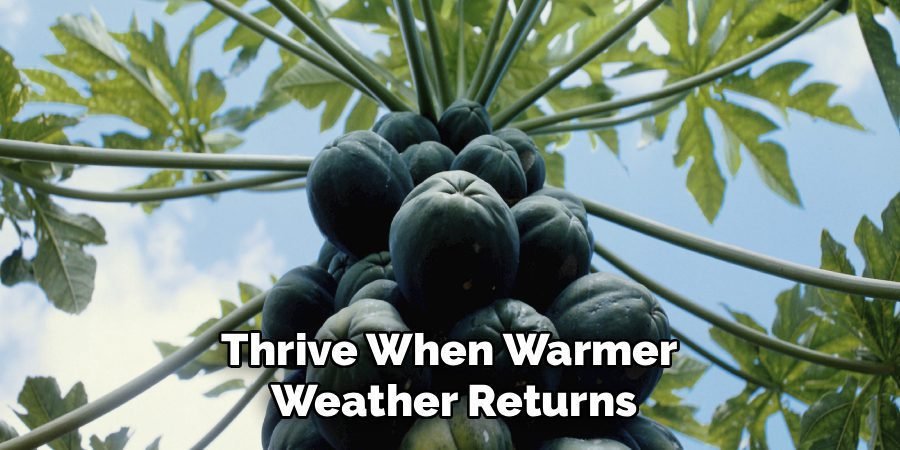
Once you’ve set up protection for your papaya tree, it’s essential to monitor it throughout the colder months. Check regularly for signs of damage, such as frostbite on the leaves or stress on the trunk. Reapply or adjust coverings as needed, especially after heavy winds or storms. Additionally, ensure that the roots don’t become waterlogged by managing drainage and avoiding overwatering. Consistent maintenance will help your papaya tree survive the winter and thrive when warmer weather returns.
Frequently Asked Questions
Can a Papaya Tree Survive a Frost?
A papaya tree’s survival depends on the severity and duration of the frost. A light, brief frost might only damage the leaves, from which the plant can recover. However, a hard freeze, where temperatures stay below 28°F (-2°C) for several hours, can kill the tree, especially if it is young. Protecting the trunk and roots is key, as a tree with a healthy root system and an intact trunk can often regrow even if its leaves are lost.
What Is the Lowest Temperature a Papaya Tree Can Tolerate?
Papaya trees are very sensitive to cold. They can begin to show signs of damage when temperatures drop below 32°F (0°C). While a mature tree might withstand a very brief dip to around 30°F, prolonged exposure to any freezing temperature is dangerous. Consistently cold weather, even if it stays above freezing, can also stunt growth and affect fruit production. It’s best to take protective measures whenever temperatures are forecast to fall into the mid-30s.
Should I Prune Frost-Damaged Leaves Immediately?
It is tempting to remove blackened, damaged leaves right away, but it’s best to wait. Those damaged leaves, while unsightly, can offer a layer of protection to the healthy tissue underneath during subsequent cold spells. Wait until all danger of frost has passed in the spring before pruning away any damaged parts. This ensures you don’t expose healthy growth to a late-season freeze and allows the plant to put its energy into new growth when the weather is consistently warm.
Will Frost-Damaged Papaya Fruit Still Ripen?
If the fruit itself is not frozen, it might continue to ripen, but its quality will likely be diminished. Frost can cause scarring on the fruit’s skin and may lead to a bland or off-flavor. If the fruit was frozen solid, it will likely turn mushy and start to rot once it thaws. In most cases, it’s best to harvest any near-mature fruit before a predicted frost to ensure you get to enjoy it.
Can I Grow a Papaya Tree in a Colder Climate?
Yes, you can grow a papaya tree in a colder climate, but it requires careful management. The easiest way is to grow it in a large container that can be moved indoors or into a greenhouse during the winter. If you choose to plant it in the ground, you must be diligent about winter protection, using methods like covering, wrapping, and even supplemental heating. Choosing a microclimate in your yard, such as a spot against a south-facing wall, can also provide extra warmth and protection.
Conclusion
Protecting your papaya tree from the cold is an essential task for any gardener living outside of a strictly tropical zone. While it requires some effort, the reward of harvesting your own sweet, homegrown papayas is well worth it. By monitoring the weather, preparing your tree, and using effective covering and insulating techniques, you can successfully shield your plant from winter’s chill. Now that you understand how to protect papaya tree from frost, you are equipped with the knowledge to keep your tree healthy and productive, ensuring a delicious harvest for seasons to come.

About Ravuk Barg
B.Sc. Horticulture Science | Certified Master Gardener
Ravuk Barg has spent more than a decade with his hands in the soil and his head full of questions about why some gardens thrive while others struggle. What started as a single raised bed of tomatoes and basil in a modest backyard has grown into a deep, working knowledge of everything from seed germination and soil amendment to companion planting and seasonal pruning.
Over the years, Ravuk has gardened through drought summers, waterlogged springs, and pest invasions that would make most gardeners hang up their trowels for good. Those hard seasons, he’ll tell you, taught him more than any perfect growing year ever could. He writes from that earned experience—covering vegetable growing, ornamental planting, houseplant care, composting, and garden design with equal confidence and curiosity.
Philosophy & Approach
Ravuk’s approach to gardening is rooted in practicality. He favors organic methods not out of dogma, but because they work long-term—resulting in healthier soil, fewer inputs, and stronger plants. He has a particular fondness for heirloom vegetable varieties (the kind with proper flavor), unruly cottage-style flower beds, and the stubborn houseplants that everyone else gave up on.
The Mission: Give readers the honest, experience-backed advice that helps them actually succeed in their gardens—not just the ideal version, but the real one; weeds, failures, and all.
Education & Credentials
-
B.Sc. in Horticulture Science
-
Greenfield Agricultural University
-
Focus: Plant Physiology, Soil Ecology, and Sustainable Crop Production
-
-
Master Gardener Certification
-
Cooperative Extension Service
-
Focus: 200+ hours of hands-on practical training and community garden work
-
Continuing Education
-
Organic Pest Management
-
Native Plant Landscaping
-
Sustainable Crop Production