

A lush, green lawn is a source of pride for any homeowner, but what happens when it gets trampled and matted down? Heavy foot traffic, children’s play, pets, or even a simple inflatable pool can leave your grass looking sad and flattened. While it may seem like a simple fix, mowing grass that isn’t standing upright presents a unique challenge. A standard mow might miss the bent blades, resulting in an uneven, patchy cut. Learning how to mow flattened grass correctly is the key to restoring its health and achieving that clean, uniform look you desire.
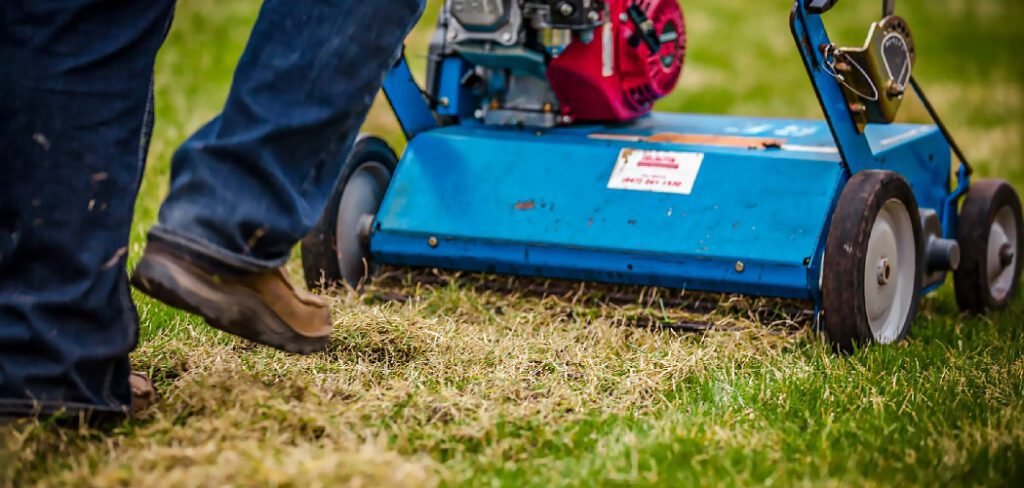
This guide will walk you through the process, ensuring your lawn recovers quickly and looks its best.
Why Your Lawn Gets Flattened
Understanding why grass becomes flattened is the first step toward preventing and fixing the issue. The most common cause is compression. This can happen from a variety of sources, including repeated foot traffic along the same path, leaving heavy objects like patio furniture or children’s toys on the lawn for extended periods, or even a car parked temporarily on the turf. Weather can also play a significant role. Heavy rain or snowfall can weigh down the grass blades, causing them to bend and mat together.
When grass remains in this flattened state, it struggles to access sunlight and air, which can inhibit growth and lead to discoloration or even death of the turf if not addressed.
8 Step-by-Step Guide on How to Mow Flattened Grass
Step 1: Clear the Lawn of Debris
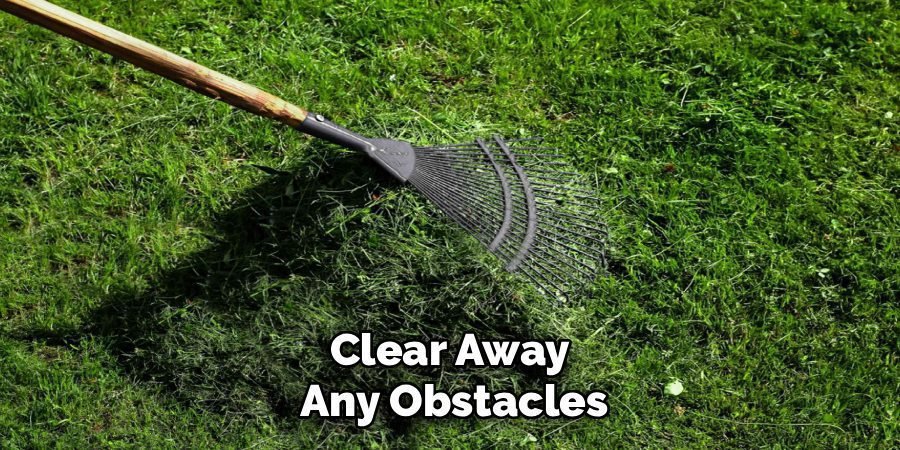
Before you even think about starting your mower, the first crucial step is to thoroughly inspect your lawn and clear away any obstacles. Remove sticks, stones, toys, leaves, or any other debris that could get in the way. These items can damage your mower blades or become dangerous projectiles when hit. A clean surface ensures a safer and more effective mow, allowing you to focus entirely on lifting and cutting the flattened grass without any unexpected interruptions. This simple preparation sets the stage for a successful lawn restoration.
Step 2: Gently Rake the Flattened Areas
To give your flattened grass a fighting chance, you need to help it stand up again. Use a flexible leaf rake or a garden rake to gently fluff up the matted-down sections. Work the rake in multiple directions, using light, upward strokes to lift the grass blades without tearing them from the soil. Avoid using a heavy, stiff metal rake, as it can be too aggressive and cause further damage to the already stressed turf. The goal is to encourage the blades to stand upright so the mower can cut them evenly.
Step 3: Allow the Grass to Dry Completely
Mowing wet grass is never a good idea, and it’s especially detrimental when dealing with flattened turf. Wet blades clump together, making them harder to lift and cut cleanly. This can result in a messy, uneven finish and puts unnecessary strain on your mower’s engine. Furthermore, wet conditions can cause the mower’s wheels to sink into the soil, creating ruts and compacting the ground further. For the best results, wait for a dry day and ensure the lawn has had ample time to dry out completely after any rain or morning dew.
Step 4: Sharpen Your Mower Blades
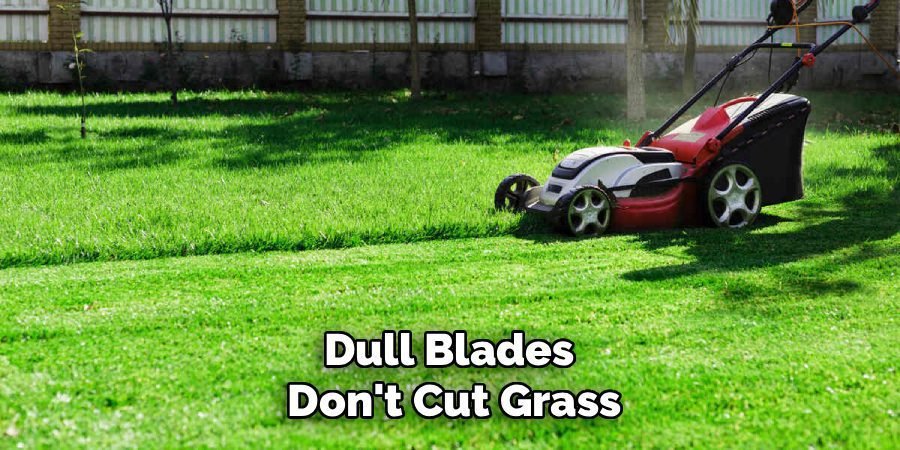
A sharp mower blade is your most important tool for this task. Dull blades don’t cut grass; they tear and rip it. This tearing action creates ragged edges on the grass blades, which makes the lawn more susceptible to disease and pests. A sharp blade, on the other hand, delivers a clean, precise cut that helps the grass heal and recover more quickly. Before you start, take the time to inspect your blades. If they are nicked or dull, sharpen them or replace them. This single step will make a massive difference in the final appearance of your lawn.
Step 5: Raise Your Mower Deck to the Highest Setting
When you begin to tackle the problem, resist the temptation to cut the grass short right away. Start by setting your mower deck to its highest possible cutting height. Mowing too low on flattened grass can “scalp” the lawn, cutting into the crown of the plant and causing significant damage that may be difficult to recover from. A higher cut removes only the top portion of the lifted blades, reducing stress on the turf. This initial pass is about evening things out, not achieving the final desired length.
Step 6: Mow in a Different Direction
If you typically mow in a set pattern, now is the time to change it up. Mowing perpendicular to the direction the grass is flattened can help lift the blades into the cutting path more effectively. For example, if the grass is bent toward the east, mow in a north-south pattern. This approach gives the mower the best opportunity to catch and cut the blades that you fluffed up with the rake. Varying your mowing pattern is also a good long-term practice for lawn health, as it prevents ruts and encourages upright growth.
Step 7: Make a Second Pass at a Lower Height
After your initial high pass, you can assess the lawn. If the grass looks more uniform but is still longer than you’d like, you can make a second pass. Lower the mower deck by one setting from where you started. Mowing a second time, again in a different direction from the first pass, will help you achieve a cleaner cut and a more manicured final appearance. This two-pass method for how to mow flattened grass is far more effective and healthier for your lawn than trying to cut it all down in one go.
Step 8: Bag the Clippings
Normally, leaving grass clippings on the lawn can be beneficial, as they return nutrients to the soil. However, when dealing with flattened or matted grass, it’s better to bag them. A thick layer of clippings can smother the already stressed turf, blocking sunlight and air circulation and potentially leading to fungal diseases or thatch buildup. By collecting the clippings, you ensure that the recovering grass gets the resources it needs to bounce back strong and healthy. This step helps create a clean slate for your lawn’s recovery.

Water Your Lawn Appropriately
Proper watering is essential for helping your lawn recover and thrive. Overwatering can lead to shallow root growth and increased susceptibility to diseases, while underwatering can inhibit the grass’s ability to regrow and repair itself. Aim to provide about 1 to 1.5 inches of water per week, including rainfall, and water deeply and infrequently to encourage deep root development. Early morning is the ideal time to water, as this minimizes evaporation and allows the lawn to dry before evening, reducing the risk of fungal issues. Monitoring moisture levels and adjusting based on weather conditions will ensure your lawn remains healthy and resilient.
Fertilize Appropriately
Proper fertilization is key to maintaining a lush, green lawn. Choose a fertilizer that suits the specific needs of your grass type and apply it during the appropriate growing season. Over-fertilizing can lead to excessive growth and weaken the lawn, while under-fertilizing may leave the grass undernourished and prone to stress. Be sure to follow the manufacturer’s instructions for application rates and timing, and consider using a slow-release formula to deliver nutrients gradually. Fertilizing at the right time and in the correct amount will help your lawn thrive throughout the year.
Water Your Lawn Properly
Proper watering is essential for maintaining a healthy and vibrant lawn. Ensure your lawn receives about 1 to 1.5 inches of water per week, including rainfall, to promote deep root growth and overall resilience. Watering deeply and infrequently is more effective than shallow, frequent watering, as it encourages the roots to grow deeper into the soil. Early morning is the best time to water, as it minimizes evaporation and allows the grass to dry before evening, reducing the risk of fungal diseases. Make adjustments based on your region’s climate and specific lawn needs to achieve optimal results.

Frequently Asked Questions (FAQ)
Can Flattened Grass Recover on Its Own?
Yes, in many cases, flattened grass can recover on its own, especially if the cause was temporary, like a brief period of foot traffic. Healthy turf is resilient and will naturally try to stand back up to reach for sunlight. However, if the grass was compressed for a long time or is severely matted, it may need help. Gently raking the area to lift the blades and ensuring the lawn gets adequate water and sun will significantly speed up the recovery process and prevent long-term damage or discoloration.
How Long Does It Take for Flattened Grass to Recover?
The recovery time for flattened grass depends on several factors, including the health of the lawn, the type of grass, the severity of the compaction, and the time of year. For minor cases, you might see the grass stand back up within a few days. For more severe matting, it could take one to two weeks of proper care, including raking and correct mowing, for the lawn to look normal again. Providing good aeration and watering can also help accelerate the process.
Should I Water My Lawn Before or After Mowing Flattened Grass?
You should always water your lawn after mowing, not before. Mowing wet grass is inefficient and can harm your lawn and mower. After you have completed the mowing process, giving your lawn a deep watering is beneficial. This helps the stressed grass recover from both the compaction and the cut. Watering encourages the roots to grow deeper and helps the blades of grass regain their turgor pressure, which allows them to stand upright more effectively.
Will Aerating Help with Flattened Grass?
Aerating is an excellent long-term solution, especially if your lawn is frequently flattened due to soil compaction. Compaction prevents air, water, and nutrients from reaching the grassroots. Core aeration involves pulling small plugs of soil from the lawn to alleviate this pressure. While it won’t instantly lift the grass blades, it improves the underlying soil structure, promoting stronger root growth and making your turf more resilient to future flattening and foot traffic. It is best done during the growing season.
How Can I Prevent My Grass from Getting Flattened in the Future?
Preventing flattened grass involves a few proactive habits. First, vary your walking paths across the lawn to distribute wear and tear. Avoid leaving heavy objects like furniture, kiddie pools, or equipment on the grass for extended periods. Regularly aerating your lawn, at least once a year, will help combat soil compaction. Finally, maintaining a healthy, dense lawn through proper fertilizing, watering, and mowing will make your turf more robust and better able to withstand occasional pressure.
Conclusion
A flattened, matted lawn can be disheartening, but it’s a problem that is entirely fixable with the right approach. By clearing debris, gently raking the turf, and using a patient, two-pass mowing technique with sharp blades, you can restore your lawn’s even, healthy appearance. Remember that the key is to lift the grass before you cut it and to avoid stressing the turf further by mowing too short or when it’s wet. With a little extra care and effort, you can master how to mow flattened grass and ensure your yard remains a beautiful and resilient outdoor space.

About Ravuk Barg
B.Sc. Horticulture Science | Certified Master Gardener
Ravuk Barg has spent more than a decade with his hands in the soil and his head full of questions about why some gardens thrive while others struggle. What started as a single raised bed of tomatoes and basil in a modest backyard has grown into a deep, working knowledge of everything from seed germination and soil amendment to companion planting and seasonal pruning.
Over the years, Ravuk has gardened through drought summers, waterlogged springs, and pest invasions that would make most gardeners hang up their trowels for good. Those hard seasons, he’ll tell you, taught him more than any perfect growing year ever could. He writes from that earned experience—covering vegetable growing, ornamental planting, houseplant care, composting, and garden design with equal confidence and curiosity.
Philosophy & Approach
Ravuk’s approach to gardening is rooted in practicality. He favors organic methods not out of dogma, but because they work long-term—resulting in healthier soil, fewer inputs, and stronger plants. He has a particular fondness for heirloom vegetable varieties (the kind with proper flavor), unruly cottage-style flower beds, and the stubborn houseplants that everyone else gave up on.
The Mission: Give readers the honest, experience-backed advice that helps them actually succeed in their gardens—not just the ideal version, but the real one; weeds, failures, and all.
Education & Credentials
-
B.Sc. in Horticulture Science
-
Greenfield Agricultural University
-
Focus: Plant Physiology, Soil Ecology, and Sustainable Crop Production
-
-
Master Gardener Certification
-
Cooperative Extension Service
-
Focus: 200+ hours of hands-on practical training and community garden work
-
Continuing Education
-
Organic Pest Management
-
Native Plant Landscaping
-
Sustainable Crop Production