

Maintaining a beautiful garden involves more than just planting and watering. One of the most persistent challenges for any gardener is managing the unwanted growth around the base of their trees. These pesky weeds not only look untidy but can also steal vital nutrients and moisture from your prized specimens. Learning how to prevent weeds around trees is a fundamental skill that ensures your trees remain healthy, strong, and the centerpiece of your landscape. This guide will walk you through effective, beginner-friendly methods to create a weed-free zone and help your trees thrive for years to come.
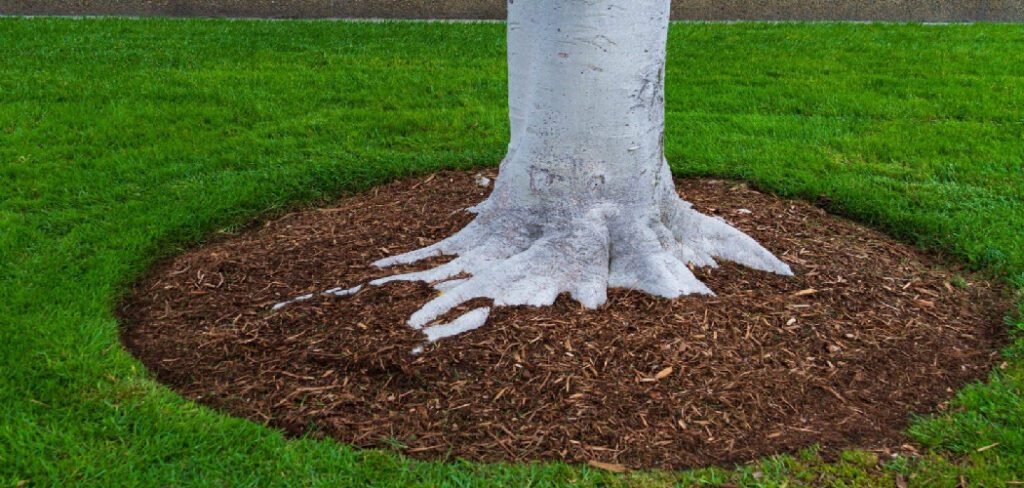
Why Preventing Weeds Around Trees Is Important
Weeds are more than just an eyesore; they are aggressive competitors for essential resources. When they grow around the base of a tree, they compete directly with the tree’s roots for water, sunlight, and soil nutrients. This competition is particularly harmful to young or newly planted trees that are still establishing their root systems. A dense patch of weeds can stunt a tree’s growth, make it more susceptible to pests and diseases, and reduce its overall vitality.
Furthermore, thick weed growth can provide a habitat for rodents that may chew on the tree’s bark, causing significant damage. By keeping the area clear, you are actively promoting your tree’s health and longevity.
8 Step Methods Guide on How to Prevent Weeds Around Trees
Step 1: Clear the Area Thoroughly
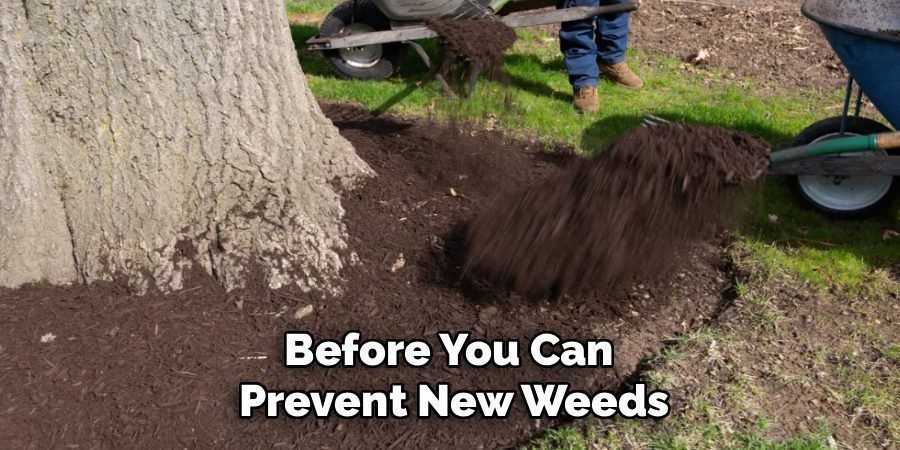
Before you can prevent new weeds, you must deal with the existing ones. The most effective way to start is by manually removing all visible weeds and grass from around the tree’s base. For shallow-rooted weeds, hand-pulling after a recent rain or watering session can be very effective, as the moist soil makes them easier to extract. For more stubborn or deep-rooted intruders, use a garden hoe or a weeding fork to dig them out. Be careful not to damage the tree’s surface roots while you work. Aim to clear a circle at least three to four feet in diameter around the trunk.
Step 2: Create a Physical Barrier with Landscape Fabric
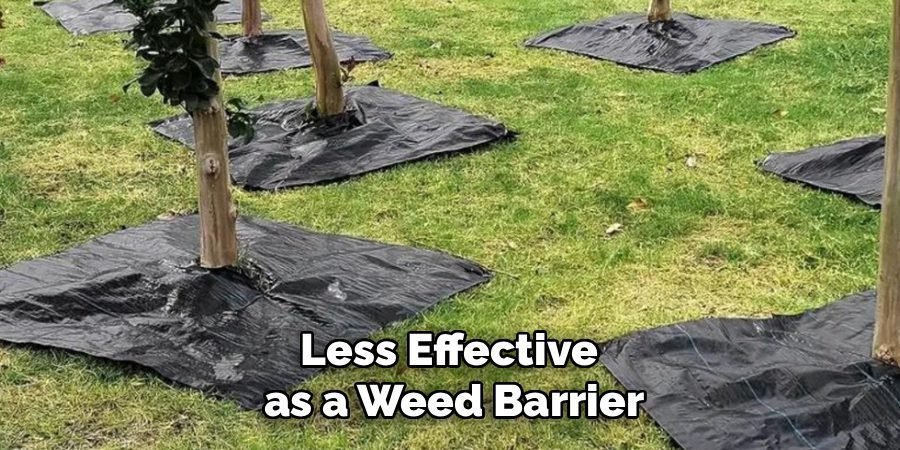
Once the ground is clear, a physical barrier is an excellent long-term solution. Laying down a high-quality, permeable landscape fabric over the cleared soil will block sunlight from reaching any dormant weed seeds, preventing them from germinating. Unroll the fabric and cut a hole in the center for the tree trunk, as well as slits to fit it snugly around the base. This material allows water and air to pass through to the tree’s roots but physically stops weeds from pushing their way to the surface, offering a durable and low-maintenance defense.
Step 3: Add a Thick Layer of Mulch
Mulch is a gardener’s best friend. After laying your landscape fabric, cover it with a two-to-four-inch layer of organic mulch, such as wood chips, shredded bark, or pine straw. This layer serves multiple purposes: it further blocks sunlight from any determined weed seeds, helps the soil retain moisture, regulates soil temperature, and adds nutrients to the soil as it decomposes. A well-mulched tree ring also creates a neat, professional appearance in your garden. This simple addition is a key part of your weed prevention strategy.
Step 4: Keep Mulch Away from the Tree Trunk
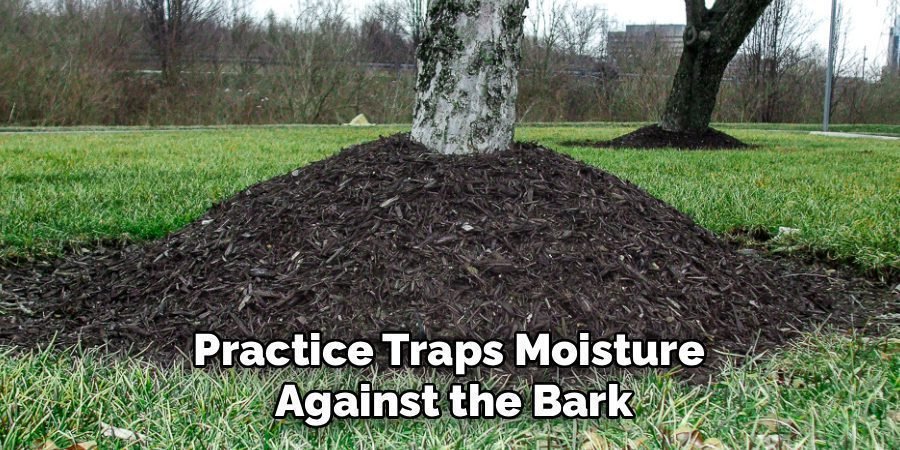
While mulch is incredibly beneficial, it’s crucial to apply it correctly. Avoid the common mistake of piling mulch directly against the tree trunk, often called “volcano mulching.” This practice traps moisture against the bark, which can lead to rot, fungal diseases, and insect infestations. It can also encourage the tree to grow girdling roots that can strangle it over time. Always leave a gap of at least three to six inches between the mulch and the trunk to ensure proper air circulation and keep the bark dry and healthy.
Step 5: Install a Border or Edging
Defining the mulched area with a border or edging not only adds a clean, decorative finish but also serves a practical function. Materials like plastic, metal, stone, or brick edging create a physical barrier that helps keep the mulch contained and prevents grass from creeping into the tree ring from the surrounding lawn. This defined edge makes mowing easier, as it provides a clear line to follow and protects the tree trunk from accidental damage from a lawnmower or string trimmer, which can be devastating to a tree’s health.
Step 6: Apply Pre-Emergent Herbicides in Spring
For those who need extra reinforcement, pre-emergent herbicides can be a powerful tool. These products are designed to be applied to the soil before weed seeds start to germinate, typically in early spring. They work by creating a chemical barrier that inhibits seed sprouting without harming established plants like your tree. Be sure to choose a product that is safe for use around trees and follow the application instructions precisely. Applying a pre-emergent on top of cleared soil before adding mulch can provide season-long control over annual weeds.
Step 7: How to Prevent Weeds Around Trees with Regular Maintenance
No weed prevention method is completely foolproof forever. Consistent monitoring is essential for long-term success. Make it a weekly habit to inspect the area around your trees for any new weeds that may have found a way through your defenses. Pull these interlopers by hand as soon as you spot them, before they have a chance to establish deep roots or go to seed. This quick and easy task will prevent a small problem from turning into a major infestation, keeping your tree rings clean with minimal effort.
Step 8: Replenish Mulch Annually
Organic mulch decomposes over time, enriching the soil but also becoming thinner and less effective as a weed barrier. To maintain its benefits, you should plan to replenish the mulch layer annually. In the spring, check the depth of your mulch and add a fresh one-to-two-inch layer to bring it back to its ideal thickness of two to four inches. This simple yearly task ensures your weed barrier remains robust, your soil stays moist, and your trees continue to receive the protective benefits of a proper mulch ring.
Monitor and Maintain Your Trees
Once your trees are properly mulched and cared for, regular monitoring is essential to ensure their long-term health and vitality. Check for signs of pests, disease, or stress, such as discoloration of leaves, unusual bark damage, or stunted growth. Inspect the mulch periodically to ensure it hasn’t compacted or shifted away from the trunk and replenish as needed. Additionally, be mindful of watering needs, especially during dry periods, as consistent hydration is crucial for young and established trees alike. With consistent attention and maintenance, your trees will thrive for years to come.
Frequently Asked Questions (FAQ)
What Is the Best Mulch to Use for Preventing Weeds?
The best mulch for weed suppression is one that is dense enough to block sunlight effectively. Wood chips and shredded bark are excellent choices because they are heavy, interlock well, and decompose slowly, providing long-lasting coverage. Pine straw is another good option, as it is lightweight but forms a thick mat. Avoid using finer materials like sawdust, which can compact and hinder water penetration. For maximum effectiveness, apply a layer that is at least two to four inches deep over the soil or landscape fabric.
Can I Use Vinegar to Kill Weeds Around My Trees?
While household vinegar can kill the tops of young weeds, it is not a long-term solution and should be used with caution. The acetic acid in vinegar is a non-selective contact herbicide, meaning it can damage any plant it touches, including the bark and surface roots of your tree. It also does not kill the roots of perennial weeds, so they will likely grow back. For a safer and more effective approach, stick to hand-pulling for existing weeds and preventative measures like mulching.
How Close to a Tree Can I Spray Weed Killer?
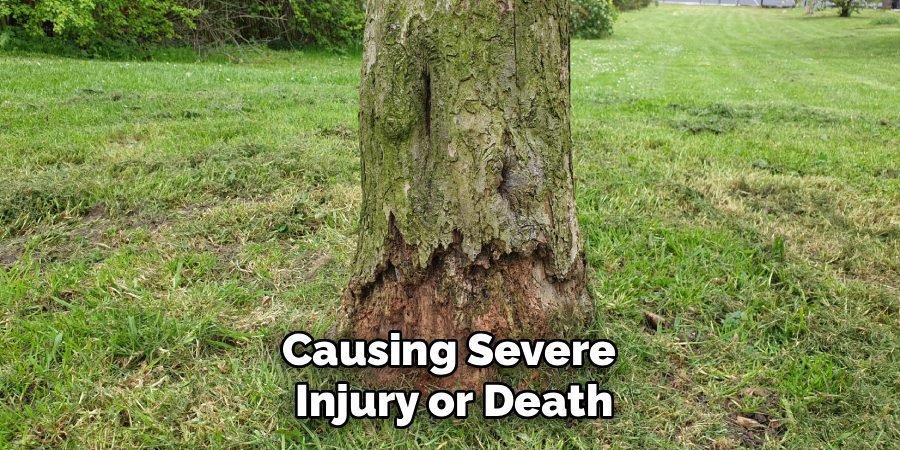
Using chemical weed killers near trees requires extreme care. Many herbicides, especially non-selective ones containing glyphosate, can be absorbed by a tree’s roots, leaves, or even thin bark, causing severe injury or death. If you must use a chemical spray, choose one specifically labeled as safe for use around established trees and shrubs. Never spray on a windy day, and use a shield, like a piece of cardboard, to protect the tree’s trunk and any low-hanging foliage from accidental drift.
Is Landscape Fabric Necessary Under Mulch?
Landscape fabric is not strictly necessary, but it provides an extra layer of defense against aggressive weeds. It is particularly useful for controlling persistent perennial weeds that might otherwise push through a layer of mulch alone. However, some gardeners prefer to mulch directly on the soil to allow for maximum nutrient exchange as the mulch decomposes. If you have relatively low weed pressure and are diligent about pulling any that appear, you can certainly skip the fabric. For a low-maintenance solution, the fabric is highly recommended.
How Do I Stop Grass from Growing Around My Trees?
Stopping grass from encroaching on your tree ring requires creating a distinct physical barrier. The most effective method is to install lawn edging around the perimeter of the mulched area. This creates a boundary that grass roots cannot easily cross. Another technique is to maintain a crisp edge by periodically using a spade or an edger tool to cut a clean line between the lawn and the mulch bed. Regularly pulling any blades of grass that manage to sprout in the mulch will also prevent it from taking over.
Conclusion
Creating a pristine, weed-free environment for your trees is an achievable goal that pays dividends in tree health and garden beauty. By clearing the area, applying a thick layer of mulch, and performing regular maintenance, you can effectively suppress unwanted growth. These simple yet powerful techniques are the foundation of understanding how to prevent weeds around trees. Taking these steps not only enhances the look of your landscape but also invests in the long-term strength and vitality of your trees, ensuring they remain a cherished part of your garden for years to come.

About Ravuk Barg
B.Sc. Horticulture Science | Certified Master Gardener
Ravuk Barg has spent more than a decade with his hands in the soil and his head full of questions about why some gardens thrive while others struggle. What started as a single raised bed of tomatoes and basil in a modest backyard has grown into a deep, working knowledge of everything from seed germination and soil amendment to companion planting and seasonal pruning.
Over the years, Ravuk has gardened through drought summers, waterlogged springs, and pest invasions that would make most gardeners hang up their trowels for good. Those hard seasons, he’ll tell you, taught him more than any perfect growing year ever could. He writes from that earned experience—covering vegetable growing, ornamental planting, houseplant care, composting, and garden design with equal confidence and curiosity.
Philosophy & Approach
Ravuk’s approach to gardening is rooted in practicality. He favors organic methods not out of dogma, but because they work long-term—resulting in healthier soil, fewer inputs, and stronger plants. He has a particular fondness for heirloom vegetable varieties (the kind with proper flavor), unruly cottage-style flower beds, and the stubborn houseplants that everyone else gave up on.
The Mission: Give readers the honest, experience-backed advice that helps them actually succeed in their gardens—not just the ideal version, but the real one; weeds, failures, and all.
Education & Credentials
-
B.Sc. in Horticulture Science
-
Greenfield Agricultural University
-
Focus: Plant Physiology, Soil Ecology, and Sustainable Crop Production
-
-
Master Gardener Certification
-
Cooperative Extension Service
-
Focus: 200+ hours of hands-on practical training and community garden work
-
Continuing Education
-
Organic Pest Management
-
Native Plant Landscaping
-
Sustainable Crop Production