

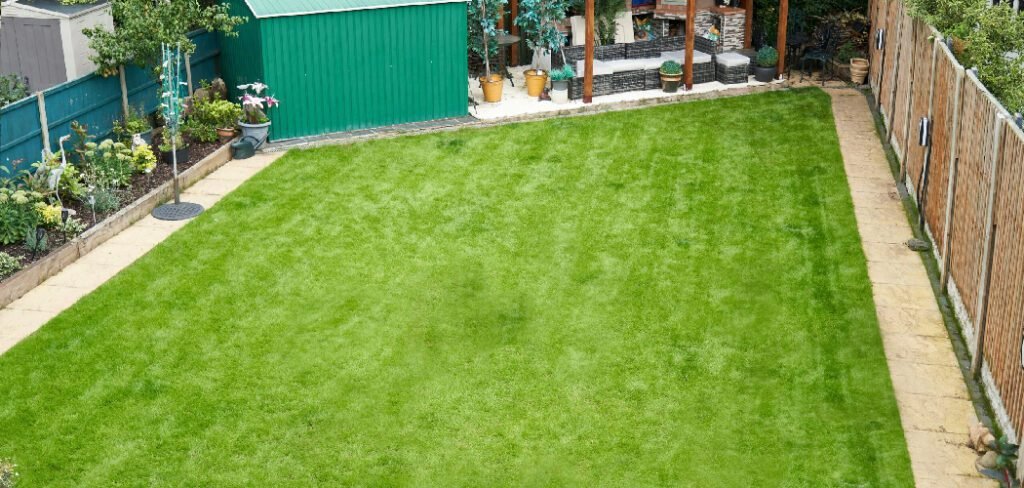
A vibrant, dark green lawn is the centerpiece of a beautiful home landscape. It signals health, care, and attention to detail. Many homeowners dream of this rich, emerald carpet but often feel it’s out of reach, reserved for professional groundskeepers. The truth is, achieving that deep green color is entirely possible with the right knowledge and techniques. This guide will walk you through the essential steps, from understanding your soil to proper watering and mowing. We will provide a clear, beginner-friendly roadmap on how to make lawn dark green, transforming your yard into a lush oasis you can be proud of.
Why a Dark Green Lawn Matters
Beyond simple aesthetics, a dark green lawn is a strong indicator of its overall health and vitality. The deep green color comes from high levels of chlorophyll, the pigment plants use to convert sunlight into energy through photosynthesis. When your grass is a rich shade of green, it means the blades are photosynthesizing efficiently, creating plenty of food for strong root development and robust growth. This makes your lawn more resilient against stressors like drought, heat, pests, and diseases. A healthy, dense lawn also outcompetes weeds for resources, naturally reducing their presence.
It also contributes positively to the environment by cooling the air, filtering pollutants, and preventing soil erosion.
8 Step-by-Step Guide on How to Make Lawn Dark Green
Step 1: Test Your Soil
The first step toward a healthier lawn is understanding your soil. A soil test reveals its pH level and nutrient deficiencies. Grass thrives in soil with a pH between 6.0 and 7.0. If your soil is too acidic or alkaline, your grass cannot effectively absorb nutrients, no matter how much you fertilize. You can purchase a simple DIY soil test kit or send a sample to your local cooperative extension service for a more detailed analysis. The results will provide specific recommendations for amendments, such as lime to raise the pH or sulfur to lower it.

Step 2: Choose the Right Grass Seed
Not all grass types are created equal, and some are naturally a darker shade of green than others. For cool-season lawns, varieties like Kentucky Bluegrass and Perennial Ryegrass are known for their deep, rich color. For warm-season climates, Zoysia and certain Bermuda grass hybrids offer a beautiful dark green appearance. If you are overseeding an existing lawn, choose a seed blend that complements your current grass type. Selecting a high-quality seed adapted to your climate zone is a fundamental step in building a lawn that is both beautiful and resilient.
Step 3: Fertilize Correctly with Nitrogen
Nitrogen is the key nutrient responsible for the lush, green growth in grass blades. To achieve a dark green color, you need to apply a fertilizer with an adequate amount of nitrogen. Look for fertilizers where the first number in the N-P-K ratio is the highest. Slow-release nitrogen fertilizers are often the best choice, as they provide a steady supply of nutrients over several weeks, preventing sudden growth spurts and reducing the risk of burning the lawn. Apply fertilizer according to the package directions, typically every 6-8 weeks during the growing season.
Step 4: Add Iron for a Deeper Green
While nitrogen is essential, iron is the secret weapon for an exceptionally dark green lawn. Iron plays a crucial role in chlorophyll production, and a deficiency can cause the grass to look yellow or pale. Many lawn fertilizers include iron, but you can also apply an iron-only supplement, often in liquid form. Be careful when applying iron supplements, as they can stain concrete surfaces like driveways and sidewalks. Applying a product like iron sulfate or chelated iron will give your lawn a rapid, noticeable boost in color, making it look incredibly rich and deep.

Step 5: Master Proper Mowing Techniques
How you mow has a significant impact on your lawn’s health and color. It’s best to mow high, setting your mower to one of the highest settings for your grass type, typically around 3-4 inches. Taller grass develops a deeper root system, which helps it access more water and nutrients. It also shades the soil, preventing weed seeds from germinating. Ensure your mower blades are sharp; a sharp blade makes a clean cut, whereas a dull blade tears the grass, leaving it susceptible to disease and causing a brownish tint on the tips.
Step 6: Water Deeply and Infrequently
Proper watering encourages deep root growth, which is vital for a healthy, green lawn. Instead of light, daily watering, irrigate your lawn deeply one or two times per week. The goal is to moisten the soil to a depth of 6-8 inches. This practice trains the roots to grow deeper in search of water, making the lawn more drought-tolerant. The best time to water is in the early morning, which minimizes evaporation and allows the grass blades to dry before nightfall, reducing the risk of fungal diseases.
Step 7: Improve Soil with Core Aeration
Over time, soil can become compacted from foot traffic and mowing. Compacted soil restricts the flow of air, water, and nutrients to the grassroots, leading to poor growth and a pale appearance. Core aeration is the process of pulling small plugs of soil out of the lawn. This process relieves compaction and allows essential elements to reach the root zone. Aerating your lawn once a year, either in the spring or fall, is a crucial part of learning how to make lawn dark green by ensuring the foundation of your turf is healthy.
Step 8: Overseed to Fill in Bare Patches
A dense lawn looks darker and healthier. If your lawn has thin or bare spots, overseeding can help fill them in, creating a thicker, more uniform turf. The best time to overseed is in the early fall for cool-season grasses and late spring for warm-season grasses. After mowing short and raking the area to loosen the soil, spread the grass seed evenly. Lightly rake the seed into the soil and keep the area consistently moist until the new grass is established. This will improve turf density and enhance its overall color.

Aerate the Soil
Aerating your lawn is an essential step to promote healthy grass growth. This process involves perforating the soil with small holes to allow air, water, and nutrients to penetrate the grassroots more effectively. Aeration helps alleviate soil compaction, which can restrict root development and reduce the availability of essential nutrients. It is best to aerate during the growing season when the grass can heal and fill in any open areas left by the aeration process. For cool-season grasses, early fall is an ideal time, while late spring works best for warm-season grasses. After aerating, consider applying fertilizer or overseeding for even better results.
Frequently Asked Questions (FAQ)
How Quickly Can I Make My Lawn Dark Green?
You can often see a noticeable difference in just a few days to a week after applying a nitrogen-rich fertilizer or an iron supplement. Liquid applications tend to work faster than granular ones. However, for long-lasting, deep green color that signifies true lawn health, it will take consistent care over a full growing season. Following all the steps, including proper watering, mowing, and soil care, will create sustainable results rather than just a temporary cosmetic fix.
Can I Make My Lawn Greener Without Using Chemicals?
Absolutely. You can achieve a greener lawn using organic methods. Start by using organic fertilizers like compost, manure, or specially formulated organic lawn foods. These release nutrients slowly and improve soil structure. Milorganite is a popular organic choice known for its slow-release nitrogen and iron content. Core aeration and overseeding with a high-quality grass seed are also non-chemical methods that significantly improve lawn density and color over time by creating a healthier growing environment.

Why Is My Neighbor’s Lawn Greener Than Mine?
Several factors could contribute to this. Your neighbor might be using a different type of grass seed that is naturally darker green. They could also have a more diligent fertilization schedule, particularly one that includes iron supplements. Soil type also plays a huge role; their soil might have a better pH balance or be less compacted. Finally, their watering and mowing practices might be better aligned with what the grass needs to thrive. A friendly chat might reveal some of their lawn care secrets!
Will Painting My Lawn Make It Green?
Lawn paint is a temporary, cosmetic solution that can instantly make your lawn look green. It’s often used on dormant warm-season grasses in the winter or to cover up spots damaged by drought or pests. While it provides an immediate visual improvement, it does nothing to improve the underlying health of the grass. It is simply a dye that coats the grass blades. For a genuinely healthy and vibrant lawn, you need to address the root causes of discoloration through proper nutrition, watering, and soil management.
Does Grass Type Affect How Green My Lawn Can Get?
Yes, grass type is one of the most significant factors. Some grass species and cultivars are genetically predisposed to have a darker green color. For example, Kentucky Bluegrass and certain fine fescues are known for their deep, blue-green hue. In contrast, some other grasses, like Centipede grass, naturally have a lighter, apple-green color. When selecting grass seed, research different varieties that are well-suited to your climate and also known for their rich color if that is your primary goal.
Conclusion
Creating a deep green lawn is a rewarding process that combines a bit of science with consistent care. By testing your soil, choosing the right grass, and implementing a smart fertilization plan that includes both nitrogen and iron, you are well on your way. Pairing these efforts with proper mowing, deep watering, and annual aeration will build a resilient and beautiful turf from the ground up. Don’t be discouraged if it takes time; sustainable health is the goal. By following these steps, you now have the knowledge of how to make lawn dark green and enjoy the benefits of a stunning, healthy yard.

About Ravuk Barg
B.Sc. Horticulture Science | Certified Master Gardener
Ravuk Barg has spent more than a decade with his hands in the soil and his head full of questions about why some gardens thrive while others struggle. What started as a single raised bed of tomatoes and basil in a modest backyard has grown into a deep, working knowledge of everything from seed germination and soil amendment to companion planting and seasonal pruning.
Over the years, Ravuk has gardened through drought summers, waterlogged springs, and pest invasions that would make most gardeners hang up their trowels for good. Those hard seasons, he’ll tell you, taught him more than any perfect growing year ever could. He writes from that earned experience—covering vegetable growing, ornamental planting, houseplant care, composting, and garden design with equal confidence and curiosity.
Philosophy & Approach
Ravuk’s approach to gardening is rooted in practicality. He favors organic methods not out of dogma, but because they work long-term—resulting in healthier soil, fewer inputs, and stronger plants. He has a particular fondness for heirloom vegetable varieties (the kind with proper flavor), unruly cottage-style flower beds, and the stubborn houseplants that everyone else gave up on.
The Mission: Give readers the honest, experience-backed advice that helps them actually succeed in their gardens—not just the ideal version, but the real one; weeds, failures, and all.
Education & Credentials
-
B.Sc. in Horticulture Science
-
Greenfield Agricultural University
-
Focus: Plant Physiology, Soil Ecology, and Sustainable Crop Production
-
-
Master Gardener Certification
-
Cooperative Extension Service
-
Focus: 200+ hours of hands-on practical training and community garden work
-
Continuing Education
-
Organic Pest Management
-
Native Plant Landscaping
-
Sustainable Crop Production