

There’s nothing quite like the taste of a homegrown strawberry, warm from the sun. For many home gardeners, the journey to a successful harvest is incredibly rewarding. However, it can be disheartening to see your beautiful berries succumb to rot before you even get a chance to pick them. This common problem often happens when the fruit makes direct contact with damp soil.
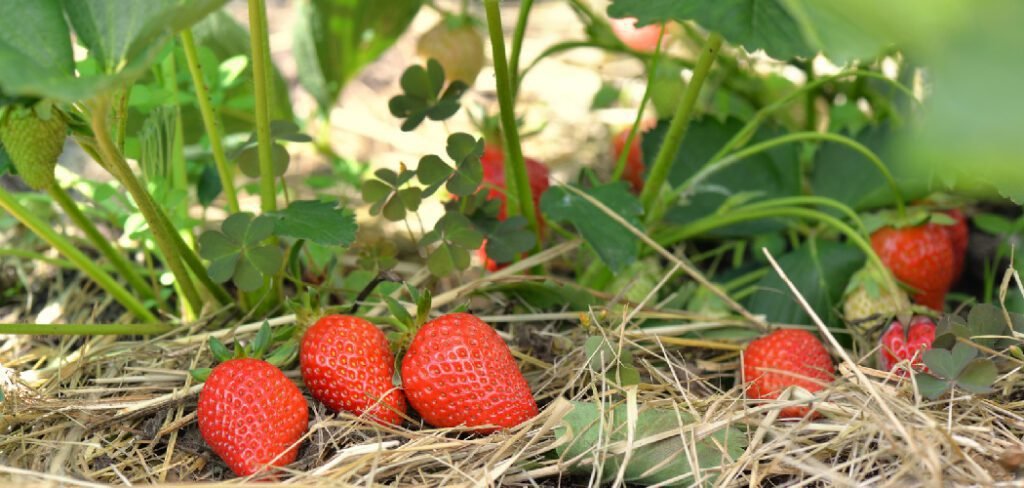
Fortunately, learning how to keep strawberries from rotting on the ground is easier than you might think. With a few simple techniques and a little attention, you can protect your precious crop and ensure a bountiful, delicious harvest year after year. This guide will walk you through everything you need to know, from preparing your garden bed to providing the right care for your plants.
Why Preventing Ground Rot Is Crucial
Protecting your strawberries from ground rot isn’t just about saving a few berries; it’s about safeguarding your entire harvest and promoting the long-term health of your strawberry patch. When strawberries rest on damp soil, they become an easy target for fungi, molds, and pests. Moisture creates the perfect breeding ground for diseases like gray mold (Botrytis cinerea), which can spread rapidly from one berry to another, wiping out a significant portion of your crop in a short time.
Furthermore, pests such as slugs, snails, and pill bugs are attracted to the cool, damp conditions under the plant’s foliage. By elevating the fruit, you not only keep it clean and dry but also improve air circulation, making your plants less susceptible to these common garden frustrations. A little prevention goes a long way in ensuring your efforts result in sweet success.
8 Step Methods Guide on How to Keep Strawberries from Rotting on the Ground
Step 1: Prepare the Soil and Planting Site
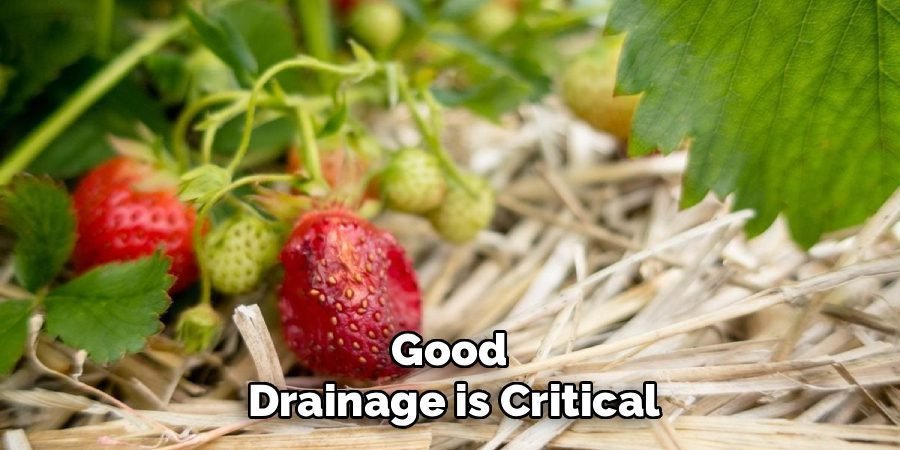
Proper site preparation is the foundation of a healthy strawberry patch. Choose a location that receives at least six to eight hours of direct sunlight daily. Strawberries thrive in well-draining, slightly acidic soil with a pH between 5.5 and 6.8. Before planting, amend your soil with plenty of organic matter, such as compost or well-rotted manure. This improves drainage and provides essential nutrients. Good drainage is critical, as it prevents water from pooling around the plant’s crown and roots, which is a primary contributor to rot.
Step 2: Utilize Raised Beds or Mounded Rows
One of the most effective ways to combat ground rot is to plant your strawberries in raised beds or mounded rows. Elevating the planting area physically lifts the entire plant, including its fruit, away from the consistently damp ground. Raised beds naturally offer superior drainage and warm up faster in the spring, promoting earlier growth. If you prefer planting in the ground, create mounded rows that are about 8-10 inches high. This simple elevation allows excess water to run off and improves air circulation around the base of the plants.
Step 3: Apply a Generous Layer of Mulch
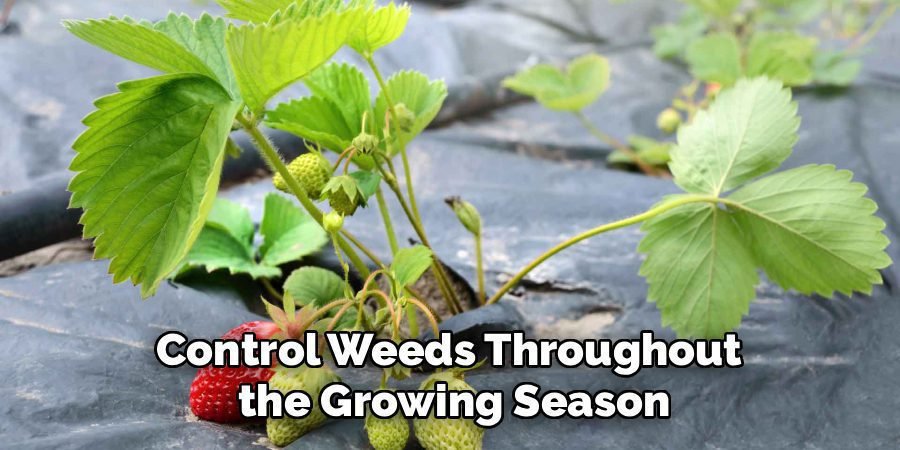
Mulching is a gardener’s best friend when it comes to growing strawberries. Applying a 1- to 2-inch layer of organic mulch, such as straw, pine needles, or shredded leaves, creates a clean, dry barrier between the developing fruit and the soil. Straw is the traditional and ideal choice—so much so that it’s in the berry’s name! This barrier not only prevents the berries from resting on damp earth but also helps suppress weeds, retain soil moisture, and regulate soil temperature. Apply the mulch around the plants after they have been established.
Step 4: Ensure Proper Plant Spacing
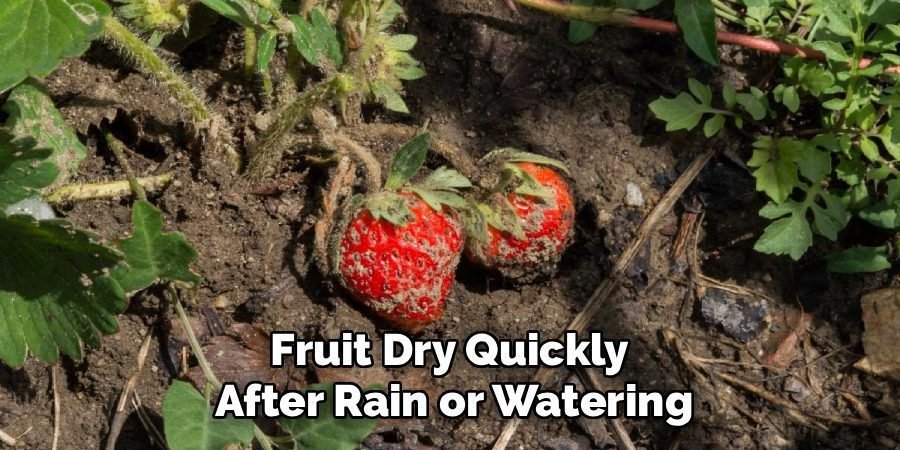
Overcrowding is a major contributor to poor air circulation, which traps moisture and encourages fungal diseases. When planting your strawberries, be sure to follow the spacing recommendations for your specific variety. Typically, this means spacing plants about 12-18 inches apart in rows that are 2-3 feet apart. This gives each plant ample room to grow and spread its leaves, allowing air to move freely through the patch. Good airflow helps foliage and fruit dry quickly after rain or watering, significantly reducing the risk of rot.
Step 5: Water Correctly at the Base of the Plant
Your watering technique can make a huge difference. Avoid using overhead sprinklers, which wet the leaves and fruit, creating a perfect environment for fungal growth. Instead, use a soaker hose or drip irrigation system to deliver water directly to the soil at the base of the plants. Water in the morning so that any moisture on the plant has time to evaporate in the sun. This targeted approach keeps the root system hydrated while the fruit and foliage remain dry, directly addressing one of the core issues of berry rot.
Step 6: Prune and Thin Your Strawberry Patch
Regular maintenance is key. As the season progresses, strawberry plants will send out runners, which are new plants that can quickly lead to an overcrowded patch. Thinning these runners helps maintain proper spacing and directs the parent plant’s energy toward producing larger, healthier fruit instead of more foliage. Additionally, remove any old, dead, or diseased leaves from the plants. This improves air circulation even further and removes potential sources of fungal spores, keeping your patch clean and healthy throughout the growing season.
Step 7: Consider Using Strawberry Supports
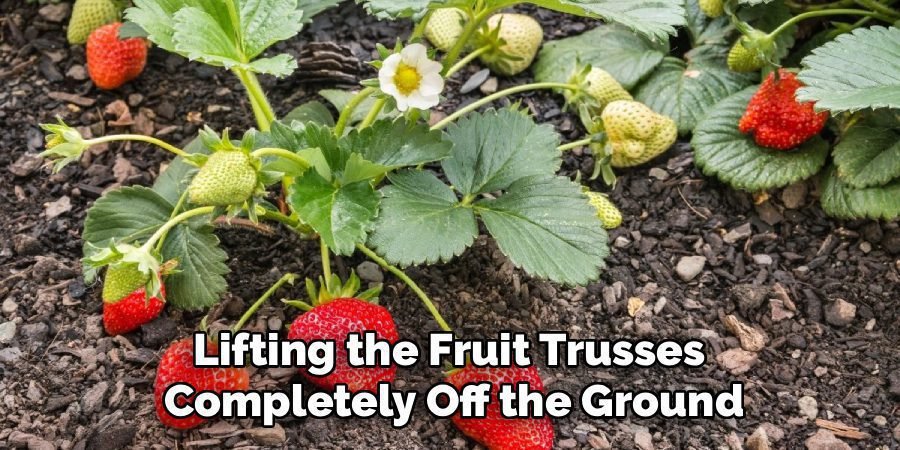
For an extra layer of protection, you can use commercially available strawberry supports or cradles. These simple plastic devices are designed to encircle the base of the plant, lifting the fruit trusses completely off the ground. They are easy to install around young plants and provide an effective physical barrier that keeps berries clean, dry, and away from soil-borne pests and diseases. While not a necessity if you mulch properly, they offer excellent insurance for gardeners who have persistent issues with rot. This is a great solution for how to keep strawberries from rotting on the ground.
Step 8: Harvest Berries Promptly and Regularly
Finally, don’t let ripe berries linger on the vine. Harvest your strawberries as soon as they are fully red. Overripe fruit is soft and highly susceptible to mold, and once one berry starts to rot, the spores can spread quickly to nearby fruit. Check your patch every day or two during the peak of the season. Regular harvesting not only ensures you get the best-tasting fruit but also removes potential rot sources before they can cause a widespread problem in your garden.
Frequently Asked Questions (FAQ)
What Is the Best Mulch to Use for Strawberries?
The best and most traditional mulch for strawberries is straw. It’s lightweight, allows water to pass through to the soil, and creates a soft, clean bed for the fruit to rest on. It also helps suppress weeds and insulates the soil. Pine needles are another excellent option, as they are slightly acidic and break down slowly. Avoid using wood chips or sawdust, as they can tie up nitrogen in the soil as they decompose, which can hinder plant growth.
How Often Should I Replace the Mulch in My Strawberry Patch?
You should apply a fresh layer of mulch each spring as the plants begin to show new growth. If you are growing strawberries as perennials, it’s a good practice to remove the old mulch at the end of the season or in late winter to clear away any overwintering pests or disease spores. A fresh 1- to 2-inch layer each year is usually sufficient to protect the fruit, conserve moisture, and control weeds throughout the growing season.
Can I Grow Strawberries in Containers to Prevent Rot?
Yes, growing strawberries in containers, hanging baskets, or strawberry pots is an excellent way to prevent ground rot. This method naturally elevates the fruit, ensuring it hangs down away from the soil. Air circulation is fantastic, which further reduces the risk of fungal diseases. Just be sure to use a quality potting mix and remember that containers dry out faster than garden beds, so you will need to monitor your watering schedule more closely, especially during hot weather.
Why Are My Strawberries Rotting Before They Ripen?
Strawberries rotting before they are ripe is often a sign of gray mold, also known as Botrytis fruit rot. This fungal disease thrives in cool, damp, and humid conditions. It can infect the blossoms and then remain dormant until the fruit begins to develop. The issue is made worse by poor air circulation from overcrowding, overhead watering, and fruit touching wet soil. Following the prevention steps, such as mulching, proper watering, and good spacing, is the best defense.
Should I Remove Rotted Strawberries From the Plant?
Absolutely. It is crucial to remove any rotten or moldy strawberries from the plant and the ground as soon as you spot them. Fungal diseases like gray mold spread through spores, and leaving infected fruit in the patch allows the disease to multiply and infect healthy blossoms and berries. Dispose of the rotted fruit in the trash, not in your compost pile, to prevent the disease from spreading further in your garden.
Conclusion
A bountiful harvest of sweet, juicy strawberries is one of gardening’s greatest rewards. While the threat of fruit rot can be a common frustration, it is entirely preventable with the right knowledge and techniques. By preparing your soil, elevating your plants, using a protective layer of mulch, and practicing good garden hygiene, you create an environment where your berries can thrive.
These simple adjustments make a significant difference in the health and productivity of your patch. Now that you know how to keep strawberries from rotting on the ground, you are well-equipped to protect your crop and enjoy every last delicious berry your garden produces.

About Ravuk Barg
B.Sc. Horticulture Science | Certified Master Gardener
Ravuk Barg has spent more than a decade with his hands in the soil and his head full of questions about why some gardens thrive while others struggle. What started as a single raised bed of tomatoes and basil in a modest backyard has grown into a deep, working knowledge of everything from seed germination and soil amendment to companion planting and seasonal pruning.
Over the years, Ravuk has gardened through drought summers, waterlogged springs, and pest invasions that would make most gardeners hang up their trowels for good. Those hard seasons, he’ll tell you, taught him more than any perfect growing year ever could. He writes from that earned experience—covering vegetable growing, ornamental planting, houseplant care, composting, and garden design with equal confidence and curiosity.
Philosophy & Approach
Ravuk’s approach to gardening is rooted in practicality. He favors organic methods not out of dogma, but because they work long-term—resulting in healthier soil, fewer inputs, and stronger plants. He has a particular fondness for heirloom vegetable varieties (the kind with proper flavor), unruly cottage-style flower beds, and the stubborn houseplants that everyone else gave up on.
The Mission: Give readers the honest, experience-backed advice that helps them actually succeed in their gardens—not just the ideal version, but the real one; weeds, failures, and all.
Education & Credentials
-
B.Sc. in Horticulture Science
-
Greenfield Agricultural University
-
Focus: Plant Physiology, Soil Ecology, and Sustainable Crop Production
-
-
Master Gardener Certification
-
Cooperative Extension Service
-
Focus: 200+ hours of hands-on practical training and community garden work
-
Continuing Education
-
Organic Pest Management
-
Native Plant Landscaping
-
Sustainable Crop Production