

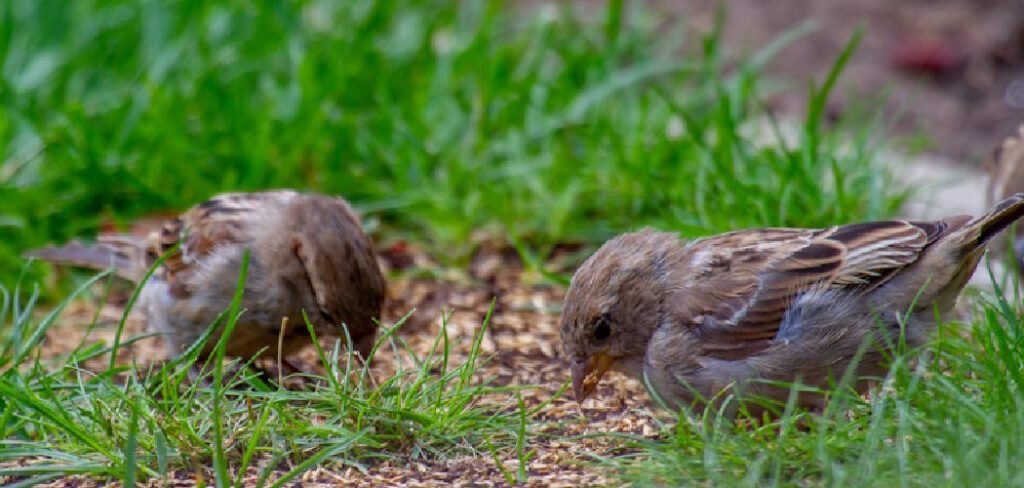
You’ve spent the weekend preparing your soil, spreading fertilizer, and carefully sowing new grass seed. You envision a lush, green carpet of turf in just a few weeks. But then, you spot the problem: flocks of birds descending on your lawn, treating your hard work like an all-you-can-eat buffet. This is a common frustration for home gardeners, but don’t worry. There are several effective methods for keeping your seeds safe until they germinate. This guide will walk you through exactly how to protect new grass seed from birds, ensuring your efforts lead to a beautiful, thriving lawn.
Why You Must Protect Your New Grass Seed
Protecting your newly sown grass seed is a critical step in establishing a healthy lawn. Birds are naturally drawn to the seeds you’ve spread, viewing them as an easy and abundant food source. If left unchecked, they can consume a significant portion of your seed before it has a chance to germinate. This leads to patchy, uneven growth and can completely undermine your lawn care efforts. By taking proactive steps to shield the seeds, you ensure a higher germination rate, which results in a thicker, more uniform lawn. This initial protection saves you time, money, and the disappointment of having to reseed bare spots.
7 Step-by-Step Guide on How to Protect New Grass Seed from Birds
Step 1: Prepare Your Seedbed Properly
Proper soil preparation is your first line of defense. Before you even think about scattering seed, till the soil to a depth of several inches. This loosens the ground, making it easier for seeds to settle in rather than sitting exposed on the surface. A well-prepared seedbed encourages seeds to make good contact with the soil, hiding them from the prying eyes of hungry birds. Rake the area until it is smooth and level, removing any large clumps, rocks, or debris that might prevent the seed from embedding itself securely.
Step 2: Cover the Seed with a Top Dressing
After sowing, apply a thin layer of top dressing over the seeds. This can be compost, quality topsoil, or a peat moss mixture. A light covering, about one-quarter of an inch deep, is enough to conceal the seeds from birds while still allowing sunlight and water to reach them for germination. This simple step not only hides the food source but also helps retain moisture in the soil, which is crucial for the sprouting process. Be careful not to apply too thick a layer, as this can smother the seeds and prevent them from growing.
Step 3: Use Mulch or Straw for Coverage
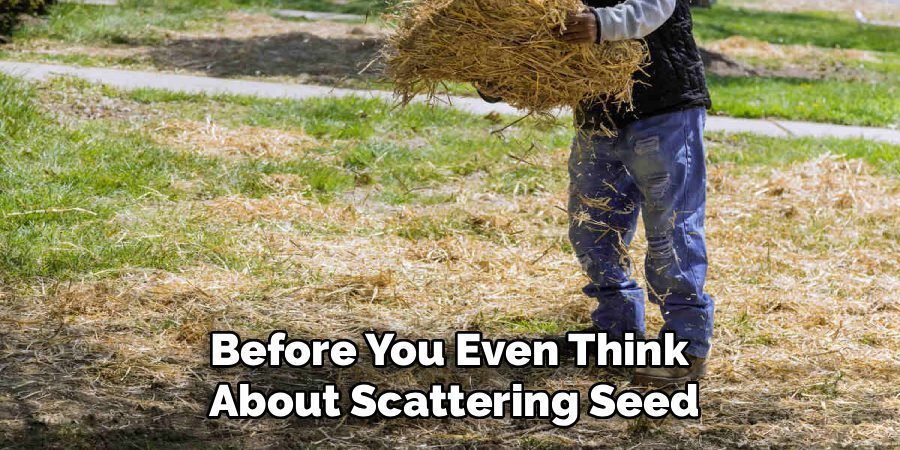
Spreading a light layer of straw mulch is one of the most popular and effective methods. The straw creates a protective blanket over your lawn, making it difficult for birds to see or access the seeds underneath. It also helps keep the soil moist and regulate its temperature, creating an ideal environment for germination. Use one bale of clean, seed-free straw for every 1,000 square feet. Shake it out loosely across the seeded area. You should still be able to see about half of the soil through the straw covering.
Step 4: How to Protect New Grass Seed from Birds with Netting
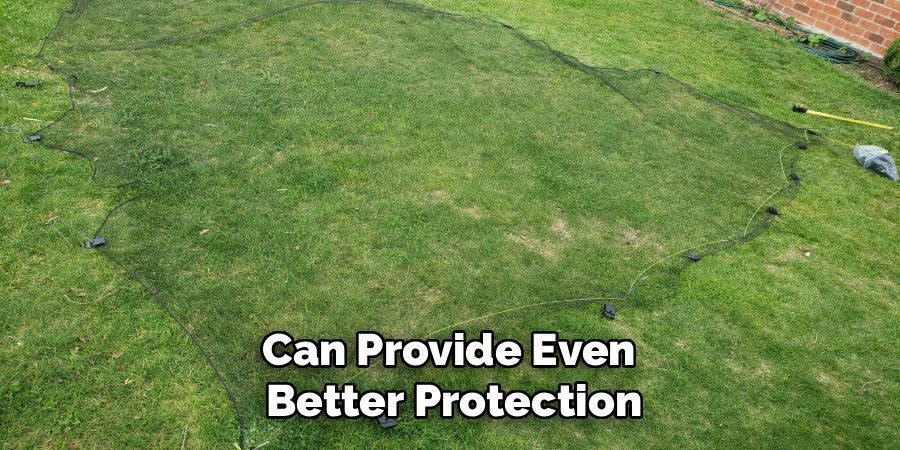
For foolproof protection, install bird netting over the entire seeded area. You can purchase lightweight plastic or fabric netting designed specifically for this purpose. Use stakes to elevate the netting a few inches above the ground, creating a tent-like barrier. This prevents birds from landing directly on the lawn while allowing air, water, and sunlight to pass through freely. Ensure the netting is secured tightly around the edges to prevent birds from getting underneath. This physical barrier is a highly reliable way to safeguard your investment.
Step 5: Install Scare Devices
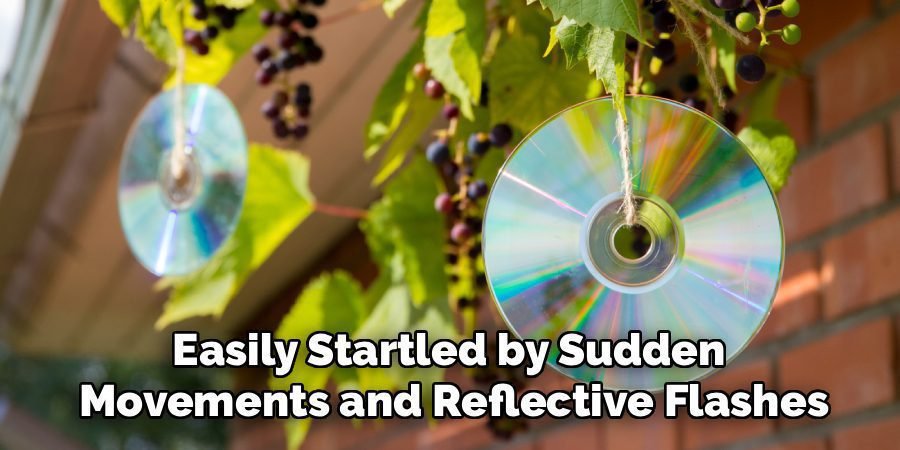
Birds are easily startled by sudden movements and reflective flashes. You can create a less inviting environment by placing scare devices around your yard. Options include reflective scare tape that flutters in the wind, old CDs hanging from strings, or pinwheels that spin and catch the light. For a more advanced solution, consider motion-activated sprinklers. These devices detect movement and release a brief, harmless spray of water, which is highly effective at deterring birds without harming them. The key is to create an unpredictable and unsettling atmosphere for them.
Step 6: Use Decoy Predators
Birds have natural predators, and you can use this to your advantage. Placing realistic decoys of owls, hawks, or even snakes around the seeded area can be an effective deterrent. For the best results, choose decoys that have moving parts, like a head that swivels in the wind, as this makes them appear more lifelike. It’s important to move the decoys every couple of days. Birds are intelligent and will quickly realize a decoy is fake if it remains in the same spot for too long.
Step 7: Apply a Bird Repellent Seed Coating
Some grass seeds come pre-treated with a bird repellent coating. This coating gives the seed a taste that birds find unpleasant, encouraging them to look for food elsewhere. These products are non-toxic and specifically designed to deter birds without harming them or other wildlife. If your preferred seed doesn’t have a coating, you can purchase liquid or granular bird repellents to apply over your lawn after seeding. This is a great supplemental strategy to use with other physical deterrents for maximum protection.
Keep the Area Consistently Moist
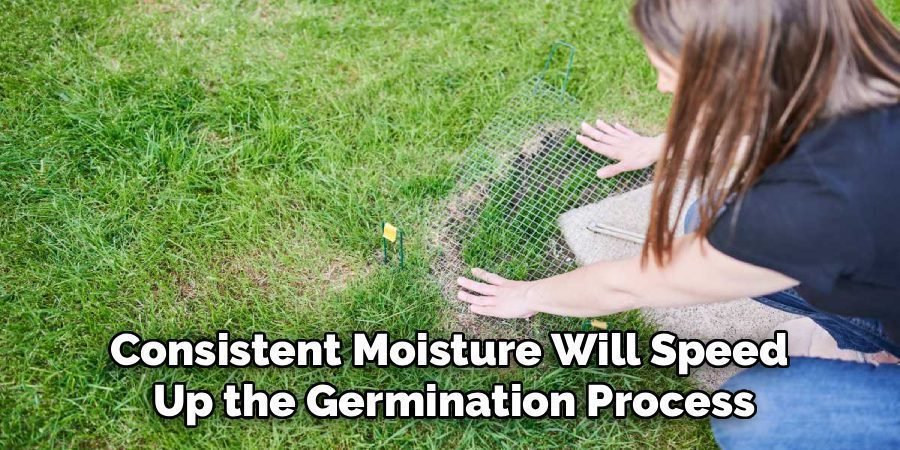
Watering your new lawn correctly not only aids germination but also helps protect the seeds. A consistently moist soil surface encourages the seeds to embed themselves more quickly. It also makes the ground less appealing for birds that prefer to forage in dry, loose dirt. Water lightly several times a day to keep the top inch of soil damp but not waterlogged. This consistent moisture will speed up the germination process, reducing the window of time when the seeds are vulnerable to birds.
Maintenance
Once your lawn has germinated and begun to grow, proper maintenance is essential to encourage healthy and robust grass. Gradually reduce the frequency of watering while increasing the volume of water to promote deeper root growth. Mow the grass when it reaches about 3-4 inches in height, using sharp mower blades to prevent damage. Avoid cutting more than one-third of the grass height in a single mow to ensure the lawn remains healthy and stress-free. Regularly check for weeds and pests, addressing any issues promptly to prevent them from spreading.
With consistent care, your lawn will thrive and provide a lush, green space for years to come.
Frequently Asked Questions (FAQ)
How Long Do I Need to Protect the Grass Seed?
You should protect your grass seed until it has firmly germinated and the new grass shoots are about one to two inches tall. At this stage, the seed has rooted into the soil and is no longer an easy meal for birds. This process typically takes anywhere from one to three weeks, depending on the type of grass, weather conditions, and how well you’ve prepared the area. Once you see a uniform green hue across the lawn, you can begin to remove any netting or scare devices.
Will Birds Eat Grass Seed Covered with Straw?
Covering your seed with a light layer of straw is a highly effective deterrent. While a determined bird might still try to peck through, the straw makes it much more difficult for them to see and access the seeds. It creates a physical and visual barrier that encourages them to move on to easier food sources. For the best results, ensure the straw is spread evenly but not so thickly that it blocks sunlight. Combining straw with other deterrents, like scare tape, can provide even better protection.
Can I Use Burlap to Cover New Grass Seed?
Yes, burlap is an excellent material for covering new grass seed. Similar to netting or straw, it acts as a protective blanket that keeps birds away. Burlap also has the added benefit of retaining moisture extremely well, which helps accelerate germination. Lay the burlap sheets directly on the seeded soil and secure the edges with stakes or rocks. Water the area directly through the burlap. Remove the covering once the grass sprouts begin to push through it, typically within 7 to 14 days.
Do Fake Owls Really Work to Scare Birds Away?
Fake owls can be effective, but their success depends on proper use. Birds are wary of predators, and a realistic-looking owl decoy can initially frighten them away from your lawn. However, birds are also smart. If the decoy remains stationary for too long, they will realize it’s not a real threat. To maintain its effectiveness, you must move the owl to a different location every two to three days. Decoys with moving heads or reflective eyes are generally more convincing and yield better results.
Is There Any Grass Seed That Birds Won’t Eat?
While no grass seed is completely bird-proof, some types are less appealing to them. Many brands now offer seeds coated with a non-toxic repellent. This coating has a flavor that birds dislike, discouraging them from eating it. These products are safe for the birds, your pets, and the environment. When shopping for seed, look for packaging that specifically mentions a bird-repellent coating. This can be a great first step in a multi-pronged approach to protecting your new lawn.
Conclusion
Creating a beautiful lawn from seed is a rewarding project, but it requires a bit of vigilance at the start. Birds are a natural part of the ecosystem, but they don’t have to ruin your landscaping dreams. By preparing your soil correctly, using physical barriers like straw or netting, and employing clever deterrents, you can keep your investment safe. These methods give your seeds the time they need to sprout and take root. Now that you know how to protect new grass seed from birds, you are well-equipped to cultivate the lush, green lawn you’ve been waiting for.

About Ravuk Barg
B.Sc. Horticulture Science | Certified Master Gardener
Ravuk Barg has spent more than a decade with his hands in the soil and his head full of questions about why some gardens thrive while others struggle. What started as a single raised bed of tomatoes and basil in a modest backyard has grown into a deep, working knowledge of everything from seed germination and soil amendment to companion planting and seasonal pruning.
Over the years, Ravuk has gardened through drought summers, waterlogged springs, and pest invasions that would make most gardeners hang up their trowels for good. Those hard seasons, he’ll tell you, taught him more than any perfect growing year ever could. He writes from that earned experience—covering vegetable growing, ornamental planting, houseplant care, composting, and garden design with equal confidence and curiosity.
Philosophy & Approach
Ravuk’s approach to gardening is rooted in practicality. He favors organic methods not out of dogma, but because they work long-term—resulting in healthier soil, fewer inputs, and stronger plants. He has a particular fondness for heirloom vegetable varieties (the kind with proper flavor), unruly cottage-style flower beds, and the stubborn houseplants that everyone else gave up on.
The Mission: Give readers the honest, experience-backed advice that helps them actually succeed in their gardens—not just the ideal version, but the real one; weeds, failures, and all.
Education & Credentials
-
B.Sc. in Horticulture Science
-
Greenfield Agricultural University
-
Focus: Plant Physiology, Soil Ecology, and Sustainable Crop Production
-
-
Master Gardener Certification
-
Cooperative Extension Service
-
Focus: 200+ hours of hands-on practical training and community garden work
-
Continuing Education
-
Organic Pest Management
-
Native Plant Landscaping
-
Sustainable Crop Production