

Japanese knotweed is an invasive plant that can cause serious problems for gardeners and homeowners. Its aggressive root system can grow through concrete, foundations, and paving, leading to costly damage. Originally brought to Europe and North America as an ornamental plant in the 19th century, its rapid growth and resilience make it difficult to control. Knowing how to identify Japanese knotweed early is the most effective way to protect your property.
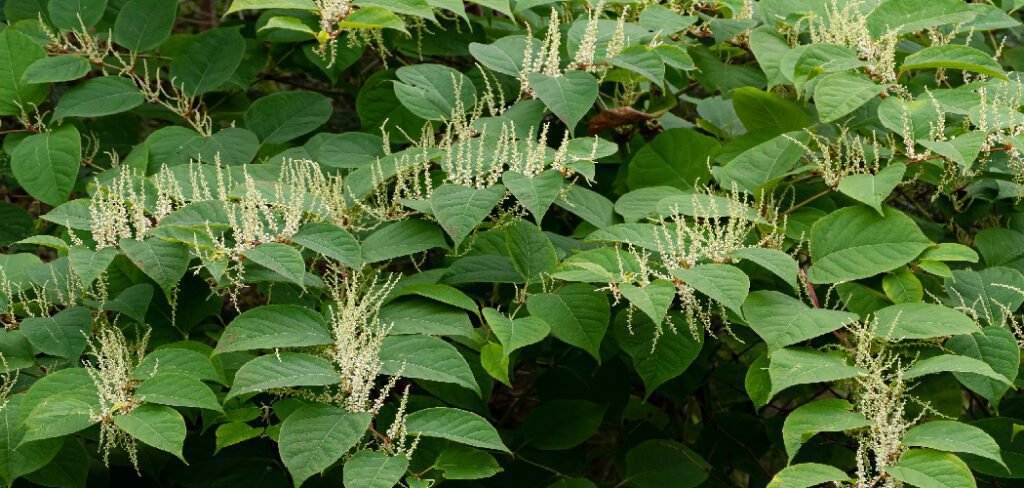
This guide will walk you through the key features to look for throughout the seasons, helping you spot this troublesome intruder before it takes over your garden and becomes a significant issue.
Why Identifying Japanese Knotweed Matters
Understanding the importance of identifying Japanese knotweed cannot be overstated. This invasive species is more than just a garden pest; it’s an ecological and structural threat. Its dense growth suffocates native plants, reducing biodiversity and disrupting local ecosystems. For property owners, the financial implications can be severe. The presence of Japanese knotweed can devalue a property, complicate mortgage applications, and lead to expensive legal disputes with neighbors if it spreads.
Early detection allows for more manageable and less costly removal, preventing the extensive root system from compromising building foundations, drainage systems, and garden walls. Taking action quickly is key to mitigating these risks.
8 Step Methods Guide on How to Identify Japanese Knotweed
Step 1: Look for Red or Purple Shoots in Early Spring
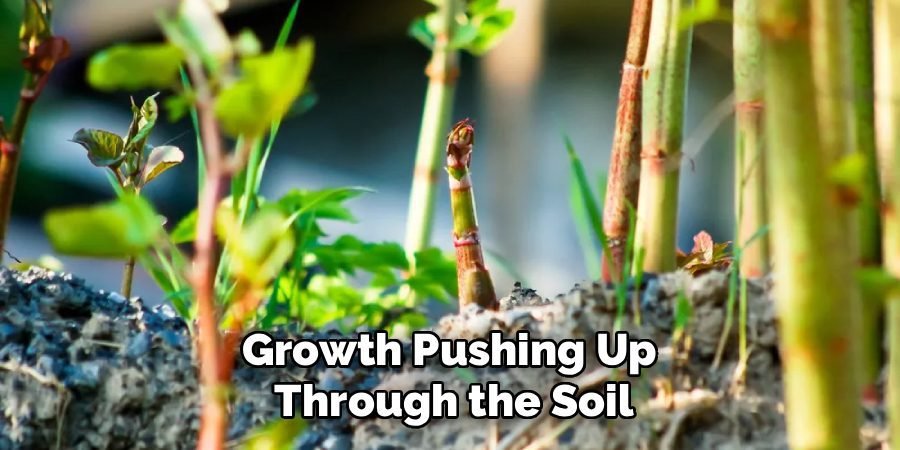
The first signs of Japanese knotweed appear in early spring. Look for new growth pushing up through the soil that resembles red or purple asparagus-like spears. These shoots grow rapidly, sometimes several inches per day. They are often pointed and may have a speckled appearance. As they grow, they will begin to unfurl small, rolled-up leaves. Spotting the plant at this stage is a crucial opportunity for early intervention, as the plant is smaller and its root system is not yet at its full strength for the season.
Step 2: Examine the Distinctive Heart-Shaped Leaves
As the plant matures through spring and into summer, its leaves become one of its most recognizable features. They are bright green, shaped like a heart or a shovel, and have a distinctive flat base where the leaf stem joins. The leaves grow to be quite large, typically around 4 to 6 inches long. They are arranged in a staggered pattern along the stem, alternating from side to side. Unlike other plants with similar leaves, the edges of Japanese knotweed leaves are smooth, not serrated or toothed.
Step 3: Inspect the Bamboo-Like Stems
The stems of Japanese knotweed are hollow and grow in dense clusters, closely resembling bamboo. They have a distinctive green color, often flecked with reddish or purple speckles. A key feature to look for are the raised nodes or rings that circle the stem at regular intervals, which is where the leaves sprout from. These stems can grow incredibly tall, reaching heights of over 10 feet by mid-summer. In the winter, the dead canes remain standing and turn a brittle, dark brown, providing a clue to its presence even in dormancy.
Step 4: Check for Creamy-White Flowers in Late Summer
Towards the end of summer and into early autumn, mature Japanese knotweed plants produce clusters of small, creamy-white flowers. These flowers grow in long, elegant sprays or plumes that can be up to 4 inches long. While they might look delicate and attractive, they are a clear sign of a well-established infestation. The appearance of flowers indicates the plant has reached full maturity for the season and is storing energy in its vast underground root system, preparing for the next year’s growth.
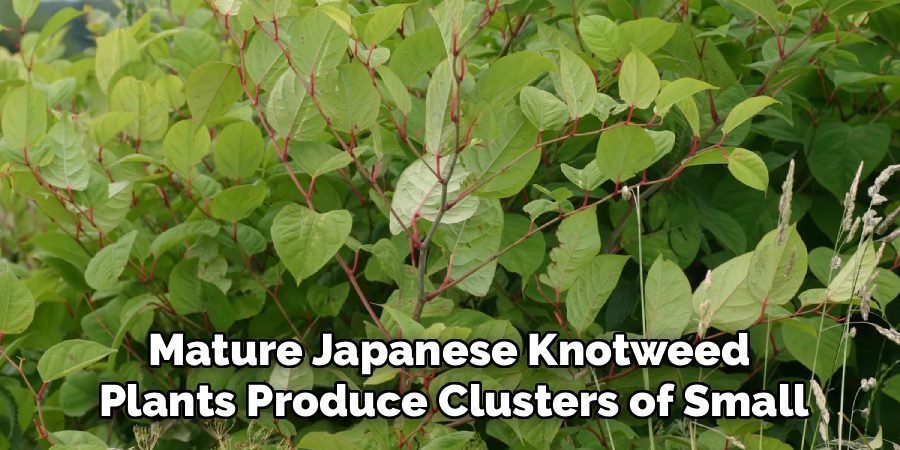
Step 5: Recognize the Zig-Zag Stem Pattern
Another subtle but important clue is the way the leaves are arranged on the stem. The stems of Japanese knotweed have a distinct zig-zag pattern. As you look up the hollow cane, you will notice that it bends slightly at each node where a leaf stalk emerges. This alternating growth pattern is a reliable identifier that helps distinguish it from other plants that might have similar leaves or a bamboo-like appearance. This feature is consistent from young shoots to fully grown canes, making it a helpful characteristic to confirm your suspicions.
Step 6: How to Identify Japanese Knotweed by Its Crown
The crown is the central part of the Japanese knotweed plant, located at the base of the stems just above the ground. It is a woody, gnarled mass from which the new shoots emerge each spring. The crown can be quite large and is typically dark brown. In winter, after the canes have died back, the crown is often more visible. If you find a dense clump of dead, brown, hollow canes, examining the base for this woody crown structure can confirm the presence of Japanese knotweed even when there is no green growth.
Step 7: Investigate the Rhizome System (If Possible)
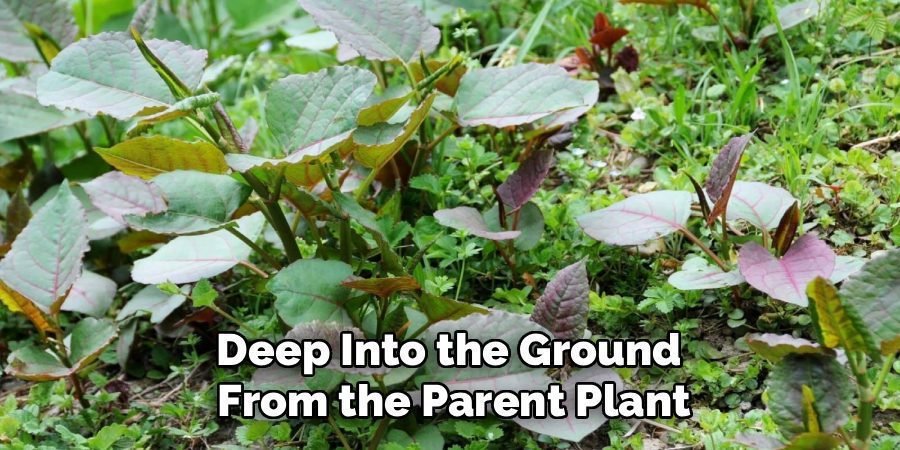
The true problem with Japanese knotweed lies underground in its extensive root system, known as rhizomes. If you are digging in an area where you suspect knotweed, you may uncover these roots. The rhizomes are thick and woody, snapping easily like a carrot to reveal a bright orange or yellow interior. These roots can spread many feet horizontally and deep into the ground from the parent plant. Even a tiny fragment of this rhizome can regenerate into a new plant, which is why it is so difficult to eradicate.
Step 8: Observe Seasonal Changes and Die-Back
Japanese knotweed is a perennial, meaning it dies back in the winter and regrows in the spring. Observing its life cycle is a key part of identification. After the first frost, the leaves will yellow and fall, and the green, speckled canes will turn dark brown and become brittle. These dead canes often remain standing throughout the winter, creating a dense, woody thicket. The stark contrast between its vigorous summer growth and its winter dormancy is a classic characteristic of this invasive plant.
Monitoring and Preventing Reestablishment
Once Japanese knotweed has been treated or removed from an area, it is vital to monitor the site regularly to prevent reestablishment. Check for any signs of new growth, especially during the spring and summer months when the plant is most active. Even small shoots or remnants can quickly regrow if left unchecked. Implement measures such as reseeding the area with native vegetation or applying a thick mulch layer to suppress any potential regrowth. Staying vigilant and addressing regrowth promptly is essential in managing this persistent invasive species effectively.
Frequently Asked Questions (FAQ)
What Should I Do if I Find Japanese Knotweed on My Property?
If you confirm you have Japanese knotweed, the first step is to avoid disturbing it. Do not try to cut it, mow it, or dig it up without a professional plan. Disturbing the plant can cause fragments of its rhizome to spread, creating new plants and worsening the infestation. The best course of action is to contact a professional removal service that specializes in invasive species. They can assess the situation and recommend the most effective treatment plan, which often involves a multi-year herbicide application program.

Can I Remove Japanese Knotweed Myself?
While it is technically possible to attempt removal yourself, it is extremely difficult and not recommended. The plant’s deep and extensive rhizome system makes physical removal nearly impossible, as any small piece left behind can regrow. Improper use of herbicides can be ineffective and may harm the environment. Furthermore, the disposal of Japanese knotweed waste is legally regulated in many areas, and it cannot be simply put in your regular garden waste or compost. Using a certified professional ensures the job is done effectively and legally.
Is Japanese Knotweed Dangerous to Humans or Pets?
Japanese knotweed is not poisonous and does not pose a direct health risk to humans or pets if touched or even ingested in small quantities. The primary danger it presents is structural and ecological. Its powerful roots can damage property, and its dense growth can outcompete native plants. While it won’t harm your family or animals directly, the stress and financial burden it can cause are significant. The real danger lies in its ability to destroy property value and natural habitats.
What Plants Look Similar to Japanese Knotweed?
Several plants are commonly mistaken for Japanese knotweed. These include bindweed, which has similar heart-shaped leaves but is a climbing vine; dogwood, which has reddish stems but lacks the characteristic bamboo-like nodes; and bamboo, which has hollow stems but typically has much thinner, grass-like leaves. Another lookalike is Russian vine (Fallopia baldschuanica), a relative that is a vigorous climber with similar flowers but a twining habit, unlike the upright canes of knotweed. Carefully check for the unique combination of features: zig-zag stems, shovel-shaped leaves, and speckled canes.
Will Japanese Knotweed Lower My Home’s Value?
Yes, the presence of Japanese knotweed can significantly lower your home’s value. Many mortgage lenders are hesitant to approve loans for properties with an infestation unless there is a professional treatment plan in place with an insurance-backed guarantee. The potential for expensive structural damage and the high cost of removal are major concerns for buyers and lenders. Disclosing its presence is often a legal requirement during a property sale, and failure to do so can lead to legal action. Early identification and professional management are crucial to protecting your investment.
Conclusion
Successfully managing a Japanese knotweed infestation begins with correct identification. By learning to recognize its red spring shoots, heart-shaped leaves, bamboo-like canes, and seasonal growth patterns, you can catch this intruder before it causes irreversible damage. This guide provides the foundational knowledge you need, from spotting the first signs to understanding the plant’s full life cycle. Taking the time to learn how to identify Japanese knotweed is a proactive step every gardener and homeowner should take to protect their property and the surrounding environment from this highly invasive species.

About Ravuk Barg
B.Sc. Horticulture Science | Certified Master Gardener
Ravuk Barg has spent more than a decade with his hands in the soil and his head full of questions about why some gardens thrive while others struggle. What started as a single raised bed of tomatoes and basil in a modest backyard has grown into a deep, working knowledge of everything from seed germination and soil amendment to companion planting and seasonal pruning.
Over the years, Ravuk has gardened through drought summers, waterlogged springs, and pest invasions that would make most gardeners hang up their trowels for good. Those hard seasons, he’ll tell you, taught him more than any perfect growing year ever could. He writes from that earned experience—covering vegetable growing, ornamental planting, houseplant care, composting, and garden design with equal confidence and curiosity.
Philosophy & Approach
Ravuk’s approach to gardening is rooted in practicality. He favors organic methods not out of dogma, but because they work long-term—resulting in healthier soil, fewer inputs, and stronger plants. He has a particular fondness for heirloom vegetable varieties (the kind with proper flavor), unruly cottage-style flower beds, and the stubborn houseplants that everyone else gave up on.
The Mission: Give readers the honest, experience-backed advice that helps them actually succeed in their gardens—not just the ideal version, but the real one; weeds, failures, and all.
Education & Credentials
-
B.Sc. in Horticulture Science
-
Greenfield Agricultural University
-
Focus: Plant Physiology, Soil Ecology, and Sustainable Crop Production
-
-
Master Gardener Certification
-
Cooperative Extension Service
-
Focus: 200+ hours of hands-on practical training and community garden work
-
Continuing Education
-
Organic Pest Management
-
Native Plant Landscaping
-
Sustainable Crop Production