

As the weather cools, you might notice your beautiful summer lawn being invaded by unwelcome green intruders. These are often winter grasses, annual weeds that thrive in cooler temperatures while your primary turf is dormant. These pesky plants can disrupt the uniform look of your lawn and compete for vital nutrients, water, and sunlight. Learning how to kill winter grass is an essential skill for any homeowner who wants to maintain a healthy, vibrant lawn year-round. This guide will walk you through the process, making it simple for even beginner gardeners to achieve a weed-free yard.
Why Controlling Winter Grass Matters
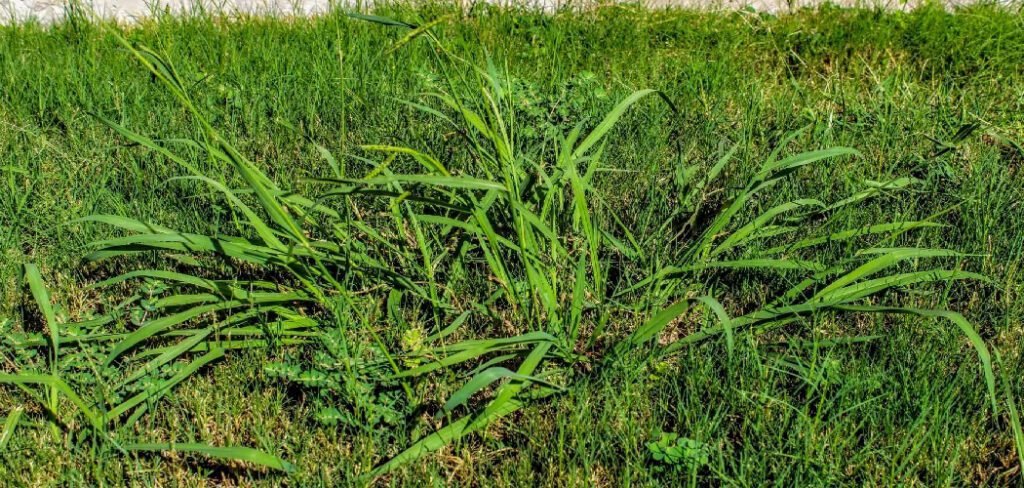
Maintaining a pristine lawn involves more than just regular mowing and watering. Winter grasses, such as annual bluegrass (Poa annua) and various ryegrasses, are opportunistic weeds that take advantage of your dormant warm-season turf. If left unchecked, they can quickly spread and establish a strong root system. This not only makes them harder to remove but also means they steal essential resources from your desired grass.
When spring arrives and your primary lawn tries to emerge from dormancy, it will face a tough battle against these established weeds, potentially leading to patchy, unhealthy turf. By actively managing these invaders, you protect your investment and set your lawn up for a successful growing season.
8 Step Methods Guide on How to Kill Winter Grass
Step 1: Identify the Winter Grass
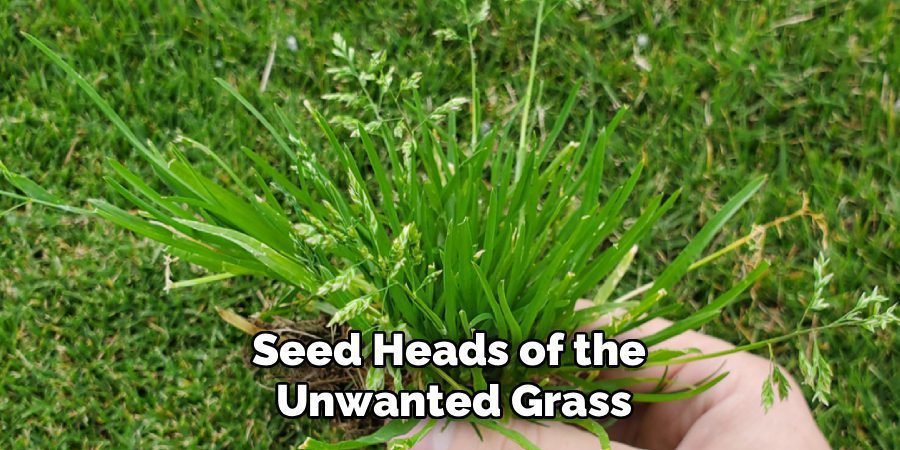
Before you can treat the problem, you need to know what you are dealing with. Common winter grasses include annual bluegrass, which has a lighter green color and produces noticeable seed heads, and Italian ryegrass, which has shiny, dark green leaves. Take a close look at the blades, stems, and seed heads of the unwanted grass. Proper identification is key because it determines whether a pre-emergent or post-emergent herbicide will be most effective. Misidentifying the weed could lead you to use the wrong product, wasting time and money without solving the issue.
Step 2: Determine the Best Time for Treatment
Timing is everything when it comes to weed control. The ideal time to act depends on the type of herbicide you plan to use. For pre-emergent herbicides, application should happen in the early fall before the winter grass seeds have a chance to germinate. For post-emergent herbicides, which target existing plants, it’s best to apply them on a calm, sunny day when the weeds are actively growing. Avoid applying treatments right before rain, as it can wash the product away before it has a chance to work its magic.
Step 3: Choose the Right Herbicide
Your choice of herbicide is critical. Pre-emergent herbicides create a chemical barrier that prevents seeds from sprouting. They are perfect for preventative care in the fall. Post-emergent herbicides are used to kill weeds that have already appeared. Look for a selective herbicide, which is designed to kill specific weeds without harming your primary turf grass. Always read the product label carefully to ensure it is safe for your lawn type (e.g., Bermuda, Zoysia, St. Augustine) and effective against the specific winter grass you have identified.
Step 4: Prepare Your Lawn for Application
Proper preparation ensures the herbicide can reach its target effectively. Start by mowing your lawn a day or two before application. This exposes the weeds and allows for more even coverage. However, avoid mowing too short, as this can stress your dormant turf. It is also beneficial to lightly water the lawn the day before applying a post-emergent herbicide, as this ensures the weeds are hydrated and actively absorbing nutrients—and the herbicide along with them. Make sure the lawn is clear of leaves and other debris.
Step 5: Apply a Pre-Emergent Herbicide in the Fall
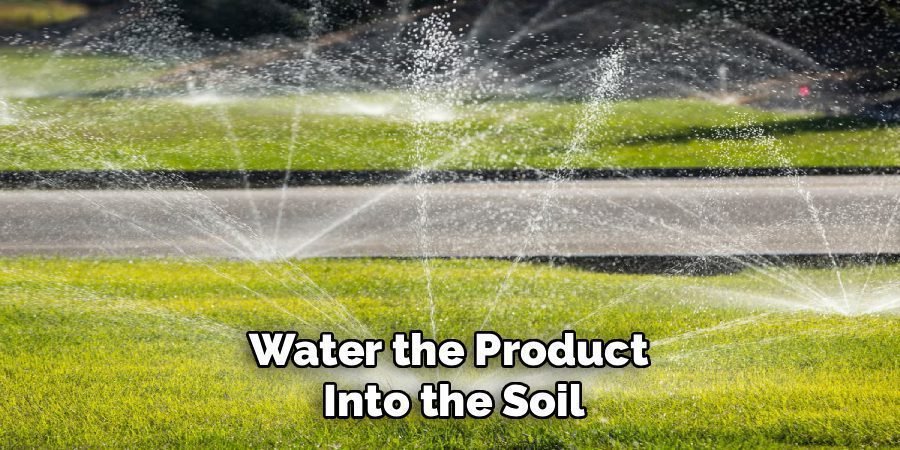
Prevention is the most effective strategy. Applying a pre-emergent herbicide in early to mid-fall, just as soil temperatures begin to drop, stops winter grass seeds from ever germinating. Use a broadcast or drop spreader for granular products to ensure even distribution across your entire lawn. For liquid herbicides, use a sprayer and walk in a consistent pattern to avoid missing spots. After application, it is often necessary to water the product into the soil, activating the chemical barrier that will protect your lawn all winter.
Step 6: Use Post-Emergent Herbicides for Existing Weeds
If winter grass has already taken hold, you will need a post-emergent herbicide. These products are absorbed through the leaves and travel down to the roots to kill the entire plant. Mix the liquid concentrate according to the package directions in a pump sprayer. On a calm day, spray the weeds directly, ensuring you thoroughly coat the foliage. It is important to be patient, as it may take a week or more to see the weeds start to yellow and die. A second application might be necessary for stubborn infestations.
Step 7: How to Kill Winter Grass Manually
For small, isolated patches of winter grass, manual removal is a viable, chemical-free option. This method is most effective after a good rain or deep watering, as the moist soil makes it easier to pull the weeds out by the root. Use a garden fork or a specialized weeding tool to loosen the soil around the base of the weed clump. Grasp the grass firmly at its base and pull steadily until the entire plant, including its root system, is removed. Discard the pulled weeds immediately to prevent any seeds from spreading.
Step 8: Overseed in the Spring to Fill Bare Spots
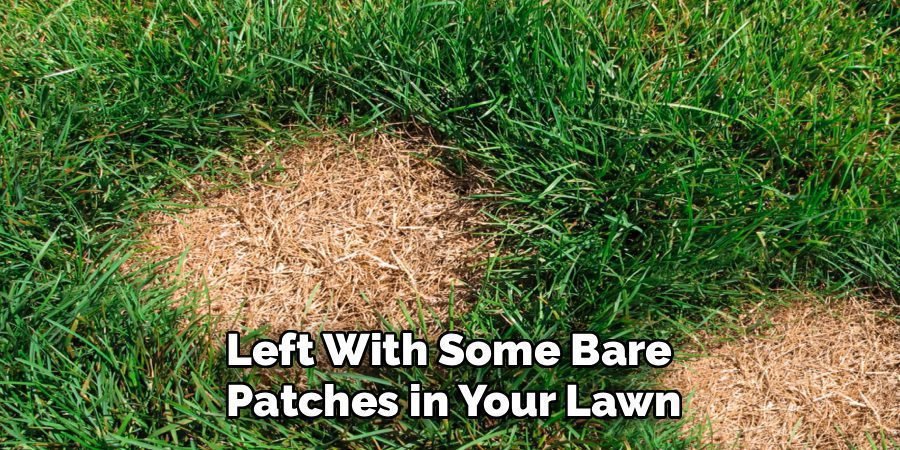
After you have successfully eliminated the winter grass, you may be left with some bare patches in your lawn. The best way to fix this is by overseeding with your desired grass type in the spring. Rake the bare areas to loosen the soil, then spread a high-quality grass seed evenly over the spots. Lightly cover the seed with a thin layer of compost or topsoil to protect it. Keep the areas consistently moist until the new grass is well-established. This helps your lawn thicken up, choking out future weed growth.
Maintain Your Lawn with Regular Care
Once your lawn has been overseeded and the new grass is established, regular maintenance is essential to keep it healthy and vibrant. Mow your lawn at the proper height for your grass type, as cutting it too short can stress the grass and encourage weed growth. Water deeply but infrequently to promote strong root development, typically providing about an inch of water per week, including rainfall. Additionally, fertilize your lawn as needed to supply essential nutrients and aerate the soil annually to prevent compaction. Consistent care will ensure your lawn remains lush and resilient throughout the growing season.
Frequently Asked Questions (FAQ)
What Is the Best Chemical to Kill Winter Grass?
The best chemical depends on your specific situation. For prevention, a pre-emergent herbicide containing dithiopyr or pendimethalin applied in the fall is highly effective. For existing weeds, a selective post-emergent herbicide with ingredients like atrazine or a 2,4-D combination works well on many winter annuals without harming most warm-season turf types. Always check the product label to confirm it is safe for your specific lawn grass and will control the weed you are targeting.
Will Vinegar Kill Winter Grass?
Yes, vinegar can kill winter grass, but it should be used with caution. As a non-selective herbicide, household or horticultural vinegar will damage or kill any plant it touches, including your desirable turf grass. It works by burning the plant’s foliage. This method is best suited for spot-treating weeds in driveways, sidewalks, or isolated patches where you can carefully avoid contact with your lawn. It is not a practical solution for widespread infestations across a large turf area.
Can I Pull Winter Grass by Hand?
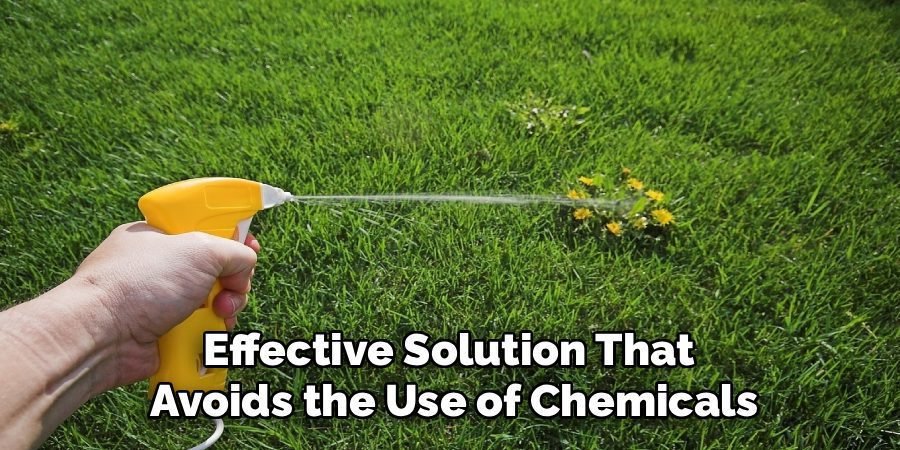
You can absolutely pull winter grass by hand, and it’s an excellent organic option for small-scale problems. This method is most successful when the soil is moist, which allows you to remove the entire root system. If you leave roots behind, the weed may grow back. For a few clumps here and there, hand-pulling is a quick and effective solution that avoids the use of chemicals. For larger infestations, however, it can be very labor-intensive and impractical.
Does Winter Grass Die in the Summer?
Yes, most common winter grasses, like annual bluegrass (Poa annua), are annuals that complete their life cycle in one season. They germinate in the fall, grow through the winter, produce seeds in the spring, and then naturally die off as summer heat arrives. The problem is that they leave behind thousands of seeds that will germinate the following fall, continuing the cycle. Therefore, while the existing plants will die, the problem will return unless you take preventative measures.
How Do I Prevent Winter Grass from Coming Back?
The best long-term prevention strategy is to promote a thick, healthy lawn. A dense turf naturally crowds out weeds. Follow good lawn care practices, including proper mowing height, deep and infrequent watering, and fertilizing at the right times for your grass type. The most critical step is applying a pre-emergent herbicide in the fall to prevent winter grass seeds from germinating in the first place. This creates a barrier that stops the problem before it even starts.
Conclusion
Reclaiming your lawn from invasive weeds might seem like a daunting task, but it is entirely achievable with the right approach. By correctly identifying the intruder, choosing the appropriate herbicide, and applying it at the optimal time, you can effectively manage unwanted growth. Whether you opt for preventative pre-emergent treatments in the fall or tackle existing weeds with post-emergent solutions, consistency is key. Now that you know how to kill winter grass, you are well-equipped to protect your turf and ensure it remains healthy and beautiful for years to come.

About Ravuk Barg
B.Sc. Horticulture Science | Certified Master Gardener
Ravuk Barg has spent more than a decade with his hands in the soil and his head full of questions about why some gardens thrive while others struggle. What started as a single raised bed of tomatoes and basil in a modest backyard has grown into a deep, working knowledge of everything from seed germination and soil amendment to companion planting and seasonal pruning.
Over the years, Ravuk has gardened through drought summers, waterlogged springs, and pest invasions that would make most gardeners hang up their trowels for good. Those hard seasons, he’ll tell you, taught him more than any perfect growing year ever could. He writes from that earned experience—covering vegetable growing, ornamental planting, houseplant care, composting, and garden design with equal confidence and curiosity.
Philosophy & Approach
Ravuk’s approach to gardening is rooted in practicality. He favors organic methods not out of dogma, but because they work long-term—resulting in healthier soil, fewer inputs, and stronger plants. He has a particular fondness for heirloom vegetable varieties (the kind with proper flavor), unruly cottage-style flower beds, and the stubborn houseplants that everyone else gave up on.
The Mission: Give readers the honest, experience-backed advice that helps them actually succeed in their gardens—not just the ideal version, but the real one; weeds, failures, and all.
Education & Credentials
-
B.Sc. in Horticulture Science
-
Greenfield Agricultural University
-
Focus: Plant Physiology, Soil Ecology, and Sustainable Crop Production
-
-
Master Gardener Certification
-
Cooperative Extension Service
-
Focus: 200+ hours of hands-on practical training and community garden work
-
Continuing Education
-
Organic Pest Management
-
Native Plant Landscaping
-
Sustainable Crop Production