

Growing tomatoes from seed is a rewarding experience, but the journey from a tiny sprout to a fruit-bearing plant involves a critical, often-overlooked stage. Your indoor-grown seedlings, accustomed to a stable and gentle environment, are not yet ready for the unpredictable conditions of the outdoors. They need to be gradually acclimated to survive and thrive. This process, known as hardening off, is essential for building their resilience. This guide provides everything you need to know about how to harden tomato seedlings, ensuring your tender plants transition successfully to your garden and produce a bountiful harvest.
Why Hardening Off Tomato Seedlings is Crucial
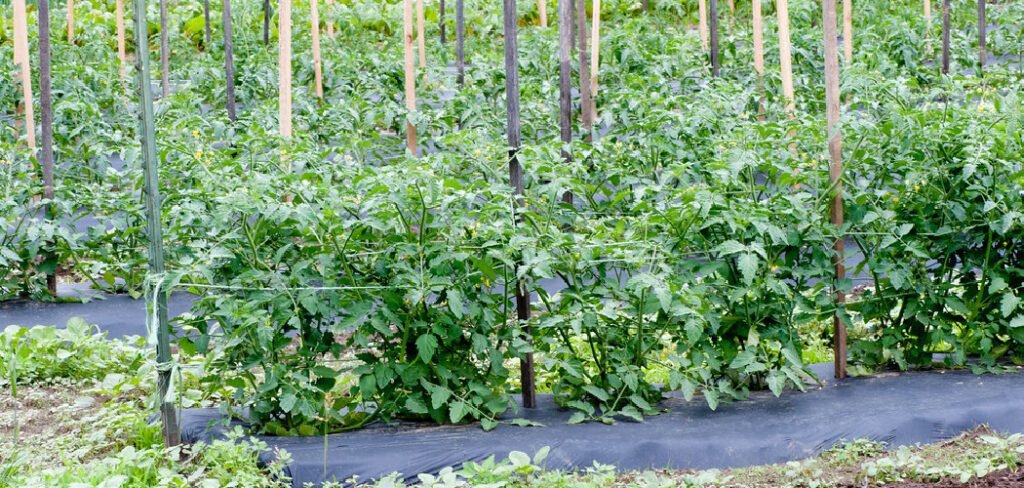
You might wonder why you can’t just move your healthy-looking seedlings directly from your windowsill to the garden. The answer lies in preventing “transplant shock.” Seedlings started indoors have been sheltered from harsh sun, strong winds, and fluctuating temperatures. Their cellular structure is soft, and their cuticles—the waxy outer layer of their leaves—are thin and underdeveloped. Moving them outside without preparation is like sending a baby into a blizzard without a coat. The sudden exposure can lead to sunburn, wind damage, stunted growth, and even death.
Hardening off gradually thickens the cuticles, strengthens the stems, and prepares the plant’s vascular system for the challenges of outdoor life, ensuring a seamless and successful transition.
8 Step-by-Step Guide to How to Harden Tomato Seedlings
Step 1: Check the Weather and Timing
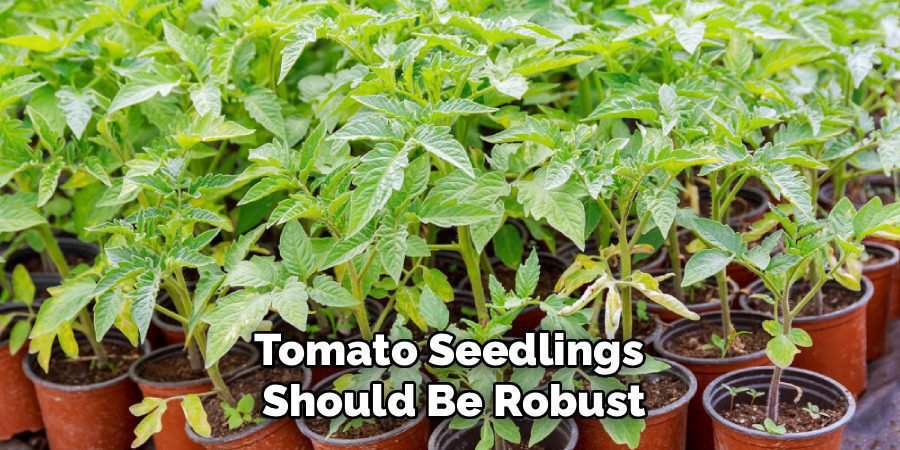
Before you begin, timing is everything. Start the hardening-off process about one to two weeks before your area’s last expected frost date. Your tomato seedlings should be robust, with at least two sets of true leaves, and be about 4-6 inches tall. The ideal outdoor weather for this process is mild and calm, with daytime temperatures consistently above 50°F (10°C). Avoid starting on days that are excessively windy, cold, or intensely sunny, as these conditions will add unnecessary stress to your young plants.
Step 2: Find a Sheltered Outdoor Spot
Your seedlings’ first taste of the great outdoors should be in a protected location. Choose a spot that offers dappled sunlight and is shielded from strong winds. A covered porch, a patio near a wall, or a place under a large tree are all excellent choices. This initial location will protect the tender foliage from getting scorched by direct sun or damaged by gusts of wind. The goal is to introduce them to the outdoor climate gently, without overwhelming them with its full intensity right away.
Step 3: Begin with a Short Outdoor Visit (Day 1-2)
On the first day, bring your tomato seedlings outside to the sheltered spot you selected for just one to two hours. A morning session is often best, as the sunlight is less intense. Afterward, bring them back inside to their usual spot under grow lights or on a windowsill. On the second day, you can extend their outdoor time to three hours, still keeping them in that protected, partially shaded area. Monitor them closely for any signs of wilting or stress during these initial excursions.
Step 4: Gradually Introduce More Sunlight
Starting on the third day, it’s time to slowly increase their exposure to direct sunlight. Move the plants from their shady spot into an area that receives a bit of morning sun for about an hour, then return them to the shade for the remainder of their outdoor time. Each day, extend the duration of direct sun exposure by about an hour. This gradual increase is critical for thickening the leaf cuticles, which protects the plant from sunburn and reduces water loss once it’s permanently planted in the garden.
Step 5: Extend the Outdoor Duration Daily
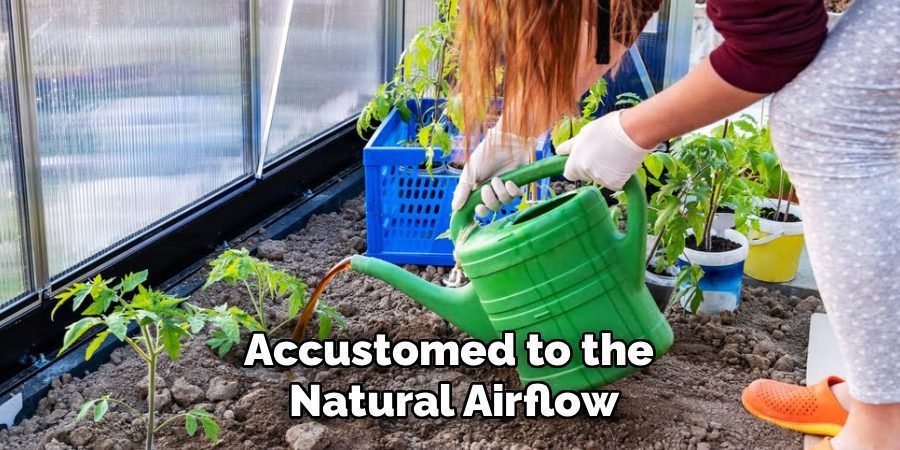
Alongside increasing sun exposure, you should also be extending the total time your seedlings spend outside each day. By day four or five, your plants should be comfortable staying outdoors for five to six hours. Continue adding an hour or two each day. This process helps the stems and leaves become stronger and more accustomed to the natural airflow. Stronger stems are less likely to snap in the wind, providing a sturdy framework for the plant as it grows and begins to bear fruit.
Step 6: Reduce Watering Slightly
During the hardening-off period, it’s beneficial to slightly reduce how often you water your seedlings. Do not let them wilt completely, but allow the soil to dry out a bit more than you normally would indoors. This mild water stress encourages the plants to develop a more robust and extensive root system. Stronger roots will be more efficient at finding water and nutrients once the plant is in the garden, making it more resilient to dry spells and promoting vigorous overall growth and health.
Step 7: How to Harden Tomato Seedlings Overnight
After about a week of gradual daytime exposure, if temperatures are forecasted to remain above 50°F (10°C), your seedlings are ready for their first overnight stay. Leave them in their sheltered spot for a full 24-hour cycle. This is a major milestone in the hardening-off process, as it acclimates them to the natural drop in nighttime temperatures. Continue this for another night or two to ensure they are fully adjusted to the complete day-night outdoor cycle before planting them in their final garden spot.
Step 8: Prepare for Planting
After 10 to 14 days, your seedlings should be fully hardened off. They will look sturdier, and their leaves may appear slightly darker green. They are now prepared to withstand full sun, wind, and temperature changes. The best time to transplant them into the garden is on an overcast day or in the late afternoon to give them time to settle in without the stress of intense midday sun. Water them well after planting to help the roots establish themselves in the new soil.
Frequently Asked Questions (FAQ)
What Do Hardened-Off Tomato Seedlings Look Like?
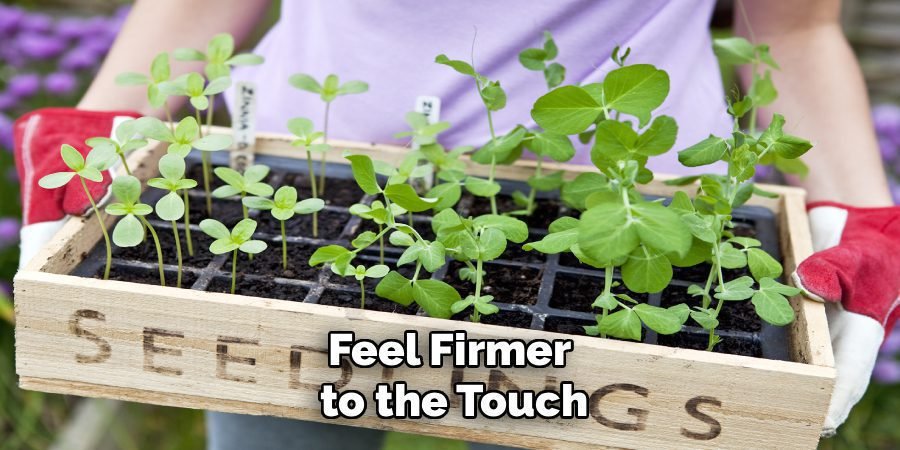
Hardened-off tomato seedlings appear noticeably sturdier than their indoor counterparts. Their stems will be thicker and may have a purplish tint, which indicates they are producing protective pigments. The leaves will be a deeper shade of green and feel firmer to the touch, having developed a thicker, waxy cuticle to protect against sun and wind. Overall, the plant will have a more compact and robust appearance, ready to withstand the rigors of the outdoor environment without wilting or showing signs of stress.
How Long Does It Take to Harden Off Tomato Plants?
The entire hardening-off process should ideally take between 10 and 14 days. Rushing this critical stage can shock the plants and severely set back their growth. A slow, gradual acclimation over two weeks gives the seedlings enough time to make the necessary physiological adjustments. This includes strengthening their cell walls, thickening their leaf cuticles, and expanding their root systems. A patient approach ensures your plants are fully prepared for a successful life in the garden, leading to better health and a more bountiful harvest.
Can You Harden Off Tomatoes in a Cold Frame?
Yes, a cold frame is an excellent tool for hardening off tomato seedlings. It provides a perfect intermediate environment between the indoors and the open garden. You can start by placing your seedlings in the closed cold frame. Then, gradually prop the lid open for longer periods each day to increase air circulation and exposure to sunlight. This method simplifies the process of moving plants back and forth and provides consistent protection from harsh winds and unexpected temperature drops, making it a very effective and convenient option.
What Happens If You Don’t Harden Off Tomato Plants?
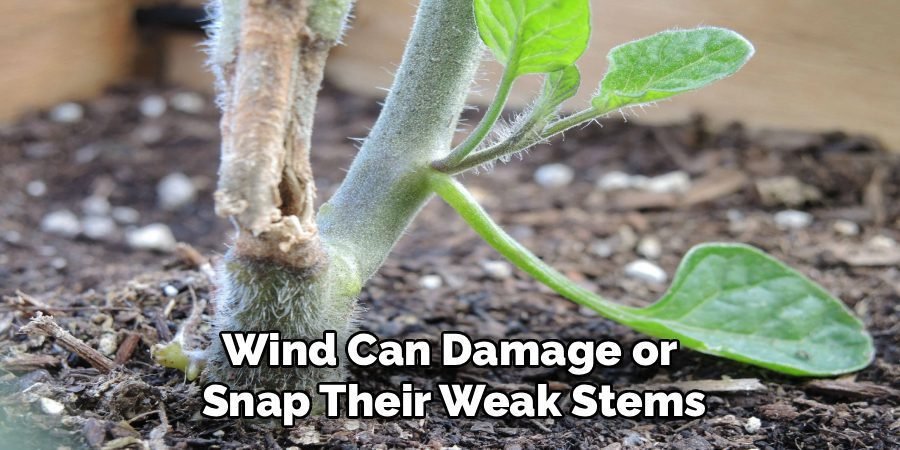
If you move tomato seedlings directly from indoors to the garden without hardening them off, they will likely experience severe transplant shock. The sudden exposure to intense UV rays will scorch their delicate leaves, causing them to turn white or brown and die. The wind can damage or snap their weak stems, and the temperature fluctuations can stunt their growth. In many cases, the shock is too great, and the plant will not recover, forcing you to start over with new seedlings.
At What Temperature Can I Leave My Tomato Seedlings Outside?
You can begin the hardening-off process when daytime temperatures are consistently above 50°F (10°C). For the first few days, it’s best to bring them back inside if temperatures dip below this mark. Once they have been acclimating for about a week, they can tolerate slightly cooler nights, but you should still bring them in if a frost or a significant cold snap is predicted. After two weeks, fully hardened-off plants are resilient enough to handle temperatures that briefly dip into the mid-40s.
Conclusion
Mastering how to harden tomato seedlings is a fundamental skill that transforms fragile indoor sprouts into vigorous, garden-ready plants. By patiently following the steps of gradual exposure to sun, wind, and temperature changes, you build the resilience your tomatoes need to thrive. This process prevents transplant shock, encourages strong stem and root development, and ultimately sets the stage for a productive season. Now that you are equipped with this knowledge, you can confidently transition your seedlings to the outdoors and look forward to enjoying delicious, homegrown tomatoes.

About Ravuk Barg
B.Sc. Horticulture Science | Certified Master Gardener
Ravuk Barg has spent more than a decade with his hands in the soil and his head full of questions about why some gardens thrive while others struggle. What started as a single raised bed of tomatoes and basil in a modest backyard has grown into a deep, working knowledge of everything from seed germination and soil amendment to companion planting and seasonal pruning.
Over the years, Ravuk has gardened through drought summers, waterlogged springs, and pest invasions that would make most gardeners hang up their trowels for good. Those hard seasons, he’ll tell you, taught him more than any perfect growing year ever could. He writes from that earned experience—covering vegetable growing, ornamental planting, houseplant care, composting, and garden design with equal confidence and curiosity.
Philosophy & Approach
Ravuk’s approach to gardening is rooted in practicality. He favors organic methods not out of dogma, but because they work long-term—resulting in healthier soil, fewer inputs, and stronger plants. He has a particular fondness for heirloom vegetable varieties (the kind with proper flavor), unruly cottage-style flower beds, and the stubborn houseplants that everyone else gave up on.
The Mission: Give readers the honest, experience-backed advice that helps them actually succeed in their gardens—not just the ideal version, but the real one; weeds, failures, and all.
Education & Credentials
-
B.Sc. in Horticulture Science
-
Greenfield Agricultural University
-
Focus: Plant Physiology, Soil Ecology, and Sustainable Crop Production
-
-
Master Gardener Certification
-
Cooperative Extension Service
-
Focus: 200+ hours of hands-on practical training and community garden work
-
Continuing Education
-
Organic Pest Management
-
Native Plant Landscaping
-
Sustainable Crop Production