

Wintercreeper (Euonymus fortunei) might look like an innocent, attractive ground cover, but this invasive vine can quickly take over your garden. Its aggressive growth suffocates other plants, climbs trees, and damages structures. If left unchecked, it forms dense mats that prevent native species from flourishing, disrupting your local ecosystem. For home gardeners, learning how to kill wintercreeper from garden spaces is essential for restoring balance and protecting your landscape.
This guide will provide you with a clear, step-by-step process to reclaim your yard from this persistent invader, ensuring your other plants have the space they need to thrive.
Why Eradicating Wintercreeper Is Crucial for a Healthy Garden
Wintercreeper’s relentless nature makes it a significant threat to garden health. Originally planted for its hardiness and evergreen foliage, it has become a serious invasive problem across many regions. Its ability to spread rapidly through vigorous roots and climbing vines allows it to outcompete nearly every plant in its path. This invasive vine robs desirable plants of sunlight, water, and nutrients, eventually weakening and killing them.
Furthermore, as wintercreeper climbs, it can damage tree bark and even compromise the structural integrity of fences and building foundations. Removing it isn’t just about aesthetics; it’s about preserving biodiversity and protecting your property.
8 Step-by-Step Guide: How to Kill Wintercreeper from Garden Areas
Step 1: Identify and Assess the Infestation
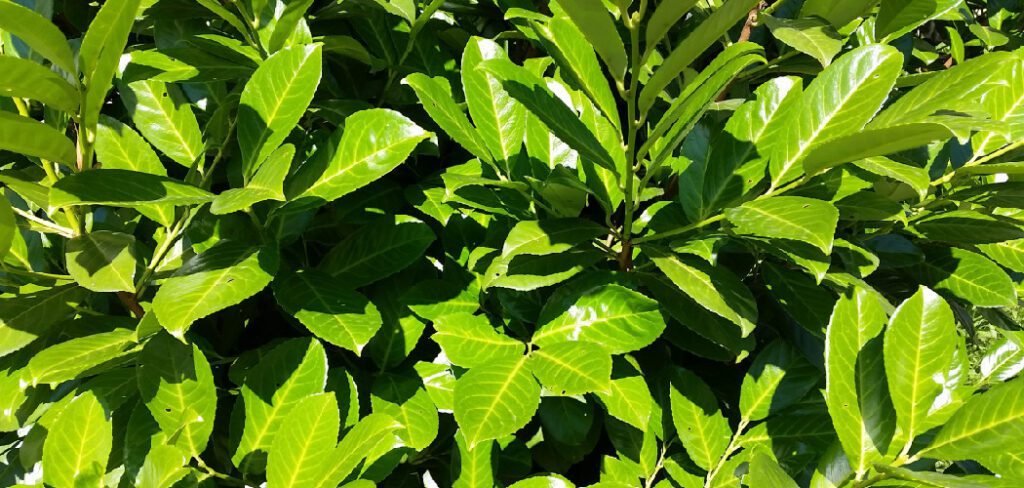
Before you begin, take the time to understand the scale of your wintercreeper problem. Identify all areas where it is growing, noting whether it is behaving as a ground cover, a climbing vine, or both. Look for its characteristic glossy, dark green leaves with serrated edges. Check its spread into flower beds, under shrubs, and up trees or walls. This initial assessment helps you plan your attack and estimate the amount of time and effort required for removal. A thorough evaluation ensures you don’t miss any hidden patches that could re-sprout later.

Step 2: Gather the Right Tools and Safety Gear
Proper preparation makes the removal process safer and more efficient. You will need a good pair of thick gardening gloves to protect your hands from blisters and sap. A sharp pair of pruning shears or loppers is essential for cutting through thick vines. For ground cover, a sturdy garden rake, hoe, or even a shovel will help you pull up the dense mats. If you plan to use herbicides, ensure you have protective eyewear, long sleeves, and pants. Having all your tools ready will streamline the process once you start tackling the plant.
Step 3: Cut Climbing Vines from Trees and Structures
Start by severing all climbing wintercreeper vines. Use your pruning shears or loppers to make two cuts on each vine climbing a tree or wall: one at shoulder height and another near the ground. This creates a gap, which will kill the upper portion of the vine by cutting off its water and nutrient supply. Leave the upper vines to wither and die on their own; pulling them down while green can damage the tree bark or structure they are attached to. This step is crucial for relieving stress on your trees.
Step 4: Begin Manual Removal of Ground Cover
Now, focus on the ground-level infestation. Start at one edge of the patch and begin pulling up the vines by hand. Wintercreeper often roots along its stems, so you will need to apply steady pressure to dislodge it. Use a garden rake or hoe to help lift the dense mats of foliage and expose the rooting stems. Work methodically in small sections, piling the removed vines onto a tarp for easy disposal. This is a physically demanding task, so pace yourself and take breaks as needed to avoid exhaustion.

Step 5: Dig Out the Root System
Simply pulling the surface vines is not enough. The key to successfully killing wintercreeper is removing its extensive root system. After clearing a section of surface growth, use a shovel or digging fork to loosen the soil. Carefully follow the main stems down to the primary root crowns and dig them out completely. Be meticulous, as even small root fragments left in the ground can resprout and start a new infestation. This is the most critical step for long-term control and preventing the plant’s return.
Step 6: How to Kill Wintercreeper from Garden Beds with Herbicides (Optional)
For large or stubborn infestations, a chemical approach may be necessary after manual removal. A systemic herbicide containing glyphosate or triclopyr is most effective, as it travels through the plant to kill the roots. For this method to work, you must apply it to freshly cut stems or leaves. Cut the vines close to the ground and immediately paint the cut surface with the concentrated herbicide using a small brush. This targeted application minimizes damage to surrounding plants. Always read and follow the manufacturer’s instructions for safe and effective use.
Step 7: Dispose of Plant Debris Properly
Do not compost wintercreeper debris. The vines and roots can easily re-sprout in a compost pile, creating a new problem. Instead, place all the plant material in heavy-duty yard waste bags for disposal. Some municipalities allow you to leave bagged invasive plants for curbside pickup, but check your local regulations first. Another option is to pile the debris on a tarp in a sunny location and let it dry out completely for several weeks until it is dead and no longer viable. Proper disposal is vital to prevent re-infestation.
Step 8: Monitor and Maintain the Area
Your work isn’t over after the initial removal. For several months, you must regularly monitor the cleared areas for any new sprouts. Tiny root fragments left behind will try to regrow. Pull any new seedlings by hand as soon as you spot them, before they have a chance to establish a new root system. This follow-up stage requires diligence but is essential for achieving permanent eradication. Maintaining a vigilant watch ensures your hard work pays off and your garden remains free of this invasive vine.
Frequently Asked Questions (FAQ)
Can I Use Vinegar to Kill Wintercreeper?
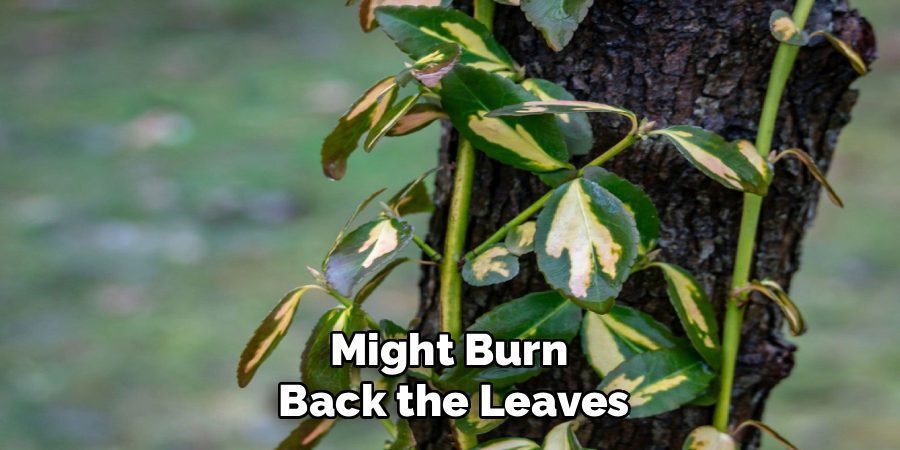
While vinegar is a popular home remedy for weeds, it is not very effective against a tough, woody plant like wintercreeper. Horticultural vinegar, which is stronger than household vinegar, might burn back the leaves, but it will not penetrate the plant’s extensive root system. The plant will likely regrow quickly from its roots, making vinegar a temporary solution at best. For complete eradication, you need methods that target and destroy the entire root structure, such as thorough manual removal or systemic herbicides.
What Is the Best Time of Year to Remove Wintercreeper?
The best time to remove wintercreeper is in the late fall or early spring. During these seasons, the ground is typically moist, which makes it easier to pull up the plants and dig out their roots. Furthermore, many of your other garden plants will be dormant, reducing the risk of accidentally damaging them during the removal process. If you plan to use an herbicide, applying it in the fall is particularly effective, as plants are actively sending resources down to their roots for winter storage.
How Do I Prevent Wintercreeper from Coming Back?
Preventing regrowth requires diligence. After the initial clearing, cover the area with a thick layer (4-6 inches) of mulch or lay down cardboard or landscape fabric before mulching. This will help smother any remaining root fragments and prevent new seedlings from getting sunlight. Regularly patrol the area for the first year and immediately pull any new sprouts you find. Encouraging the growth of healthy, dense native plants in the cleared space can also help outcompete any new wintercreeper that tries to establish itself.
Is Wintercreeper Harmful to Pets?
Yes, wintercreeper is considered toxic to dogs, cats, and horses if ingested. The berries, leaves, and stems contain compounds that can cause gastrointestinal issues such as vomiting, diarrhea, and abdominal pain. While a small nibble may not cause a severe reaction, consuming larger quantities can lead to more serious problems. It is best to keep pets away from the plant and to be especially careful to clean up all debris during the removal process to ensure they do not accidentally eat any.
Can I Control Wintercreeper Without Chemicals?
Absolutely. Chemical-free control is possible, but it requires more physical effort and persistence. The key is to be extremely thorough with manual removal. This means cutting all climbing vines, pulling up all ground cover, and meticulously digging out every piece of the root system. Following this, you must consistently monitor the area for new growth and pull it immediately. Covering the cleared ground with mulch or landscape fabric is also a crucial non-chemical step to smother any survivors and prevent new seeds from sprouting.
Conclusion
Reclaiming your garden from wintercreeper is a challenging but rewarding process. By systematically cutting vines, pulling up ground cover, and digging out the extensive root system, you can successfully win this battle. Whether you choose a purely manual approach or incorporate a targeted herbicide application for stubborn patches, consistency is your greatest asset. Diligent monitoring after the initial removal is the final step to ensure it doesn’t return. Now that you know how to kill wintercreeper from garden areas, you are equipped to restore health and balance to your landscape, creating a thriving space for the plants you love.

About Ravuk Barg
B.Sc. Horticulture Science | Certified Master Gardener
Ravuk Barg has spent more than a decade with his hands in the soil and his head full of questions about why some gardens thrive while others struggle. What started as a single raised bed of tomatoes and basil in a modest backyard has grown into a deep, working knowledge of everything from seed germination and soil amendment to companion planting and seasonal pruning.
Over the years, Ravuk has gardened through drought summers, waterlogged springs, and pest invasions that would make most gardeners hang up their trowels for good. Those hard seasons, he’ll tell you, taught him more than any perfect growing year ever could. He writes from that earned experience—covering vegetable growing, ornamental planting, houseplant care, composting, and garden design with equal confidence and curiosity.
Philosophy & Approach
Ravuk’s approach to gardening is rooted in practicality. He favors organic methods not out of dogma, but because they work long-term—resulting in healthier soil, fewer inputs, and stronger plants. He has a particular fondness for heirloom vegetable varieties (the kind with proper flavor), unruly cottage-style flower beds, and the stubborn houseplants that everyone else gave up on.
The Mission: Give readers the honest, experience-backed advice that helps them actually succeed in their gardens—not just the ideal version, but the real one; weeds, failures, and all.
Education & Credentials
-
B.Sc. in Horticulture Science
-
Greenfield Agricultural University
-
Focus: Plant Physiology, Soil Ecology, and Sustainable Crop Production
-
-
Master Gardener Certification
-
Cooperative Extension Service
-
Focus: 200+ hours of hands-on practical training and community garden work
-
Continuing Education
-
Organic Pest Management
-
Native Plant Landscaping
-
Sustainable Crop Production