

Welcome to the world of organic gardening, where nature’s best-kept secrets can transform your plants from surviving to thriving. One of the most powerful tools in this world is worm tea, a liquid fertilizer teeming with beneficial microbes. This nutrient-rich brew, a byproduct of worm composting, offers a gentle yet effective way to boost plant health, improve soil structure, and protect against pests and diseases. If you’re new to this “gardener’s gold,” you might be wondering exactly how to use worm tea for the best results.
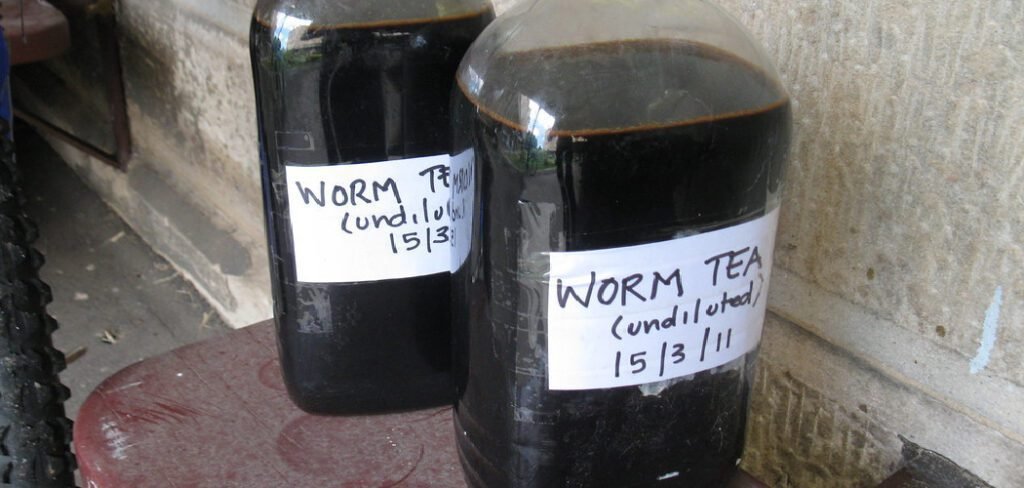
This guide will walk you through everything you need to know, from dilution to application, ensuring your garden reaps all the rewards.
Why “Liquid Gold” is the Perfect Nickname for Worm Tea
Gardeners often call worm tea “liquid gold,” and for good reason. This name perfectly captures its immense value and rich, dark color. Unlike synthetic fertilizers that can burn plants and harm the soil ecosystem, worm tea is a living, breathing tonic. It’s packed with beneficial bacteria, fungi, and protozoa that work in harmony with your plants. These microorganisms help unlock nutrients already present in the soil, making them more available to plant roots. This process strengthens the plant from the inside out, improving its natural defenses and promoting vigorous growth, lush foliage, and more abundant blooms and harvests.
9 Step-by-Step Guide on How to Use Worm Tea
Step 1: Acquire or Brew Your Worm Tea
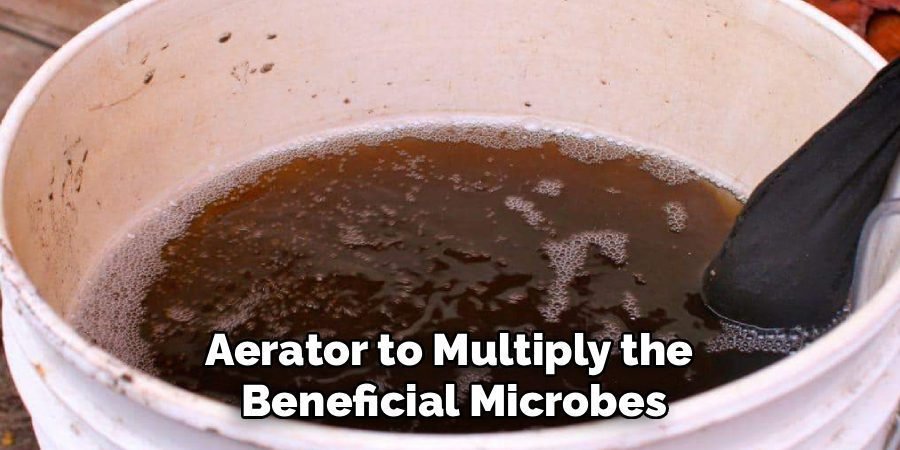
First, you need to get your hands on some quality worm tea. You can either purchase a pre-made concentrate from a local nursery or garden supplier or brew your own if you have a vermicompost bin. Brewing your own is cost-effective and ensures maximum freshness. To do this, you simply steep a mesh bag filled with worm castings in a bucket of dechlorinated water for 24 hours, often with an added sugar source like molasses and an aerator to multiply the beneficial microbes.
Step 2: Check for Quality
Before using your worm tea, it’s important to assess its quality. Fresh, well-brewed worm tea should have a pleasant, earthy smell, similar to a forest floor after it rains. If the liquid has a sour, foul, or ammonia-like odor, it has likely gone anaerobic (lacking oxygen), which means the beneficial aerobic microbes have died off and harmful pathogens may be present. This spoiled tea should be discarded and not used on your plants, as it can do more harm than good to your soil and garden.
Step 3: Dilute the Worm Tea Concentrate
Worm tea is highly concentrated and should always be diluted before application. A strong brew can be too intense for seedlings and even mature plants. The ideal dilution ratio is typically 1 part worm tea to 10 parts water. For more sensitive plants or seedlings, you can use a weaker ratio of 1:15. It’s crucial to use dechlorinated water for dilution, as chlorine can kill the beneficial microorganisms you’ve worked so hard to cultivate. To dechlorinate tap water, simply let it sit out in an open container for 24 hours.
Step 4: Choose Your Application Method
There are two primary ways to apply worm tea: as a foliar spray or as a soil drench. A foliar spray involves spraying the diluted tea directly onto the leaves of your plants, allowing them to absorb nutrients and beneficial microbes through their surfaces. A soil drench involves pouring the diluted tea directly onto the soil around the base of the plant, feeding the roots and enriching the surrounding soil ecosystem. Both methods are effective, and many gardeners alternate between them for comprehensive plant care.
Step 5: Applying as a Foliar Spray
To use worm tea as a foliar spray, fill a clean spray bottle with your diluted mixture. Apply the spray generously to the tops and undersides of the plant’s leaves until they are dripping. The best time to do this is early in the morning or late in the evening when the sun is not intense. This timing prevents leaf scorch and allows the plant’s stomata (leaf pores) to remain open, maximizing absorption. Foliar feeding provides a quick nutrient boost and helps suppress foliar diseases.
Step 6: Applying as a Soil Drench
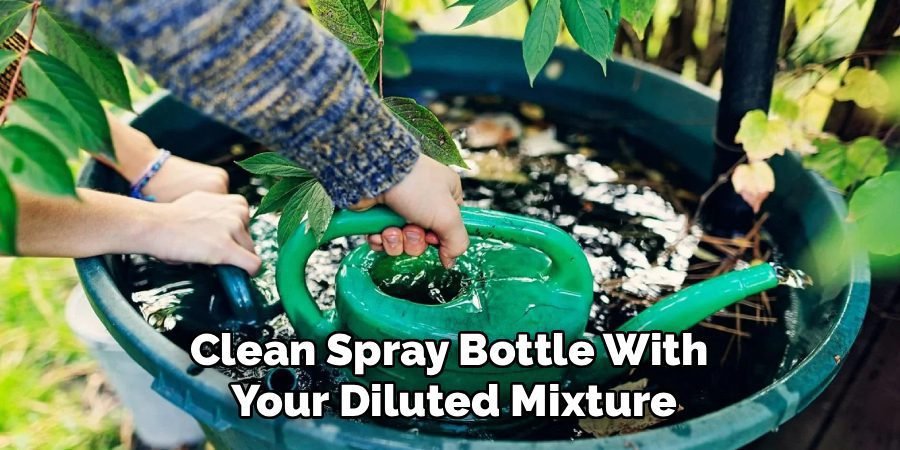
When applying as a soil drench, the goal is to get the tea to the plant’s root zone. Use a watering can to pour the diluted worm tea evenly over the soil at the base of your plants. Apply enough to thoroughly moisten the root area, just as you would when watering normally. This method directly feeds the root system and introduces a massive population of beneficial microbes into the soil. This improves soil structure, enhances nutrient cycling, and strengthens the plant’s foundation for long-term health. This approach explains how to use worm tea to build a robust soil food web.
Step 7: Determine the Application Frequency
Consistency is key, but you don’t want to overdo it. For most established plants, applying worm tea every two to three weeks during the growing season is sufficient. For heavy feeders like tomatoes, peppers, and roses, you can apply it more frequently, perhaps every 7-10 days. Seedlings and young plants benefit from a weekly application of a more diluted mixture. Observe your plants’ responses; their vibrant growth and color will tell you if you have found the right schedule.
Step 8: Use on a Variety of Plants
Worm tea is safe and beneficial for nearly every type of plant. You can use it on your vegetable garden to promote healthier crops and higher yields. It’s excellent for fruit trees, berry bushes, and flowering perennials, encouraging more vibrant and numerous blooms. Houseplants also thrive with a regular dose, as it replenishes nutrients in their contained soil. Even your lawn can benefit from an application, leading to greener, more resilient turf. The versatility of this liquid fertilizer makes it a must-have for any gardener.

Step 9: Store Any Leftover Tea Properly
If you have leftover diluted worm tea, it’s best to use it within a few hours. The active microbial life has a limited lifespan once the aeration and food source are removed. If you must store it, keep it in a cool, dark place with the lid slightly ajar to allow for some air exchange, but try to use it within 24 hours. Undiluted, concentrated worm tea can be stored for slightly longer, but its microbial potency will diminish over time. Fresh is always best.
Frequently Asked Questions (FAQ)
Can You Use Too Much Worm Tea on Plants?
It is very difficult to harm your plants with worm tea because it is a natural, gentle fertilizer. Unlike chemical fertilizers, it doesn’t contain high concentrations of salts that can burn plant roots. The primary risk of “overuse” is simply wasting the product. However, if using an undiluted and highly concentrated brew, you might create an environment that is too rich for very sensitive seedlings. The best practice is to always dilute it according to the recommended ratios for safe and effective application.

How Often Should I Apply Worm Tea?
For most plants, applying worm tea every 2-3 weeks during the active growing season (spring and summer) is a great schedule. For plants that are heavy feeders, such as tomatoes, squash, or roses, you can increase the frequency to once a week. Houseplants can be treated once a month. It’s always a good idea to observe your plants’ reactions. If they look exceptionally vibrant and healthy, your current schedule is working perfectly. Adjust as needed based on plant performance and growth stage.
Does Worm Tea Repel Pests?
Worm tea can help deter certain pests, but not by acting as a direct poison. Instead, it strengthens the plant’s natural immune system, making it healthier and less attractive to pests like aphids, mites, and whiteflies. Additionally, the beneficial microbes in the tea can outcompete some pathogenic fungi and bacteria on leaf surfaces, reducing the incidence of diseases that might otherwise weaken a plant and make it a target for insects. It’s a proactive, not reactive, approach to pest management.
Can I Use Worm Tea on Seedlings?
Yes, worm tea is excellent for seedlings, but it should be applied in a more diluted form. A ratio of 1 part worm tea to 15 or 20 parts dechlorinated water is ideal. This gentle solution provides young plants with the beneficial microbes and nutrients they need to develop strong roots and healthy initial growth without overwhelming their delicate systems. Apply it as a light soil drench once a week after the first true leaves have appeared.
What Is the Difference Between Worm Tea and Worm Leachate?
This is a common point of confusion. Worm tea is actively brewed by steeping finished worm castings in aerated water to multiply beneficial microbes. Leachate, on the other hand, is the excess liquid that drains from the bottom of a worm bin. Leachate can contain undigested material and potentially harmful anaerobic bacteria because it has not been aerated. While some people use diluted leachate, it is generally considered less safe and less beneficial than properly brewed worm tea.
Conclusion
Mastering how to use worm tea is a simple yet transformative step toward a more vibrant and healthy garden. By following the steps of diluting this liquid gold and applying it as either a soil drench or a foliar spray, you provide your plants with a powerful blend of nutrients and beneficial microorganisms. This organic approach not only boosts plant growth and vitality but also enriches the soil, creating a sustainable and thriving ecosystem. We encourage you to start incorporating worm tea into your gardening routine and witness the remarkable difference it can make for your vegetables, flowers, and houseplants.

About Ravuk Barg
B.Sc. Horticulture Science | Certified Master Gardener
Ravuk Barg has spent more than a decade with his hands in the soil and his head full of questions about why some gardens thrive while others struggle. What started as a single raised bed of tomatoes and basil in a modest backyard has grown into a deep, working knowledge of everything from seed germination and soil amendment to companion planting and seasonal pruning.
Over the years, Ravuk has gardened through drought summers, waterlogged springs, and pest invasions that would make most gardeners hang up their trowels for good. Those hard seasons, he’ll tell you, taught him more than any perfect growing year ever could. He writes from that earned experience—covering vegetable growing, ornamental planting, houseplant care, composting, and garden design with equal confidence and curiosity.
Philosophy & Approach
Ravuk’s approach to gardening is rooted in practicality. He favors organic methods not out of dogma, but because they work long-term—resulting in healthier soil, fewer inputs, and stronger plants. He has a particular fondness for heirloom vegetable varieties (the kind with proper flavor), unruly cottage-style flower beds, and the stubborn houseplants that everyone else gave up on.
The Mission: Give readers the honest, experience-backed advice that helps them actually succeed in their gardens—not just the ideal version, but the real one; weeds, failures, and all.
Education & Credentials
-
B.Sc. in Horticulture Science
-
Greenfield Agricultural University
-
Focus: Plant Physiology, Soil Ecology, and Sustainable Crop Production
-
-
Master Gardener Certification
-
Cooperative Extension Service
-
Focus: 200+ hours of hands-on practical training and community garden work
-
Continuing Education
-
Organic Pest Management
-
Native Plant Landscaping
-
Sustainable Crop Production