

Vetch is a persistent plant that can quickly take over gardens and lawns if left unchecked. While some varieties are grown as cover crops to enrich the soil, wild or common vetch often behaves like an aggressive weed. Its vining nature allows it to climb over desirable plants, blocking sunlight and competing for vital nutrients and water. For many home gardeners, learning how to kill vetch is essential for maintaining a healthy and beautiful landscape. This guide will walk you through effective methods to remove this invasive plant and reclaim your garden space, ensuring your other plants can thrive without competition.
Why Controlling Vetch Is Crucial for Your Garden
Understanding why vetch can be a problem is the first step toward effective control. Vetch is a member of the legume family, and while this means it can fix nitrogen in the soil, its aggressive growth often outweighs this benefit. It spreads rapidly through both its root system and prolific seed production, forming dense mats that smother other plants. If you don’t manage it, vetch can quickly dominate a garden bed or lawn, making it difficult for grass, flowers, and vegetables to grow. Removing it helps restore balance to your garden ecosystem and protects your intended plantings from being choked out.
8 Step-by-Step Guide on How to Kill Vetch
Step 1: Positively Identify the Vetch
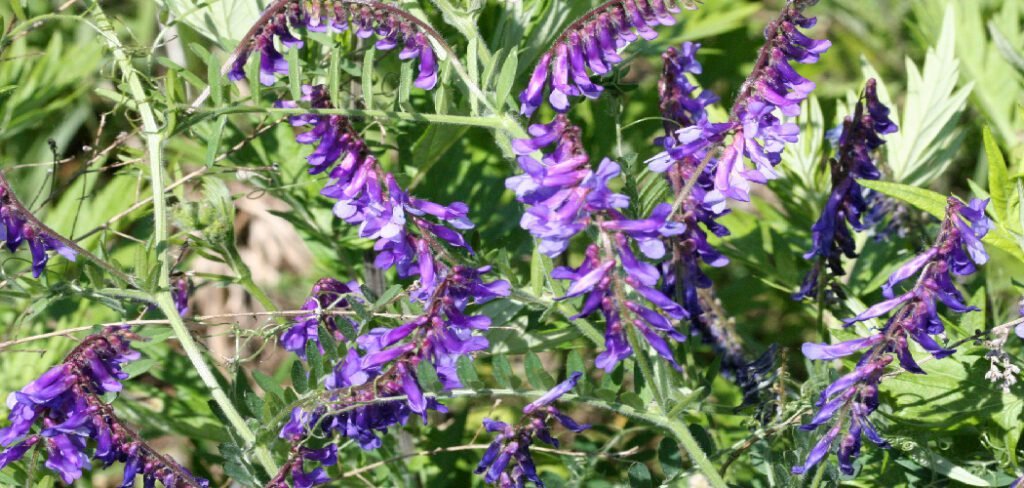
Before you begin, make sure you are dealing with vetch. It is characterized by its slender, climbing vines and compound leaves with several pairs of leaflets. Depending on the species, it produces small, pea-like flowers that are typically purple, blue, or white. After flowering, it forms seed pods that resemble small pea pods. Correct identification is crucial to ensure you are applying the right removal techniques and not accidentally harming a beneficial native plant. Take a close look at the leaves, flowers, and growth habit to confirm.
Step 2: Choose the Best Time for Removal
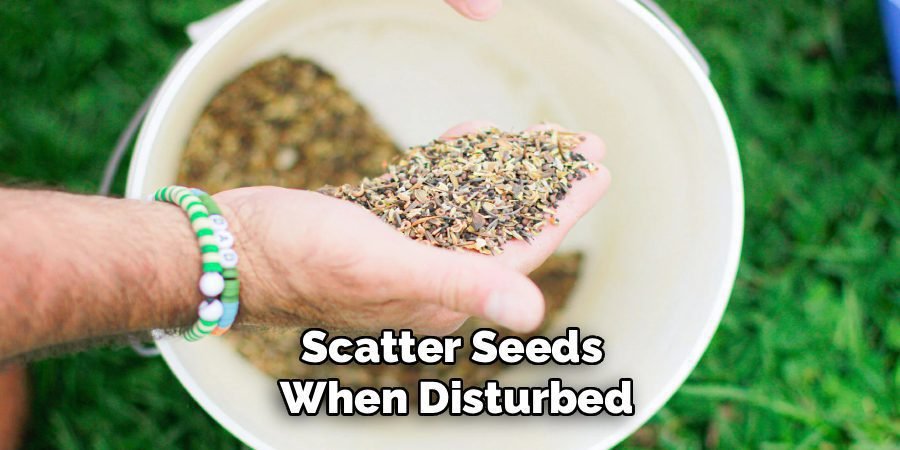
Timing is everything when it comes to vetch control. The ideal time to act is in late spring, just as the plant begins to flower but before it develops mature seed pods. At this stage, the plant has invested a lot of energy into growing but has not yet had the chance to reproduce. Removing it now significantly weakens the plant and prevents it from spreading seeds that would cause problems next year. Avoid waiting until the seed pods have dried and turned brown, as they can easily burst and scatter seeds when disturbed.
Step 3: Start with Manual Removal
For small infestations, manual removal is often the most effective and environmentally friendly method. Begin by watering the area to soften the soil, which makes it easier to pull the plants up by their roots. Grasp the vetch at the base of the plant and pull steadily to extract as much of the taproot as possible. Any root fragments left in the ground can potentially resprout, so be thorough. This method is labor-intensive but provides immediate results and avoids the use of chemicals in your garden.
Step 4: Use a Hoe for Larger Areas
If you are dealing with a larger patch of vetch, a sharp garden hoe can save you a lot of time and effort. Skim the hoe just below the soil surface to sever the vetch stems from their roots. This technique, known as cultivation, is most effective on young plants. While it may not remove the entire root system, repeatedly cutting down the top growth will eventually deplete the plant’s energy reserves and cause it to die off. This is a great way to manage widespread infestations without turning to herbicides.
Step 5: Solarize the Soil to Stop Growth
Soil solarization is an excellent non-chemical method for clearing large, heavily infested areas. After removing as much of the top growth as you can, thoroughly water the soil. Cover the area with a clear plastic sheet, burying the edges to trap heat. The sun’s energy will heat the soil underneath the plastic to temperatures high enough to kill vetch plants, roots, and seeds. Leave the plastic in place for at least four to six weeks during the hottest part of the summer for the best results.
Step 6: Apply a Pre-Emergent Herbicide
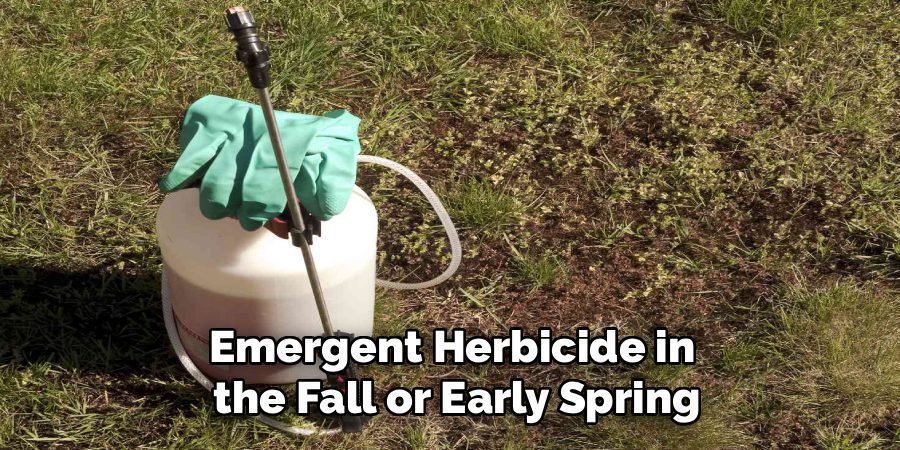
To prevent vetch seeds from germinating in the first place, consider using a pre-emergent herbicide in the fall or early spring. These products work by creating a chemical barrier in the soil that stops seeds from sprouting. This is a proactive approach that is particularly useful in lawns or garden beds where vetch has been a recurring problem. Always read and follow the manufacturer’s instructions carefully to ensure you apply the product safely and effectively, without harming your desired plants.
Step 7: Use a Post-Emergent Herbicide for Stubborn Vetch
For established and stubborn vetch, a post-emergent herbicide may be necessary. These products are designed to kill plants that are already actively growing. Look for a selective broadleaf herbicide that targets vetch without harming your grass. Apply the herbicide directly to the vetch foliage on a calm, sunny day when rain is not expected. This is a key step in learning how to kill vetch that has resisted other methods. The plant will absorb the chemical through its leaves, which will kill it down to the root.
Step 8: Mulch Heavily to Smother New Growth
After clearing an area of vetch, apply a thick layer of mulch to prevent it from coming back. A 3- to 4-inch layer of wood chips, straw, or shredded leaves will block sunlight from reaching any remaining seeds in the soil, preventing them from sprouting. Mulching also helps retain soil moisture and improves soil health over time. Regularly check the mulched area and promptly remove any vetch seedlings that manage to poke through before they can become established.
Common Mistakes to Avoid
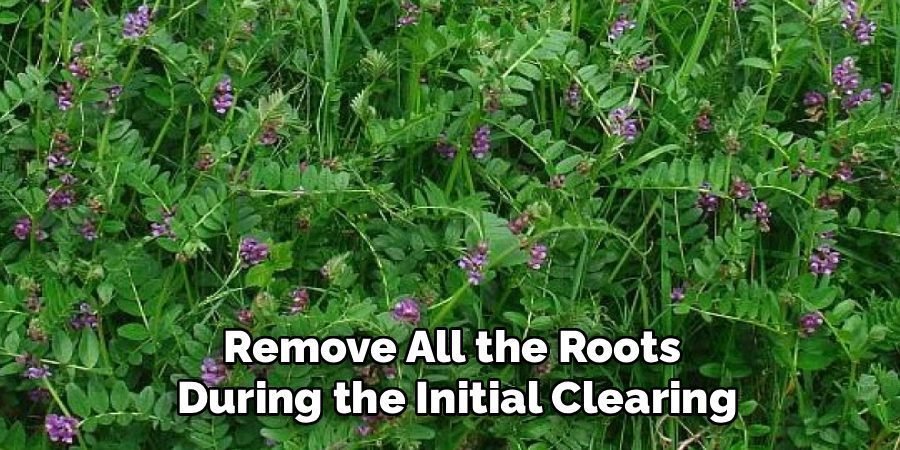
When tackling vetch control, there are a few common mistakes gardeners should watch out for. One frequent error is failing to remove all the roots during the initial clearing, which can lead to rapid regrowth. Another is neglecting to regularly inspect the area after applying mulch, as small vetch seedlings can establish themselves quickly if unnoticed. Additionally, using thin or insufficient mulch can allow sunlight to penetrate and encourage vetch seeds to germinate. Avoid using mulch types that decompose too quickly, as these can fail to provide long-term coverage.
Finally, inconsistent maintenance or waiting too long to address new growth can make the problem harder to manage over time. With a thoughtful and proactive approach, you can effectively prevent vetch from regaining a foothold.
Frequently Asked Questions (FAQ)
Will Vetch Die on Its Own in the Winter?
Most common vetch varieties are annuals, meaning they complete their life cycle in one year and die off with the first hard frost. However, they leave behind a significant number of seeds that will germinate the following spring, starting the problem all over again. Some perennial vetch species can also survive the winter and regrow from their roots. Therefore, relying on winter weather alone is not an effective long-term control strategy for this persistent weed.
Is It Safe to Compost Vetch?
You can safely compost vetch as long as you do it before the plant has developed seeds. If you add vetch with mature seed pods to your compost pile, the seeds can survive the composting process and will be spread throughout your garden when you use the finished compost. To be safe, only compost young vetch plants that have been pulled before flowering. Otherwise, it is better to dispose of the plants in your municipal green waste.
Can Vinegar Kill Vetch?
Household vinegar can act as a contact herbicide and may burn the top growth of young vetch plants. However, it is not systemic, meaning it will not travel down to the roots to kill the entire plant. Established vetch with a deep taproot will likely regrow after being sprayed with vinegar. While it can be a useful tool for spot-treating very small seedlings, it is generally not an effective solution for controlling mature or widespread vetch infestations in your garden.
How Do I Remove Vetch From My Lawn Without Killing the Grass?
To remove vetch from a lawn, use a selective broadleaf herbicide that is specifically formulated to kill weeds like vetch without harming the grass. These products are widely available at garden centers. Be sure to choose a product that is safe for your specific type of turfgrass and apply it according to the label directions. For smaller patches, you can also try carefully hand-pulling the vetch after a rain, which makes it easier to remove the roots.
What Is the Difference Between Hairy Vetch and Common Vetch?
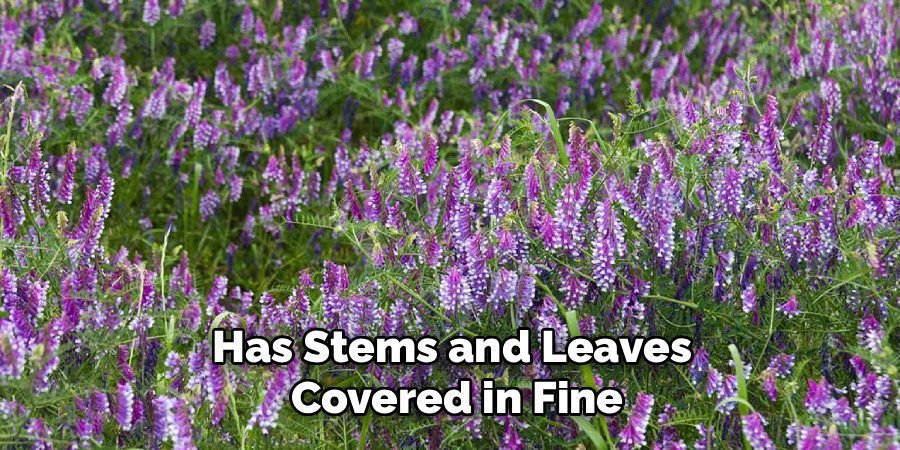
Hairy vetch is often planted as a beneficial cover crop and has stems and leaves covered in fine, soft hairs. It typically has purple flowers. Common vetch, on the other hand, is usually considered a weed. Its stems are less hairy, and it can have flowers ranging from purple to pink or white. While both can become invasive if not managed, common vetch is more frequently the culprit in lawns and gardens where it was not intentionally planted.
Conclusion
Getting rid of vetch is a manageable task when you approach it with patience and the right strategy. By correctly identifying the plant, acting before it sets seed, and combining methods like manual removal, mulching, and targeted herbicide use, you can successfully clear it from your garden. The key is persistence. Following these steps will not only address the current infestation but also help prevent future outbreaks. Now that you understand the principles of how to kill vetch, you are well-equipped to protect your garden and help your other plants flourish.

About Ravuk Barg
B.Sc. Horticulture Science | Certified Master Gardener
Ravuk Barg has spent more than a decade with his hands in the soil and his head full of questions about why some gardens thrive while others struggle. What started as a single raised bed of tomatoes and basil in a modest backyard has grown into a deep, working knowledge of everything from seed germination and soil amendment to companion planting and seasonal pruning.
Over the years, Ravuk has gardened through drought summers, waterlogged springs, and pest invasions that would make most gardeners hang up their trowels for good. Those hard seasons, he’ll tell you, taught him more than any perfect growing year ever could. He writes from that earned experience—covering vegetable growing, ornamental planting, houseplant care, composting, and garden design with equal confidence and curiosity.
Philosophy & Approach
Ravuk’s approach to gardening is rooted in practicality. He favors organic methods not out of dogma, but because they work long-term—resulting in healthier soil, fewer inputs, and stronger plants. He has a particular fondness for heirloom vegetable varieties (the kind with proper flavor), unruly cottage-style flower beds, and the stubborn houseplants that everyone else gave up on.
The Mission: Give readers the honest, experience-backed advice that helps them actually succeed in their gardens—not just the ideal version, but the real one; weeds, failures, and all.
Education & Credentials
-
B.Sc. in Horticulture Science
-
Greenfield Agricultural University
-
Focus: Plant Physiology, Soil Ecology, and Sustainable Crop Production
-
-
Master Gardener Certification
-
Cooperative Extension Service
-
Focus: 200+ hours of hands-on practical training and community garden work
-
Continuing Education
-
Organic Pest Management
-
Native Plant Landscaping
-
Sustainable Crop Production