

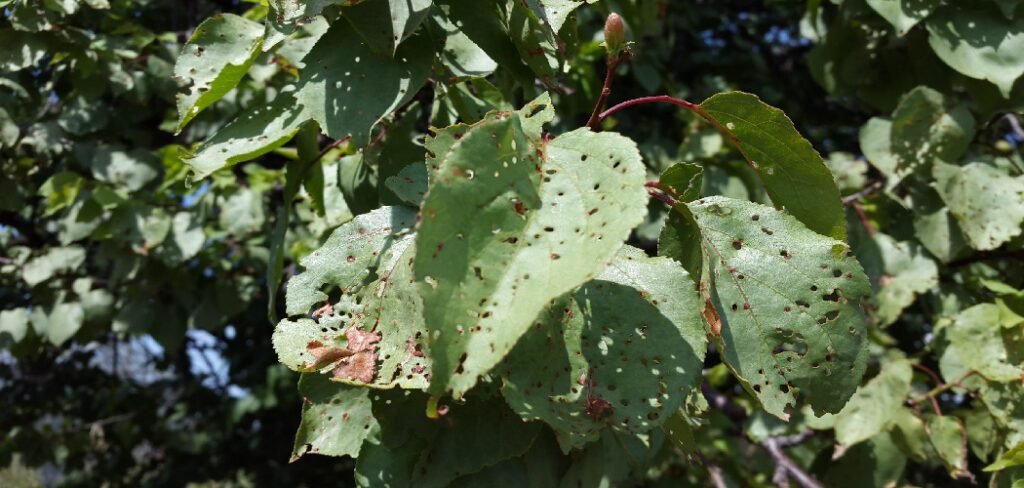
Discovering small, dark spots on the leaves of your beloved fruit trees or ornamental shrubs can be disheartening for any gardener. When these spots fall out, leaving behind a series of holes, your plants look as though they’ve been hit by tiny buckshot. This condition is known as shot hole disease, a common fungal or bacterial issue affecting a wide range of plants, including cherry, peach, and plum trees. While it can look alarming, the good news is that with the right approach, you can manage the problem effectively.
This guide will walk you through a simple process for how to treat shot hole disease, helping you restore your plants to their vibrant, healthy state and ensuring a beautiful garden for years to come.
Understanding Shot Hole Disease and Its Impact
Shot hole disease, also known as coryneum blight, is more than just a cosmetic issue. It is primarily caused by the fungus Wilsonomyces carpophilus or, in some cases, by bacteria like Xanthomonas arboricola pv. pruni. These pathogens thrive in cool, wet conditions, particularly during the spring when new leaves and shoots are emerging. The disease cycle begins when spores, which have overwintered in infected buds, twigs, or old leaf debris, are spread by splashing rain or irrigation. Once on a leaf surface, the spores germinate and infect the tissue, creating small, purplish-brown lesions.
As the plant’s defense mechanism kicks in, the tissue around the lesion dies and falls away, creating the characteristic “shot hole” appearance. Left unchecked, severe infections can lead to premature leaf drop, weakened trees, and reduced fruit yield.
8 Step-by-Step Guide on How to Treat Shot Hole Disease
Step 1: Positively Identify the Disease
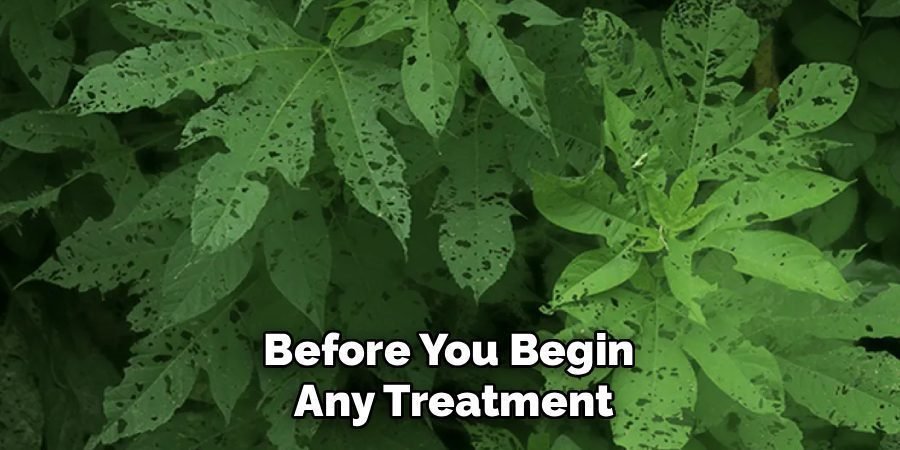
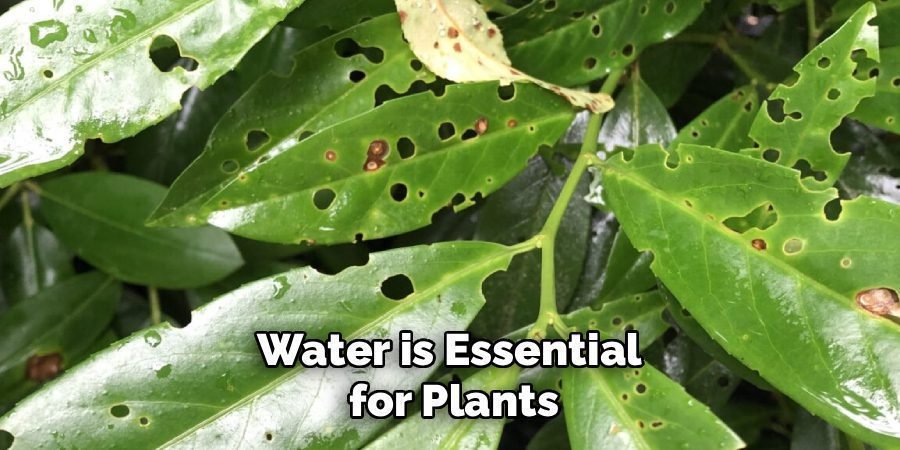
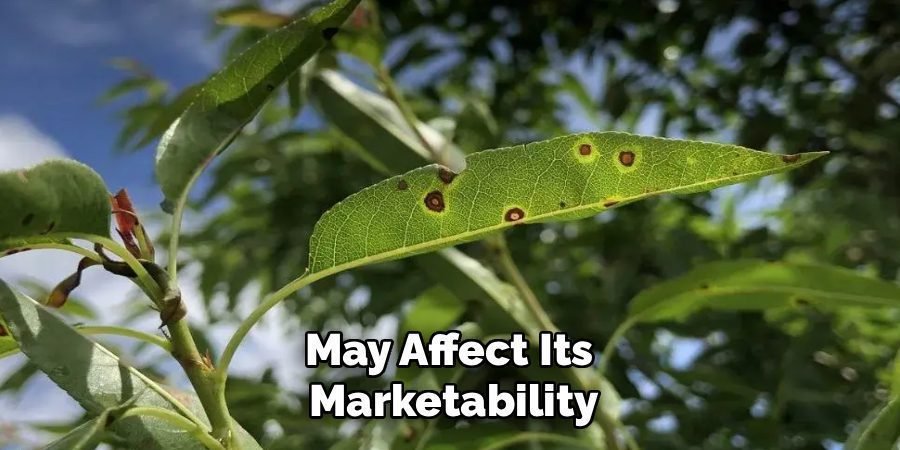
Before you begin any treatment, it is crucial to confirm that you are dealing with shot hole disease. Look for small, circular spots on the leaves, typically reddish-brown or purple, often with a lighter center. Over time, these spots will dry up and fall out, leaving holes behind. You might also notice dark, sunken lesions on twigs and branches, or spots on the fruit itself. Distinguishing it from other issues, like insect damage, is key. Insect feeding often results in irregularly shaped holes or skeletonized leaves, whereas shot hole disease produces distinct, almost perfectly round holes.
Step 2: Prune Infected Branches and Twigs
Sanitation is your first line of defense. Carefully inspect your plants for any twigs or branches showing signs of infection, such as cankers or lesions. Using clean, sharp pruning shears, remove this infected wood. Make your cuts several inches below the diseased area, cutting back to healthy, green tissue. It is vital to disinfect your pruning tools between cuts with a solution of 10% bleach or rubbing alcohol. This prevents you from accidentally spreading the fungal spores to other parts of the plant or to nearby healthy plants.
Step 3: Clean Up All Debris
Fungal spores are experts at surviving the winter in fallen leaves and other debris around the base of your plants. After pruning, thoroughly rake up and remove all fallen leaves, twigs, and old fruit from the ground. Do not add this material to your compost pile, as the spores can persist and reinfect your garden the following season. Instead, dispose of the infected debris by bagging it up for trash collection or by burning it, if local regulations permit. This step significantly reduces the amount of inoculum available to start a new infection cycle in the spring.
Step 4: Improve Air Circulation
Poor air circulation creates a humid environment where fungal diseases thrive. To combat this, selectively prune your trees and shrubs to open up the canopy. Thinning out dense branches allows sunlight to penetrate and air to move freely, which helps leaves dry more quickly after rain or morning dew. This simple cultural practice makes conditions less favorable for fungal spore germination and infection. When planting new trees or shrubs, be sure to space them appropriately to ensure good airflow from the start.
Step 5: Adjust Your Watering Practices
Water is essential for plants, but how you apply it can make a big difference in disease management. Overhead watering that wets the foliage creates the perfect conditions for shot hole disease spores to spread and infect. Instead, use a soaker hose or drip irrigation system to deliver water directly to the soil at the base of the plant. If you must use a sprinkler, water early in the morning so that the leaves have ample time to dry completely before nightfall. Avoiding wet foliage is a critical part of preventing fungal growth.
Step 6: Apply Dormant Season Sprays
One of the most effective steps in learning how to treat shot hole disease is to apply a dormant spray during the late fall or winter. After the leaves have dropped, spray your plants with a fixed copper fungicide or a Bordeaux mixture. These treatments kill the overwintering fungal spores on twigs, buds, and bark. A thorough application is essential, so be sure to cover the entire tree, including all branches and the trunk, until the spray begins to drip off. This preventative measure drastically reduces the pathogen population before the growing season begins.
Step 7: Use Fungicides During the Growing Season
If your area is prone to wet spring weather or if your plants have a history of severe infections, you may need to apply fungicides as new leaves emerge. Start spraying at the “shuck split” stage—when the old flower parts fall away from the base of the developing fruit. Fungicides containing active ingredients like chlorothalonil or myclobutanil can be effective. Always read and follow the label instructions carefully regarding application timing, rates, and safety precautions. You may need to reapply every 7 to 14 days during periods of prolonged rain.
Step 8: Monitor and Maintain Plant Health
Healthy, vigorous plants are better able to resist and recover from diseases. Ensure your trees and shrubs receive proper nutrition by applying a balanced fertilizer in the spring, based on soil test recommendations. Maintain consistent soil moisture, especially during dry periods, and apply a layer of mulch around the base of the plant to help retain moisture and suppress weeds. Regularly inspect your plants throughout the growing season for any new signs of disease so you can act quickly and prevent a small problem from becoming a major one.
Common Mistakes to Avoid
When caring for your trees and shrubs, it’s important to steer clear of common mistakes that can lead to long-term damage or poor plant health. Overwatering is a frequent issue, as excessive moisture can lead to root rot and other fungal diseases. Another common error is improper pruning, which can weaken the plant structure and make it more susceptible to pests and disease. Using the wrong type or quantity of fertilizer can also harm plants, causing nutrient imbalances or even burning the roots.
Additionally, neglecting to space plants properly can restrict airflow, increasing the risk of fungal infections. Being mindful of these mistakes will help you maintain healthy, thriving plants in your landscape.
Frequently Asked Questions (FAQ)
What Plants Are Most Susceptible to Shot Hole Disease?
Shot hole disease primarily affects members of the Prunus genus. This includes many popular fruit trees such as peaches, nectarines, apricots, plums, and cherries. It can also be found on ornamental plants like flowering cherry and laurel hedges. These plants are most vulnerable during cool, wet spring weather when new foliage is tender and emerging.
Can Shot Hole Disease Kill My Tree?
While it looks severe, shot hole disease is rarely fatal to a mature, otherwise healthy tree. However, a severe and persistent infection can cause significant defoliation year after year. This premature leaf drop weakens the tree, making it more susceptible to other stresses like drought, winter injury, and insect infestations. It can also lead to a noticeable reduction in fruit quality and yield.
Is It Safe to Eat Fruit from an Infected Tree?
Yes, it is generally safe to eat fruit from a tree affected by shot hole disease. The fungus or bacteria may cause scabby or spotted lesions on the fruit’s skin, but it does not make the fruit itself toxic or harmful to consume. You can simply cut away the affected spots on the fruit before eating it. The main impact on fruit is cosmetic and may affect its marketability.
What Is the Best Time of Year to Treat for Shot Hole Disease?
The most critical treatment time is during the plant’s dormant season. Applying a fixed copper or Bordeaux mixture spray in late fall, after all the leaves have dropped, is highly effective for killing overwintering spores. This preventative spray greatly reduces the potential for infection in the following spring. Additional fungicide applications may be needed in the spring if wet weather persists.
Are There Any Disease-Resistant Varieties Available?
Yes, some plant varieties offer better resistance to shot hole disease than others. When selecting new trees or shrubs from the Prunus family, it is worthwhile to research and choose cultivars known for their disease resistance. For example, some varieties of peaches and nectarines have been bred to be less susceptible. Planting resistant varieties is a proactive, long-term strategy for minimizing disease problems in your garden.
Conclusion
Facing shot hole disease can be a challenge, but it is one you can certainly overcome. By combining proactive cultural practices like proper pruning, thorough sanitation, and smart watering with timely fungicide applications, you can effectively manage this common plant ailment. Remember that consistency is key; a healthy, well-maintained garden is its own best defense against pests and diseases. Now that you have a clear plan on how to treat shot hole disease, you can approach the task with confidence and work toward restoring the health and beauty of your plants.

About Ravuk Barg
B.Sc. Horticulture Science | Certified Master Gardener
Ravuk Barg has spent more than a decade with his hands in the soil and his head full of questions about why some gardens thrive while others struggle. What started as a single raised bed of tomatoes and basil in a modest backyard has grown into a deep, working knowledge of everything from seed germination and soil amendment to companion planting and seasonal pruning.
Over the years, Ravuk has gardened through drought summers, waterlogged springs, and pest invasions that would make most gardeners hang up their trowels for good. Those hard seasons, he’ll tell you, taught him more than any perfect growing year ever could. He writes from that earned experience—covering vegetable growing, ornamental planting, houseplant care, composting, and garden design with equal confidence and curiosity.
Philosophy & Approach
Ravuk’s approach to gardening is rooted in practicality. He favors organic methods not out of dogma, but because they work long-term—resulting in healthier soil, fewer inputs, and stronger plants. He has a particular fondness for heirloom vegetable varieties (the kind with proper flavor), unruly cottage-style flower beds, and the stubborn houseplants that everyone else gave up on.
The Mission: Give readers the honest, experience-backed advice that helps them actually succeed in their gardens—not just the ideal version, but the real one; weeds, failures, and all.
Education & Credentials
-
B.Sc. in Horticulture Science
-
Greenfield Agricultural University
-
Focus: Plant Physiology, Soil Ecology, and Sustainable Crop Production
-
-
Master Gardener Certification
-
Cooperative Extension Service
-
Focus: 200+ hours of hands-on practical training and community garden work
-
Continuing Education
-
Organic Pest Management
-
Native Plant Landscaping
-
Sustainable Crop Production